
The True Taste of Swordplay Delivered by Issen and Parrying: Onimusha: Way of The Sword Hands-On
일섬과 패링이 전한 검극 참맛, 귀무자: 검의 길 체험기
2026.08.07 00:00 UTC+9

AI Summary
Onimusha: Way of The Sword delivers a stylish, period-accurate action experience. While combat feels fluid, the game's heavy reliance on parrying might need balancing. It launches on September 4th across all major platforms including Switch 2.
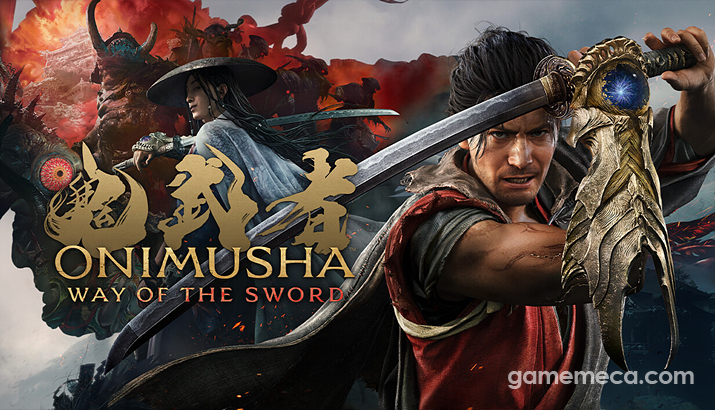
I recall hearing about the Onimusha series in my youth, though I never actually put in the hours. So, when the world went wild over the reveal of Onimusha: Way of The Sword, I must admit I didn't quite get the hype. With the market already saturated with samurai action titles, I wondered if we really needed another one added to the pile.
That perspective shifted quite drastically after I got my hands on a demo at last year's Tokyo Game Show. The satisfaction of breaking an enemy’s guard to land a powerful 'Issen'—that signature flurry of blade-on-blade action—was visceral. Naturally, when the invite for a media preview arrived, I was eager to jump back in.
Action with a dash of soulslike
Initially, the game felt like another soulslike clone—punishing damage, limited healing, and a heavy reliance on parries and dodges. However, this deeper dive revealed a title that prioritizes fluid, aggressive action above all else.
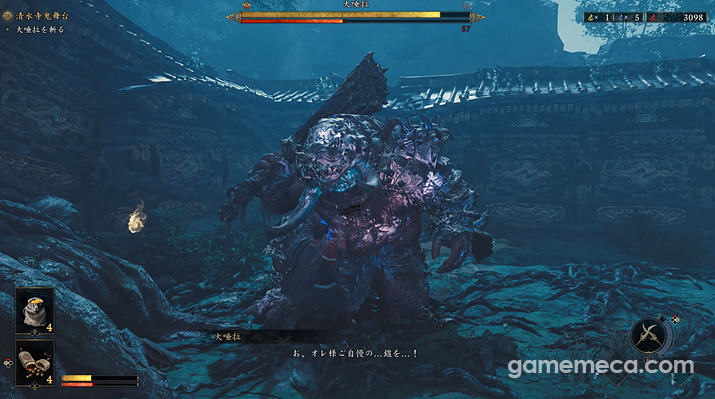
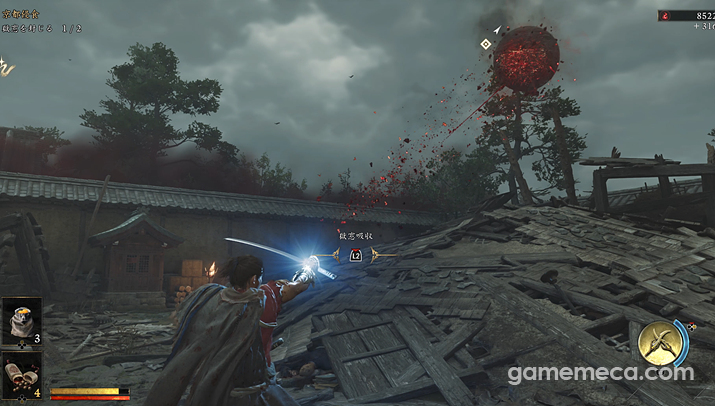
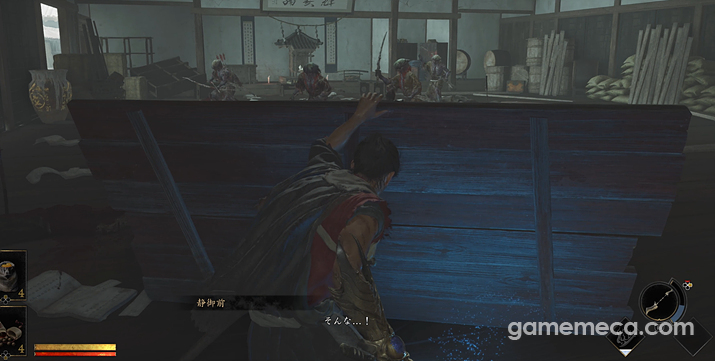
The demo picked up right after the Sasaki Ganryu boss fight. Ganryu, having descended into madness by consuming human souls, vanishes. Musashi, the protagonist, tracks the villain into a demon’s lair, leading to a showdown with the massive Genma 'Daidara'. Once cleared, the path opens to Kyoto, where you fend off Genma invaders while scouting the city for the next encounter.
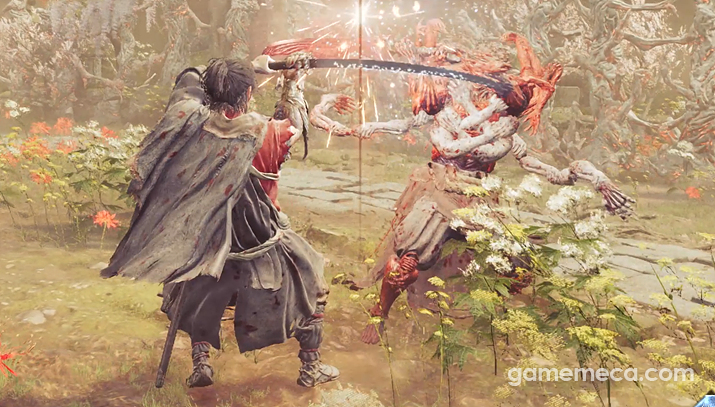
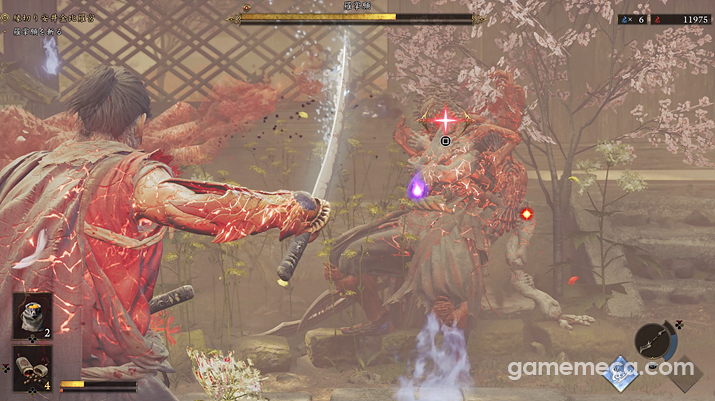
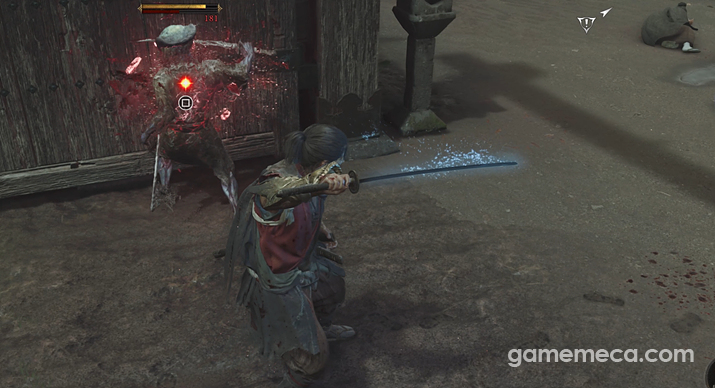
The combat feels deliberate yet grounded. You slash away with your katana to chip at health, or parry to drain the enemy’s stamina, opening them up for a devastating 'Collapse Issen'. Once a common enemy is staggered, they stay that way, allowing you to chain consecutive kills for a truly cinematic flourish.
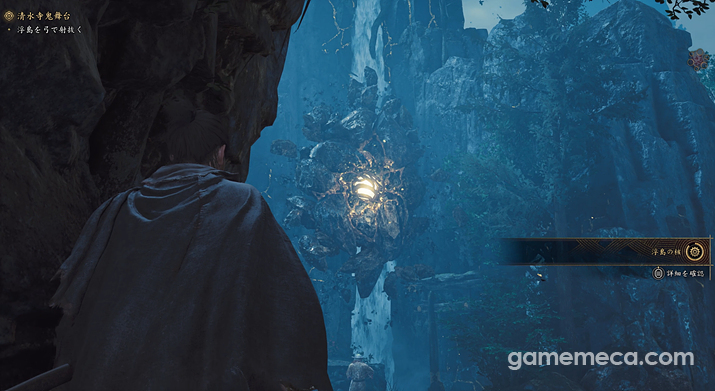
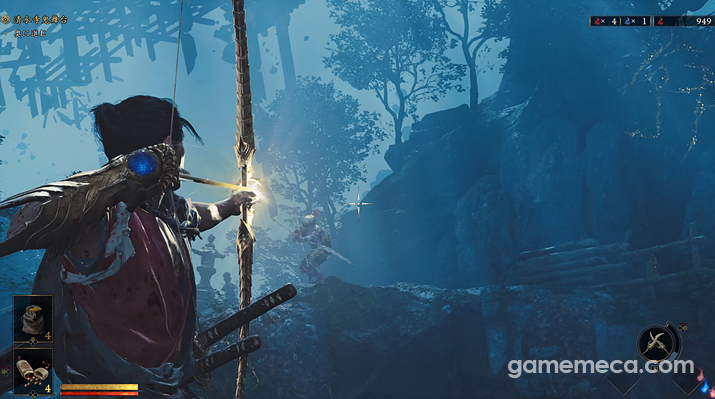
There are some neat adventure elements thrown in, too. You’ll acquire a bow, which serves double duty for long-range combat and solving environmental puzzles. Some bosses also drop unique abilities upon defeat, allowing you to bypass shields or access previously locked-off areas.
Boss fights with distinct gimmicks
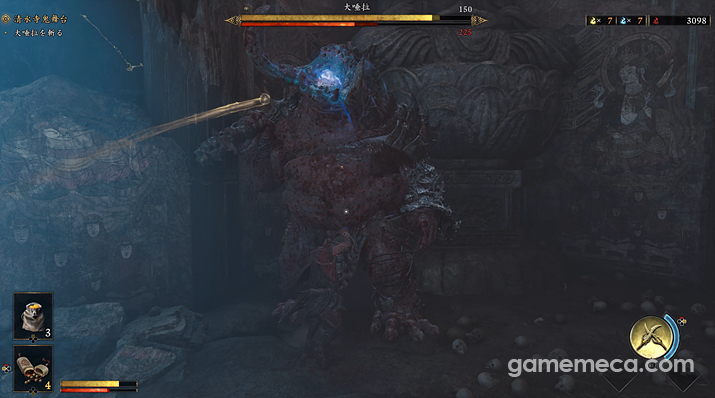
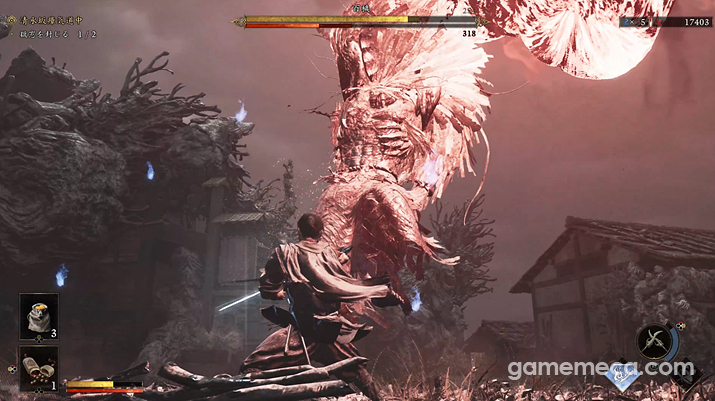
I tackled two boss encounters that highlight the game's core loop: the Genma 'Daidara' in the lair, and the encounter with 'Rashogan' at the Yasui Konpira Shrine. The fight against the elite 'Byakue' was also a standout challenge.
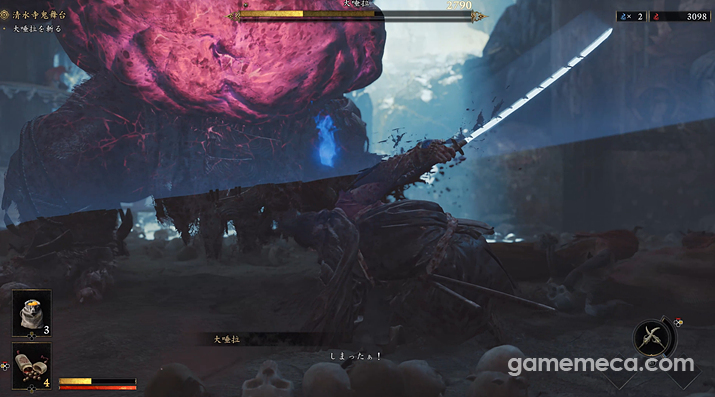
Each boss forces you to adapt. Daidara, for instance, absorbs stray souls to power up. You have to decide: do you try to absorb those souls yourself to deny the boss strength, or do you take the risk and keep up the pressure?
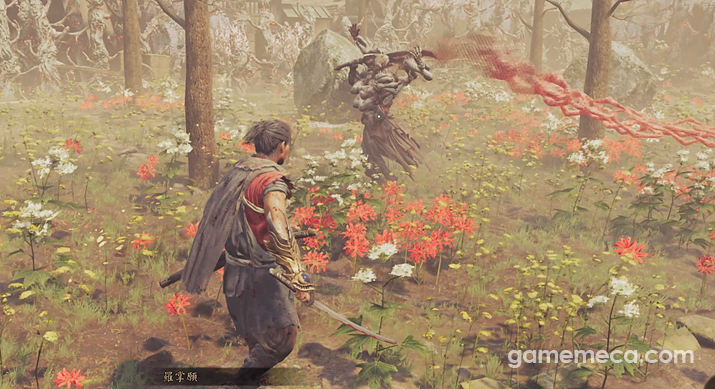
Rashogan feels like a skill check, testing your mastery of the game’s systems. You need to deflect projectiles, dodge precise grabs, and parry heavy strikes to create windows for a counter-attack.
That said, the parry window feels a bit too generous. Byakue, however, was a different beast—it used guard-breaking attacks that punished failed parries, forcing me to rely on dodges. It’s a shame the other bosses didn't demand that same level of defensive variety, as most of their patterns are easily parried if you keep your cool.
A period piece in Kyoto
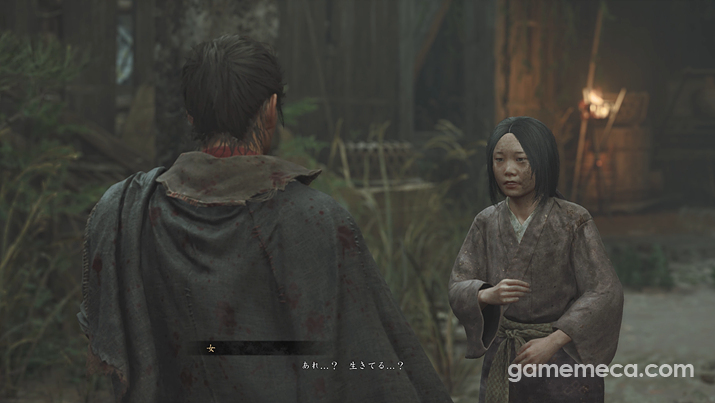
What struck me most was the period-drama atmosphere. Musashi isn’t your typical stoic hero; the character has a witty, slightly eccentric charm that feels ripped straight from a classic Japanese drama. Watching Musashi tease the woman in the gauntlet made me chuckle, yet the character still manages to project genuine rage against evil and burning determination when the steel starts clashing.
Despite the supernatural Genma elements, the depiction of historical Kyoto is captivating. The Yasui Konpira Shrine, distorted by Genma influence, is hauntingly beautiful, and the inclusion of the 'severing connections' folklore adds a layer of narrative weight to the exploration.
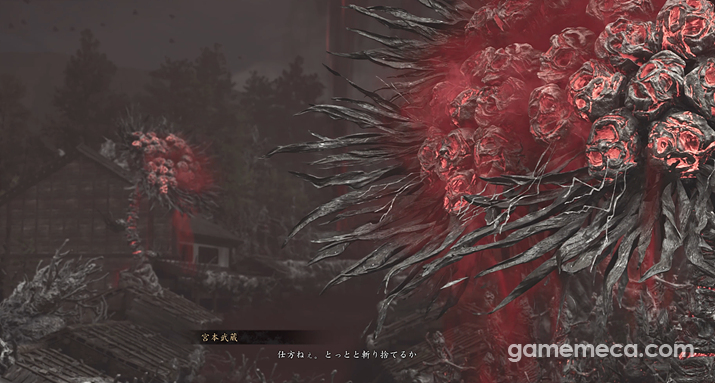
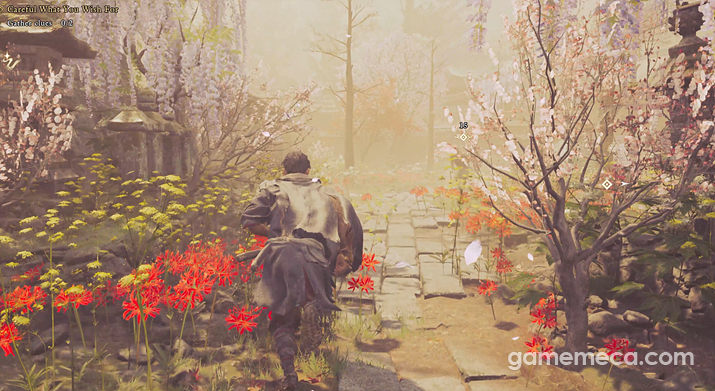
These aesthetic choices make the character designs feel right at home. While the initial reveal of Musashi and Shizuka Gozen felt a bit 'uncanny valley'—resembling a live-action Japanese drama—it actually fits the game's intended period-piece vibe perfectly once you settle in.
I also got a brief session on the Nintendo Switch 2. The Joy-Con controls felt natural, and playing in handheld mode was surprisingly engaging. However, the frame rate dipped, suggesting the team still has some heavy lifting to do on the optimization front before launch.
Onimusha: Way of The Sword launches on September 4th for PC, PS5, Xbox Series X/S, and Nintendo Switch 2, with full Korean language support.
어릴 적 '귀무자' 시리즈에 대해 들어본 적은 있지만 플레이를 해본 적은 없다. 때문에 '귀무자: 검의 길(Way of The Sword)'의 첫 공개로 많은 팬들이 환호했을 때 이를 공감하지는 못했다. 이미 현대에는 수많은 사무라이 액션게임이 있었고, 여기에 하나를 추가하는 것이 아니냐는 생각도 들었다.
하지만 작년 도쿄게임쇼에서 체험판을 처음 플레이해본 후 그 감상은 180도 뒤바뀌었다. 패링과 공격으로 적을 그로기 상태로 만들고, 강하게 공격하는 '일섬'에서 멋진 검극 액션과 손맛을 감상할 수 있었다. 때문에 귀무자 검의 길 미디어 시연 기회가 생겼을 때 게임을 더 플레이할 수 있다는 생각에 설렜다.
소울라이크 곁들인 액션게임
귀무자: 검의 길의 체험판을 했을 때는 전반적인 게임성이 소울라이크에 가깝다고 여겼다. 적들의 공격력이 높고 체력 회복 수단은 제한됐으며, 패링, 가드, 회피로 보스전을 풀어나갔기 때문이다. 하지만 이번 시연에서는 액션성이 더 강조되는 게임임을 확인할 수 있었다.
시연 버전은 체험판 보스 사사키 간류전을 치룬 직후부터 시작된다. 간류는 인간을 베고 힘을 흡수하며 타락하고 종적을 감춘다. 주인공 무사시는 그를 쫓아 귀신의 은둔처로 들어가고, 거대한 환마 '다이다라'와 마주한다. 그를 제거하면 이후 교토 도성에 도착해 주변을 탐험하고, 마을을 침공한 환마들을 베며 다음 보스전으로 나아간다.
전반적인 전투는 묵직하면서도 절제된 검극 액션을 전했다. 일본도를 휘둘러 적을 베어 피해를 입히거나, 패링으로 스태미나(역동)를 0으로 만든 뒤 강력한 붕괴일섬을 가할 수 있다. 특히 일반적인 적은 그로기 상태에 빠지면 풀리지 않기에, 여러 적을 동시에 그로기 상태로 만들고 연속으로 일섬을 가하는 '연쇄일섬'으로 멋있는 연출도 가능하다.
이외에도 여러 어드벤처 요소도 등장한다. 플레이 도중 '활'을 얻을 수 있는데, 원거리 적을 공격하거나 퍼즐을 풀 때 활용할 수 있다. 또 일부 보스는 처치시 특수 능력을 주는데, 이를 활용해 방패를 든 적을 제압하거나 이전에는 갈 수 없는 장소에 방문할 수 있다.
서로 다른 기믹과 강력함을 전한 보스전
액션게임의 진수인 도합 2종의 보스전도 경험할 수 있었다. 귀신의 은신처에서는 환마 '다이다라'가 등장하며, 교토 야스이콘피라 궁에서는 '라쇼간'에 맞선다. 이외에도 엘리트 몬스터로 추정되는 '뱌쿠에'와 전투가 인상적이었다.
보스들은 서로 다른 독특한 기믹이나 패턴으로 플레이어를 압박했다. 다이다라는 독특하게도 방출되는 영혼을 섭취하고 스스로를 강화했다. 때문에 다이다라를 공격하면서도 주변에 떨어진 혼을 계속해서 흡수하거나, 아니면 강한 다이다라와 전투를 즐기는 등 여러 방식의 플레이가 가능했다.
라쇼간은 지금까지 플레이를 점검하는 느낌의 보스전을 전했다. 원거리에서 날아오는 공격을 되받아치거나, 정확한 타이밍에 잡기를 피해 반격하거나, 강한 공격을 패링해 자유롭게 공격할 기회를 잡는 등 여러 액션 요소를 확인할 수 있었다.
다만 전반적인 보스전에서 패링이 지나치게 강한 느낌도 들었다. 오히려 어렵게 느껴졌던 뱌쿠에는 패링 실패시 큰 리스크를 주는 가드 브레이크 공격을 사용해 회피를 적극 사용하게 만들었고, 이것이 고난도 전투로 이어졌다. 반면 다이다라와 라쇼간은 화려하고 강력한 연출에 겁 먹기 쉽지만, 대부분의 패턴이 패링 가능해 침착하게 대응한다면 클리어가 어렵지 않았다.
귀무자가 전한 일본 교토 시대극
게임을 플레이하며 인상적이었던 부분은 게임의 전반적인 시대극적인 분위기였다. 주인공 무사시는 영웅적이거나 위엄있는 영웅이 아니다. 오히려 일본 시대극에서 찾아볼 수 있는 다소 소탈하고 위트 있으면서 살짝은 엉뚱한 성품을 지녔다. 이런 성품이 대화에서도 고스란히 드러나 완갑 속 여인을 놀리거나 하는 모습에서 절로 웃음짓게 만들었다. 거기에 악을 보면 분노하고, 강력한 적 앞에서는 투지를 불태우는 면모도 엿보여 입체적인 캐릭터성을 구축했다.
여기에 더해 비록 환마 등 현실과 동떨어진 요소들이 다수 등장하지만, 일본 교토의 매력적인 과거 모습도 확인할 수 있었다. 특히 야스이콘피라 궁은 환마의 영향으로 과도하게 아름답게 묘사되어 인상 깊었으며, 그 공간에서 벌어지는 '연 끊기'라는 설화적인 사건도 서사적인 몰입을 강화했다.
이런 요소들 덕분에 전반적인 캐릭터 외형에 대한 핍진성도 더해졌다. 처음 공개 당시 주인공 무사시와 완갑 속 여인 시즈카 고젠의 모습은 마치 일본 실사화 드라마를 보는 듯 어색하게 느껴졌다. 하지만 게임의 전반적인 분위기가 일본 시대극처럼 연출됨에 따라, 이런 페이스 모델링이 전반적인 분위기에 잘 들어맞도록 설계됨을 확인할 수 있었다.
닌텐도 스위치 2에서도 짧게 게임의 보스전을 체험할 수 있었는데, 이 부분에서는 약간의 우려가 생겼다. 조이콘 조작감은 어색하지 않았고, 특히 리모트 모드로 분리했을 때 의외로 색다른 감각이 재미있었다. 다만 전반적인 프레임이 떨어졌고, 출시 전까지 최적화에 많은 공을 들여야 할 것 같았다.
귀무자: 검의 길은 9월 4일 PC, PS5, Xbox 시리즈 X/S, 닌텐도 스위치 2로 출시되며, 한국어를 공식 지원한다.
This news was translated by AI.

I will always love games. skyanze@gamemeca.com
READ MORE
-
 [TGS 26] Full of romantic comedy vibes, a hands-on review of Fall in Blue
-
 [TGS 26] The Taste of Strategy is Alive, Shangri-La Frontier: Seven Supreme Species Hands-on
-
 Intoxicated by the Expanded World, Exhausted by Combat, Control Resonant
-
 [TGS 26] Played with Teo for the first time in a while, Monster Hunter Wilds Ascendance

MOST POPULAR NEWS
- Animo Prepares to Open Special No Brand Burger Store Ahead of Launch
- Popup events to be held in Dongdaemun and Yongsan to celebrate the release of Liftbound
- GTA 6 Online to support up to 32 players, confirmed through lawsuit documents
- Deepening Crisis in Snezhnaya, Genshin Impact Version 7.1 Starts on the 23rd
- [Today's steam] Animorphs officially released, recording 100,000 Concurrent Players
- [Today's steam] Normalized new FPS Wardogs surpasses 420,000 Concurrent Players
- An Ensemble Drama with Four Heroes, Fire Emblem Mazachanhong
- Gathering Cheonhwi and Slowly Falling for the Charm of 'Animo'
- [Today's steam] PC version of The War of Genesis Raising achieves 30,000 Concurrent Players
- What is the recently popular indie game genre 'DB Thriller'?
MEDIA PARTNERSHIPS



GAMEMECA SNS