
The Starlight, a fusion fantasy vibe that melts in multiple dimensions
더 스타라이트, 다차원 녹여낸 퓨전 판타지 느낌 물씬
2025.09.12 12:48 UTC+9

AI Summary
The Starlight merges four distinct universes into a cohesive 4th-gen MMORPG experience. The demo highlights fluid combat controls and a collision-free PvE system for a smoother experience. Players can look forward to a wide array of cross-dimensional heroes and customizable content at launch.

Weaving disparate worlds into a single narrative is a challenge, whether in cinema or games. Try doing it with four different universes, and the complexity hits a fever pitch. Adapting a singular work into a new medium is hardly a walk in the park either. Yet, 'The Starlight', born from the novels of GameTales representative Jung Sung-hwan, aims to tackle exactly that, positioning itself as a 4th-generation MMORPG.
However, with such a dense web of worlds and characters, there was always the risk of a disjointed experience—the death knell for player immersion in an RPG. How does The Starlight manage this balancing act? We headed to the media preview event to put GameTales and Com2uS's new title to the test.
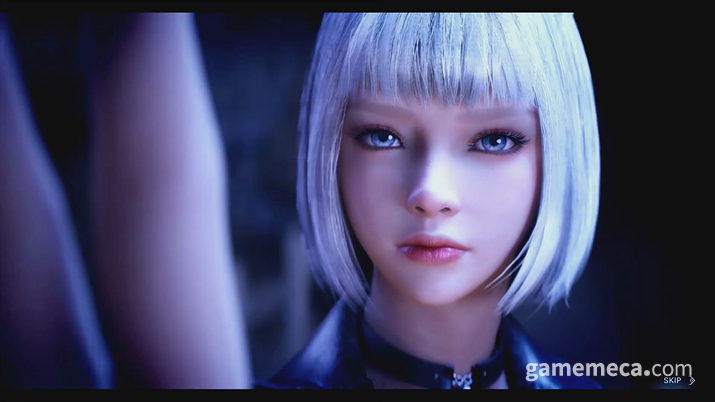
A World Where Dimensions Collide: 'The Starlight'
The Starlight is set primarily on the continent of 'Myosotis', following the journey of heroes gathering shards of 'Starlight', an energy crystal that maintains the order of life and dimensions. Players step into the shoes of a hero summoned by the Starlight, tasked with navigating a continent ravaged by an anomaly known as 'Chaos' to restore the fractured world.
At launch, players can choose from five distinct characters: 'Irisia', an Elf who can transition into a Mage or Healer; 'Deckard Rombel', a Minotaur capable of becoming a Magic Swordsman or Gladiator; 'Roar', a small-statured folk character who can be a Thief or Alchemist; 'Rainyu Bombas', a Dark Elf Ranger or Lancer; and 'Silkira', a human Hunter or Assassin.
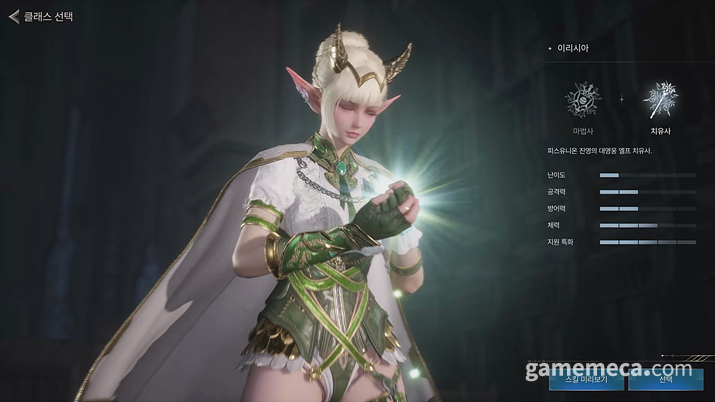
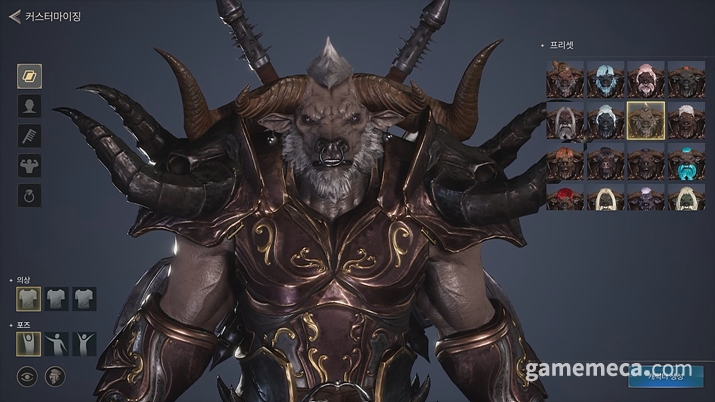
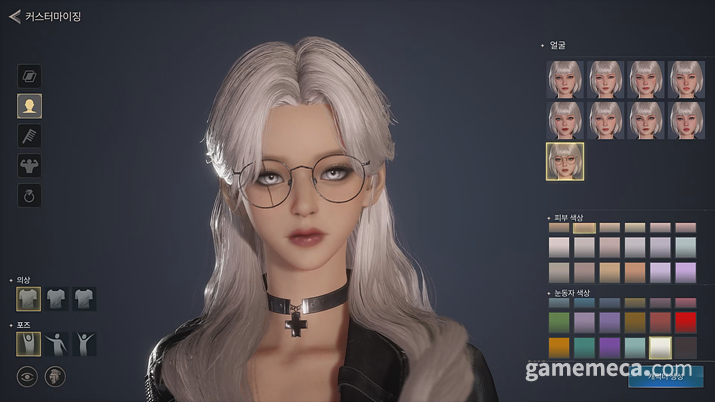
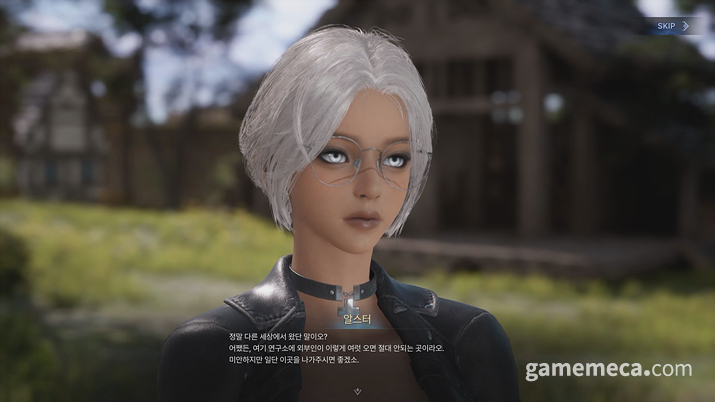
While time was limited during the demo, the narrative touches were notable. Silkira, for instance, is treated as an 'outsider' in the starting village and even dons local attire—a neat touch that reinforces the character's arrival from another world.
Except for Silkira, all the aforementioned characters hail from the original novel 'Holy Knight', while Silkira originates from the fusion fantasy 'Silent Tale'. Despite fears of thematic clashing, the avatar design successfully brings a sense of visual cohesion regardless of the character's background.
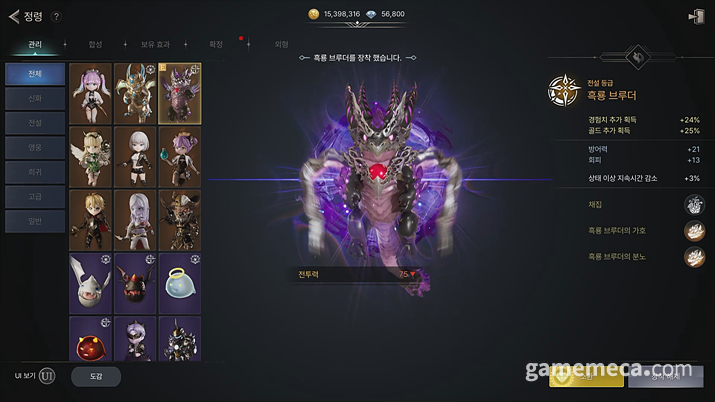
While the initial five characters lean heavily into the medieval fantasy aesthetic of 'Holy Knight', the promise of 20+ characters in future updates hints at a much wider variety of designs. True to a world where time and scenery are tangled, the mounts, avatars, and pets—ranging from SF-style vehicles to fantasy spirits—offer plenty of flair for those who love to customise.
Combat: Melee, Solo, and Fluid Transitions
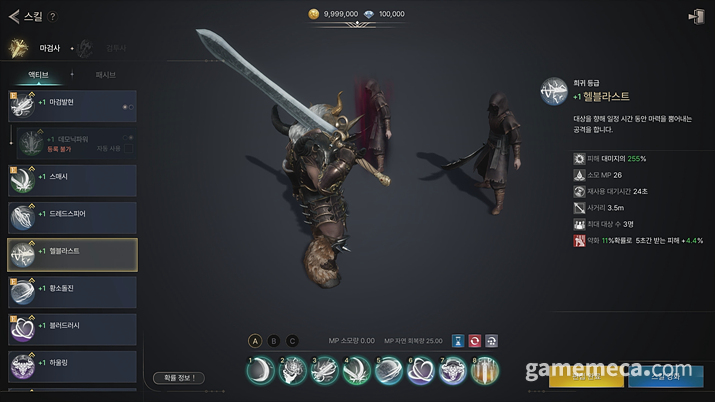
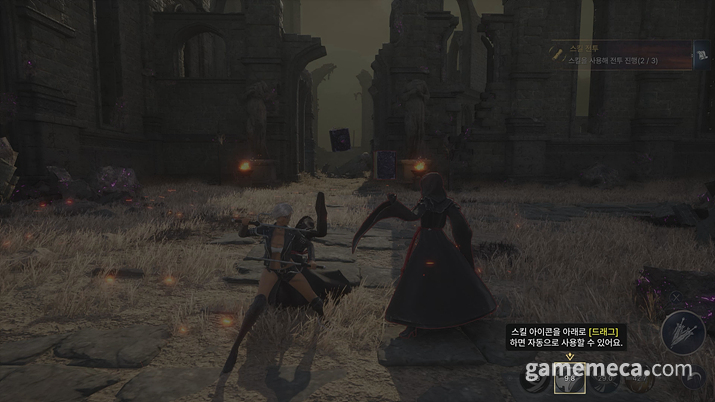
Each character possesses tiered active skills, with players selecting up to eight for their hotbar alongside standard attacks. You can set up to three presets, allowing for rapid switches between PvP and PvE scenarios while out in the field. A simple 'press and drag down' mechanic toggles auto-use for skills, meaning you can automate your primary buffs and damage dealers while keeping tactical crowd-control moves manual for precision.
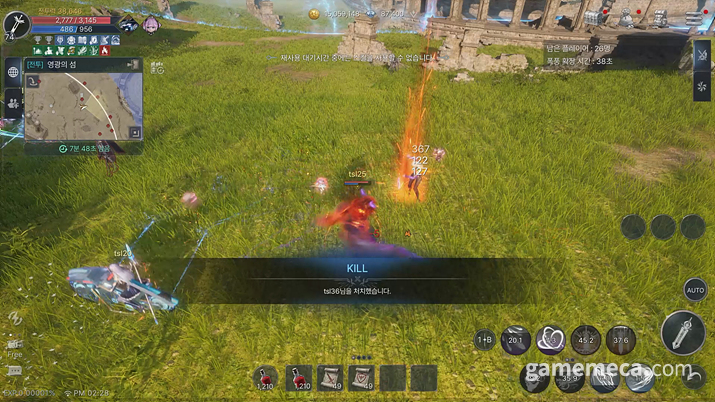
In this demo, we experienced the 'Island of Glory' PvP mode and various PvE dungeons and field bosses. The Island of Glory plays like a battle royale, where survival within a shrinking storm is the goal. By defeating monsters within the arena, players gain buffs, allowing even those with lower combat power to make aggressive plays.
As expected for a PvP mode, line-of-sight mechanics play a huge role. The field is split between a central castle and grassy plains; the latter rewards stealth and ambushes, while the central area demands smart use of elevation, walls, and barriers to secure a vantage point.
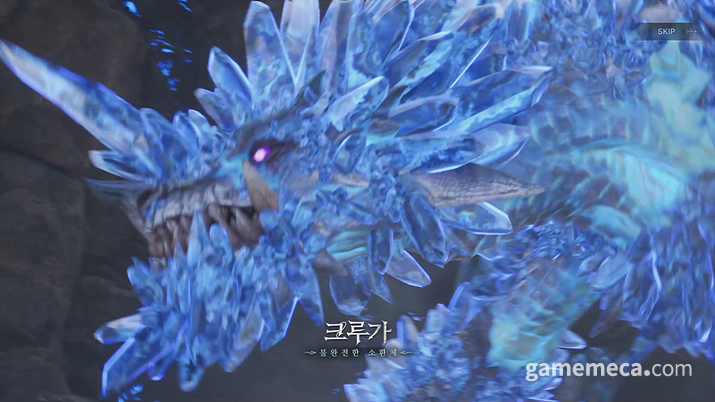
Dungeons follow the classic RPG blueprint. The demo's 'Abandoned Mine' featured a gloomy, industrial atmosphere punctuated by mysterious glowing crystals. You clear packs of mobs, face a mid-boss, and eventually reach the final encounter. Bosses are suitably imposing, with clearly telegraphed attack zones to keep things fair.
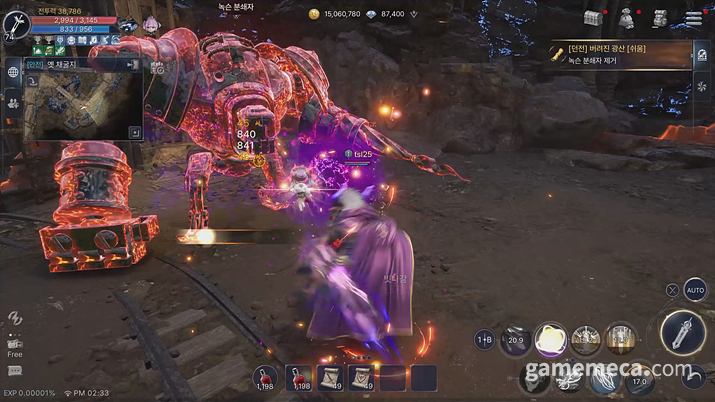
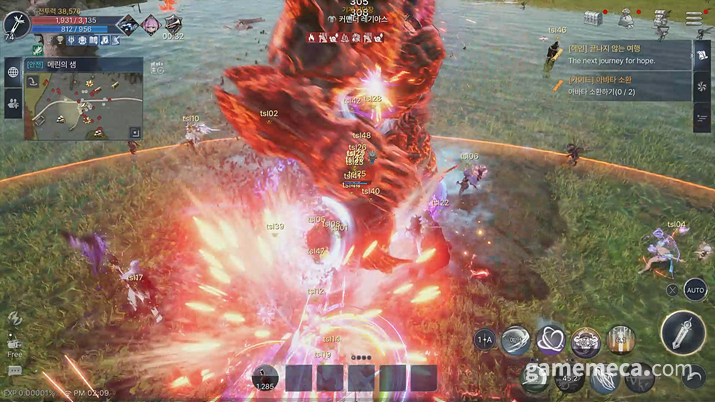
For the field boss, we took on the mechanical commander 'Commander Regias' at Merin's Spring. The highlight here is that, unlike PvP, the PvE mode removes collision detection, meaning no fighting for space even with a crowd of players. The damage-based reward system ensures that even melee classes can focus on mechanics and rotation without worrying about missing out on loot.
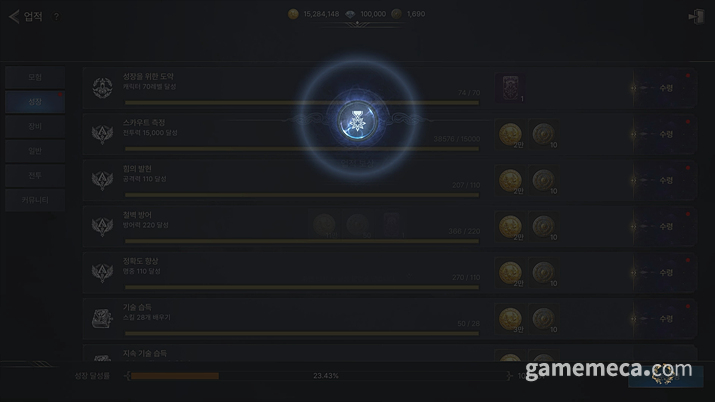
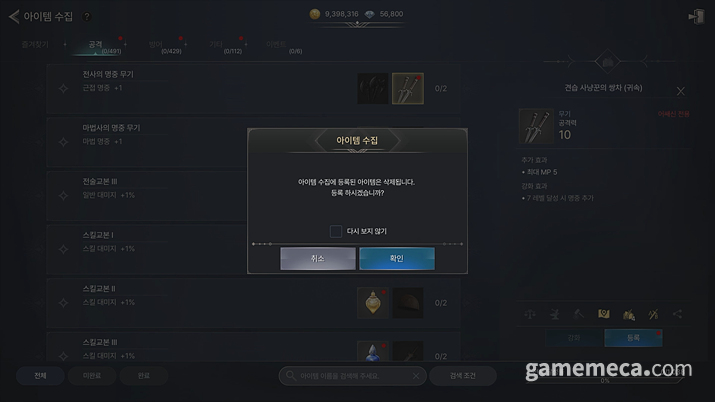
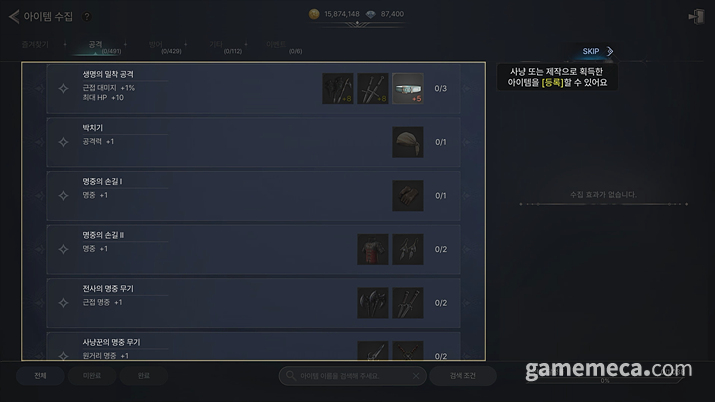
The game also leans on familiar mobile MMORPG systems like item collection and codex registration. Since the core gameplay loop remains standard, players familiar with the genre will find it easy to jump in and start grinding for power. Additionally, the regional essence system helps fill in lore gaps, providing a nice bit of extra convenience.
서로 다른 작품의 세계관을 하나로 잇는 과정은 게임이든 영화든 결코 간단하지 않다. 하물며 그 작품이 둘도 아닌 넷이라면 난도는 더욱 높아진다. 하나의 작품을 새로운 매체를 통해 표현하는 일 또한 쉽지만은 않다. 게임테일즈 정성환 대표의 소설에서 태어난 ‘더 스타라이트’는 이러한 과제를 풀어내며, 4세대 MMORPG로서 자리매김하겠다는 포부를 밝혔다.
다만 매우 많은 세계관과, 너무나 많은 인물들이 얽힌 만큼 그 일관성이 떨어져 RPG의 핵심인 유저들의 몰입감을 떨어뜨릴 가능성 또한 존재했다. 더 스타라이트는 이 난제를 어떻게 풀어냈을까. 게임테일즈와 컴투스의 신작 '더 스타라이트'를 미디어 프리뷰 행사 현장에서 테스트해 보았다.
이채로운 차원이 어우러진 세계 ‘더 스타라이트’
더 스타라이트는 ‘마이어소티스’ 대륙을 핵심 배경으로, 생명과 차원의 질서를 유지하는 에너지 결정체 ‘스타라이트’의 파편을 모으는 영웅들의 이야기를 그렸다. 플레이어는 카오스라 불리는 이상 현상이 발생한 혼란스러운 대륙에서 스타라이트의 부름을 받은 영웅이 되어 흩어진 빛을 모으고 세상을 복구하기 위한 여정에 오르게 된다.
출시 시점에서는 마법사 혹은 치유사로 전직 가능한 엘프 ‘이리시아’, 마검사 혹은 검투사로 전직 가능한 미노타우르스 ‘데커드 롬벨’, 도적 혹은 연금술사로 전직 가능한 소인족 ‘로버’, 궁수 혹은 창술사로 전직 가능한 다크엘프 ‘라이뉴 봄바스’, 헌터 혹은 어쌔신으로 전직 가능한 인간 ‘실키라’ 등 총 5종의 캐릭터를 만나볼 수 있다.
시연 버전에서는 시간이 부족해 모든 캐릭터의 대사를 확인할 순 없었지만, 실키라의 경우 시작 마을에서 ‘외부인’으로 취급받고, 지역 분위기에 맞춘 새로운 옷을 입는 등 다른 세계에서 왔다는 점을 강조하는 연출이 초반부터 인상 깊게 다가왔다.
앞서 언급된 캐릭터 중 실키라를 제외한 전원이 동일한 원작 소설 ‘홀리나이트’ 출신이고, 실키라는 퓨전 판타지 ‘사일런트 테일’의 인물이다. 서로 다른 차원에서 모인 만큼 인물들이 세계관에 융화되기 어렵다는 우려도 있었지만, 아바타 디자인을 통해 설정과 무관하게 통일감을 주는 데 성공했다.
다섯 캐릭터는 중세 판타지 분위기의 ‘홀리나이트’ 세계관에 치중돼 있지만, 향후 업데이트를 통해 20종 이상의 캐릭터가 추가될 예정이라 밝혔기에, 이들의 다채로운 의상과 캐릭터 디자인에 대한 기대를 높인다. 시간과 풍경이 뒤엉킨 낯선 세계라는 이름에 걸맞게 탈것과 아바타, 펫 역시 SF풍 탈것부터 판타지풍 정령형 펫까지 다양한 종류가 마련돼 꾸미는 재미를 더한 것도 눈길을 끌었다.
난전과 개인전, 빠른 전환 가능한 전투
각 캐릭터는 등급별 액티브 스킬을 보유하며, 전투는 이 중 최대 8개를 선택해 슬롯에 장착하고 평타와 함께 활용한다. 프리셋은 최대 3개까지 설정할 수 있어, 필드 사냥 중 발생하는 PvP 혹은 PvE 상황에 따라 빠르게 스킬 구성을 바꿀 수 있다는 장점이 있다. 스킬은 꾹 눌러 아래로 내리는 간단한 조작으로 자동 사용을 설정할 수 있다. 이에 반드시 쿨타임마다 써야 하는 버프 및 주요 공격기는 자동으로 작동시키면서도, 조건에 맞춰야 하는 상태이상 기술은 플레이어가 직접 선택해 유연하게 활용할 수 있었다.
이번 시연 버전에서는 PvP 콘텐츠 ‘영광의 섬’과 PvE 콘텐츠인 던전 및 필드보스 전투를 체험했다. 영광의 섬은 배틀그라운드와 유사한 형식의 PvP 콘텐츠로, 전장에 변수를 가져오는 폭풍 안에서 최대한 오래 살아남는 것이 핵심이다. 전장 내 몬스터를 처치해 얻는 버프로 생존력을 확보할 수 있어, 전투력 차이가 있어도 과감한 교전을 시도할 수 있었다.
전략성이 중요한 PvP 콘텐츠답게 시야를 활용할 수 있는 장치도 눈에 띄었다. 필드는 성이 위치한 중앙 지역과 갈대가 우거진 평원으로 나뉘며, 갈대가 많은 평원 지역에서는 은신과 기습이, 중앙으로 갈수록 고저차와 성벽, 방호벽 같은 장애물을 활용한 시야 선점이 승부를 가른다.
던전은 전통적인 RPG 구조를 따르고 있다. 시연 던전인 ‘버려진 광산’은 음울한 탄광 분위기와 벽 곳곳에 박힌 신비한 광물이 인상적이었다. 일반 몬스터 무리를 지나 중간보스를 만나고, 다시 몬스터를 처치한 뒤 최종 보스를 상대하는 방식이다. 보스는 컷신과 기술 연출로 위압감을 주면서도, 전투 중 공격 범위 표시를 통해 편의성을 보장했다.
필드보스 시연으로는 메린의 샘에서 등장한 기계 군단장 ‘커맨더 레기아스’를 사냥했다. 필드보스에서 인상적인 것은 PvP와 달리 PvE에 집중할 수 있도록 충돌 판정을 제거해, 다수의 유저가 몰려도 자리 경쟁이 필요 없었다는 점이다. 대미지를 입힌 만큼 보상이 분배되는 시스템은 이와 더해져 근접 캐릭터도 기믹 수행과 스킬 운용에만 집중하면 충분한 보상을 얻을 수 있었다.
아이템 수집 및 등록을 통한 도감 기능 등 기존 모바일 MMORPG에서 익숙한 구조도 만나볼 수 있었다. 기본 골자에는 큰 차이가 없는 만큼, 이를 통해 전투력 상승을 원하는 유저들이 빠르게 성장을 준비하고 게임에 적응할 수 있다. 또 지역 공용 정수 시스템은 부족한 지역 정보값을 채우는 데 도움을 줘 편의성을 높였다.
This news was translated by AI.

I am dedicated to games and writing. viina@gamemeca.com





 GAMEMECA GLOBAL SITE