
Three hours of gameplay gone in a flash: SAROS, a title with more fun than Returnal
3시간 체험 순삭, 리터널 이상 재미 담고 있는 '사로스'
2026.04.02 10:00 UTC+9

AI Summary
Housemarque returns with the Returnal-inspired SAROS. It adds permanent progression and quality-of-life tweaks. The action remains fast, brutal, and incredibly intense.
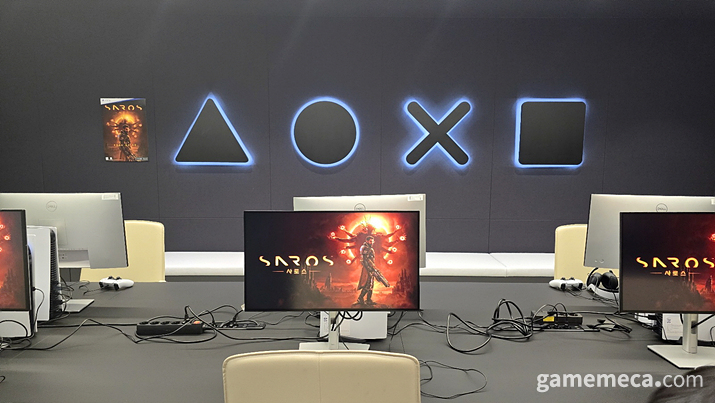
Housemarque's TPS roguelike, Returnal, arrived with a bang, winning over plenty of players. The sheer speed, satisfying impact, and atmospheric, terrifying sound design were all top-tier. However, the 'roguelite' genre’s notoriously steep difficulty and those hour-long runs meant it wasn't exactly everyone's cup of tea.
Now, about five years later, Housemarque is back with its 'spiritual successor', SAROS. I managed to get some hands-on time at the SIEK headquarters on the 31st, and let me tell you, it packs all the frantic action of Returnal while introducing new systems that actually make the barrier to entry feel a lot more reasonable. Three hours just vanished in the blink of an eye.
The eerie planet 'Carcosa' under a high-hanging sun
Like Returnal’s planet 'Atropos', SAROS is set on the bizarre, unsettling planet 'Carcosa'. You play as Arjun Debraj, an enforcer for the massive corporation Soltari, sent as part of a rescue team to track down previous scouts. Naturally, that’s just the official story; Arjun is actually obsessed with finding the woman he loves.
On Carcosa, you’re hunted by all sorts of mechanical monstrosities. Arjun has to lean on both Soltari gear and weird alien technology to survive. As you push forward, you’ll encounter the planet's strange ecology and uncover its twisted secrets. Even with a bizarre sun hanging high in the sky, the world feels less like a beacon of hope and more like a place where something horrific is about to go wrong.
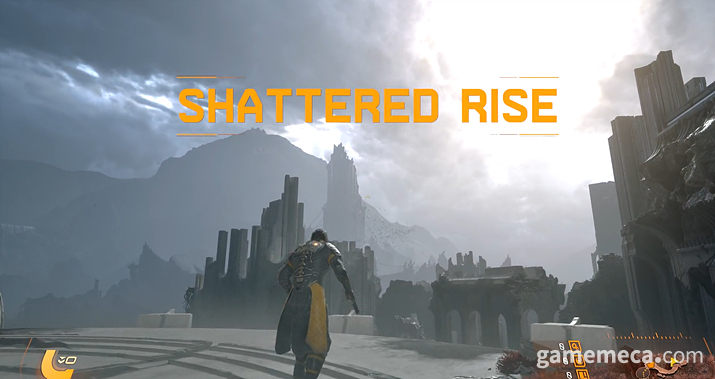
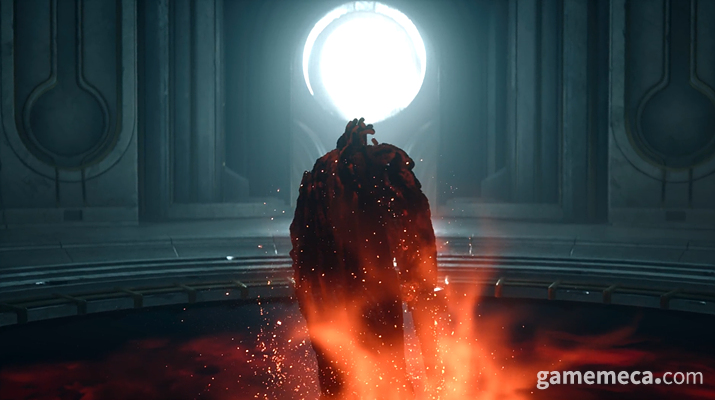
Early in the game, our protagonist gains the ability to 'resurrect' after a bizarre event leads to his body being reconstructed. He soon discovers that days have actually passed. In that short window, his teammates died, and some even seemed possessed by a strange force, destroying their own ship. That sense of cosmic dread is woven into the lore and setting just as effectively as it was in Returnal.
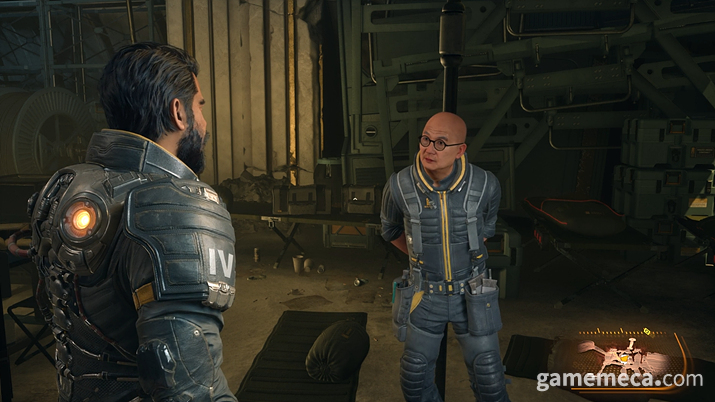
Returnal’s ecosystem felt strange, but it was a rather lonely, personal experience. In SAROS, you’re joined by other Soltari members, which feels reassuring at first. But during my short session, seeing squad members’ dialogue and behaviour shift in unsettling ways reminded me that having company isn't always a comfort.
High-octane action roguelite
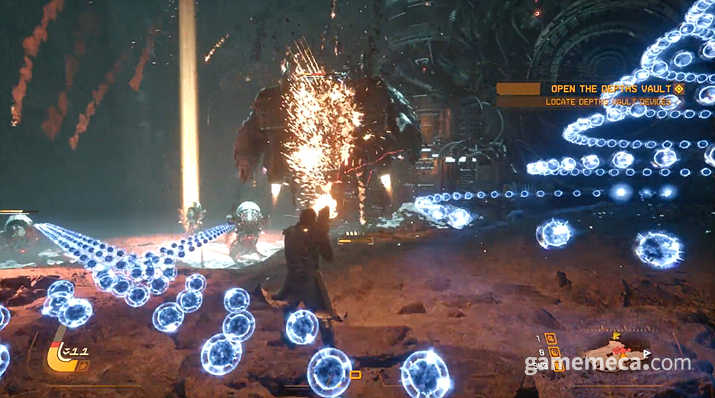
SAROS is a TPS roguelite structurally similar to Housemarque's previous work. You head into battle with a single gun, dancing between enemy fire and dishing out damage. You’ll need to dodge aggressively, and hitting the DualSense R2 button with perfect timing during an 'overload' (reload) keeps your ammo count steady.
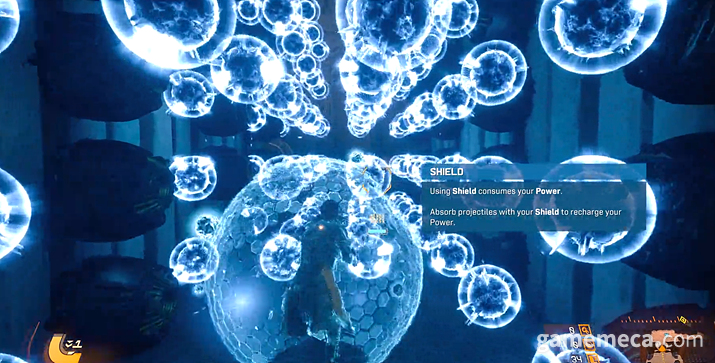
Then there’s Arjun’s 'Soltari Shield'. You can deploy an energy shield to absorb enemy projectiles. The catch? At first, you can only soak up blue ones. Red and yellow projectiles will chew right through your shield, damaging you and temporarily disabling the ability.
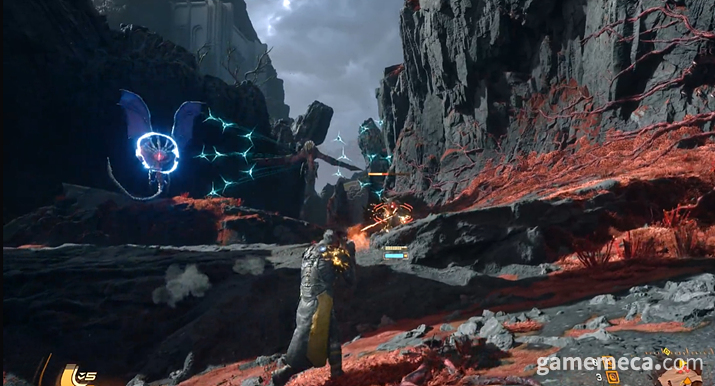
Once your shield energy is topped off, you can unleash a 'Power Weapon'. It’s essentially a powerful special attack similar to Returnal’s 'Alt-fire'. As long as you have the energy, there’s no cooldown; you can fire explosive long-range rounds or launch infectious threads, with effects varying by the weapon equipped.
The shield makes combat chaotic and layered. It takes a brief moment to deploy, requiring split-second decisions based on projectile speed. Dealing with elite monsters or bosses that fire red and yellow projectiles simultaneously is a nightmare. Since standard gun damage is modest compared to Power Weapons, finding yourself unable to charge that shield is a quick ticket to a game over.
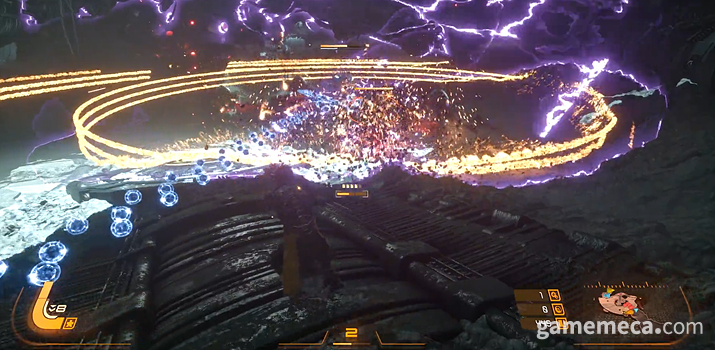
Permanent upgrades and shifts in gameplay from Returnal
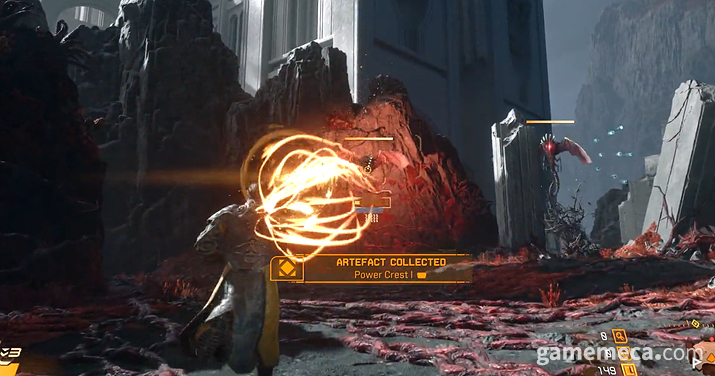
Beyond the shield, plenty has changed. In Returnal, picking up health kits at max capacity boosted your health bar; here, it nets you resources (Lucenite) instead. Killing enemies now makes it easier to boost your durability and energy, making in-game currency feel much more vital.
There’s also a new 'permanent upgrade' system. Unlike its predecessor, where shops or artifact crafting felt limited, you now lose only a portion of your Lucenite upon death. You spend this at 'Primary' stations to buff your character. You can upgrade your base stats, like weapon proficiency or durability, making future runs significantly smoother.
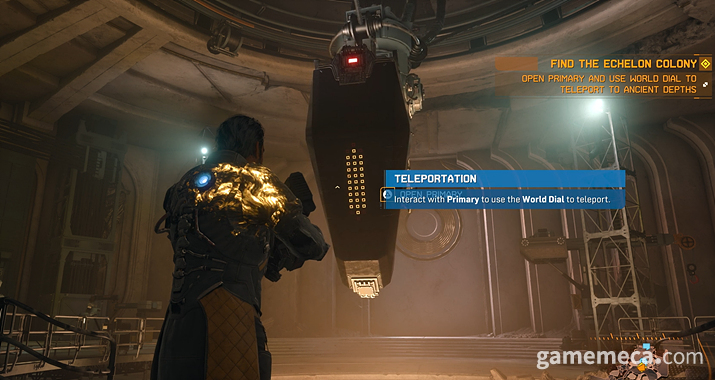
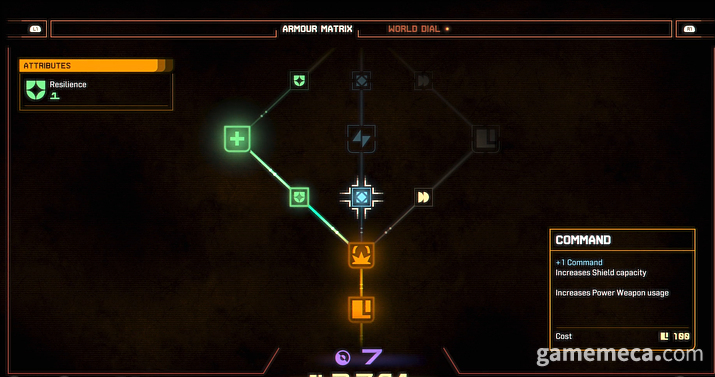
You can even unlock new capabilities. Using a special resource called 'Halcyon', you can purchase upgrades that completely change how the game plays—like a one-time resurrection upon death, unlocking the 'Adrenaline' system (familiar to Returnal fans), or gaining the ability to absorb yellow projectiles. It gives you a real incentive to keep diving back in.
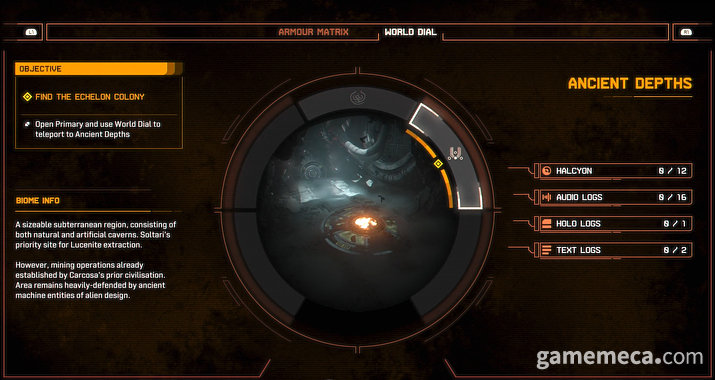
They’ve also tightened the playtime. Once you clear a boss and open a new area, you can jump straight there from the hub. No need to slog through the first stage again, and if you die or quit, getting back into the action is snappy. It feels like a genuine effort to address the accessibility hurdles that plagued Returnal.
Easier to enter, but still brutal and sweaty
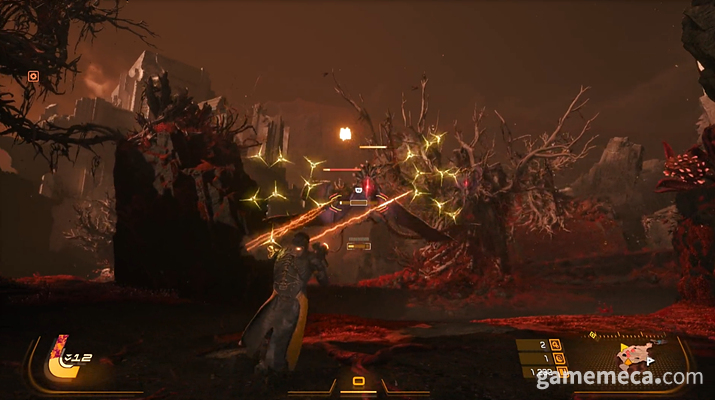
Don't let these quality-of-life tweaks fool you into thinking it’s easy. Just like riding a bike with training wheels, the game is still fundamentally designed to be punishing. The pace is even faster than before, and the platforming traps appear early on, demanding precision from the get-go.
The enemies have stepped up their game, too. If you can't master your Power Weapon, you'll struggle, especially early on. Unlike Returnal, where melee was a powerhouse, here it’s purely situational, meaning it takes a while to clear out mobs with starting gear. And thanks to the shield, enemy projectile counts have skyrocketed—you have to get good at using that shield, or you're toast.
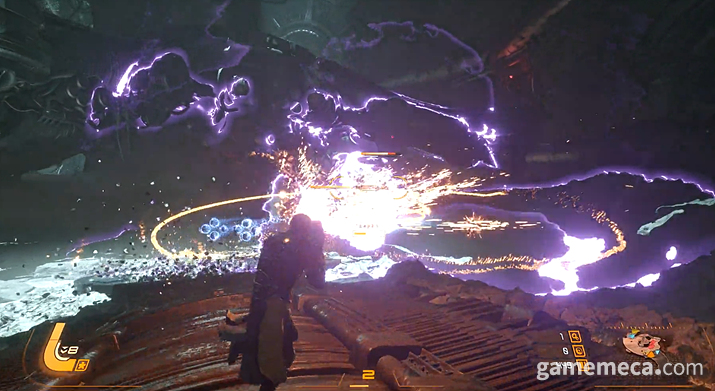
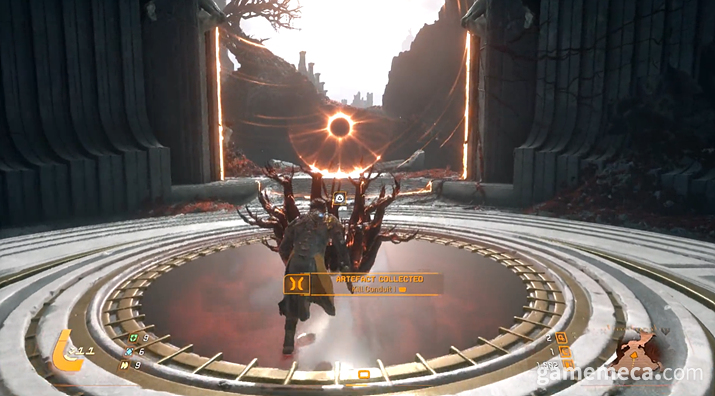
Then there’s the 'Eclipse', a mechanic that shifts the world. To progress through certain zones, you have to trigger it. Once the Eclipse starts, 'Corruption' spreads. Artifacts become more powerful, but they come with nasty debuffs. Enemies get tougher and start firing yellow projectiles—if you're hit, you lose max health to permanent 'Corruption'. Even if you unlock the ability to absorb yellow projectiles later, that corruption risk remains a constant threat.
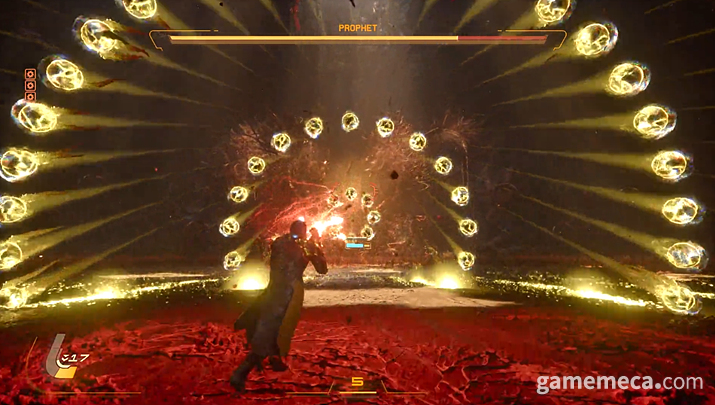
Boss fights are also a different beast compared to Returnal’s early game. The first boss, the 'Seer', spams projectiles relentlessly and demands you hit specific weak points. It took me two tries, but the phase three bullet-hell sequence was exhilarating. The second boss turned it up a notch with laser-like, multi-coloured projectile patterns, and I couldn't quite take it down. In my three hours of play, the tension never let up for a second—I cannot wait for the full release.
SAROS launches on PS5 on April 30th and will officially support Korean.
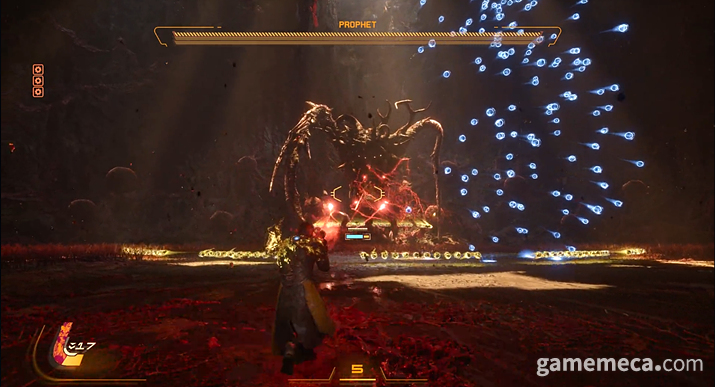
하우스마크의 TPS 로그라이크 '리터널(Returnal)'은 출시와 함께 많은 유저들의 호평을 이끌어냈다. 빠른 속도감, 매력적인 타격감, 공포를 자아내는 연출과 사운드가 어우러진 액션성이 특히 좋은 평가를 받았다. 다만 '로그라이트'라는 장르에서 오는 높은 난도, 한 판에 1시간이 이상이 소요되는 긴 플레이 타임 등에서 호불호가 나뉘었다.
그런 하우스마크가 약 5년 만에 '정신적 계승작'인 '사로스(SAROS)'를 출시한다. 31일 소니인터랙티브엔터테인먼트코리아(이하 SIEK) 본사에서 게임을 직접 플레이할 기회를 얻었는데, 리터널만큼이나 높은 액션성과 더불어 새로운 시스템으로 진입장벽도 낮춰 높은 재미를 전했다. 3시간이 눈 깜짝할 새 지나갈 정도였다.
태양이 높이 뜬 으스스한 행성 '카르코사'
사로스는 리터널의 행성 '아스트라'와 마찬가지로 상당히 기괴한 행성 '카르코사'를 배경으로 한다. 주인공은 거대 기업 솔타리 소속 집행관 '아르준 데브라지'로, 카르코사 행성에 떨어진 이전 조사 대원들의 행방을 좇기 위한 일종의 구조대로 파견된다. 물론 이는 표면적인 이유며, 아르준은 자신이 사랑하는 여인의 행방 역시 찾기 위해 집중한다.
카르코사 행성에서는 여러 기계 형태의 괴물들이 플레이어를 위협한다. 아르준은 솔타리와 카르코사 외계 기술을 모두 활용해 이들과 맞서게 된다. 그 과정에서 카르코사 행성의 기묘한 생태계를 마주하고, 기이한 비밀도 만나게 된다. 특히 카르코사는 기묘한 태양이 하늘 높이 떠 있음에도 밝고 희망찬 느낌보다는 어떤 일이 일어날지 모르는 환경으로 묘사된다.
게임 초반부 갑작스럽게 '부활'의 능력을 얻은 주인공은 기묘한 사건을 겪은 후 육체가 재구성되는데, 실제로는 며칠이 지났다는 사실을 알게 된다. 그 짧은 시간 사이 대원들이 사망하고, 일부 대원은 이상한 힘에 홀려 비행선을 파괴했다는 사실을 접한다. 이런 미지에 대한 공포가 리터널만큼이나 배경과 스토리텔링에 녹아 있다.
전작 리터널의 생태계는 기괴하면서도 동시에 주인공에 국한된 다소 개인적인 감상도 전했다. 사로스에서는 솔타리 대원들이 등장해 친근하면서도 든든한 느낌을 전했다. 하지만 짧은 플레이 동안 일부 대원의 대사나 행동이 다소 이상하게 변하는 등, 동료가 있다는 것이 꼭 안심되는 일은 아니라는 감각도 함께 전한다.
특유의 속도감 넘치는 액션 로그라이트
사로스는 개발사의 전작 리터널과 유사한 구조의 TPS 로그라이트게임이다. 플레이어는 한 자루의 총을 들고 전장에 나서며, 적이 발사하는 탄환을 피하고 적을 공격해 제거해야 한다. 회피를 적절하게 사용해 적이 흩뿌리는 탄환을 피해야 하며, 과부하(장전) 도중 듀얼센스 R2 버튼을 타이밍에 맞게 입력하면 더 빠르게 탄약이 회복된다.
여기에 아르준의 능력인 '솔타리 실드'가 더해진다. 아르준은 에너지 실드를 펼쳐 적의 투사체를 흡수할 수 있다. 주의할 점은 초기에는 푸른색의 투사체만 흡수할 수 있다는 점이다. 붉은색과 노란색의 투사체는 흡수가 불가능해 실드를 펼치면 오히려 피해를 입고 실드 능력을 잠시 잃을 수도 있다.
또 실드 에너지가 일정량 이상 채워지면 파워웨폰을 사용할 수 있다. 리터널의 '보조 사격'과 유사한 강력한 특수 능력으로, 실드 에너지만 차 있다면 쿨타임이 없으며, 사용 시 강력한 원거리 폭발탄을 발사하거나, 적을 감염시키는 실을 발사하는 등 장착한 파워웨폰마다 다른 효과를 보유했다.
실드는 사로스의 전투를 다채롭고 또 정신없게 만든다. 실드는 버튼을 누르면 잠시 딜레이 후 펼쳐지기 때문에 투사체 속도를 고려한 빠른 판단이 필요하다. 또 노란 투사체, 붉은 투사체를 동시에 사용하는 엘리트 몬스터나 보스 상대로는 실드를 주의해서 사용해야 한다. 일반적인 총기의 피해량이 파워웨폰 대비 약하기 때문에, 실드 에너지를 충전하지 못하는 상황이 온다면 상당히 난감해진다.
영구적인 성장 등, 리터널에서 변화한 게임성
실드 외에도 여러 요소들이 리터널과 달라졌다. 우선 체력이 모두 차 있을 때 회복약을 섭취하면 최대 내구도가 상승했던 리터널과 달리, 이제는 재화(루세나이트)를 지급하는 것으로 변경됐다. 대신 적들을 처치했을 때 내구도, 동력(에너지) 등의 수치를 상승시키기 더 쉬워졌고, 인게임 재화가 다른 방식으로 활용되며 중요도를 더했다.
또 사망 시 '영구적 강화' 요소가 도입됐다. 전작과 달리 재화를 소모하는 상점이나 아티팩트 제작이 사실상 거의 없다. 대신 사망해도 루세나이트 일부만을 잃어버리며, 이를 업그레이드 장치(프라이머리)에서 소모해 캐릭터 자체를 강화할 수 있다. 업그레이드를 통해 스테이지 시작 시 무기 숙련도, 내구도를 높이는 등 캐릭터의 기초 체급을 올려 클리어를 쉽게 만들 수 있다.
여기에 더해 업그레이드를 통해 새로운 기능을 해금할 수도 있다. 일반 재화가 아닌 '할시온'이라는 특수 재화를 소모하는 업그레이드 중에서는 사망 시 1회 부활, 리터널과 유사한 '아드레날린' 시스템 언락, 노란 투사체 실드로 흡수 등 게임 플레이 자체를 뒤바꿀 정도로 파격적인 것들도 포함됐다. 그만큼 반복 플레이 자체에 이점이 생기며, 부담 없이 게임에 도전할 계기를 마련한다.
여기에 더해 플레이 타임 역시 제어했다. 사로스에서는 한 보스를 클리어한 후 다른 지역이 개방되면, 거점에서 곧바로 새로운 지역으로 갈 수 있다. 1스테이지를 다시 클리어하는 복잡한 과정을 거칠 필요 없으며, 반대로 게임을 종료하거나 사망해도 다시 빠르게 게임을 시작할 수 있도록 한다. 리터널에서 지적된 진입 장벽을 높이는 문제를 상당수 개선한 것으로 풀이된다.
진입 장벽은 낮아졌지만, 여전히 어렵고 쫄깃하다
이렇게만 묘사하면 마치 사로스가 상당히 쉬운 게임처럼 느껴질지 모른다. 하지만 외발자전거에 보조 바퀴를 달아도 타는 것이 매우 어렵듯, 사로스는 이런 부가 요소들이 없다면 어렵도록 설계됐다. 우선 전반적인 속도감이 전작 이상으로 빠르고, 플랫포밍 함정이 전작보다 더 빠른 시점에 나와 초반부터 섬세한 조작을 요구한다.
적들의 전투력도 향상됐다. 파워웨폰을 제대로 사용하지 못한다면 특히 초반에는 매우 고전하기 십상인데, 리터널에서는 근접 무기가 상당히 강력했던 반면 사로스에서는 보조적인 역할에 그친다. 때문에 초기 무기로는 잡몹 제거에 상당한 시간이 소요된다. 또 실드가 생긴 덕분인지 적의 투사체 수가 크게 늘었고 속도도 상당해 실드 활용에 능숙해져야만 한다.
여기에 더해 '일식'이라는 강력한 세계 변화가 더해진다. 특정 구역을 지나기 위해서 플레이어는 무조건 일식을 활성화해야 한다. 일식이 시작되면 '타락'이 곳곳에 더해지는데, 아티팩트 아이템에 붙는 효과가 강력해지는 대신 디버프가 추가된다. 또 적의 체력이 더 높아지고 노란색 투사체를 사용하는데, 이에 피격당하면 최대 체력의 일부가 '타락'하며 회복 불가능에 빠진다. 이후 업그레이드를 통해 노란 투사체도 실드로 흡수할 수는 있지만, 타락 수치는 여전하기에 주의를 요한다.
보스전 역시 리터널의 초반부와는 상당히 다른 양상으로 전개된다. 첫 보스 선견자부터 투사체를 쉴 새 없이 흩뿌리며, 약점을 노려야 하는 등 공략을 요구한다. 두 번의 트라이 끝에 클리어할 수 있었지만, 특히 3페이즈의 투사체 연속 공격은 상당한 박진감을 전했다. 두 번째 스테이지 보스는 여기에 한술 더 떠 형형색색의 투사체를 레이저처럼 연속으로 쏘는 등 강력한 패턴을 선보였고, 아쉽게도 클리어하지 못했다. 체험하는 약 3시간 동안 손에 땀을 쥐는 긴장을 놓을 수 없는 전투가 이어져 출시가 기대됐다.
사로스는 4월 30일 PS5로 출시되며, 한국어를 공식 지원한다.
This news was translated by AI.

I will always love games. skyanze@gamemeca.com
RECOMMENDED NEWS
MOST POPULAR NEWS
- [G-STAR 26] CDPR Joins, Full Outline of Participating Companies Revealed
- Cats and Soup Festival to Open at Starfield Hanam for its 10th Anniversary
- KRAFTON Suspends Development of Extraction Shooter [PUBG: Black Budget]
- [Today's steam] Ace Combat 8 hits No. 1 in popularity from early play
- Celebrating 30th Anniversary, McDonald's Happy Meal 'Pokemon Card' Coming Soon
- ArcheAge Chronicles to Reveal PvP at Steam Next Fest
- Today's steam: 'Dressmaker', which even received a user Korean patch, is becoming a hot topic day after day
- To Curb Political Controversy, Paradox Prohibits 19th-to-20th Century Historical Figure Profiles
- EU Reveals 'Ultra-Strong' Game and SNS Regulations for Youth Protection
- Phantom Blade Zero and Call of Duty Lead a Wave of Blockbusters: October's Most Anticipated Games
MEDIA PARTNERSHIPS



GAMEMECA SNS


 GAMEMECA GLOBAL SITE