
Insomniac: “We Are Showing an Unrelenting and Aggressive Wolverine”
인섬니악 “끝없이 공격하는 저돌적인 울버린 보여준다”
2026.08.21 15:39 UTC+9

AI Summary
Insomniac's Marvel's Wolverine launches September 15. The game pivots to a linear, gritty narrative structure. Logan's combat focuses on visceral, close-quarters action.
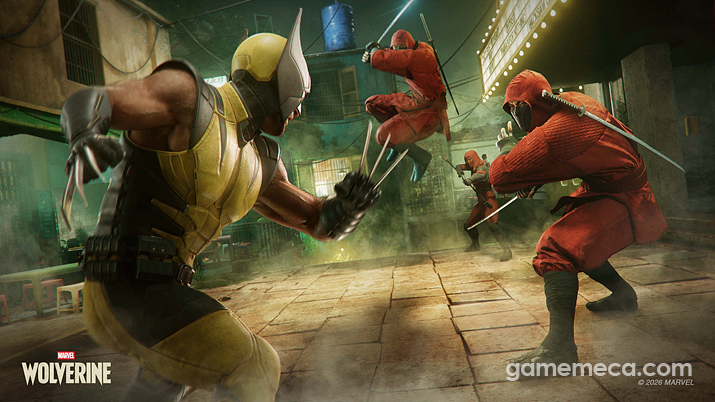
After leaving a lasting impression with the Ratchet & Clank and Marvel's Spider-Man series, Insomniac Games is set to launch Marvel's Wolverine as a PS5 exclusive on September 15. Shedding the open-world skin of its predecessor, the studio has opted for a linear structure, promising a gritty, blood-soaked experience. With such a drastic pivot, fans are naturally buzzing about how Insomniac Games will interpret the iconic mutant. To get the lowdown, we sat down with Creative Director Marcus Smith on the 21st.
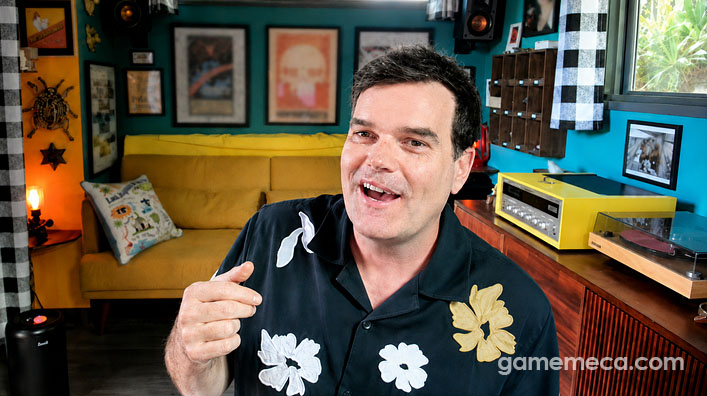
Q. When shifting from the Marvel's Spider-Man series to Marvel's Wolverine, what was the first development philosophy you felt needed a complete overhaul? Conversely, were there any lessons from the previous games that remained core to this project?
Director Smith: The biggest takeaway from developing Marvel's Spider-Man was that the character's core essence must define the player experience. While that philosophy remains, the fundamental differences between Logan and Spider-Man necessitated a shift in approach.Spider-Man is an agile hero, zipping through New York at 30 meters per second. Logan, however, is weighed down by his adamantium skeleton; he is far from nimble. Because he uses sharp claws for close-quarters combat, we had to pull the camera in much closer to capture the cinematic intensity. Furthermore, Logan is a nomad, not tied to a single locale. That required a tighter, more intimate narrative, which led us to choose a linear path over an open world.
Q. How did the linear progression affect the design of the content?
Director Smith: It allowed us to weave level design and narrative much more tightly. We could provide a massive combat arena and then pepper in static moments where players can catch their breath and immerse themselves in the story. In an open world, player movement is unpredictable, but a linear space lets us craft the mission flow with much more precision.Insomniac Games has built up plenty of know-how for linear missions, going back to the Ratchet & Clank and Spyro days. Despite the linear path, there is still plenty to explore, from finding collectibles to gathering materials for suit crafting. We have also included features like mission replay at different difficulties and a New Game Plus mode right from the start.
Q. There are concerns that the shift from open-world to linear might shrink the playtime. What is the expected total duration?
Director Smith: Every player tackles games differently, so I am hesitant to throw out an exact average. However, the time required to complete the game is in line with what you would expect from a typical AAA narrative-driven title.
Q. The combat seems inspired by free-flow systems, yet it feels less fluid than the Spider-Man series. The scope of engagement feels tighter—was that an intentional design choice?
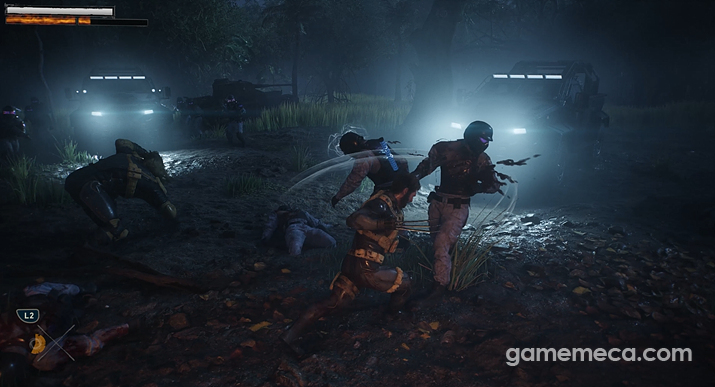
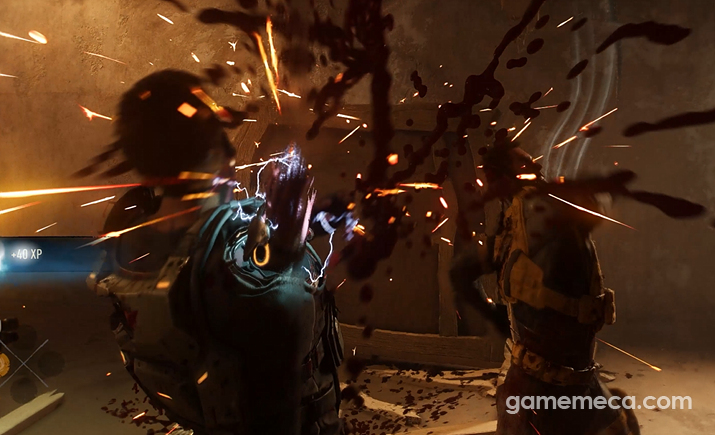
Director Smith: That is because the fundamental fighting styles differ. Spider-Man uses webs for acrobatic, mid-air combat. Wolverine, on the other hand, relies on raw power—punches, claws, kicks, and headbutts. While the combat is visceral and close-range, there is naturally less variety in ranged attacks.Consequently, Wolverine's combat is focused on juggling enemies in close quarters, managing health, and building up rage to finish them off quickly. It is not just about punching; you can use the environment, like impaling foes with a forklift. Both the combat system and enemy design were built with that intimate, hard-hitting feel in mind.
Q. Balancing the healing factor was likely difficult—you want it to feel powerful without making the player feel invincible. How did you approach this system?
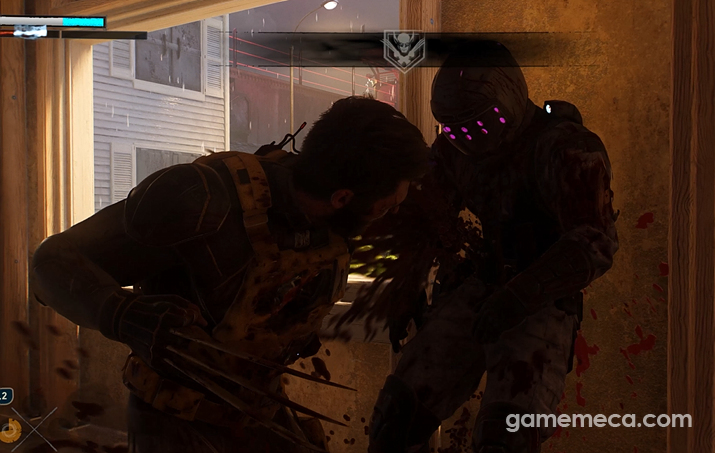
Director Smith: Early in development, we tested a standard passive health regeneration system, but just waiting for health to tick back up did not feel like Logan. Conversely, a system where players trigger rage whenever they want was fun but made the character too overpowered, which clashed with the lore of Logan struggling to control his inner rage.After much trial and error, we combined the two. You have to attack enemies to build up a rage meter, which you then spend to regenerate health. It forces players to stay aggressive to survive. We also spent a massive amount of time tuning enemy health and patterns to maintain that perfect level of tension.
Q. The blood and violence are quite realistic. What was the standard for setting the intensity of these visuals?
Director Smith: Gore was essential to stay true to the character of Wolverine. Of course, we have included extensive accessibility options so players who are uncomfortable with dismemberment or heavy blood can tone it down or turn it off entirely.Rather than setting a strict rule, we found the sweet spot through constant iteration. For example, having Wolverine enjoy torturing enemies would be off-brand. Logan is efficient and violent when someone blocks the path, but Logan is not a sadist.We were also careful not to humanize the enemies too much. If you eavesdrop on henchmen talking about their families or daily struggles, it creates a moral burden for the player. The enemies need to be a clear threat to the player.
Q. Beyond visual brutality, what elements make the player truly feel like they have become Wolverine?
Director Smith: It required a multi-faceted approach. First, we wanted to capture the tenacity of someone who feels every punch and gunshot but keeps getting up. We implemented animalistic senses, allowing the player to track enemies by sounds and smells that normal humans would miss. Also, players can choose to charge in, claws out, or stealthily pick off enemies from the brush. We rewarded aggressive play with the rage meter and cinematic takedowns.
Q. Spider-Man is high-energy and lighthearted, while X-Men stories are notoriously darker. How did this influence the storytelling?
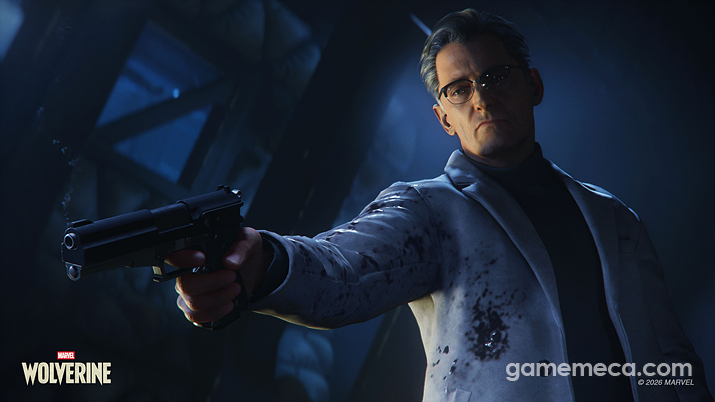
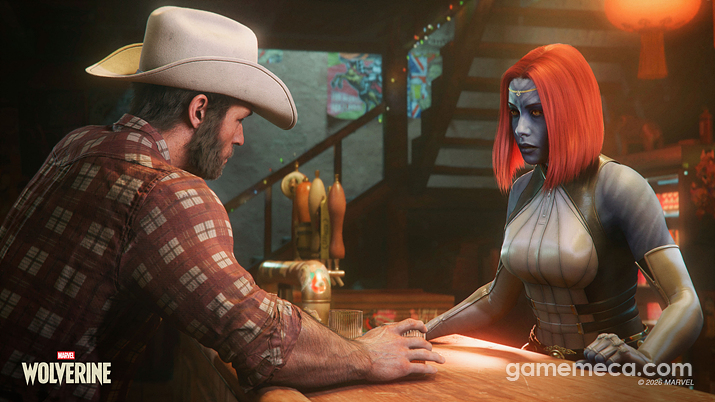
Director Smith: Wolverine is a complex character grappling with fragmented memories and an identity crisis. Logan constantly questions whether Logan is a weapon, a human, or a mutant. To properly capture that dark narrative and the violence of the claws, we knew early on that this would be a mature-rated experience.While this is a Marvel game and needs to be entertaining, Logan is not the quip-happy hero that Peter Parker is. So, we paired Logan with characters who would create emotional friction. We placed Sabretooth in the mix to force conflict, and balanced it out with the neutral stance of Mystique. This allowed us to dive deeper into the conflict between humans and mutants.
Q. Among the vast X-Men roster, what was the criteria for selecting characters for this game?
Director Smith: Initially, we brainstormed who was essential to fulfill the Wolverine fantasy. However, as the narrative evolved, some characters were dropped because they required too much exposition to explain their Marvel lore, or they simply did not fit the conflict with Logan.Even if a character was important early on, we cut them if they didn't serve the flow. Conversely, some smaller roles grew as they became vital to the overall story. It is standard game development: lots of trial and error to get the current roster right.
Q. Jean Grey is depicted as an incredibly powerful figure in the source material. Balancing that narratively must have been a challenge.
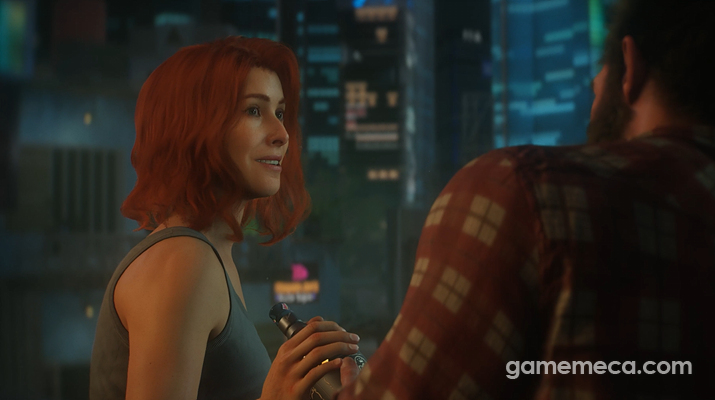
Director Smith: Dealing with Omega-level mutants in superhero games is a balancing nightmare. So, in this game, Jean Grey is set at a point where the character is not yet comfortable with those abilities. In a world where mutants have to hide their identities, Jean Grey never had the chance to practice, so when the player first meets Jean Grey, Jean Grey is not yet the god-like, fully realized mutant.
Q. Marvel's Wolverine shares the same universe (Earth-1048) as Marvel's Spider-Man. Will there be nods to the other game?
Director Smith: There are no direct crossover events planned where Spider-Man and Wolverine meet. However, observant players will find plenty of familiar traces in the game that confirm we inhabit the same world. We have planted seeds that we can build upon if the opportunity arises.
Q. Wolverine has sported many looks across comics and films. How did you decide on the costumes for the game?
Director Smith: Giving the player choice was our top priority. Personally, I love Logan in a simple, cozy flannel shirt (laughs). We prepared various outfits inspired by comics, TV shows, and films so players can play as their preferred version of Logan. Of course, there are also suits designed specifically for this game.While we kept iconic features like the mask and claw shape familiar, we experimented with color palettes and details. We even included suits designed by Marvel artists specifically for this project, and I hope fans enjoy both the classics and the new designs.
Q. Finally, a word for the Korean fans who are waiting for Marvel's Wolverine.
Director Smith: The entire team at Insomniac Games is thrilled to share this project with fans around the world. I hope you connect deeply with the human struggles and the narrative that Logan and the mutants face. I cannot wait for everyone to jump in and experience this world for themselves.
'라쳇 앤 클랭크', '마블 스파이더맨' 시리즈로 깊은 인상을 남긴 인섬니악게임즈가 오는 9월 15일 ‘마블 울버린(Marvel’s Wolverine)’을 PS5 독점으로 출시한다. 오픈월드에서 벗어나 선형 구조를 선택했고, 혈흔이 난무하는 잔혹 액션을 선보인다. 기존과 많은 부분이 달라진 만큼 인섬니악게임즈가 그려낼 울버린은 어떤 모습일지 많은 팬이 궁금해하고 있다. 이에 대해 21일 진행된 개발자와의 인터뷰를 통해 자세히 들어봤다. 인터뷰에는 인섬니악게임즈 마커스 스미스 크리에이티브 디렉터(이하 마커스 디렉터)가 참여했다.
Q. '마블 스파이더맨' 시리즈에서 '마블 울버린'으로 넘어오면서 가장 먼저 바꿔야 한다고 생각했던 개발 방식은 무엇이었는지? 반대로 전작을 개발하며 얻은 경험 가운데 이번 작품에도 그대로 이어간 부분이 있는지 궁금하다.
마커스 디렉터: '마블 스파이더맨'을 개발하면서 얻은 가장 큰 교훈은 캐릭터의 핵심 본질을 플레이어 경험으로 온전히 구현해야 한다는 점이다. 이러한 기조는 이번 작품에도 그대로 이어졌지만, 로건(울버린)과 스파이더맨 두 캐릭터의 근본적인 차이점 때문에 많은 부분에서 변화가 필요했다.스파이더맨은 뉴욕이라는 무대에서 초당 30미터를 날아다니는 민첩한 영웅이다. 반면 로건은 아다만티움 골격 탓에 몸이 매우 무겁고 움직임이 빠르지 않다. 그리고 날카로운 발톱으로 적을 처리하기 때문에, 시네마틱한 연출을 보여주려면 카메라를 훨씬 가깝게 당겨야 했다. 또한 로건은 한 지역에 머물기보다 세계 여러 곳을 돌아다니는 모험가라는 점도 달랐다. 결국 훨씬 더 밀도 있고 개인적인 서사가 필요했고, 그 결과 오픈월드 대신 선형 플레이로 결정했다.
Q. 선형 진행 방식이 콘텐츠 설계에는 어떤 영향을 미쳤는가?
마커스 디렉터: 레벨 디자인과 내러티브를 더욱 밀접하게 결합할 수 있었다. 거대한 전투 공간을 제공한 뒤, 플레이어가 잠시 숨을 고르며 서사에 몰입할 수 있는 정적인 순간을 배치하는 식의 완급 조절이 가능해졌다. 오픈월드에서는 플레이어의 동선을 예측하기 어렵지만, 선형적 공간에서는 미션의 흐름을 더욱 섬세하게 기획할 수 있었다.인섬니악게임즈는 과거 '라쳇 앤 클랭크'나 '스파이로' 시리즈를 통해 이러한 선형적 미션 개발에 대한 노하우를 오래 쌓아왔다. 선형적이라 해도 맵 곳곳에서 수집품을 찾거나 슈트 제작 재료를 얻는 등 탐험 요소는 충분하다. 게임 초반부터 원하는 미션을 다른 난이도로 다시 즐길 수 있는 기능이나 뉴 게임 플러스 모드도 지원한다.
Q. 오픈월드에서 선형 진행 방식으로 바뀌며 플레이 타임이 줄었을 것이라는 우려가 있다. 전체적인 플레이 타임은 어느 정도인가?
마커스 디렉터: 플레이어마다 게임을 즐기는 방식이 달라서 정확한 평균 플레이 타임을 수치로 확언하기는 조심스럽다. 하지만 게임을 완료하는 데 걸리는 시간은 AAA급 내러티브 중심 게임이 일반적으로 제공하는 수준과 비슷하다.
Q. 전투는 프리 플로우 시스템의 영향을 받은 것 같지만, 스파이더맨처럼 물 흐르듯 이어지는 느낌은 상대적으로 적었다. 전투의 범위가 좁아진 느낌인데, 이렇게 의도한 이유가 무엇인가?
마커스 디렉터: 캐릭터의 근본적인 전투 방식이 다르기 때문이다. 스파이더맨은 거미줄을 이용해 공중전을 펼치고 적을 벽에 붙이는 등 아크로바틱한 전투를 선보인다. 반면 울버린은 주먹과 발톱, 발차기, 박치기 등 무력 그 자체를 사용한다. 근접적이고 본능적인 전투를 펼치지만, 원거리 대처 등 공격 방식의 다양성은 상대적으로 적을 수 밖에 없다.따라서 울버린의 전투는 근접전 안에서 적들을 저글링하며, 어떻게 체력을 유지하고 분노를 모아 빠르게 처리할 것인지에 맞춰져 있다. 단순히 주먹질만 하는 게 아니라, 지게차에 적을 차서 찔러 죽이는 등 주변 환경을 이용한 처형 액션도 있다. 전투 시스템과 적 디자인 모두 이런 밀접하고 타격감 있는 방식을 염두에 두고 설계했다.
Q. 힐링 팩터 능력은 무적이 된 것처럼 느끼지 않으면서도 강력함을 유지하는 밸런스가 중요했을 것 같다. 이를 게임 시스템으로 구현할 때 어떤 부분을 고려했는지?
마커스 디렉터: 개발 초기에는 여타 게임들처럼 전투에서 물러나면 체력이 서서히 회복되는 방식을 테스트했다. 다만 체력이 찰 때까지 기다리는 얌전한 모습은 로건다운 전투가 아니었다. 반대로 플레이어가 원할 때 분노를 터뜨리는 시스템은 재미는 있었지만, 캐릭터를 너무 강력하게 만들었다. 분노를 스스로 통제하지 못하는 로건의 설정과도 어긋났다.수많은 시행착오 끝에 두 요소를 결합했다. 적을 공격해 분노 게이지를 쌓고, 체력이 떨어지면 이를 소모해 체력을 회복할 수 있게 만들었다. 끊임없이 공격해야 생존할 수 있도록 구성한 셈이다. 여기에 플레이어가 압도당하지 않으면서도 적당한 긴장감을 유지할 수 있도록, 적 체력과 패턴을 미세하게 조정하며 전투 밸런스를 잡는 데 가장 많은 개발 시간을 투자했다.
Q. 발톱으로 적을 베거나 찌르는 등 유혈과 폭력 묘사가 꽤 사실적으로 표현됐다. 수위 조절은 어떤 기준으로 이뤄졌는지?
마커스 디렉터: 울버린이라는 캐릭터에 충실하기 위해 유혈 표현은 필수적이었다. 물론 신체 절단이나 유혈 표현에 심한 거부감을 느끼는 이용자를 위해 이를 끄거나 줄일 수 있는 접근성 옵션도 철저히 마련해 두었다.특정 기준을 정해놓고 작업했다기보다는, 직접 여러 가지를 시도해 보며 적정선을 찾았다. 예를 들어 울버린이 적을 잔인하게 고문하며 즐거워하는 모습은 캐릭터 본질과 어긋난다. 그는 자신의 목표를 가로막는 자를 효율적이고 폭력적으로 처치할 뿐, 가학적인 캐릭터는 아니다.적 캐릭터에게 지나친 인간미를 부여하는 것도 경계했다. 잠입 중 적들의 대화를 엿들을 때 그들의 가족사나 일상적인 고민이 들린다면, 플레이어는 이들을 죽이는 데 도덕적인 부담을 느끼게 된다. 적들은 철저히 플레이어를 위협하는 존재여야 한다.
Q. 잔혹성을 시각적으로 강조하는 것 외에, 플레이어가 진정으로 울버린이 된 것처럼 느끼게 만드는 요소는 무엇인가?
마커스 디렉터: 다양한 접근이 필요했다. 먼저 힐링 팩터가 있음에도 모든 펀치와 총격을 온몸으로 느끼며 다시 일어나는 끈기를 표현하고 싶었다. 일반인이 감지하지 못하는 냄새와 소리를 맡고 적을 추적하는 동물적인 감각도 구현했다. 또한 플레이어는 정면으로 돌진해 발톱을 휘두를 수도 있고, 덤불 속에서 하나씩 적을 암살할 수도 있다. 플레이어가 자연스럽게 공격적인 플레이를 이어갈 수 있도록, 분노 게이지 축적과 멋진 시네마틱 테이크다운이라는 보상도 더했다.
Q. 스파이더맨은 에너지가 넘치고 가벼운 분위기를 띠는 반면, 엑스맨 이야기는 훨씬 어두운 편이다. 이런 차이가 스토리텔링에는 어떤 영향을 미쳤는가?
마커스 디렉터: 울버린은 불완전한 기억과 정체성 혼란을 겪는 매우 복잡한 캐릭터다. 자신이 무기인지, 인간인지, 아니면 뮤턴트인지 끊임없이 고뇌한다. 이러한 진지한 서사와 날카로운 발톱이 만들어내는 폭력성을 진정성 있게 담아내기 위해, 일찍부터 청소년 이용 불가 등급이 될 것임을 인지하고 개발했다.마블 게임인 만큼 오락적인 즐거움도 있어야 했지만, 로건은 피터 파커처럼 전투 중에 가볍게 농담을 던지는 유쾌한 인물이 아니다. 그래서 그와 감정적인 마찰을 빚어낼 캐릭터를 짝지었다. 도덕적 잣대가 전혀 다른 세이버투스를 같은 팀으로 배치해 갈등을 만들고, 중립 성향의 미스틱으로 균형을 맞췄다. 이를 통해 인간과 뮤턴트 간의 갈등을 더욱 깊이 있게 다룰 수 있었다.
Q. 수많은 엑스맨 캐릭터 중 게임에 등장할 인물을 선정하는 기준은 무엇이었나?
마커스 디렉터: 처음에는 울버린이라는 판타지를 완성하기 위해 꼭 필요한 캐릭터가 누구인지 브레인스토밍을 했다. 하지만 서사를 전개하다 보니 특정 캐릭터들은 게임 내에서 마블 공식 설정과 얽힌 과거사를 설명하는 데 시간이 너무 많이 소모되거나, 로건과 갈등을 일으키기에 적합하지 않았다.개발 초기에 중요도가 높았던 캐릭터라도 흐름에 맞지 않으면 과감히 제외했다. 반대로 비중이 작게 시작했던 캐릭터가 전체 서사에서 중요도가 커지면서 더 눈에 띄는 역할을 맡게 된 경우도 있다. 게임 개발이 늘 그렇듯 수많은 시도와 수정을 반복하며 현재의 캐릭터 라인업을 완성했다.
Q. 원작 속 진 그레이는 압도적인 능력을 가진 인물로 묘사된다. 이를 게임 내에 구현하면서 서사적으로 밸런스를 맞추기 쉽지 않았을 것 같다.
마커스 디렉터: 슈퍼히어로 게임을 만들 때 오메가 레벨 뮤턴트처럼 너무 강력한 영웅을 다루는 것은 밸런스 측면에서 매우 까다로운 문제다. 그래서 게임 속 진 그레이는 자신의 능력을 다루는 데 비교적 익숙하지 않은 상태로 설정했다. 뮤턴트가 정체를 숨기고 살아야 하는 세계관 특성상 그녀 역시 힘을 온전히 연습할 기회가 없었고, 플레이어가 진 그레이를 처음 만날 때는 신과 같은 능력을 지닌 완성형 뮤턴트가 아니다.
Q. 마블 울버린은 마블 스파이더맨과 같은 세계관(지구-1048)을 공유한다. 두 게임의 연결고리를 암시하는 요소를 게임 내에서 찾아볼 수 있는지?
마커스 디렉터: 스파이더맨과 울버린이 직접적으로 교차하는 크로스오버 이벤트는 예정되어 있지 않다. 다만 세심한 플레이어라면 게임 곳곳에서 두 게임이 같은 세계관임을 보여주는 익숙한 흔적을 발견할 수 있을 것이다. 훗날 기회가 생겼을 때 활용할 수 있도록 자연스러운 연결고리를 배치해 두었다.
Q. 울버린은 영화나 코믹스 등 여러 미디어에서 다양한 복장으로 등장한다. 게임에서도 복장이 꽤 다양했는데, 게임 속 의상은 어떤 과정을 거쳐 완성되었는가?
마커스 디렉터: 플레이어에게 선택권을 주는 것을 최우선으로 삼았다. 개인적으로 평범하고 따뜻한 플란넬 셔츠를 입은 로건의 모습을 가장 좋아한다(웃음). 플레이어 역시 자신이 가장 선호하는 로건으로 플레이할 수 있도록 코믹스, TV 쇼, 영화 등 여러 매체의 영향을 받은 다양한 복장을 준비했다. 물론 게임만을 위해 특별히 디자인된 슈트들도 존재한다.마스크와 발톱의 형태 등 울버린의 상징적인 특징은 친숙하게 유지하면서도 색상 배치나 디테일에서 새로운 시도를 했다. 마블 소속 아티스트들이 게임을 위해 직접 디자인한 의상들도 포함되어 있어, 기존 미디어의 인기 슈트와 신규 디자인 모두 팬들의 좋은 반응을 이끌어내기를 바란다.
Q. 마지막으로 마블 울버린을 기다리고 있는 한국 팬들에게 한 마디 부탁드린다.
마커스 디렉터: 인섬니악게임즈의 모든 개발진이 전 세계 팬들에게 게임을 선보일 생각에 매우 들떠 있다. 뮤턴트와 로건이 겪는 인간적인 고뇌와 서사에 깊이 공감하며 게임을 즐겨주시기를 바란다. 하루빨리 여러분 모두가 이 매력적인 세계를 직접 플레이하며 경험해 보셨으면 좋겠다.
This news was translated by AI.

I will greet you with a good article. niro201@gamemeca.com
READ MORE
-
 Arknights Collaboration Cafe Opens at Animate in Hongdae and Busan
-
 Is something big coming? Nikke 4th Anniversary Special Broadcast to air on the 24th at 7 PM
-
 "Cannot even log in" Steam blockades intensify in Vietnam
-
 Attracting Investment and Testing Together, Gyeonggi Game Audition to Be Held on the 15th
RECOMMENDED NEWS
MOST POPULAR NEWS
- [G-STAR 26] CDPR Joins, Full Outline of Participating Companies Revealed
- Cats and Soup Festival to Open at Starfield Hanam for its 10th Anniversary
- KRAFTON Suspends Development of Extraction Shooter [PUBG: Black Budget]
- [Today's steam] Ace Combat 8 hits No. 1 in popularity from early play
- Celebrating 30th Anniversary, McDonald's Happy Meal 'Pokemon Card' Coming Soon
- ArcheAge Chronicles to Reveal PvP at Steam Next Fest
- To Curb Political Controversy, Paradox Prohibits 19th-to-20th Century Historical Figure Profiles
- EU Reveals 'Ultra-Strong' Game and SNS Regulations for Youth Protection
- Phantom Blade Zero and Call of Duty Lead a Wave of Blockbusters: October's Most Anticipated Games
- [Game Rank Analysis] Genshin Impact Returns as the Subculture Emperor, Surpassing Wuthering Waves
MEDIA PARTNERSHIPS



GAMEMECA SNS


 GAMEMECA GLOBAL SITE