
A Remake That Snipes Newbie Nostalgia, Trails in the Sky the 2nd
뉴비 감성 저격한 리메이크, 하늘의 궤적 세컨드
2026.09.03 15:00 UTC+9

AI Summary
Trails in the Sky Second delivers a remarkable remake that blends deep narrative emotional weight with sharply elevated combat difficulty. Estelle's journey to find Joshua and thwart Ouroboros shines with modern presentation and improved tactical depth. Veterans and newcomers alike will find a rewarding, challenging adventure well worth experiencing.
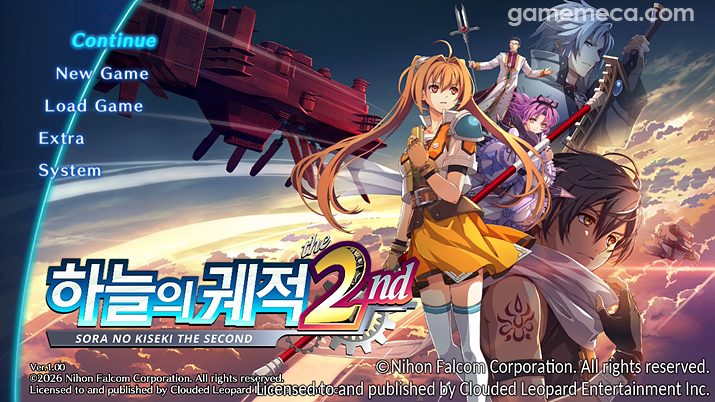
Released 2025 September, Trails in the Sky the First was hailed as a genuinely solid remake. By taking the universally loved elements of the original narrative and combat system, and fusing them with the quality-of-life features and snappy combat pace of the series' latest entries, it carved out an ideal entry point for newcomers diving into a nearly two-decade-long journey.
Slated to launch on September 17, Trails in the Sky the Second (hereafter Trails in the Sky Second) arrives just a year later. Picking up right where its predecessor's ending left off, the original version was even better received than the first game, kicking off the franchise's runaway popularity in earnest. Naturally, I had to dive in and see for myself whether Trails in the Sky Second manages to live up to that storied legacy.
A Tale of a Girl Seeking a Boy
Trails in the Sky Second essentially balances itself on two narrative pillars. The first follows the protagonist Estelle as she tracks down Joshua, while the second involves thwarting the shadowy schemes of the Ouroboros society. The real charm of Trails in the Sky Second lies in how smoothly these dual threads intertwine to drive the plot forward.
Because of this, the structure of each chapter feels somewhat uniform at first glance. Arriving in a new town, you are invariably greeted by some bizarre incident presumably orchestrated by Ouroboros. Investigating leads you straight to an Enforcer or Anguis suspected of pulling the strings. Once you trade blows with them, you either secure a clue regarding Joshua's whereabouts or trigger a similar crisis in the next settlement.
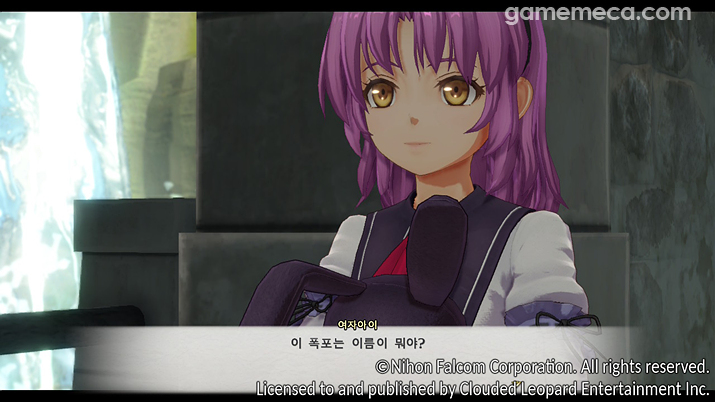
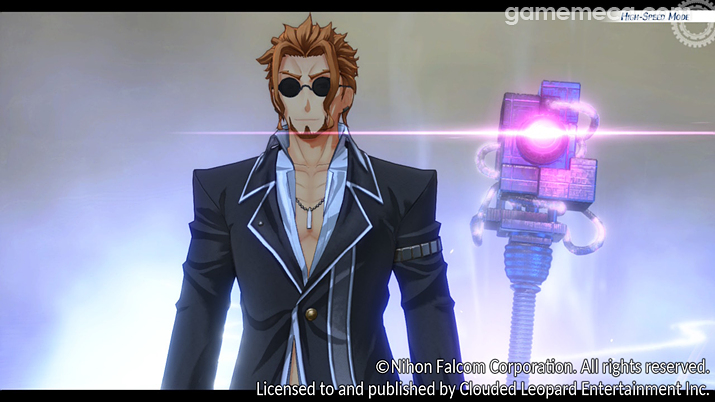
Naturally, this journey peels back layers of betrayal and plot twists. Granted, seasoned fans of the Trails series will already know the true identities of these Enforcers and Anguis, but for everyone else, the unfolding drama holds genuine appeal. What strikes me, especially coming from other titles in the franchise, is just how many Enforcers were introduced right from Trails in the Sky First and Second. It offers a fascinating peek into Nihon Falcom's long-term world-building, utilizing these figures heavily rather than treating them as disposable throwaways.
You might worry that this episodic structure risks becoming repetitive, but Trails in the Sky Second shakes things up via an array of side quests. True to the ethos of a bracer—essentially a high-end mercenary outfit—tasks range from standard monster extermination to decidedly mundane errands like tracking down lost felines or misplaced wedding rings. Along the way, Falcom injects its trademark brand of cheeky humour.
Where Tightly Woven Narratives Meet Modern Direction
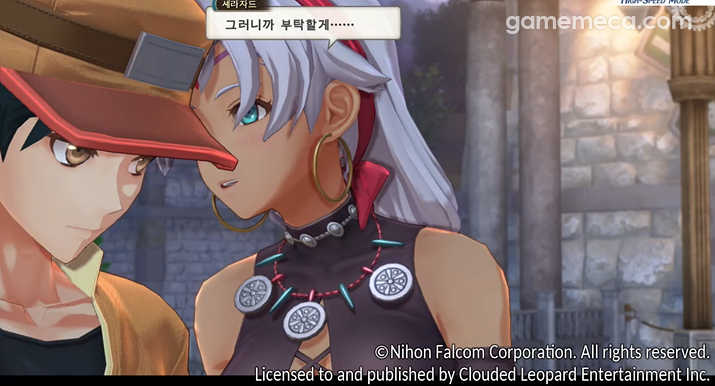
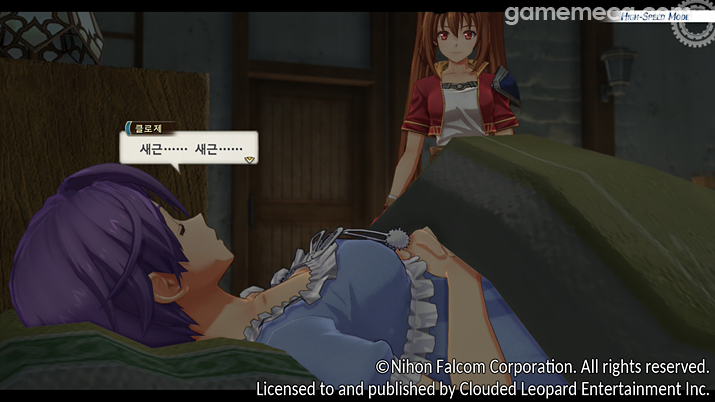
One aspect of Trails in the Sky Second that truly deserves applause is its presentation, hand-in-hand with the writing. From Estelle's initial heartbreak over parting with Joshua, the character expressions and vocal performances represent a massive leap forward compared to past iterations. Starting with Ys X: Nordics and rolling straight into The Legend of Heroes: Kai no Kiseki and the Trails in the Sky remakes, you can physically see Falcom's technical prowess and directorial confidence levelling up.
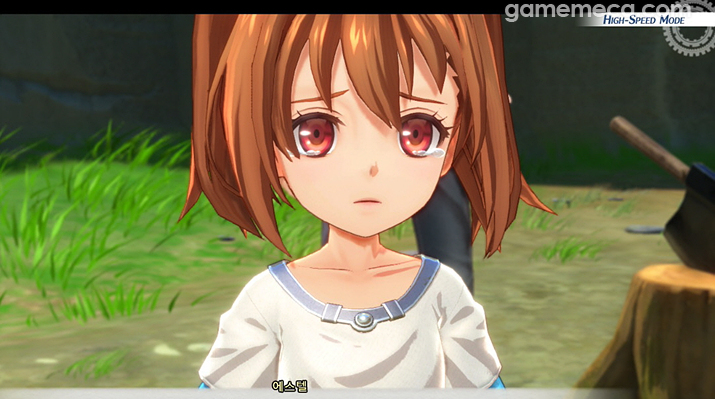
Chapter 4's main storyline, in particular, demonstrates precisely what it means to remake a classic. As Estelle glimpses into the past, sequences depicting a younger Estelle, heartfelt exchanges with family, and the grueling process of overcoming trauma echo the original Trails in the Sky SC while translating it into a modern visual language that packs an emotional punch.
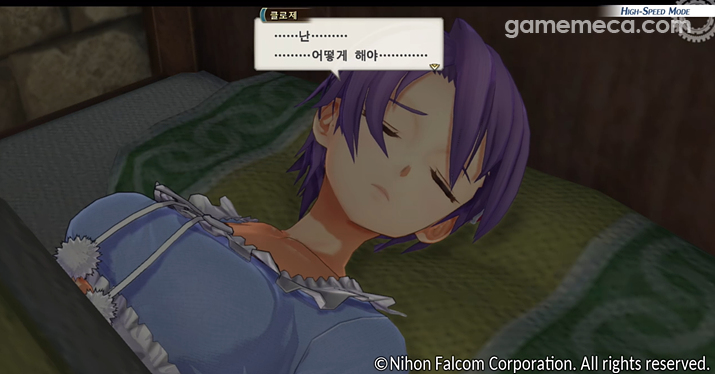
Side quests also benefit heavily from this heightened presentation. Certain missions reward you with extra dialogue and better loot if you hunt down hidden secondary objectives, lending a welcome dose of realism to the concept of taking on 'contracts.' Even the most trivial side activities show clear effort in injecting immersion through dialogue. Characters sport unguarded facial expressions, casual everyday outfits, and charming character moments, alongside various costumes designed to give the fandom plenty to obsess over.
That said, translating some of these elements into a 3D environment introduces a few awkward friction points. Prime examples include the Phantom Thief B's repetitive treasure hunt quests and Renne's one-off game of hide-and-seek. Both are fun the first time or two, but because the hidden spots are often invisible to the naked eye, you end up awkwardly shuffling around until an interaction prompt finally appears.
Combat That Demands Real Strategy
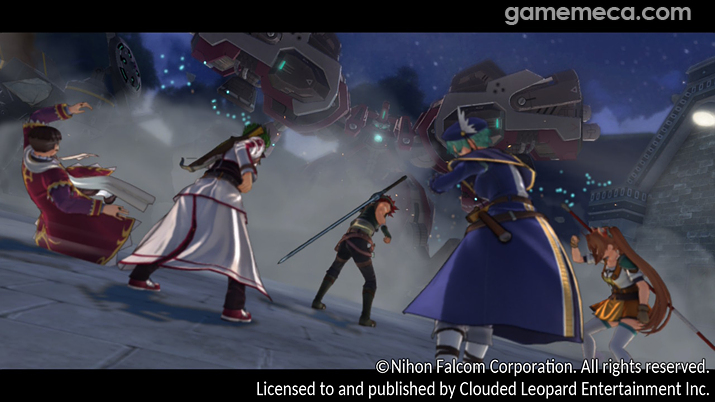
The combat encounters have received a noticeable spike in difficulty compared to the previous game. In Trails in the Sky First, you rarely had to break a sweat during standard scraps. While certain bosses and Enforcers naturally packed a punch, their high difficulty made narrative sense and they could generally be managed without pulling your hair out.
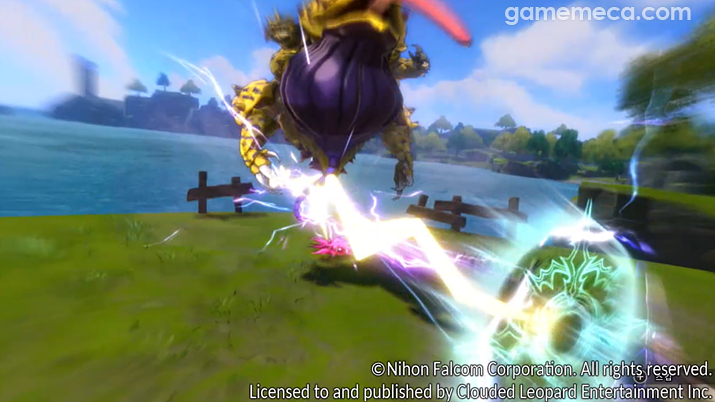
In Trails in the Sky Second, however, enemies flex serious combat muscle right out of the gate. For starters, even the tutorial dungeon boasts a sprawling scale. Regular mobs feature beefy physical defense stats that render standard physical strikes practically useless, and in worst-case scenarios, they even pack 'reflect' crafts. Bosses—led by the formidable Enforcers—go without saying, demanding absolute mastery over special gimmicks and punishing status ailments.
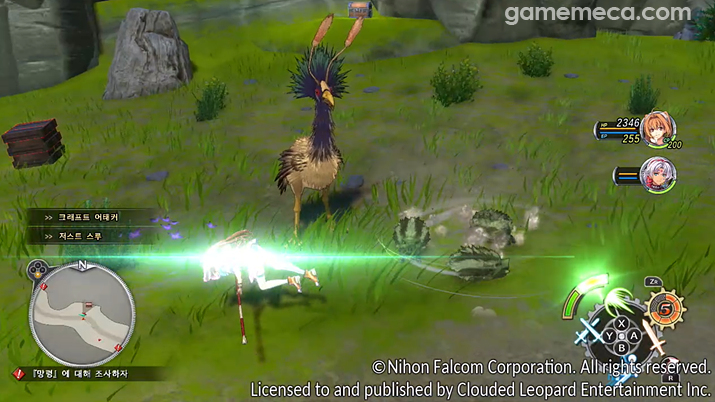
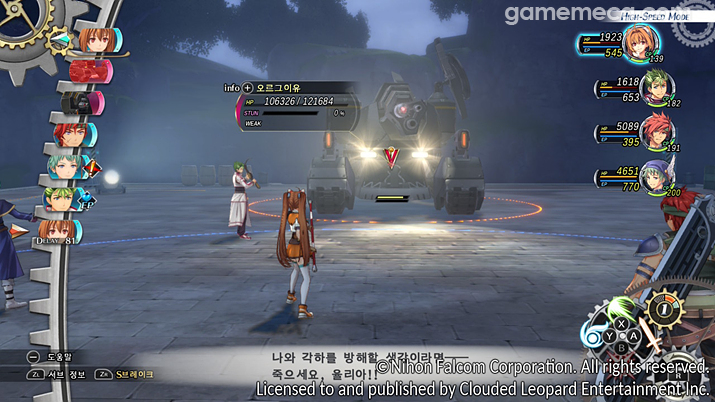
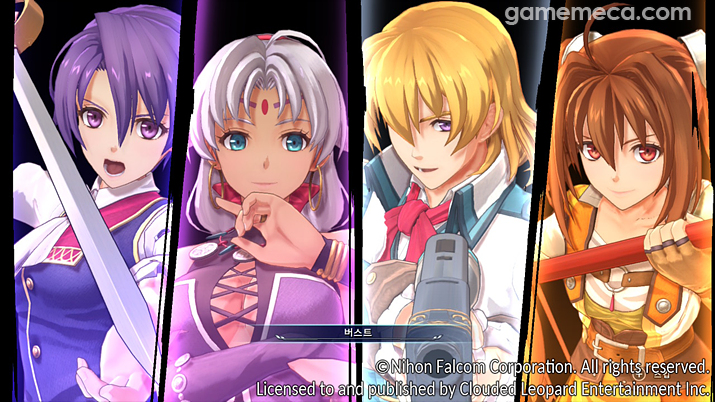
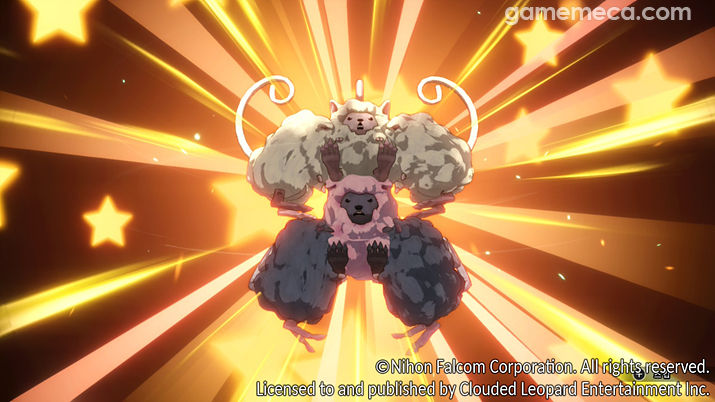
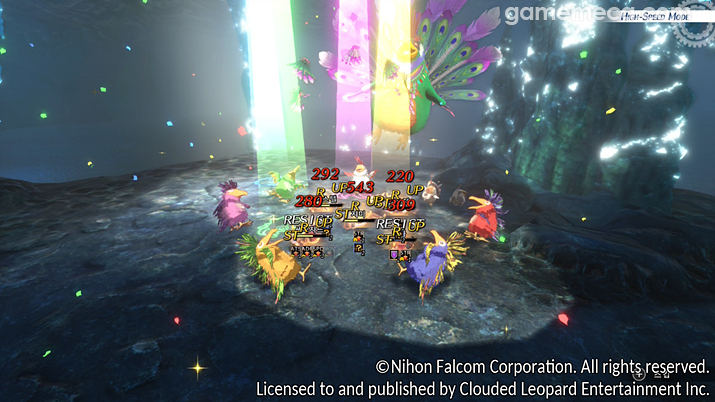
While the main story bosses show at least a shred of mercy, certain side quest bosses exist purely to humble you. The 'Divine Pingu' stands out as an absolute nightmare; even if you wipe out its underlings first, it casually recasts 'Samba de Pingu' to summon backup, throwing your entire party into confusion while dragging everyone into the centre for a wicked follow-up pattern. On occasion, it spungs Samba de Pingu back-to-back, followed immediately by an S-Break that leaves even Kloe's S-Craft struggling to keep the team alive. I'll admit it—I swallowed my pride and dropped the difficulty to Easy just to put down the Divine Pingu.
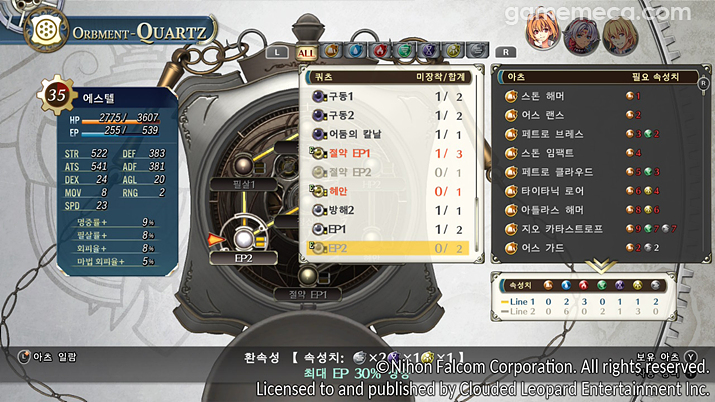
Fortunately, this steep difficulty curve flattens out as you progress, especially once you lean harder into Arts rather than relying solely on Crafts. Trails in the Sky Second grants access to a wonderfully diverse pool of offensive Arts; even with Estelle alone, quartz customization lets you tap into high-tier elemental magic by the mid-game. Strategies like stealing Zero Arts bonuses or carefully plotting magic AoEs over enemy coordinates become mandatory. While other entries in the Trails series let you lean heavily on Crafts due to Arts casting delays, Trails in the Sky Second forces you to distribute and utilize Arts properly.
Robust Secondary Activities
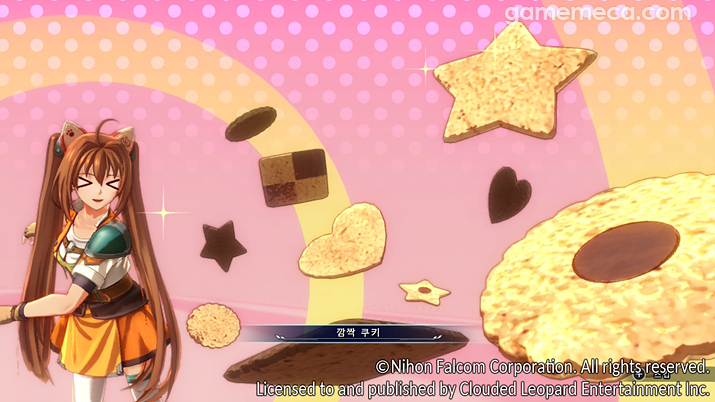
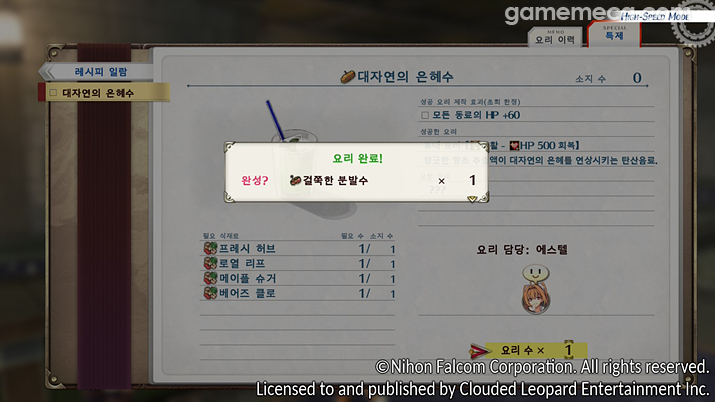
Cooking and fishing step up as newly emphasized side features in Trails in the Sky Second. While cooking existed in the previous game, its importance has clearly scaled up. Because overall difficulty has risen, situations where you need to instantly bail out the party using Kloe's or Kevin's S-Crafts pop up frequently, driving up the value of CP-recovery dishes. Furthermore, 'party dishes' that apply temporary buffs to the entire roster make gathering diverse culinary ingredients genuinely worthwhile.
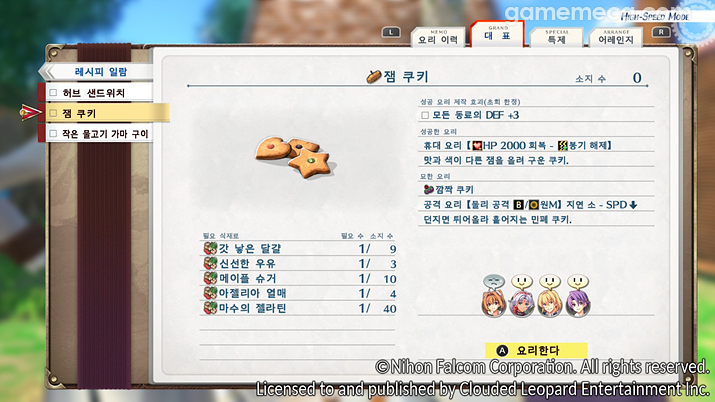
Failed cooking attempts lean into a delightfully comedic style. Most yield attacks hurled at enemies or erratic fire-breathing animations, and 'peculiar dishes' generally offer effects slightly worse than the originals rather than outright offensive utility. Still, a few peculiar dishes carry unique values—for instance, 'The Skeletal,' a botched version of 'The Substantial,' trades away stat boosts and health restoration for an extra 5 CP recovery, making it a situational favourite over the base recipe.
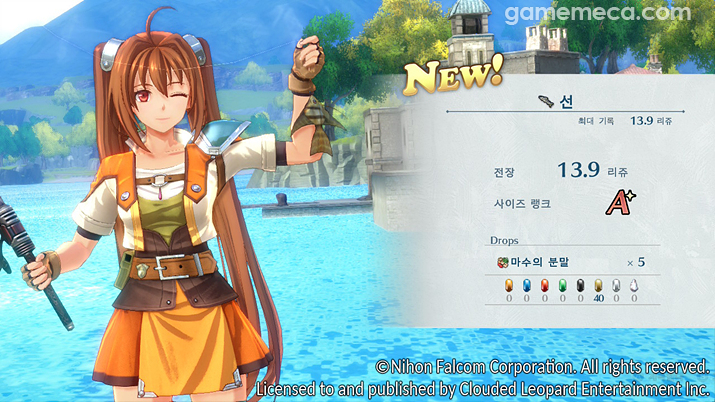
Fishing similarly breaks up the relentless loop of hunting monsters and grinding quests. As you push through the campaign, you acquire multiple fishing rods, each compatible with specific baits that hook different varieties of fish. Bait acquisition feels somewhat limited since you rely on slaying monsters or clearing quests, but in a neat twist, you can actually reuse caught fish as bait, creating a delightfully endless loop.
To wrap things up, Trails in the Sky Second delivers a sophomore remake that comfortably outshines mere nostalgia. Estelle's crusade to shatter the society's conspiracies and track down Joshua is rendered in a style fitting for 2026, capturing the raw emotional weight of the original material. Meanwhile, the combat has been tuned sharper and tenser specifically to challenge returning veterans. Given the hefty spoilers tucked into the early hours, I wholeheartedly recommend experiencing the predecessor or the original title first.
작년 9월 출시된 '하늘의 궤적 더 퍼스트(The First)'는 성공적인 리메이크로 평가 받는다. 원작의 스토리, 전투 시스템 등 호평을 받았던 요소를 기반으로 궤적 시리즈 최신작의 편의성, 빠른 속도의 전투 등을 이식해 약 20년간 이어져온 시리즈의 신규 유입을 만들기 최적의 작품이라는 호평을 받았다.
오는 17일 출시 예정인 '하늘의 궤적 더 세컨드(The Second, 이하 하궤 세컨드)'는 1년 만에 출시되는 후속작이다. 전작의 엔딩에서 곧바로 이어지며, 원작의 경우 전작보다 더 호평을 받으며 궤적 시리즈의 본격적인 인기를 이끌기도 했다. 과연 하늘의 궤적 더 세컨드가 원작의 명성을 이을 수 있을지 직접 플레이 해봤다.
소녀가 소년을 만나러 가는 이야기
하궤 세컨드는 크게 두 축으로 이야기가 전개된다. 첫 번째는 여자 주인공인 에스텔이 요슈아를 찾아나가는 과정, 두 번째는 암약하는 결사 '우로보로스'의 계획을 저지하는 것이다. 두 이야기가 적절하게 조합되며 이야기를 이끌어나가는 것이 하궤 세컨드의 묘미라 할 수 있다.
때문에 각 장의 구조는 일견 통일성을 띈다. 새로운 마을에 도착하면 그곳에서 우로보로스가 벌인 것으로 추측되는 기이한 사건이 일어난다. 이를 추적하고 수색하다 보면, 그 범인으로 추측되는 집행자 혹은 뱀의 사도가 등장한다. 이들과 싸우고 나면 요슈아의 단서를 얻거나, 또 다른 마을에서 유사한 사건이 일어나는 식이다.
그 과정에서 배신과 반전도 드러난다. 물론 궤적 시리즈 팬이라면 이미 '집행자', '뱀의 기둥'이 누군지 알겠지만, 아닌 이들에게는 그 과정이 주는 묘미가 있을 것이다. 특히 다른 타이틀로 궤적 시리즈를 했다면 하궤 퍼스트와 세컨드부터 이렇게 많은 집행자들이 등장했다는 사실이 놀랍게 느껴진다. 첫 타이틀부터 많은 인물을 소모성에 그치지 않고 잘 활용하면서도 세계관을 쌓아나간 팔콤의 빌드업을 엿볼 수 있었다.
이런 이야기의 구조가 반복된다고 여길 수도 있겠지만, 하궤 세컨드는 여러 서브 퀘스트를 통해 변주를 더한다. '유격사'라는 일종의 고급 용병이라는 취지에 걸맞게 마수를 퇴치하는 정석적인 임무부터 고양이 찾기, 사라진 결혼 반지 찾기와 같은 심부름에 가까운 임무도 더해진다. 그 과정에서 팔콤 특유의 유머러스함도 챙겼다.
잘 짜인 스토리와 현대적인 연출의 만남
특히 하궤 세컨드에서 호평하고 싶었던 요소는 바로 스토리와 함께 어우러진 연출이었다. 초기 요슈아와 헤어진 에스텔의 이야기를 시작으로 캐릭터의 표정, 성우 연기가 전작들과 비교해 크게 발전했다. 이스 X 노딕스를 시작으로 계의 궤적, 하늘의 궤적 리메이크 시리즈로 이어지면서 전반적인 팔콤의 기술력과 연출력이 진일보했음을 확인할 수 있었다.
특히 4장의 메인 스토리는 원작을 리메이크 한다는 것이 어떤 의미를 지니는지를 확실하게 선보였다. 에스텔의 과거를 엿보는 과정에서 에스텔이 어려지는 연출, 가족들과 나누는 대화, 극복하는 과정 등이 '하늘의 궤적 SC'를 떠올리게 하면서도 동시에 현대에 걸맞게 잘 표현되어 감동을 더했다.
서브 퀘스트 역시 연출이 전반적으로 강조됐다. 일부 퀘스트는 숨겨진 추가 목표를 달성하면 더 많은 보상과 추가 대사를 확인할 수 있는 등, '임무'라는 관점에서의 현실성이 강조됐다. 또 가장 사소해 보이는 서브 퀘스트 조차 대사를 통해 몰입을 전하기 위해 노력한 흔적이 엿보였다. 캐릭터들의 방심한 표정, 일상복, 매력 어필 장면 등도 표현됐으며, 여러 코스튬도 더해져 팬덤이 좋아할 요소들도 확인할 수 있었다.
다만 일부 콘텐츠는 3D 환경에서 다소 불편을 야기했다. 대표적인 것이 괴도 'B'의 반복되는 보물 찾기 퀘스트나 일회성이긴 하지만 '렌'의 숨바꼭질이었다. 두 퀘스트 모두 처음 한 두 번은 재미있지만, 숨겨진 장소가 두 눈으로 보이지 않는 경우가 많아 상호작용 버튼이 나올 때까지 움직여야 하는 등 다소 불편했다.
전작보다 확실히 고민을 요구하는 전투
전반적인 전투는 전작보다 확실하게 어려워졌다. 하궤 퍼스트에서는 전투를 할 때 큰 고민을 하지는 않았다. 일부 보스, 집행자는 분명 난도가 높았지만, 이는 스토리상 당연히 어려운 상대였고 이마저도 대응이 크게 어려운 것은 아니었다.
하궤 세컨드에서는 초반부터 적들이 상당히 강력한 전투력을 자랑했다. 우선 튜토리얼 던전부터 규모가 크다. 등장하는 일반 적 중에서도 방어력이 높아 물리 공격으로는 피해를 거의 입지 않거나, 심한 경우 '반사' 관련 크래프트를 보유한 경우도 있었다. 집행자를 위시한 보스들은 말 할 필요도 없었는데, 특수한 기믹은 물론이요 걸맞는 상태 이상까지 갖춰 확실한 공략을 필요로 했다.
그나마 메인 스토리 보스들은 어느정도 자비가 있는 편이었는데, 일부 서브 퀘스트 보스는 당혹감을 선사했다. 특히 '디바인 펭구'는 압도적이었는데, 부하들을 먼저 처리해도 '삼바 데 펭구'로 부하를 다시 소환하면서 동료 전원을 혼란에 빠지게 하고, 그 와중에 중앙에 모으기까지 하는 악랄한 패턴을 선보였다. 간혹 삼바 데 펭구를 연속으로 사용하기도 했으며, 직후 S-브레이크를 연계해 클로제의 S-크래프트로도 생존이 어려웠다. 부끄럽지만 디바인 펭구는 쉬움 난도에서 무찔렀다.
다행스럽게도 이런 고난도는 게임을 진행하며 비교적 쉬워졌다. 특히 크래프트보다는 아츠를 잘 활용할 수록 더 쉬워졌다. 하궤 세컨드에서는 다양한 공격 아츠를 활용할 수 있었는데, 에스텔만 하더라도 오브먼트 조합을 통해 여러 속성의 상위 마법을 중반부터 활용할 수 있었다. 그만큼 제로 아츠 보너스를 탈취하거나, 적 위치에 알맞게 마법을 사용하는 등의 전략은 필수였다. 여타 궤적 시리즈에서는 아츠 발동 딜레이 때문에 크래프트에 많이 의존했는데, 하궤 세컨드에서는 아츠의 적절한 분배와 활용이 필수였다.
충실했던 부가 콘텐츠
하궤 세컨드에서 새롭게 강조된 콘텐츠는 음식 만들기와 낚시다. 요리는 전작에서도 있었으나, 이번 작품에서 중요도가 올랐다. 특히 난도가 전반적으로 올랐고, 때문에 클로제나 케빈의 S 크래프트로 순간적으로 아군을 보호해야 하는 상황이 자주 발생해 CP 회복 요리의 가치가 올랐다. 또 파티 전체에 일정 시간 동안 버프를 부여하는 ‘파티 요리’도 추가되어 다양한 요리 재료를 수집할 가치가 있었다.
실패 요리시 등장하는 요리 공격은 조금 더 예능에 가까웠다. 적에게 던져 피해를 입히거나, 불을 뿜는 형태가 대부분이었고, ‘묘한 요리’는 대부분 원본보다 약간 모자란 정도의 효능을 지닌 것이 많아 공격적인 효과를 내는 것은 많지 않았다. 묘한 요리 중에서는 원본과는 다른 가치를 지닌 것들도 있었는데, ‘뼈대 있는 것’의 실패 버전인 ‘앙상한 것’은 체력 회복이나 공격력 상승이 낮지만 CP 회복을 5 더 시켜줘 상황에 따라서는 기본 버전보다 선호됐다.
낚시 역시 사냥이나 퀘스트 수행 일변도로 흐를 수 있는 게임에 재미를 더했다. 게임을 진행하다 보면 여러 종류의 낚싯대를 얻는데, 각자 사용할 수 있는 미끼가 다르며, 이에 따라 낚이는 물고기도 조금씩 달랐다. 미끼는 마수를 처리하거나 퀘스트 수행으로 얻어 수급이 다소 제한된 느낌이었는데, 독특하게도 잡은 물고기를 다시 미끼로 사용할 수도 있어 무한궤도와 같은 느낌이었다.
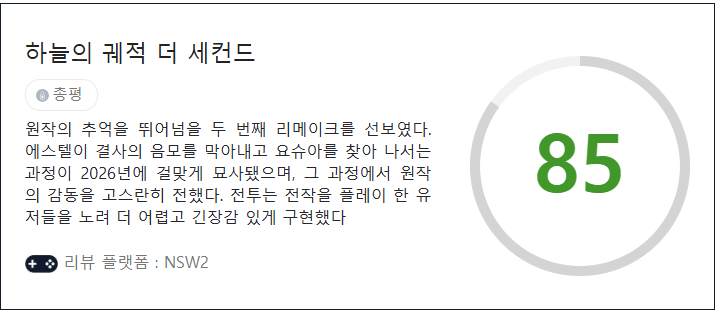
결론적으로, 하궤 세컨드는 원작의 추억을 뛰어넘을 두 번째 리메이크를 선보였다. 에스텔이 결사의 음모를 막아내고 요슈아를 찾아 나서는 과정이 2026년에 걸맞게 묘사됐으며, 그 과정에서 원작의 감동을 고스란히 전했다. 전투는 전작을 플레이 한 유저들을 노려 더 어렵고 긴장감 있게 구현했다. 초반부 큰 스포일러가 있는 만큼 전작을 플레이 했거나 원작을 경험한 유저에게 추천한다.
This news was translated by AI.

I will always love games. skyanze@gamemeca.com
READ MORE
RECOMMENDED NEWS

MOST POPULAR NEWS
- SOOP Opens Event Page for 2026 League of Legends World Championship
- [Today's steam] Fool the AI, Co-op New Title 'Scam With Your Friends'
- New Modes, Maps, and Modern Warfare 4 Season 1 Roadmap Revealed
- K/DA Returns After 6 Years, League of Legends Releases 'Firestarter' Music Video
- PUBG Mobile PMPS 2026 Season 2 Finals Announced
- Cyberpunk: Edgerunners 2, not a cinematic medium, but I will give it 110 points
- Running AI Agents Locally: NVIDIA RTX Spark Laptop Released
- 100-Player Tactical FPS Wardogs Deploys First Major Update 'Season 2'
- Severe Copying of Games via AI Reverse Engineering Destroys the Development Ecosystem
- Continued Ultra-Lightweight Dominance: Which Gaming Mouse to Choose by Price Range?
MEDIA PARTNERSHIPS



GAMEMECA SNS


 GAMEMECA GLOBAL SITE