
Pearl Abyss Dedicated to Graphics, Looked into Black Desert with FSR 3.1
그래픽에 진심인 펄어비스, 검은사막 FSR 3.1로 살펴봤다
2026.11.02 15:01 UTC+9

AI Summary
Pearl Abyss upgraded Black Desert with AMD FSR 3.1 and DirectX 12.
Visuals are refined with smoother edges and better lighting.
More graphical upgrades like DLSS are planned for the future.
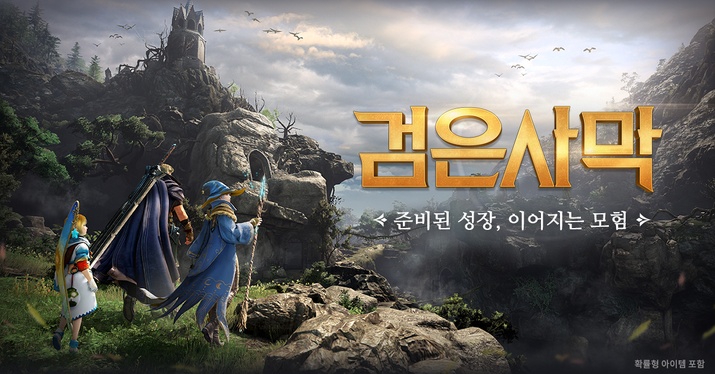
Pearl Abyss is a developer that has consistently poured effort into graphical landscapes. Their flagship title, Black Desert, has been around for quite a long time—12 years since launch—yet the studio has continually invested in visual upgrades, such as the graphic remaster back in 2018. That remaster actually yielded tangible results, boosting the overall user base by 23% and returning domestic players by a staggering 120%.
Keeping up that tradition, Pearl Abyss rolled out brand-new graphical tech on October 28, integrating AMD FSR 3.1 and DirectX 12 into Black Desert. The studio explained that this update refines the detailed expressions of characters, backgrounds, and distant objects while curbing jagged edges along object outlines, plus reducing the screen jitter and flickering that crops up during movement. To see firsthand just how much things have improved, the author logged back into Black Desert after a long hiatus.
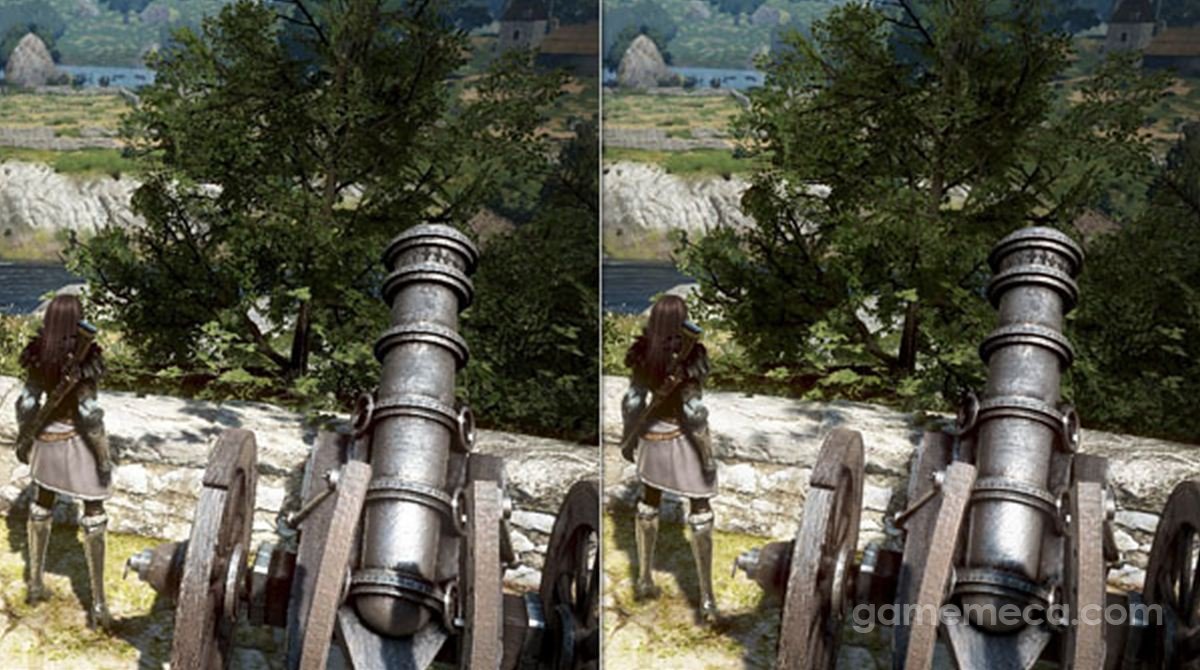
First off, the surroundings and the character were scrutinized by comparing the views with FSR 3.1 toggled on and off in the exact same spot. At first glance, a dramatic shift wasn't immediately obvious, but upon inspecting finer details—like tree branches or building corners—the differences became quite apparent.
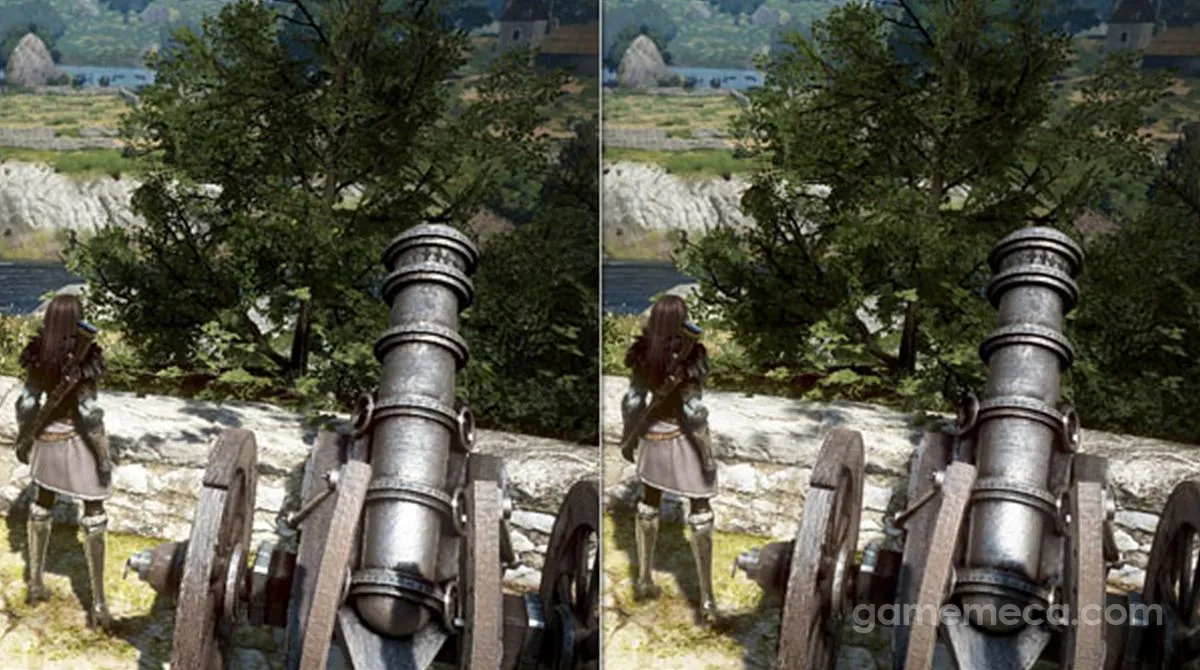
When FSR 3.1 is enabled, overlapping tree foliage and the boundaries of distant backgrounds blend together noticeably smoother than before, and the jagged pixel stair-stepping along edges is reduced. In-game objects around the town, including cannons, also boast sharper forms on their metallic rims and wooden wheels. A similar transformation was felt in the rendering of distant NPCs and foliage.
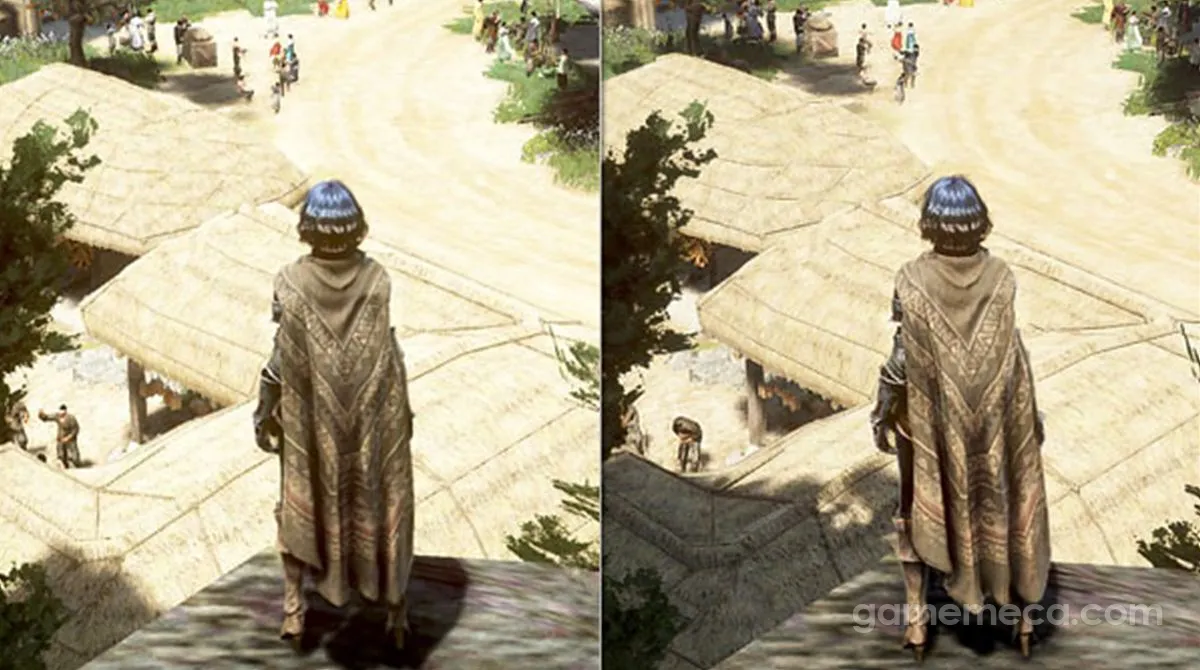
The differences were even more pronounced on buildings. Following the application of FSR 3.1, the aliasing artifacts running along the slanted lines and corners of roofs were comparatively dialled down. The seams between roofs and the boundaries of walls also appeared less harsh, giving everything a much tidier look.
When inspecting the character up close, the sharpened lighting effects immediately caught the eye. The illumination bouncing off the face and armor rendered somewhat softer, and decorative elements looked much cleaner as the stair-step artifacts vanished.
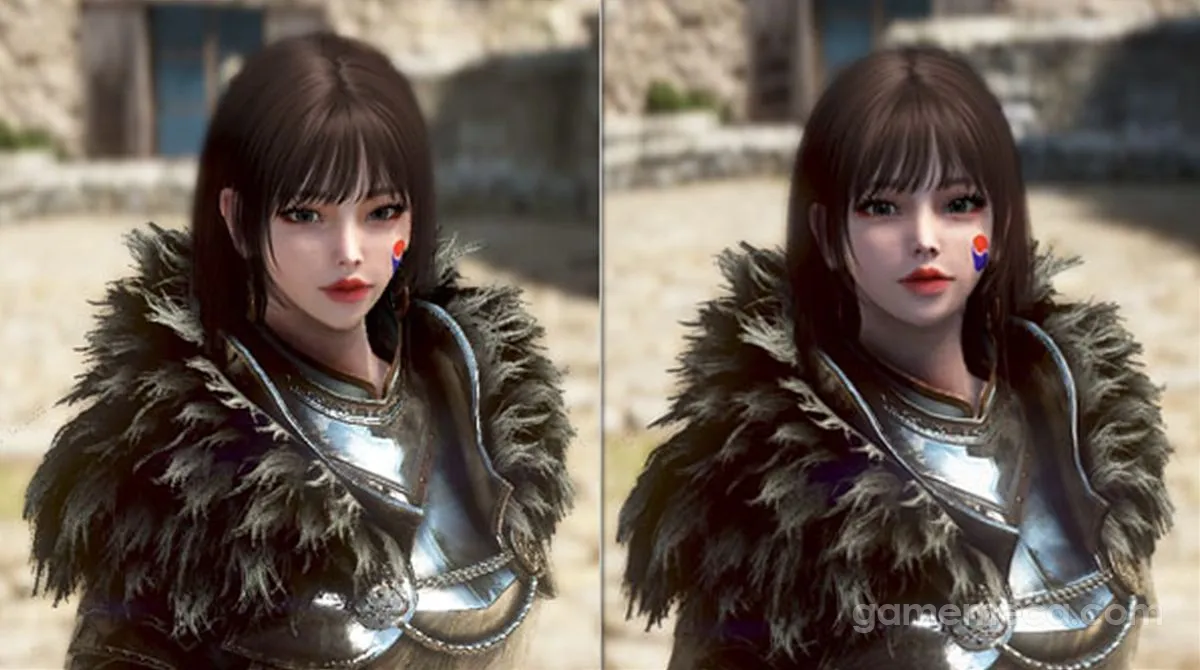
To sum things up, this isn't the scale of graphical overhaul that introduces brand-new objects or lighting engines; rather, it leans closer to polishing up screen outlines and subtle details. Especially when bright roofs, dark foliage, and light-reflecting armor are all packed into a single frame, those boundaries look considerably sleeker.
Having launched back in 2014 and keeping its service running into its 12th year, Black Desert has now added DirectX 12 support, laying down a solid foundation for future graphical enhancements. With Pearl Abyss also stating plans to incorporate AMD FSR 4.1 and Nvidia DLSS down the line, all eyes are on how much further quality and performance improvements will go with these upcoming technical additions.
펄어비스는 그래픽 풍경 꾸준히 공을 들여온 게임사다. 대표작 검은사막은 출시된 지 12년이라는 긴 시간이 흘렀지만, 2018년 그래픽 리마스터 등으로 그래픽 개선에 지속적으로 공을 들여왔다. 리마스터 후 전체 이용자가 23% 증가하고, 국내 복귀 이용자가 120% 늘어나는 등 실질적인 성과를 얻기도 했다.
그런 펄어비스가 10월 28일, 새로운 그래픽 기술인 AMD FSR 3.1과 DirectX 12를 검은사막에 적용했다. 펄어비스는 "이를 통해 캐릭터와 배경, 먼 곳에 있는 사물의 세부 표현을 개선하고, 물체 윤곽의 계단 현상과 이동 중 발생하는 화면 떨림 및 깜빡임을 줄였다"라고 설명했다. 어떤 점이 나아졌는지 직접 확인하기 위해, 오랜만에 검은사막에 접속해봤다.
우선 같은 장소에서 FSR 3.1을 켰을 때와 끈 상태를 비교하며 주변 경관과 캐릭터를 살폈다. 처음에는 극적인 변화가 느껴지지 않았지만, 나뭇가지나 건물 모서리처럼 세밀한 요소를 자세히 들여다보니 그 차이를 확인할 수 있었다.
FSR 3.1을 적용하면 이전에 비해 나뭇잎이 겹치는 부분과 먼 배경의 경계가 상대적으로 부드럽게 이어졌으며, 테두리에 발생했던 계단 현상도 줄었다. 대포를 비롯한 마을 내 오브젝트 역시 금속 테두리, 나무 바퀴 등 형태가 더 선명해졌다. 멀리 떨어진 NPC와 수목 표현에서도 비슷한 변화를 느낄 수 있었다.
건물에서는 차이가 더 두드러지게 나타났다. FSR 3.1 적용 후, 지붕의 비스듬한 선이나 모서리를 따라 보이던 계단 현상이 상대적으로 줄어들었다. 지붕 이음선과 벽의 경계도 덜 거칠게 표현되어 한결 정돈된 느낌을 줬다.
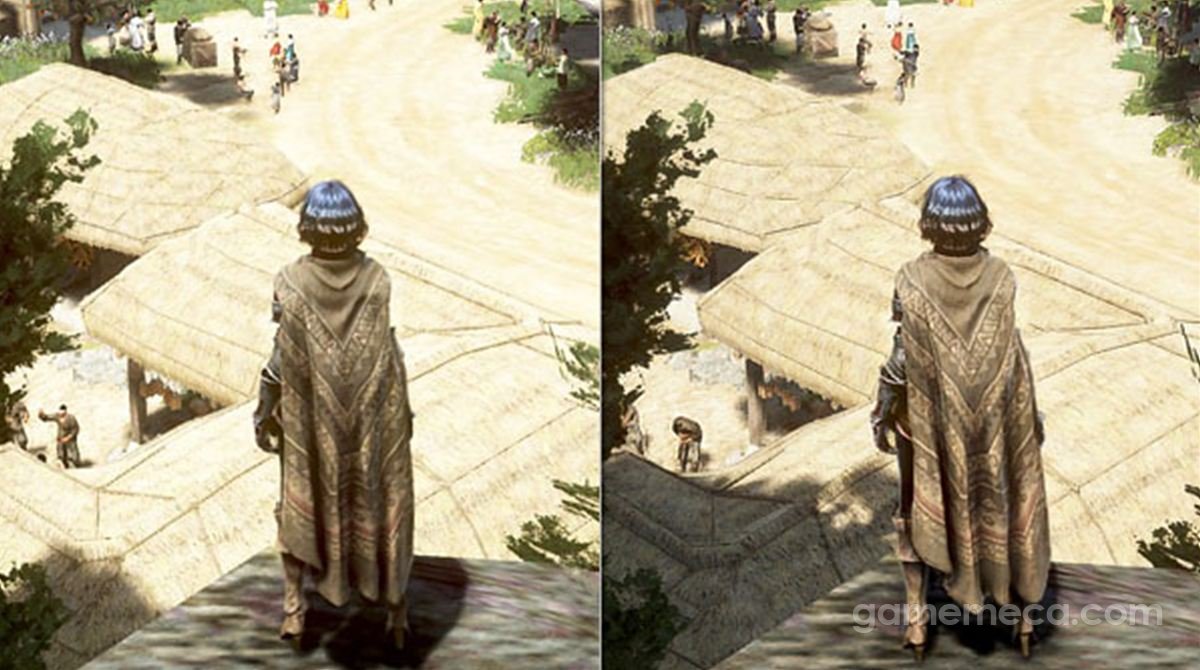
캐릭터를 가까이에서 확인했을 때는 선명해진 광원 표현이 눈에 띄었다. 얼굴 및 갑옷에 비치는 빛 표현이 다소 부드러워졌고, 장식 요소에서도 계단 효과가 사라지며 보다 깔끔해졌다.
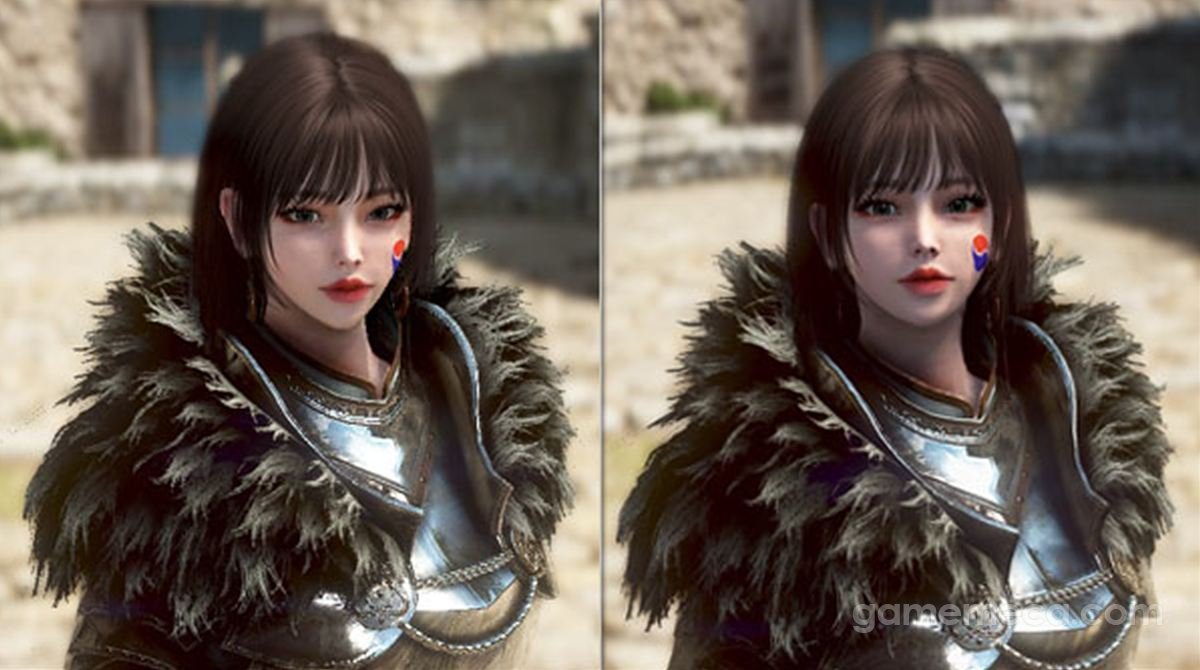
정리하자면 새로운 사물이나 광원 효과를 추가하는 규모의 그래픽 개선은 아니고, 화면 윤곽과 세부 표현을 다듬는 데 가까웠다. 특히 밝은 지붕과 어두운 나뭇잎, 빛을 반사하는 갑옷이 한 화면에 담길 때 경계가 더 매끄러워졌다.
2014년 출시돼 12년째 서비스를 이어가는 검은사막은 이번에 DirectX 12 지원까지 추가하며 향후 그래픽 개선을 위한 기반을 마련했다. 펄어비스가 AMD FSR 4.1과 엔비디아 DLSS도 추후 적용할 계획이라고 밝힌 만큼, 앞으로의 기술 지원이 어느 정도의 품질과 성능 개선으로 이어질지 주목된다.
This news was translated by AI.

I will greet you with a good article. niro201@gamemeca.com
READ MORE
-
 Why did Phantom Blade Zero's action divide opinions?
-
 Review of Nikke Scarlet's liquor 'Hwashim: Samchungdong' with concerns for the young master
-
 Crimson Desert's first DLC 'Charting the Unknown' focused on expanding breadth
-
 Familiar Kairosoft-style management tastes different with a dash of One Piece
RECOMMENDED NEWS
MOST POPULAR NEWS
- Nikke players must check, Level Infinite PC launcher hacking report
- [G-STAR 2026] AI Marketing Company AB180 to Host Networking Event
- Unprecedented, Seven Nations Gather in Genshin Impact 7.2 'Snezhnaya'
- Aside from GTA 6 and Zelda, There Are Other Anticipated Releases in November
- Escape from Tarkov director reveals first footage for new game Fragmentary Order
- Slay the Spire 2 to Update New Mode on November 12
- Pokémon 30th Anniversary, McDonald's Happy Meal to Launch Sequentially Starting November
- Nikke PC launcher hacking official apology, please conduct inspections and security measures
- Hacking Spreading via AI, Gaming Industry Breached One After Another
- Claude Bans 'Copying Games with AI', ChatGPT Also Caught in Similar Cases
MEDIA PARTNERSHIPS



GAMEMECA SNS