
[Precedent.zip] Data mining by extracting game clients, a criminal conviction
[판례.zip] 클라 뜯는 데이터마이닝, 형사처벌 판결
2025.09.15 15:41 UTC+9

AI Summary
Data mining and leaking game updates are now subject to serious legal action. Courts are applying existing laws to treat game data as protected trade secrets. Fans and insiders risk heavy fines and civil lawsuits for premature disclosures.

We’ve all seen it: that insatiable itch to know, 'What’s coming in the next patch?' It is common practice for players to crack open game files and broadcast their findings across forums. Using extraction tools to pull images, sound clips, and decrypting locked data to preview unreleased content has long been viewed as a form of community 'insider' content. For a long time, studios didn't seem to care all that much.
However, 2024 proved that this pastime can land you in a courtroom. The Incheon District Court recently fined a user 5 million KRW for extracting and posting update data online. This marks the first instance where data mining—previously dismissed as a harmless 'spoiler'—was formally punished as a violation of the Information and Communications Network Act.
Using the Incheon District Court's 2024Gojung44 ruling as a guide, we’re taking a deep dive into the shifting legal landscape surrounding leaked game update information.
Is data mining itself a crime?
Before we address the leaks, let’s look at the act of data mining itself. To put it bluntly: data mining is not a crime under standard criminal or copyright law. While most developers explicitly forbid it in their Terms of Service—meaning you might face a ban—it does not inherently constitute a criminal offense subject to legal prosecution.
However, things get messy if you start replicating and distributing copyrighted assets like art or audio, or if the mining involves hacking tools. In the case at hand, the guilty verdict was specifically for the unauthorized, premature disclosure of information the studio intended to keep under wraps.
From data mining to criminal charges: The court’s shifting perspective
Let’s look at the specifics of the Incheon District Court’s ruling in case 2024Gojung44.
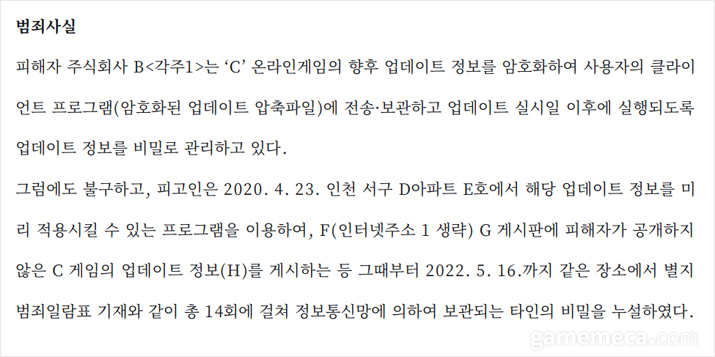
The defendant, A, operated in what the community considered a normal fashion. Between April 2020 and May 2022, A used extraction software on 14 separate occasions to pull encrypted update files and post them online. Why did the court suddenly treat this 'preview' culture as a criminal act?
The core issue was that the court viewed this not as information sharing, but as an infringement of rights. By citing Article 49 and Article 71 of the Information and Communications Network Act, the court levied a 5 million KRW fine, clearly applying the legal definition of 'leaking secrets stored on a network.'
The legal definition of 'secret' is the kicker here. Even if a game studio intends to release that data eventually, the court ruled that the right to determine the timing and method of that release belongs solely to the studio. Extracting and leaking it beforehand is, therefore, a violation of the studio's control over its own information.
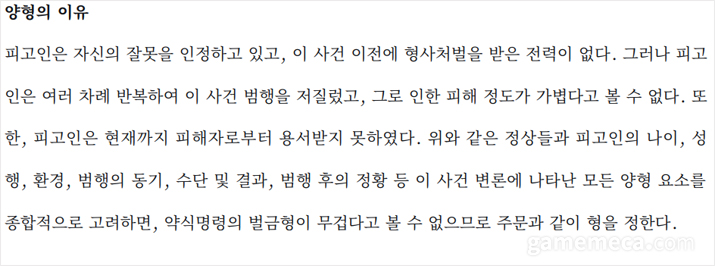
The court was also unimpressed by the persistence of the act. In its sentencing, the court noted that the defendant committed the act repeatedly, and the damage caused was not trivial. This wasn't a one-off mistake; it was a systematic, sustained infringement. Conducting 14 such leaks over two years turned what might have been 'mere curiosity' into intentional sabotage.
The 100 million KRW shock: The MapleStory leak case
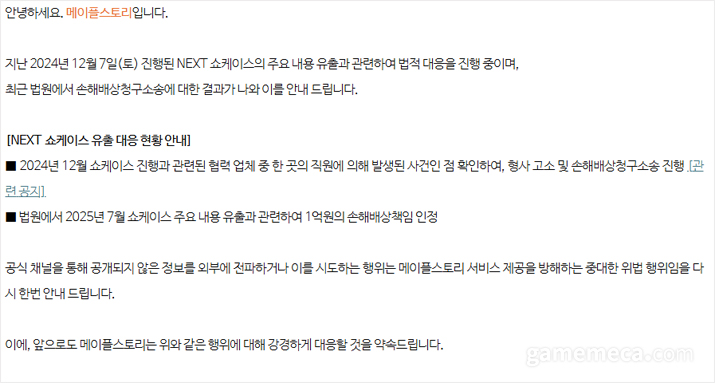
Leaking game data doesn't have to come from data mining to be illegal. Recent events demonstrate that the consequences go far beyond criminal fines. A subcontractor and their employee were recently ordered to pay 100 million KRW in damages for leaking key details from the MapleStory Next Showcase.
According to MapleStory General Director Chang-seop Kim, sensitive information regarding the December 7 Next Showcase was leaked by a contractor’s staffer. Nexon immediately pursued both criminal and civil litigation, and the court ruled in Nexon's favour.

Unlike the 2024 case, Nexon pursued civil litigation by proving concrete damages. Nexon argued that the leak undermined the entire marketing strategy of the showcase, which was designed to generate excitement through a controlled reveal, resulting in tangible financial loss.
Nexon’s stance is firm: 'Distributing information not released through official channels is an illegal act that disrupts the service, and we will continue to take every possible measure against such leaks without leniency.'
Why the sudden crackdown?
Crucially, this isn't the result of new legislation. The laws were always there; it’s just that courts and authorities were previously either unaware of the extent of the impact or simply chose not to enforce them.
The Information and Communications Network Act has been around since the early 2000s, and trade secret protections have long existed. Data mining was always legally precarious; it was only the industry's informal 'look-the-other-way' culture that kept these cases out of the courtroom.
So, why has this suddenly become a target for civil and criminal litigation?
First, the re-evaluation of the Information and Communications Network Act. While previously used for personal data or corporate espionage, the 2024 ruling confirms it applies to game updates too. The court essentially ruled that encrypted game data is proprietary information that cannot be forced into the public domain against the owner's will.
Second, the expansion of trade secret concepts. Content itself is now recognized as a core asset. The 100 million KRW MapleStory verdict legally cements the commercial value of pre-release game information.
Third, the quantification of damages. Marketing strategies are now so sophisticated that the timing of a reveal has a clear, calculable economic value. The 'surprise factor' and media engagement are now treated as quantifiable assets.
Fourth, alignment with broader digital copyright protection. With stricter crackdowns on webtoon piracy and OTT leaks, the gaming industry is finally demanding—and receiving—the same level of legal protection for its intellectual property.
Ultimately, these rulings represent the surfacing of long-standing legal realities. The law didn't change; the judicial system just started applying existing standards to the gaming industry with newfound rigor. It’s a clear signal to everyone: game update information is a trade secret, full stop.
Game leaks: A high-risk endeavor
The legal environment surrounding game leaks has shifted drastically. What was once dismissed as a bit of fan gossip is now a high-risk activity that can result in both criminal records and crippling civil damages.
Criminally, you’re looking at up to 3 years in prison or a 30 million KRW fine under the Information and Communications Network Act. In civil court, you could be on the hook for millions—up to 100 million KRW as seen in the MapleStory case.
Internal leakers face even steeper consequences, as they may also be charged with breach of trust under the Criminal Act.
Whether you are a curious player or an industry professional with early access, it is time to think twice before hitting 'post.' A 5 million KRW fine or a 100 million KRW lawsuit is a steep price to pay for a bit of early gossip.

'이번 패치에 뭐가 나오나?' 궁금증을 참지 못한 유저들이 게임 클라이언트 파일을 뜯어보고, 이를 통해 알게 된 내용을 커뮤니티에 공유하는 일은 자주 있습니다. 리소스 추출 프로그램으로 이미지나 사운드 파일을 빼내고, 암호화된 데이터를 해독해 미공개 콘텐츠를 먼저 확인하는 것이죠. 커뮤니티에서는 이런 '데이터마이닝' 정보가 일종의 인기 콘텐츠이고, 사실 그동안은 게임사도 크게 신경쓰지 않는 분위기였습니다.
하지만 2024년 이 행위가 실제로 처벌받을 수 있다는 사실이 법정에서 확인됐습니다. 인천지방법원은 게임 클라이언트에서 업데이트 정보를 추출해 온라인에 게시한 유저에게 벌금 500만 원을 선고했는데요. 그동안 '스포일러' 정도로 가볍게 여겨졌던 데이터마이닝을 통한 업데이트 정보 유출이 정보통신망법 위반으로 처벌받은 첫 사례입니다.
이에 인천지방법원에서 선고된 2024고정44호 사건을 바탕으로 정보통신망법 위반 등 게임 업데이트 정보 유출 사건에서 달라지고 있는 판례 흐름을 알아보는 시간을 마련했습니다.
데이터마이닝 자체는 범죄일까?
데이터마이닝을 활용한 정보 유출 행위 이전에, 데이터마이닝 자체가 범죄행위일지에 대해 먼저 짚어보겠습니다. 결론부터 말씀드리면 데이터마이닝 자체는 형법, 저작권법 등 일반적인 법률로 직접적으로 규제하는 범죄 행위에 해당하지 않습니다. 물론 게임 개발사에서 이용약관에 따라 금지되는 경우가 대부분이며, 이용약관을 위반할 경우 계정정지 등 불이익이 있을 수 있습니다만 법적 규제나 처벌을 받는 범죄행위는 아닙니다.
그러나 데이터마이닝으로 얻은 이미지, 사운드 등을 무단으로 복제 및 배포하는 등 저작권 침해나, 해킹 툴 제작에 사용하는 다른 범죄에 연루될 경우 위법행위가 될 수 있습니다. 이번에 살펴볼 행위의 경우 데이터마이닝으로 얻은 정보를 게임사 허가 없이 사전에 유출해 유죄판결이 나온 것입니다.
데이터마이닝에서 범죄로, 달라진 법원의 인식
그렇다면 이제 2024년 인천지방법원 2024고정44호 판결문을 살펴보겠습니다.
이 사건에서 피고인 A씨의 데이터마이닝 행위는 게임 커뮤니티에서 지극히 일상적인 일이라 인식됐습니다. A씨는 2020년 4월부터 2022년 5월까지 총 14회에 걸쳐 게임업체가 암호화해 보관하던 업데이트 정보를 추출 프로그램으로 빼내 온라인 커뮤니티에 게시했습니다. 많은 유저가 '미리보기'나 '스포일러' 정도로 여기던 행위가 왜 이 사건에서는 범죄로 규정되었을까요?
핵심은 법원이 이 행위를 단순한 정보 공유가 아닌 권리 침해로 봤습니다. 법원은 정보통신망법 제49조(타인의 정보 누설 금지)와 제71조(벌칙) 위반으로 벌금 500만 원을 선고하면서, 판결문에서 '정보통신망에 의하여 보관되는 타인의 비밀을 누설'했다는 법적 구성요건을 명확히 적용했습니다.
주목할 점은 '비밀'의 법적 정의입니다. 게임사가 암호화하여 보관한 정보는 비록 언젠가 공개될 예정이라 하더라도, 공개 시점과 방법을 결정할 권리는 온전히 게임사에 있다는 것입니다. 따라서 이를 무단으로 추출해 먼저 공개하는 행위는 게임사의 정보 통제권을 침해한 것으로 판단한 것이죠.
반복성과 고의성에 대한 법원의 평가도 눈여겨볼 만합니다. 법원은 판결문 양형 이유에서 "피고인은 여러 차례 반복하여 이 사건 범행을 저질렀고, 그로 인한 피해 정도가 가볍다고 볼 수 없다"라고 명시했습니다. 반복적으로 일어난 행위는 단순한 호기심이나 일회성 실수와는 차원이 다른 체계적이고 지속적인 침해행위로 본 것입니다. 특히 이 사건과 같이 2년간 14회에 걸친 반복적 행위는 우연이나 실수가 아닌 의도적 권리 침해라 평가했습니다
1억원 배상의 충격, 메이플스토리 정보 유출 사건
게임 업데이트 정보 사전 유출은 데이터마이닝으로 얻은 것이 아니더라도 법적으로 처벌받을 수 있습니다. 최근 일어난 사건을 보면, 이러한 업데이트 정보 유출은 형사처벌만으로는 끝나지 않는다는 것을 잘 보여줍니다. 메이플스토리 넥스트 쇼케이스 핵심 발표 내용을 사전에 유출한 하청업체 직원과 소속 업체가 1억 원의 손해배상 판결을 받았기 때문입니다.
김창섭 메이플스토리 총괄 디렉터의 발표에 따르면, 작년 12월 7일 넥스트 쇼케이스 핵심 발표 내용이 행사 하청업체 소속 직원을 통해 사전에 유출됐습니다. 넥슨은 즉시 유출 당사자와 소속 업체를 대상으로 영업비밀침해에 대한 형사 고소 및 민사 손해배상청구 소송을 진행했고, 법원이 넥슨의 청구를 인용한 것입니다.
2024년 사건과 다른 점은 넥슨이 구체적인 손해를 주장하며 형사 고소를 넘어 민사 소송까지 이어갔다는 것입니다. 넥슨 측은 "중요 업데이트 정보를 유저들에게 최초 공개하려던 쇼케이스 기획 의도와 목적이 훼손되었고, 그로 인해 손해가 발생했다"라고 설명했는데요. 단순히 형사적 범죄행위가 아닌, 마케팅 전략 훼손이라는 구체적이고 금전으로 환산가능한 피해를 제시한 것입니다.
넥슨의 강경한 메시지도 눈에 띕니다. "공식 채널을 통해 공개되지 않은 정보를 사전에 외부에 유포하거나 이와 유사한 시도를 하는 행위는 원활한 게임 서비스를 저해하는 위법 행위로 간주된다"며 "앞으로도 이와 같은 정보 유출 행위에 대해 가능한 모든 조치를 취할 것이며 선처 없이 강경하게 대응할 계획"이라고 밝혔습니다.
게임 정보 유출, 갑자기 처벌된 이유는?
중요한 것은 이번 결정은 새로운 법이 신설되거나, 법이 개정되며 일어난 것이 아니라는 점입니다. 처음부터 위법했지만, 이전에는 법원과 수사기관이 그 위법성을 제대로 인식하지 못했거나 적극적으로 단속하지 않았을 뿐이죠.
정보통신망법 제49조는 2000년 초반부터 시행됐고, 부정경쟁방지법상 영업비밀 보호 조항 역시 오랜 기간 존재해왔습니다. 즉, 암호화된 게임 데이터를 무단으로 추출해 공개하는 등 게임 업데이트 정보 유출은 법 조문상으로는 항상 위법행위였습니다. 다만 게임업계의 특수성과 관습적 관행으로 인해 기존에는 실질적인 처벌이 이루어지지 않았을 뿐이죠.
그렇다면 사실상 묵인되던 행위가 갑자기 민·형사적 처벌 대상이 된 법적 근거는 무엇일까요?
첫째, 정보통신망법의 재조명입니다. 정보통신망법 제49조는 20여년 전부터 시행되어 왔지만, 주로 개인정보나 기업 기밀 유출에 적용됐습니다. 하지만 2024년 인천지방법원 판결은 이 조항이 게임 업데이트 정보에도 적용될 수 있음을 명확히 했습니다. 법원에서 "암호화된 게임 데이터는 게임사의 의사에 반하여 공개되어서는 안 되는 정보"라고 판단한 것입니다.
둘째, 부정경쟁방지법상 영업비밀 개념의 확장입니다. 전통적으로 영업비밀은 제조공법이나 고객명단 등에 국한되었으나, 최근에는 콘텐츠 정보 자체가 핵심 자산으로 인정받기 시작했습니다. 메이플스토리 사건에서 법원이 1억 원 배상을 인정한 것은 게임 업데이트 정보의 상업적 가치를 법적으로 명확히 인정한 것이라고 할 수 있습니다.
셋째, 손해 산정의 구체화입니다. 과거에는 '어차피 공개될 정보'라는 이유로 손해를 인정하기 어려웠지만, 게임업계의 마케팅 전략이 고도화되면서 정보 공개 타이밍의 경제적 가치가 명확해졌습니다. 쇼케이스나 발표회를 통한 서프라이즈 효과, 미디어 노출, 유저 관심도 등이 모두 금전적으로 정량화 가능한 손해로 인정받게 된 것이죠.
넷째, 디지털 저작권 보호 강화 흐름과의 연동입니다. 웹툰 불법복제, OTT 콘텐츠 유출 등에 대한 처벌이 강화되면서, 게임업계도 동일한 보호 수준을 요구할 수 있게 됐습니다. 법원 역시 디지털 콘텐츠 전반에 대한 보호 의식이 높아졌습니다.
결국, 2024년의 인천지방법원 판결과 2025년의 메이플스토리 쇼케이스 손해배상 판결은 잠재되어 있던 위법성이 현실화 된 사례입니다. 법이 바뀐 것이 아니라, 법원과 수사기관이 기존 법령을 게임업계에도 동일하게, 그리고 엄격하게 적용하기 시작한 것입니다. 이는 게임업계 종사자와 유저에게 "이제는 게임 업데이트 정보 등도 다른 업계의 영업비밀과 동일한 법적 잣대가 적용된다"라는 명확한 신호를 보낸 셈이죠.
게임 업데이트 정보 유출, 이제는 고위험 행위
이렇게 게임 업데이트 정보 유출을 둘러싼 법적 환경이 급변하고 있습니다. 과거에는 단순한 스포일러로 여겨지던 행위가 이제는 형사처벌과 고액 배상을 동시에 받을 수 있는 고위험 행위가 됐습니다.
형사적 측면에서는 정보통신망법 위반으로 최대 3년 이하 징역 또는 3,000만 원 이하 벌금형에 쳐해질 수 있습니다. 민사적 측면에서는 형사처벌에 더해 영업비밀침해로 인한 손해배상이 추가되는데, 메이플스토리 사건에서 보듯, 게임이나 유출된 내용에 따라 1억 원 수준까지도 인정될 수 있습니다.
특히, 내부자 유출의 경우 형법상 배임죄 내지는 업무상배임죄까지 추가로 성립할 수 있어 형량이 가중될 수 있습니다.
앞으로는 호기심 많은 유저든, 업데이트 정보를 업무상 미리 접하게 된 업계 관련자든 알게 된 게임 업데이트 정보를 지인이나 커뮤니티에 알리기 전에 한 번 더 생각해야 할 시대가 됐습니다. 500만 원의 벌금과 1억 원의 손해배상이라는 현실적 위험이 기다리고 있으니까요.
This news was translated by AI.
READ MORE
-
 Is it okay to start Warframe now, which is in its 13th year?
-
 [+9 Enhanced] RedMagic Astra 2, 'Tier 0' in both performance and heat control
-
 [precedent.zip] Does deriding the appearance of a character modeled after a real person constitute the crime of insult?
-
 [Board Game] There is no story, but the sense of command remains, Nikke
RECOMMENDED NEWS

MOST POPULAR NEWS
- [Today's steam] Aion 2 Records 400,000 Concurrent Players Upon Official Launch
- [Today's steam] Valve's new title 'Deadlock' surpasses 230,000 Concurrent Players
- Representative Cho Seung-rae: "Gamescom's Strength is Strong B2B, Desperately Needed for G-Star"
- Pre-load starts for World of Dokkaebi, releasing on October 8
- 'Dave the Diver' Complete Edition Released with All Expansions
- [Cartoon] The arrival of the sharpshooter 'Aion 2'?
- "Destined to Disappear Anyway" CyberConnect2 CEO Supports Abolishing Physical Discs
- Wardogs, which became the trend of shooting games, starts its second season on the 15th
- Valve's New Game 'Deadlock' Concurrent Players Surpass Team Fortress 2 Record
- Dokkaebi World Achieves Number 1 Popularity on Both Major App Markets on Launch Day
MEDIA PARTNERSHIPS



GAMEMECA SNS


 GAMEMECA GLOBAL SITE