
If you are not playing an idle game right now, come to 'Song of Misongja'
지금 플레이하는 방치형이 없다면 '미송자의 노래'로 오라
2026.02.06 19:36 UTC+9

AI Summary
Song of Misongja is a charming, high-quality idle RPG. Its progression loop is rewarding, generous, and visually beautiful. It is perfect for those who want deep gameplay without the stress.
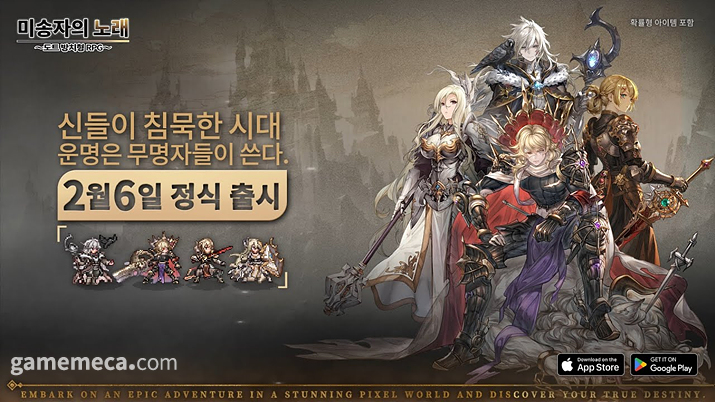
In recent years, the 'idle' genre has become something of a phenomenon in the mobile gaming market. It’s easy to see why—it’s the perfect companion for the time-strapped office worker, offering a bite-sized experience that doesn't demand your full attention or complex inputs.
However, the inherent flaw of these idle titles is that their quest for 'lightness' often leads to a lackluster final product. Launched on the 6th, 'Song of Misongja: Dot Idle RPG' (hereinafter 'Song of Misongja') attempts to bridge this gap by replacing the usual cheap feel with exquisite pixel art and a charming score, all while keeping the barrier to entry comfortably low.
Gorgeous Pixels and Illustrations
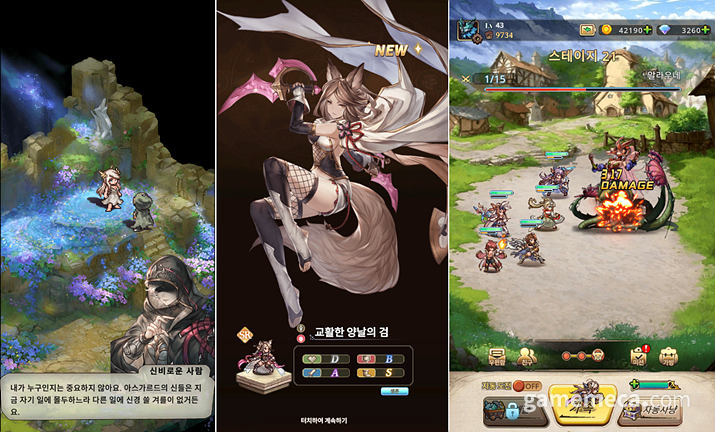
The first thing you’ll notice in Song of Misongja is the high-fidelity pixel art. It evokes a certain nostalgia for classic JRPGs, reminiscent of the refined aesthetic found in 'Octopath Traveler'. The opening, featuring a Valkyrie and a 'mysterious person', sets a tranquil, atmospheric tone right from the start.
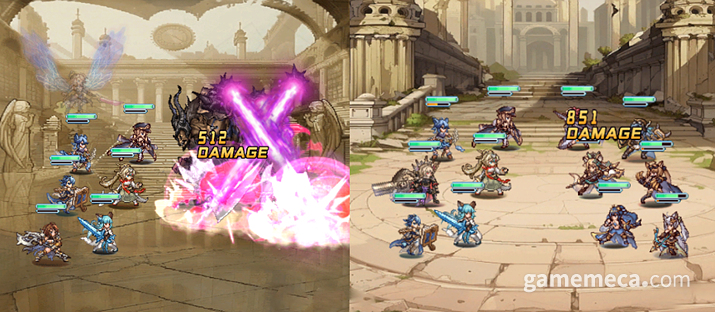
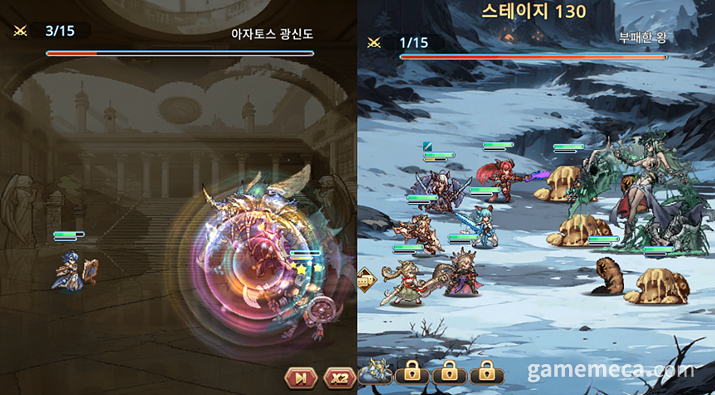
Once the action kicks in, the 2D backdrops and pixelated characters blend seamlessly. Watching the 'heroes' assist your Valkyrie during boss encounters is a treat; the sprite work is surprisingly detailed and full of personality.
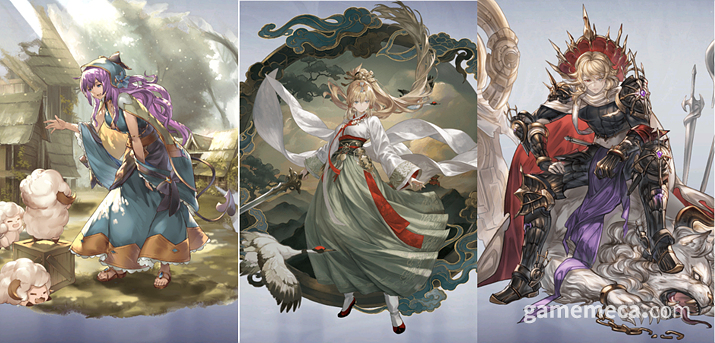
The character illustrations transcend mere pixel art, feeling more like pages torn from a book of myth and legend. With over 50 SSR characters available, each maintains a cohesive style while standing out individually. Take 'Delia', the shepherdess; her purple hair and the tiny, adorable lambs trailing behind her really bring her design to life.
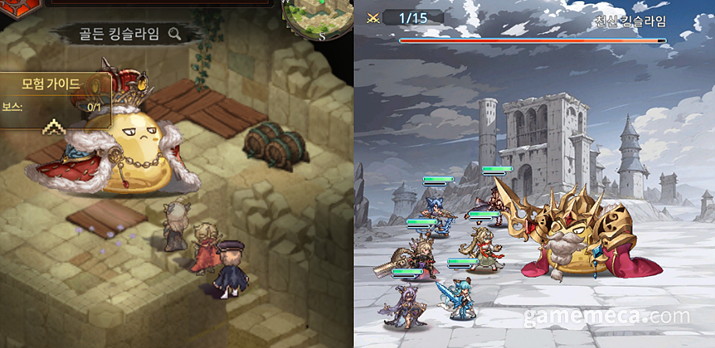
Combat is a masterclass in understated spectacle. Each hero unleashes unique abilities that pack a punch without pushing your device to its limits. The 'Tyr' skin, for instance, engulfs foes in divine light, while the stage bosses are suitably imposing—monstrous, grotesque, and perfectly designed to make you feel like you're facing a genuine threat.
A Progression System Built Around 'Chests'
At its heart, Song of Misongja is an idle game, and it lives or dies by its progression loop. You don't need to micromanage every swing of the sword; the game handles the heavy lifting, allowing you to focus on managing your resources and strengthening your roster.
The flow is straightforward: your Valkyrie cuts through fodder until a boss appears. Upon victory, you move to the next stage and—the real hook—claim a 'Treasure Chest'. These chests are the lifeblood of your growth, with common chests serving as your primary source of that sweet, sweet experience points.
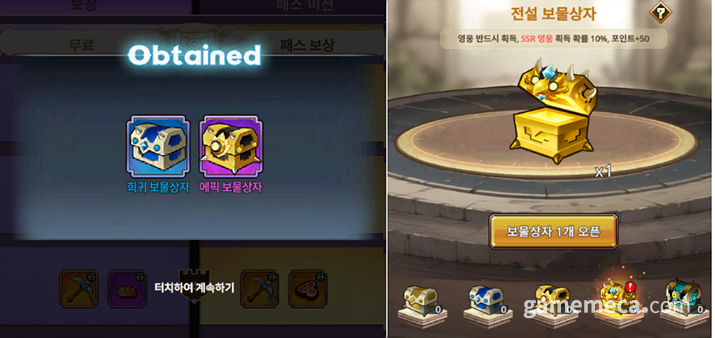
As you open more chests, you accumulate points to unlock higher tiers: Rare, Epic, Legendary, and Mythic. Experience is pumped directly into your Valkyrie, though once you hit certain level caps, you'll need to perform a 'breakthrough' using materials found in Epic chests.
When you inevitably hit a wall against a boss, the game opens up new avenues for growth. Every 20 to 30 floors, you unlock new mechanics: a marketplace, mini-games in the 'Carnival', pets, mining, and the 'Underground Codex'. Since these systems don't demand massive resource dumps early on, the sense of constant, rapid improvement is incredibly satisfying.
A Multitude of Content Beyond the Grind
If it were just about watching numbers go up, it would get old fast. Fortunately, Song of Misongja—which has already found its footing in the Japanese market—fills the gaps with genuinely fun mini-games.
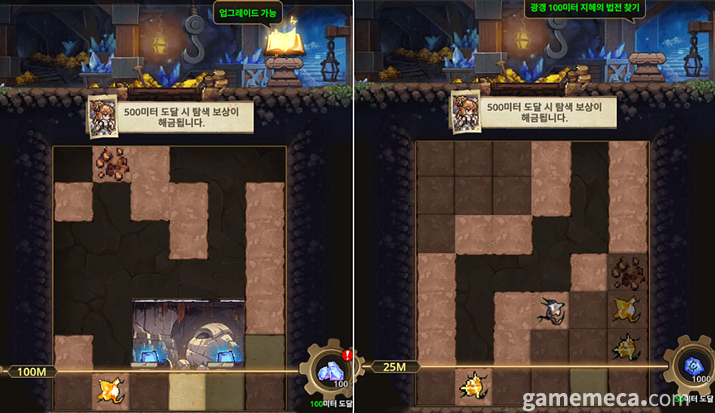
Take 'Mining', for instance. It’s a bit like 'Mr. Driller', where you choose which of the six columns to dig through. Every hour, your pickaxe energy refills, pushing you deeper underground. Once you hit 50 meters, the 'Codex of Wisdom' unlocks. It’s a clever tactical choice: do you rush deeper to unlock the next mechanic, or veer off to the side to grab some tempting resources?
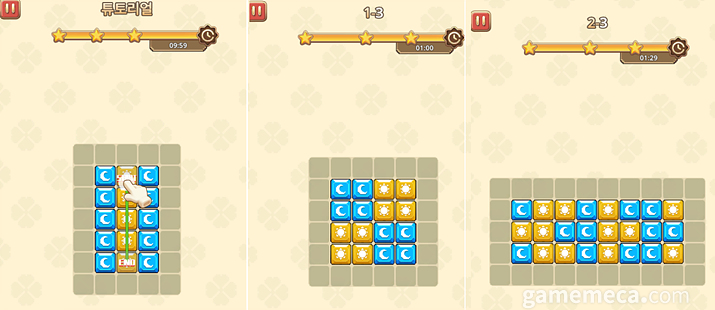
Then there’s the 'Carnival', which features 'one-stroke' puzzles. They start off easy enough, but by the second chapter, they become genuinely devious head-scratchers. Thankfully, if you're stuck, you can watch an ad for a hint. It’s a welcome distraction that keeps the game from feeling like a one-note affair.
Stage 130 and Counting—Without Spending a Penny
I’m currently sitting at stage 130. For the sake of this review, I didn't spend a single cent, relying purely on the resources the game provided. The progression is intuitive, and the fact that simply collecting characters boosts your overall combat power makes every pull feel worthwhile.
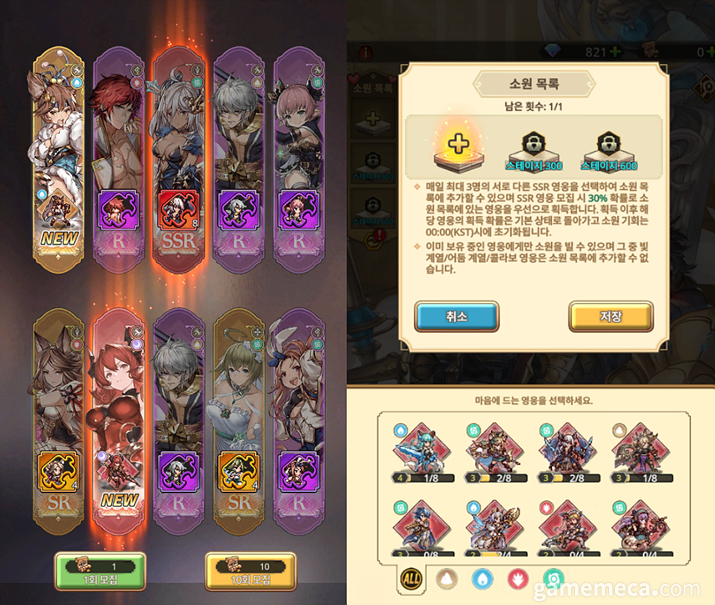
The game is surprisingly generous with free pulls via events and free passes. You’re guaranteed an SSR character just for logging in, and the drop rates for SSRs aren't exactly stingy. With a 10-pull pity system, building a solid team of SSRs feels well within reach for any casual player.
Dupes aren't a curse here; they provide character shards used for 'promotion'. This unlocks passive 'Talents' and provides a massive boost to your stats. Since shards can be acquired through various means beyond just the gacha, the loop of 'fight, pull, get stronger' feels incredibly consistent.
Song of Misongja is a top-tier recommendation for anyone looking to dip their toes into the idle genre. With its high-quality visuals, steady stream of unlocks, and gentle learning curve, it’s a refreshing experience. In a sea of new releases, it’s a rare gem that respects both your time and your wallet.
지난 몇 년간 모바일게임 시장에서 특히 유행한 장르는 '방치형'이다. 특히 매일이 바쁜 직장인들이 복잡한 조작 없이도 마음 편하게 즐길 수 있다는 점이나 전반적으로 게임이 무겁지 않다는 점이 장점으로 손꼽힌다.
다만 이런 방치형게임의 단점은 가벼움을 지향하는 만큼이나 품질이 아쉬운 타이틀이 많다는 점이다. 6일 출시된 방치형게임 '미송자의 노래: 도트 방치형 RPG(이하 미송자의 노래)'는 이런 방치형게임의 가벼움은 특유의 픽셀 그래픽과 아름다운 음악으로 극복하고, 방치형의 낮은 입문 장벽은 그대로 계승했다.
유려한 픽셀, 일러스트레이션 그래픽
미송자의 노래를 처음 시작하면 눈에 들어오는 것은 유려한 픽셀 그래픽이다. 고전 JRPG의 향수를 자극하면서도 세련되게 다듬어진 '옥토패스 트래블러'가 연상된다. 특히 발키리와 '신비로운 사람'이 만나며 시작되는 게임의 도입부는 아름다운 풍경이 어우러지며 특유의 감성을 더한다.
본격적으로 게임을 시작하면 한 번 2D 배경과 어우러진 픽셀 캐릭터가 한눈에 들어온다. 특히 각 스테이지 보스들과 싸울 때 발키리를 돕는 게임의 주역 '영웅'의 픽셀 그래픽 역시 유려하고 매력적으로 그려졌다.
각 영웅들의 일러스트는 픽셀 그래픽을 놈어 한 편의 동화와 신화가 연상되는 그림체로 묘사됐다. SSR 캐릭터만 50종이 넘는데, 캐릭터마다 각자 개성을 살리면서도 통일성 있는 일러스트로 세계관의 매력을 강조한다. 예를 들어 양치기 '델리아'는 보랏빛 머리를 지닌 목동이며, 주변에 작고 귀여운 새끼 양들이 그려지며 개성을 더한다.
이런 영웅들로 진행되는 자동 전투 역시 절제된 화려함으로 보는 재미를 더한다. 각 영웅들은 고유의 기술을 사용하며, 그 효과는 기기에 무리가 가지 않는 선에서 턴제 전투의 역동성을 전한다. 특히 스킨을 씌운 '티르'의 스킬은 신성한 빛과 함께 적을 삼킨다. 또 등장하는 스테이지 보스는 영웅을 위협하는 괴수에 걸맞은 거대한 크기와 기괴함을 뽐낸다.
'상자'를 중심으로 탄탄하게 설계된 성장
미송자의 노래는 방치형게임으로, 장르의 핵심은 탄탄한 성장 시스템이다. 특별한 조작이 없어도 캐릭터가 스스로 움직이며 적들을 소탕하고, 번 재화를 토대로 영웅을 강화하는 것이 중심이 되기 때문이다. 미송자의 노래는 다양하면서도 직관적인 성장 시스템을 통해 다채로우면서도 장르 적응이 쉽도록 유저들을 이끈다.
각 스테이지에서는 우선 발키리가 일반 몬스터를 상대하고, 이후 다른 영웅과 함께 보스전에 돌입하는 형태다. 보스를 처치하고 나면 다음 스테이지로 넘어가며, 이때 '보물상자'를 획득한다. 이 보물 상자가 성장 시스템의 근간으로, 가장 낮은 등급의 '일반' 보물상자는 가장 중요한 '경험치'를 보상으로 준다.
또 보물상자를 열수록 포인트가 쌓여 희귀, 에픽, 전설, 신화 보물상자도 추가로 획득할 수 있다. 획득한 경험치는 '발키리' 레벨 상승에 사용된다. 일정 레벨 구간을 넘어서면 '돌파'를 해야 하며, 이때 필요한 돌파석 역시 '에픽' 등급 보물상자를 통해 얻을 수 있다.
이렇게 성장하며 앞으로 나아가다 보면, 보스의 강력함에 무릎 꿇는 순간이 온다. 이때 새로운 성장 콘텐츠가 개방된다. 타운에서는 아이템을 구매할 수 있는 시장, 미니게임을 즐길 수 있는 '카니발', 소환수와 펫, 채굴과 지하 법전 등 매 20~30층마다 새로운 성장 요소가 해금된다. 새로운 성장 요소는 초반에 많은 재화를 요구하지 않기 때문에, 빠른 성장을 통한 만족감도 전한다.
전투 외에도 다채롭게 구성된 콘텐츠
비단 성장 콘텐츠만 끊임없이 해금된다면 지루하고 단조로운 게임이 되기 십상이다. 미송자의 노래는 일본에서 서비스하며 궤도에 오른 작품답게 여러 성장 콘텐츠를 미니게임 형식으로 구성하며 재미를 더했다.
대표적인 콘텐츠가 '채굴'이다. 채굴은 아래 6칸 중 하나를 클릭하며 바닥을 뚫는 시간 제한 없는 '미스터 드릴러' 느낌의 성장 미니게임이다. 매 시간마다 곡괭이가 충전되고, 이를 활용해 더 아래 층으로 내려가야 한다. 지하 50미터에 도달하면 '지혜의 법전'이 해금되고, 이때부터 '채굴'이라는 명칭에 걸맞게 여러 성장 재화를 곡괭이로 파서 얻을 수 있다. 특히 다음 성장 요소 해금을 위해 곧장 아래로 돌격할지, 옆 칸에 놓인 다른 매혹적인 성장 재화를 탐할지를 선택하는 재미도 더한다.
이외에도 '카니발'에서는 '한 번에 그리기'라는 비교적 쉬운 '한 붓 그리기' 형태의 퍼즐게임을 제공한다. 물론 '쉽다'라는 것은 첫 챕터까지에 한정되며, 두 번째 챕터부터는 머리에 쥐가 나는 교활한 난도를 자랑한다. 광고를 시청하면 정답을 알려주는 점은 다행이다. 방치형 플레이 외에도 여러 방법으로 분위기를 환기하며, 스테이지를 넘어갈수록 더 많은 새로운 콘텐츠를 확인할 수 있다.
결제 없이도 스테이지 130까지 수월하게
현재 본 기자가 주차한 스테이지는 130이다. 일부러 리뷰를 위해 돈 한 푼도 사용하지 않고, 주어진 재화와 시간을 활용했다. 전반적인 성장 시스템이 복잡하지 않고, 캐릭터를 획득하는 것 자체도 전투력 증강으로 이어지는 시스템 덕분으로 보인다.
우선 게임의 핵심인 캐릭터 뽑기 기회가 이벤트와 무료 패스 등으로 많이 주어졌다. 또 매일 출석 보상으로 SSR 캐릭터를 얻을 수 있어 캐릭터가 부족할 일은 없었다. 여기에 더해 SSR 캐릭터 획득 확률이 낮지 않다. SSR 캐릭터 자체도 많고, 10회 소환 시 SSR 1장 확정 제공이 더해져 매우 안정적으로 SSR 캐릭터를 수집할 수 있었다.
같은 영웅을 중복으로 획득하면 캐릭터 조각을 획득하고, 이를 소모해 '승급'할 수 있다. 승급 시 '탤런트'라 불리는 일종의 패시브 스킬이 차례로 해금되고, 추가로 능력치가 상승해 전투력이 크게 높아진다. 캐릭터 조각은 뽑기 외 다양한 방법으로 획득할 수 있어 전투 후 뽑기 후 전투력 상승의 선순환이 지속적으로 일어난다.
미송자의 노래는 방치형게임 입문자에게 추천할 수 있는 게임이다. 높은 품질의 픽셀 그래픽과 더불어 전반적인 시스템을 순차적으로 해금하고, 어렵지 않은 구조로 성장하도록 지원해 플레이에 어려움이 없었다. 최근 여러 신작의 홍수 속에서 지갑을 지키기에도 합당한 선택지였다.
This news was translated by AI.

I will always love games. skyanze@gamemeca.com



MOST POPULAR NEWS
- [G-STAR 26] CDPR Joins, Full Outline of Participating Companies Revealed
- Cats and Soup Festival to Open at Starfield Hanam for its 10th Anniversary
- KRAFTON Suspends Development of Extraction Shooter [PUBG: Black Budget]
- [Today's steam] Ace Combat 8 hits No. 1 in popularity from early play
- Celebrating 30th Anniversary, McDonald's Happy Meal 'Pokemon Card' Coming Soon
- ArcheAge Chronicles to Reveal PvP at Steam Next Fest
- Today's steam: 'Dressmaker', which even received a user Korean patch, is becoming a hot topic day after day
- To Curb Political Controversy, Paradox Prohibits 19th-to-20th Century Historical Figure Profiles
- EU Reveals 'Ultra-Strong' Game and SNS Regulations for Youth Protection
- Phantom Blade Zero and Call of Duty Lead a Wave of Blockbusters: October's Most Anticipated Games
MEDIA PARTNERSHIPS



GAMEMECA SNS


 GAMEMECA GLOBAL SITE