
HOMM: Olden Era, a time machine that instantly steals 40 hours
순식간에 40시간 날려버린 타임머신, HOMM: 올든 에라
2026.05.08 17:29 UTC+9

AI Summary
There's a game called the 'Big Three Time Machines': Civilization, Football Manager, and the Heroes of Might and Magic series. Rumors about these games have circulated since I was a high school student, with unbelievable tales of their power to turn top students into slackers, diligent employees into the unemployed, and college students into dropouts. Among the three, I only actually played 'Civilization 5'.
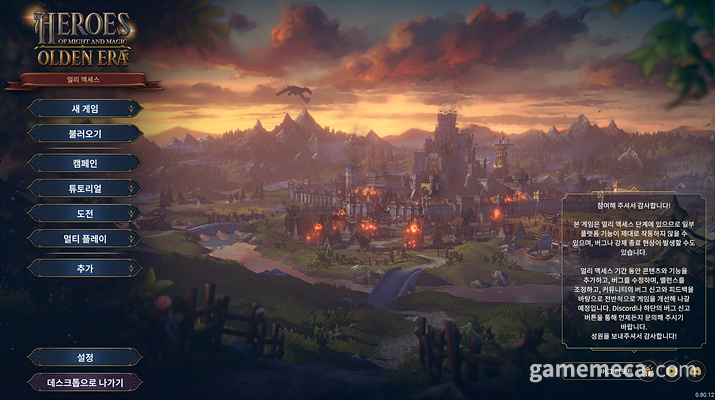
There's a game that's known as one of the 'big three time machines'. Civilization, Football Manager, and the Heroes of Might and Magic series. I'd heard whispers about these since I was a high schooler – outlandish tales of their power to turn top students into slackers, diligent office workers into the unemployed, and university students into perpetual crammers. Of the three, I only ever actually touched 'Civilization V'. Even then, I bolted after seeing the playtime hit 100 hours just from one playthrough on the standard mode.
Then, one day, news of 'Heroes of Might and Magic: Olden Era' (henceforth 'Olden Era') surfaced, piquing my interest. It was a new instalment, and as a games journalist, I felt it was necessary to at least try my hand at a famous series. So, during a long weekend that included Labour Day, I dipped my toes in for a bit, only to be met with a rather grim outcome. Without doing much of anything, my precious holiday vanished, with the playtime already clocking in at 40 hours.
Campaigns, Captivating Backgrounds and Stories
Olden Era is set on the planet 'Enroth', the same world that served as the stage for Heroes of Might and Magic 1-3. It specifically delves into events hundreds of years before the third instalment, allowing players to encounter familiar characters. The factions featured are Temple, Sylvan, Necropolis, Dungeon, Hive, and Schism.
Temple is primarily comprised of human paladins, Sylvan are forest dwellers, Necropolis are necromancers, and Dungeon is a coalition of various allied races. Hive and Schism are new factions; Hive brings to mind fiery insects, while Schism evokes alien creatures. Personally, I found the Dungeon units to have a rather weighty feel, and the Necromancer faction was particularly compelling, with their tier-one Skeleton soldiers either overwhelming enemies with sheer numbers or being swept away themselves.
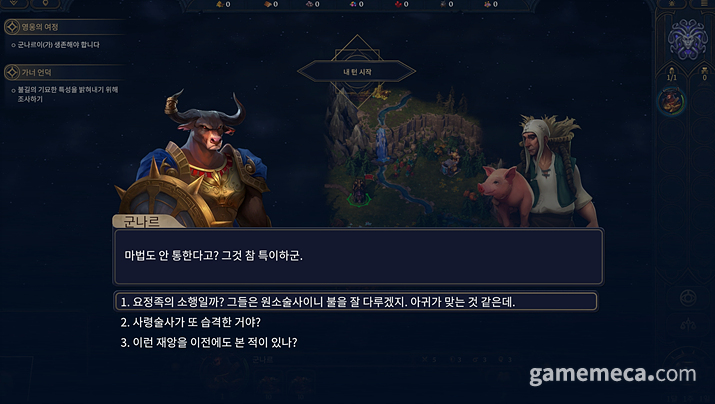
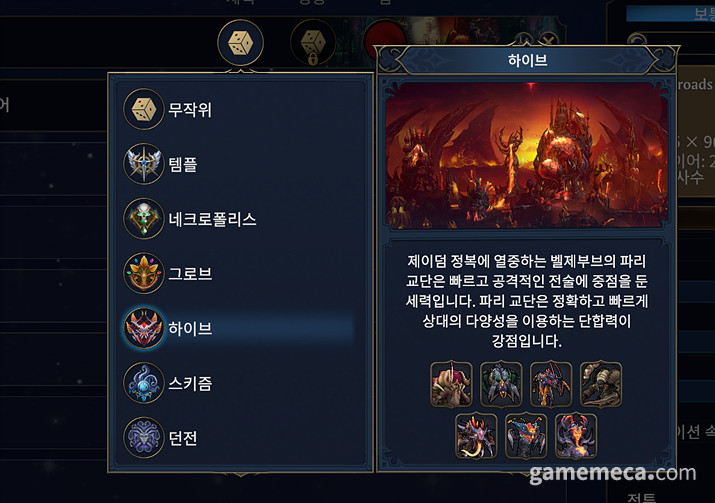
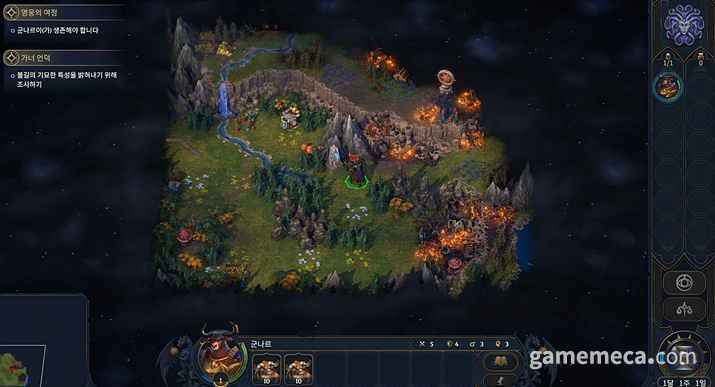
I primarily played the campaign, which serves as a good introduction to the game. Generally, I always play the campaign in strategy games, as it's a great way to understand the game's core mechanics. As Olden Era is still in Early Access, only the first chapter is implemented. Players take on the role of 'Gunnar', a Minotaur hero, investigating a phenomenon where fires refuse to extinguish, following the directives of the 'Three-Headed Beast'.
Overall, the campaign provided a satisfying experience. The difficulty was fitting for a strategy game, not exactly a cakewalk even on normal difficulty, but the sense of accomplishment upon clearing it was significant. Its strength lies in how it entertains newcomers to the HOMM series while teaching them how to play. The overarching synopsis also adds to the enjoyment, piquing interest with the sudden appearance of an unknown force and showcasing its power through a challenging final mission. The presence of special units like 'Guardians of Glory' also adds to the replay value.
Easy to Learn, Difficult to Master
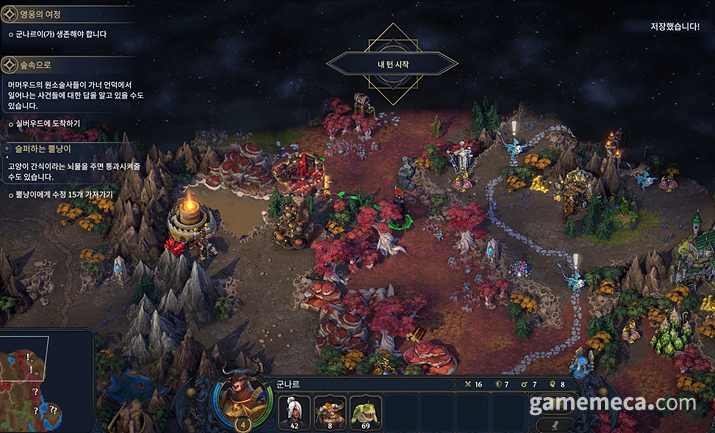
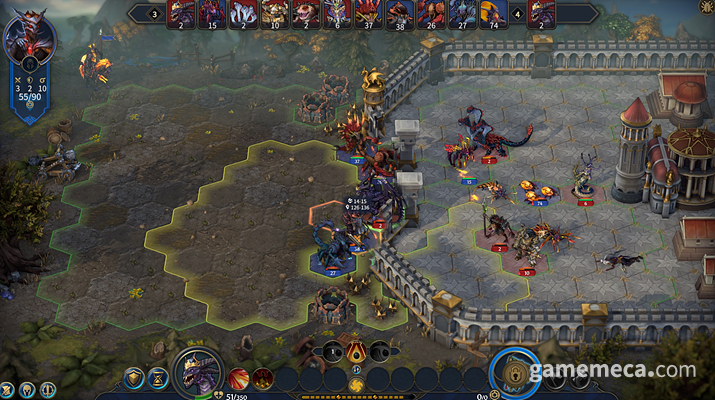
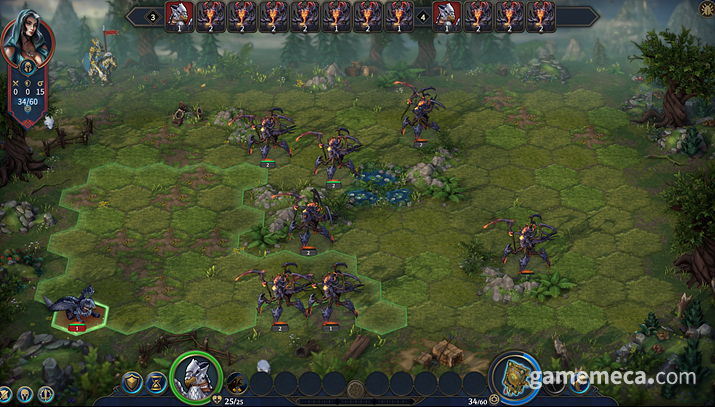
Olden Era adopts the typical strategy game structure of being easy to learn but difficult to master. Combat itself is not hard to get into. Battles are turn-based, taking place on a grid map where units are positioned, and one unit is controlled each turn. The system allows for both movement and attack simultaneously, though initially, I made mistakes by clicking incorrectly or only issuing movement commands, forgetting to attack, requiring some adjustment.
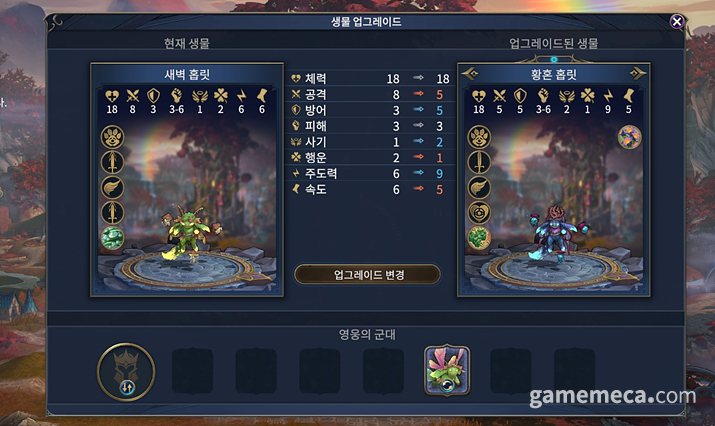
Each unit is composed of soldiers, and the more soldiers a unit has, the stronger its attack power. Units also attempt at least one counter-attack when attacked at close range. Ranged units can attack enemies at any distance freely, but their damage output decreases based on range. Each faction, while not perfectly balanced, presented distinct characteristics. For example, Dungeon units, while not the most tactically diverse, possessed considerable individual combat strength. The Necromancer faction, despite having units with lower combat power, was designed for easy troop multiplication. However, this made them harder to utilise effectively, and their initial units were quite weak, leading to a higher perceived difficulty compared to other factions.
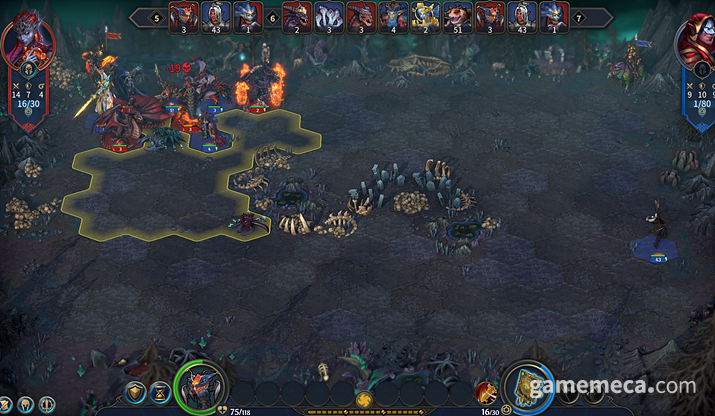
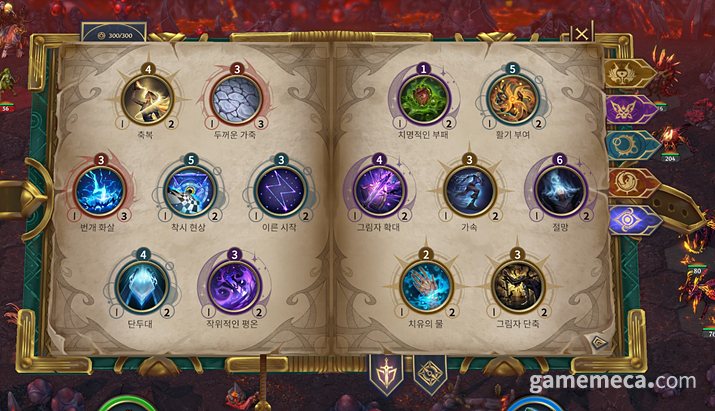
While the core combat rules were straightforward, the numerous interconnected systems and the 'Hero' significantly increased the complexity. Heroes, in particular, are central to the HOMM series. In Olden Era, heroes can perform basic attacks by consuming a shared 'Focus' gauge with their units, and they can cast spells using mana. The sheer number of spells available requires consideration of countless variables. Furthermore, the hero's equipped artifacts, learned skills from levelling up, and faction-specific laws applied to units can lead to unpredictable combat outcomes.
Of course, considering all these factors is the domain of advanced players. A newcomer like myself can still enjoy the game immensely by simplifying many elements. For instance, you can primarily use direct damage spells or exploit AI weaknesses to prolong the game. Given that each hero can command a maximum of seven unit stacks and has limitations on operating multiple troop types due to morale issues, there's no need to be intimidated from the outset.
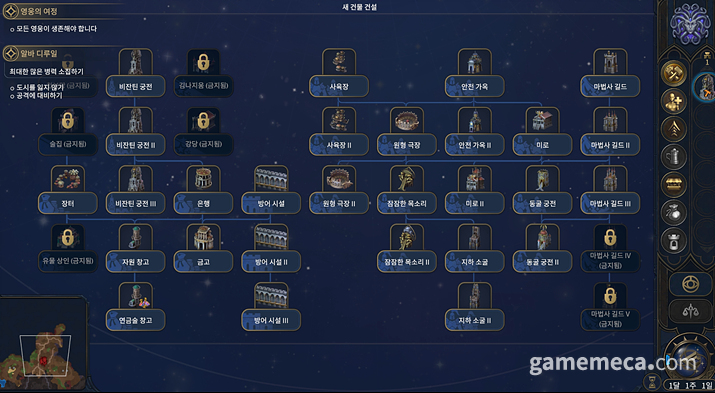
However, as a novice, I did find the lack of clear explanations for certain elements and the somewhat lacking UI frustrating. The directional targeting for attacking enemy units in combat felt clunky, and I only discovered late in the campaign that I could directly interact with buildings in cities. I had assumed the buildings were mere background elements and never even attempted to interact with them. It wasn't until after the campaign concluded that I learned artifacts could be upgraded. It seems likely there are many other features I missed and remained unaware of.
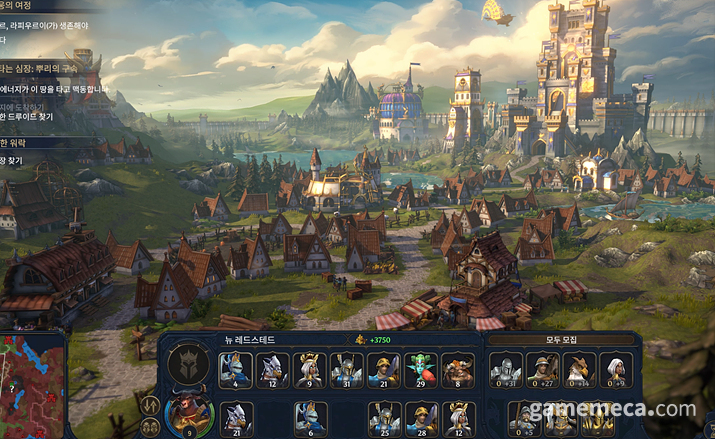
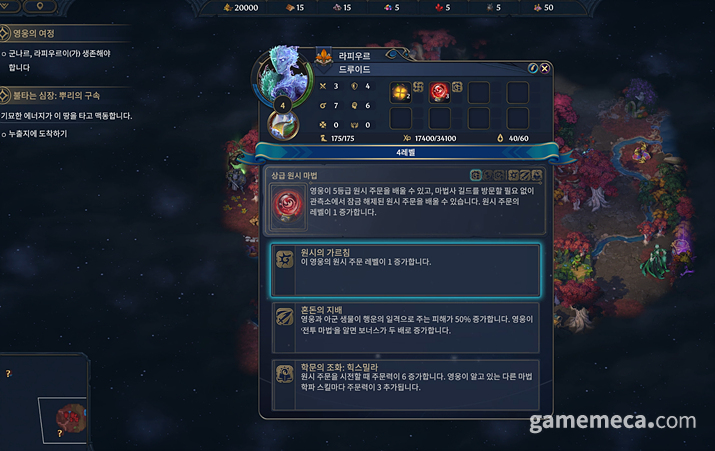
The Time-Sucking Turn-Based Mechanism Remains
Playing Olden Era, I fully experienced why it's considered a prime 'time machine' series. Just finishing the first campaign chapter put my playtime at 35 hours. The main reasons are the synergy between exploring the map and the turn-based system, along with hero-centric combat management. Firstly, troop production is limited to once per week in cities, and each turn represents one day. This means you have to wait 7 turns to acquire replenished troops.
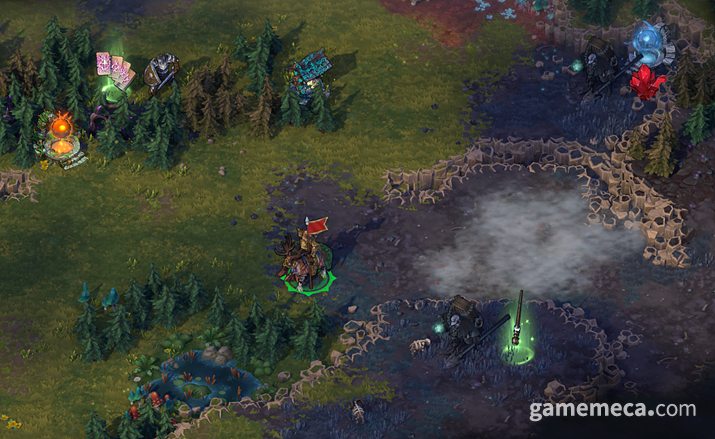
The issue is that the 'Hero' is the one directly managing the troops. The game's heroes have a limited movement range per turn, and they travel across the map with their troops to gather resources. Quicksilver, red ore, gems – numerous resources are required to expand your city. To achieve this, you must find scattered resources on the map and claim resource production sites as your own. If a production site is attacked, it can be lost, necessitating the stationing of some troops to defend it.
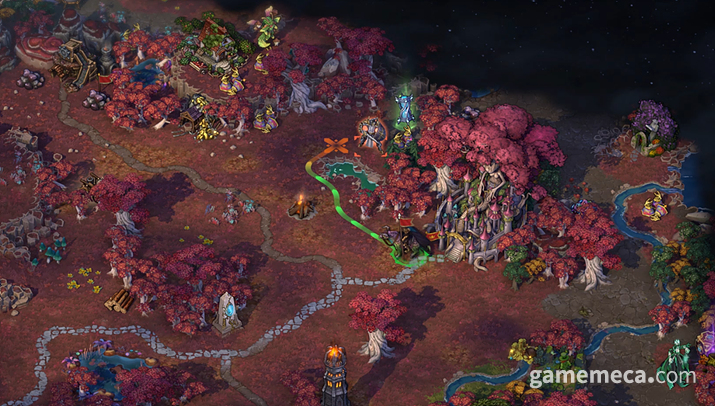
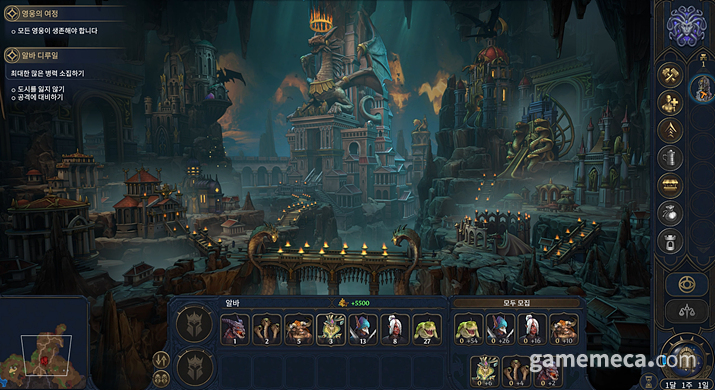
In addition, hero progression is crucial, so you must consistently hunt enemies to level up. Numerous actions are required per turn, and for each additional hero, the workload multiplies. Meanwhile, since troops are produced in cities, if combat depletes your forces, you'll need to return to the city. Overall, the game's structure inherently consumes a significant number of turns.
Of course, this also leads to deep immersion. A hero developed over a long period feels akin to an RPG character, and the thrill of tactical combat when assembling a large army and clashing with opponents is palpable. Even in defeat, strategising anew or contemplating 'What if I had done this then?' is also part of the enjoyment.
Beyond Classics and Campaigns: Various Modes
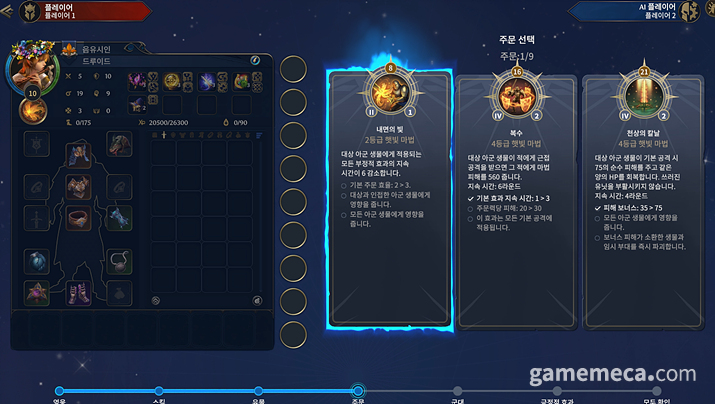
In addition to the campaign and standard classic mode, Olden Era features several other implemented content types. The Arena, in particular, is a mode where you quickly select a hero, equipment, and army through a draft system to battle opponents, and I found myself playing it frequently. Initially, I was easily defeated due to my lack of knowledge regarding unit strengths, weaknesses, and counters, but as I became more familiar, my win rate increased, and I began to enjoy it.
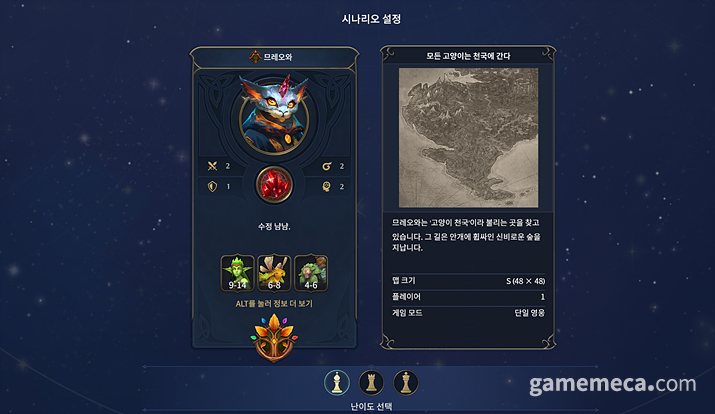
The Single Hero mode, unlike the standard classic mode where you control multiple heroes, allows for the development of just one hero, offering a quicker experience. If you're short on time or find multiple variables overwhelming, I'd recommend the Single Hero mode, where you manage one hero and their corresponding army. Additionally, 'Scenarios' are provided – short story maps that explain the game's lore but are distinct from the campaign.
Furthermore, there's content designed as advanced tutorials, called 'Challenges'. Each mission is intriguingly designed. For instance, a mission like 'Defeat enemies using only magic' requires learning to destroy equipment, enhance spells, and upgrade gear to be completable, greatly aiding in understanding the game's rules. However, the naming of this content as 'Challenges' is problematic. Generally, 'challenge' implies high-difficulty content, potentially causing confusion. It might be better to rename it something like 'Advanced Tutorial'.
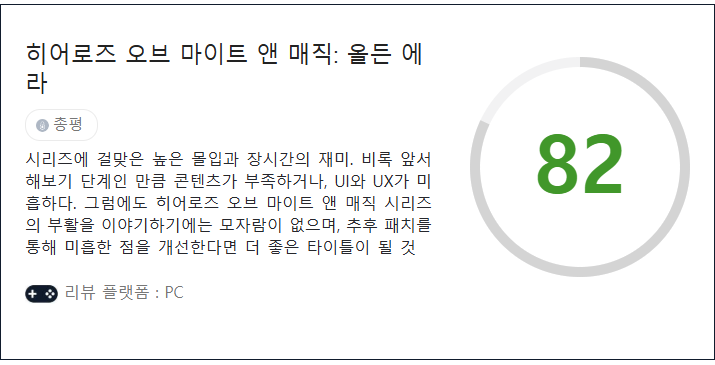
Olden Era delivers high immersion and long-lasting enjoyment befitting the series. Although, as it's in Early Access, some content is lacking, and the UI/UX could be more refined. Nevertheless, it shows promise for the revival of the Heroes of Might and Magic series, and with future patches addressing its shortcomings, it has the potential to become an even better title.
'3대 타임머신'으로 불리는 게임이 있다. 문명, 풋볼 매니저, 그리고 히어로즈 오브 마이트 앤 매직 시리즈다. 이에 대한 소문은 기자가 고등학생일 때부터 들어왔는데, 전교 1등을 꼴찌로, 성실한 회사원을 백수로, 대학생을 고학생으로 바꿀 위력이 있다는 거짓말 같은 말들이었다. 세 게임 중 실제로 손을 댄 것은 '문명 5'뿐이었다. 그마저도 일반 모드 단 한 판의 엔딩을 봤을 때 플레이타임 100시간이 찍힌 것을 보고 기겁해서 삭제했지만.
그러던 어느 날 '히어로즈 오브 마이트 앤 매직: 올든 에라(Heroes of Might and Magic: Olden Era, 이하 올든 에라)'의 소식이 들렸을 때 관심이 생겼다. 신작이기도 하고, 게임 기자인 만큼 유명한 시리즈를 한번 플레이해 볼 필요를 느꼈다. 그렇게 노동자의 날을 포함한 연휴에 게임을 잠시 플레이했는데, 이내 참혹한 결과와 마주했다. 아무것도 하지 않았는데, 귀한 연휴가 모두 사라졌고, 플레이타임이 40시간이 찍혀 있었기 때문이다.
캠페인, 매력적인 배경과 이야기
올든 에라의 시대적 배경은 히어로즈 오브 마이트 앤 매직 1~3편의 무대이기도 했던 '엔로스 행성'이다. 특히 히어로즈 오브 마이트 앤 매직 3편보다 수백 년 과거의 이야기를 다루고 있으며, 이에 따라 익숙한 인물들도 만나볼 수 있다. 등장하는 종족은 템플, 실반, 네크로폴리스, 던전, 하이브, 스키즘이 있다.
템플은 인간족 성기사가 주류이며, 그로브는 숲 종족, 네크로폴리스는 사령술사, 던전은 여러 동맹의 집합이다. 하이브와 스키즘은 신규 진영으로, 하이브는 불타는 곤충, 스키즘은 외계 생물이 연상된다. 개인적으로는 던전의 유닛들이 상당히 묵직한 감각을 전했고, 사령술사는 특히 1티어 해골 병사들이 압도적인 물량으로 밀려들거나 반대로 쓸려 나가는 감각을 전해 매력적이었다.
주로 플레이했던 것은 게임을 익히기 좋은 캠페인이었다. 일반적으로 전략게임에서 캠페인이 있다면 무조건 플레이하는 편인데, 게임이 강조하는 특성을 확인하기 좋기 때문이다. 올든 에라는 아직 앞서 해보기 단계였던 만큼, 1장만 구현됐다. 플레이어는 미노타우로스 영웅 '군나르'가 되어 삼두정의 지시에 따라 불이 꺼지지 않는 이상 현상을 조사하게 된다.
캠페인은 전반적으로 만족스러운 경험을 전했다. 난도는 전략게임에 걸맞게 낮지 않아 보통 난이도에서도 쉽게 허덕였지만, 클리어했을 때의 만족감은 상당했다. HOMM 시리즈 입문자에게 특히 게임을 어떻게 플레이하는지를 재미있게 알려주는 점이 강점이다. 전반적인 시놉시스도 재미를 더하는데, 갑작스럽게 등장한 미지의 세력으로 흥미를 돋우고, 클리어가 어려운 미션을 마지막에 등장시키며 그 강력함을 선보였다. '영광의 파수병'과 같은 특수 유닛도 등장해 플레이의 가치가 있다.
쉬운 입문, 어려운 마스터
올든 에라는 전형적인 쉬운 입문, 어려운 마스터의 전략게임 구조를 지녔다. 전투 자체는 입문이 어렵지 않다. 전투는 그리드 맵 위에서 유닛을 배치하고, 턴마다 하나의 유닛을 조작하는 턴제로 구현됐다. 또 이동과 공격을 동시에 수행하는 방식으로, 초기에는 클릭을 실수하거나 움직임만 지시해 공격을 하지 않는 등 적응이 필요했다.
각 유닛은 병력으로 구성됐고, 병력이 많을수록 더 강력한 공격력을 지닌다. 또 적에게 근접 거리에서 공격당하면 최소 1회 반격을 시도한다. 원거리 공격수는 모든 거리의 적을 자유롭게 공격할 수 있는 대신, 거리에 따라 피해량이 줄어든다. 각 종족 역시 밸런스는 완벽하지 않았지만, 서로 다른 특징을 내세웠다. 예를 들어 던전의 유닛은 전술적으로 다채롭지는 않지만, 하나하나의 기본 전투력이 상당했다. 네크로맨서 진영은 각 유닛의 전투력이 낮은 대신 쉽게 수를 불릴 수 있도록 설계됐다. 다만 그만큼 활용이 어렵고, 초기 유닛이 많이 약해 여타 종족대비 난도가 높게 느껴졌다.
전투 자체의 규칙은 단순했지만, 연계되는 수많은 시스템과 '영웅'이 복잡성을 크게 높였다. 특히 영웅은 HOMM 시리즈의 핵심으로, 올든 에라에서는 영웅이 유닛과 공유하는 게이지(집중)를 소모해 일반 공격을 가할 수 있고, 마나를 소모해 마법도 사용할 수 있다. 마법 역시 그 개수가 많아 수많은 변수를 고려해야 하고, 영웅이 장착하는 아티팩트와 레벨업으로 배우는 스킬, 진영의 법률 등이 유닛에 적용되며 예상을 벗어난 전투 양상이 펼쳐지기도 한다.
물론 이런 모든 것을 고려하는 것은 상위 플레이어의 몫이다. 본 기자처럼 처음 입문하는 유저라면, 많은 요소를 단순화해도 충분한 재미를 느낄 수 있다. 예를 들어 주로 직접 공격 마법을 사용하거나, AI의 허점을 노려 최대한 길게 게임을 가져가는 것도 가능하다. 또 한 영웅당 직접 운용하는 병력 편제가 최대 7개고, 사기가 떨어지는 문제로 여러 종의 분대를 운용하는 것에도 한계가 있어 처음부터 지레 겁먹을 필요는 없다.
다만 초심자였기에 게임에서 잘 설명해 주지 않는 요소나 부족한 UI에는 다소 불만이었다. 전투에서 적 유닛 공격 시 방향 설정이 다소 불편했고, 도시에서 지은 건물과 직접 상호작용할 수 있다는 사실을 캠페인 후반부에 알았다. 건물이 마치 배경처럼 보여 애초에 시도조차 하지 않았기 때문이다. 아티팩트가 업그레이드 가능하다는 사실은 캠페인이 끝나고서야 알았다. 이외에도 분명 놓치고 몰랐던 기능들이 많을 것으로 보인다.
여전한 시간 순삭 턴제 메커니즘
올든 에라를 플레이하며 왜 대표 타임머신 시리즈인지를 충분히 경험했다. 고작 캠페인 1장을 마무리했을 때 플레이타임이 35시간이었다. 큰 이유는 맵을 돌아다니는 탐색과 턴제의 어우러짐, 그리고 영웅 중심의 전투 운용이었다. 우선 병력 생산은 매주 1회, 도시에서 가능하며, 한 턴은 하루다. 즉 7턴을 기다려야 충원된 병력을 획득할 수 있는 셈이다.
문제는 게임의 병력을 직접 운용하는 것은 '영웅'이라는 점이다. 게임의 영웅은 턴마다 제한된 이동 거리를 지녔고, 병력과 함께 지역을 돌아다니며 자원을 모은다. 수은, 붉은 광석, 보석 등등 도시를 확장하기 위해서는 수많은 자원이 필요하다. 이를 위해서는 맵에 흩뿌려진 자원을 찾고, 자원 생산지도 내 땅으로 만들어야 한다. 생산지가 공격당하면 뺏기기에 일부 병력을 주둔시켜 방해할 필요도 있다.
이와 더불어 영웅 자체의 성장도 중요하기 때문에 레벨업을 위해 적들을 꾸준하게 사냥해야 한다. 한 턴에 수많은 행동이 요구되며, 영웅 하나가 늘어날 때마다 곱절로 일이 늘어난다. 그런 와중에 병력은 도시에서 생산되기 때문에, 전투를 반복해 병력이 소진되면 도시로 돌아가기도 한다. 전반적으로 많은 턴이 소모될 수밖에 없는 게임 구조를 띠고 있다.
물론 그만큼 게임은 깊은 몰입을 가져온다. 오랜 시간 동안 성장시킨 영웅은 마치 RPG의 감각을 전하며, 다수의 병력을 모아 상대와 부딪히는 과정에서 전술의 쾌감도 느낄 수 있다. 패배하더라도 전략을 수정하거나, '그때 이렇게 했다면 더 좋았을까?'와 같은 후회와 함께 다른 방향을 고심하는 것 역시 재미의 일부다.
클래식과 캠페인 외 다양한 모드
캠페인과 일반 클래식 모드 외에도 올든 에라에는 여러 콘텐츠가 구현됐다. 특히 투기장은 드래프트 방식으로 빠르게 영웅, 장비, 부대를 선택하고 상대와 대결하는 콘텐츠로 자주 플레이했다. 초기에는 유닛별 장단점, 상성을 전혀 알지 못해 쉽게 패배했지만, 점점 익숙해지며 승리 횟수가 늘어났고 재미도 느낄 수 있었다.
단일 영웅 모드는 여러 영웅을 제어할 수 있는 일반적인 클래식 모드와 달리 하나의 영웅만 육성할 수 있는 빠른 콘텐츠다. 만약 시간이 부족하고 여러 변수에 취약한 유저라면 하나의 영웅과 그 영웅에 걸맞은 병력을 운영하는 단일 영웅 모드를 추천한다. 이외에도 게임의 세계관을 설명하되 캠페인과는 구분되는 짧은 스토리 맵인 '시나리오'도 제공된다.
이외에도 특히 고급 튜토리얼 개념의 콘텐츠가 '도전'이라는 이름으로 구현됐고, 각각의 미션이 흥미롭게 설계됐다. 예를 들어 '마법만 사용해 적 처치' 미션에서는 장비 파괴, 마법 강화, 장비 강화 등을 익혀야만 클리어가 가능해 게임의 규칙을 익히는 데 큰 도움을 준다. 다만 문제가 있다면 '도전'이라는 콘텐츠 명칭이다. 일반적으로 도전은 상위 고난도 콘텐츠를 의미하는 만큼 혼동을 줄 가능성이 높아 '고급 튜토리얼' 정도로 명칭을 바꿀 필요가 있다.
올든 에라는 시리즈에 걸맞은 높은 몰입과 장시간의 재미를 전했다. 비록 앞서 해보기 단계인 만큼 콘텐츠가 부족하거나, UI와 UX가 미흡한 점이 눈에 띈다. 하지만 그럼에도 히어로즈 오브 마이트 앤 매직 시리즈의 부활을 이야기하기에는 모자람이 없으며, 추후 패치를 통해 미흡한 점을 개선한다면 더 좋은 타이틀이 될 것으로 보인다.
This news was translated by AI.

I will always love games. skyanze@gamemeca.com
READ MORE
-
 [TGS 26] Full of romantic comedy vibes, a hands-on review of Fall in Blue
-
 [TGS 26] The Taste of Strategy is Alive, Shangri-La Frontier: Seven Supreme Species Hands-on
-
 Intoxicated by the Expanded World, Exhausted by Combat, Control Resonant
-
 [TGS 26] Played with Teo for the first time in a while, Monster Hunter Wilds Ascendance
RECOMMENDED NEWS
MOST POPULAR NEWS
- Animo Prepares to Open Special No Brand Burger Store Ahead of Launch
- Popup events to be held in Dongdaemun and Yongsan to celebrate the release of Liftbound
- [Today's steam] Animorphs officially released, recording 100,000 Concurrent Players
- Deepening Crisis in Snezhnaya, Genshin Impact Version 7.1 Starts on the 23rd
- GTA 6 Online to support up to 32 players, confirmed through lawsuit documents
- [Today's steam] Normalized new FPS Wardogs surpasses 420,000 Concurrent Players
- An Ensemble Drama with Four Heroes, Fire Emblem Mazachanhong
- Gathering Cheonhwi and Slowly Falling for the Charm of 'Animo'
- [Today's steam] PC version of The War of Genesis Raising achieves 30,000 Concurrent Players
- What is the recently popular indie game genre 'DB Thriller'?
MEDIA PARTNERSHIPS



GAMEMECA SNS