
[gamescom 26] Stranger Than Heaven "Deals with one man's 50 years of life"
[gamescom 26] 스트레인저 댄 헤븐 "한 남자의 50년 삶 다룬다"
2026.08.29 11:28 UTC+9

AI Summary
Ryu Ga Gotoku Studio unveils Stranger Than Heaven at Gamescom 2026. Producer Sakamoto and Director Abe discuss the dark origins of the Tojo Clan. The game follows Makoto Daito's turbulent fifty-year journey across five eras.
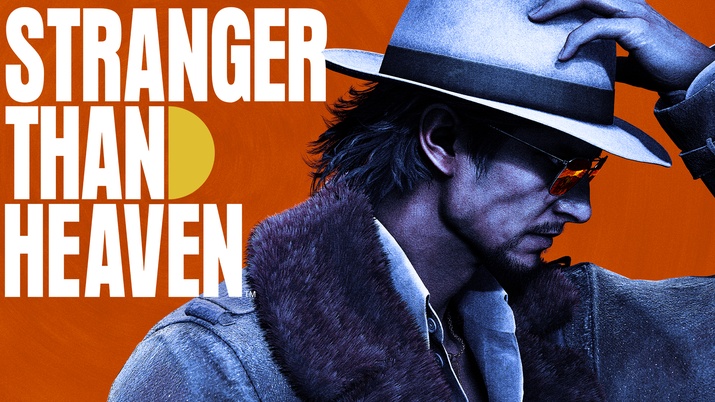
Stranger Than Heaven, the new title from Ryu Ga Gotoku Studio, delves into the life of Makoto Daito, the first chairman of the Tojo Clan, to which the long-standing protagonist Kiryu once belonged. Daito Makoto is of mixed heritage, treated as Japanese in America and as American in Japan, living as an 'outsider who belongs nowhere' before eventually founding the Tojo Clan.
Naturally, fans are hooked given the rich and compelling material packed into the character, ranging from the Tojo Clan's first chairman and outcast to yakuza and showman. Gamemeca managed to catch up with Producer Hiroyuki Sakamoto and Director Mikinobu Abe of Stranger Than Heaven at Gamescom 2026 to grill them about the lore and the man himself, Makoto Daito.
Q. We are dying to know the meaning behind the title Stranger Than Heaven. Having read in an interview that it shares vibes with a Jim Jarmusch film, if 'Stranger' symbolizes Makoto Daito as an outsider caught between Japan and America, then what does 'Heaven' represent?
Producer Hiroyuki Sakamoto: Japan itself has undergone various transformations through wars and history to reach where it is today. Makoto Daito comes to Japan and resides there for 50 years, and whether this place can truly become a genuine home is heavily emphasized in the story. The title thus encompasses the notion that Japan itself is a place stranger than heaven.
Q. The overall atmosphere feels strikingly grim compared to the Like a Dragon series, which always packed a cheeky punch of humor. Titles leaning closer to a piece of art rather than a mere product, alongside combat that sheds exaggerated flair for something brutally realistic, all point to a shift. What is the reason behind this change?
Producer Hiroyuki Sakamoto: The contemporary setting of the Like a Dragon series allowed us to embrace diversity, richness, and modern expression as a core development approach. Since this new project tackles the timeline of the yakuza syndicate's origins, using the exact same logic or techniques as contemporary dramas would make the era feel entirely mismatched and mechanically awkward, given the stark differences in technology and entertainment. What matters most is that in 1915, there was only a limited scope of entertainment unimaginable by today's standards. Focusing on the immersion and experience of each specific era felt like the artistic necessity, which naturally skied the tone to be slightly more serious than previous works.
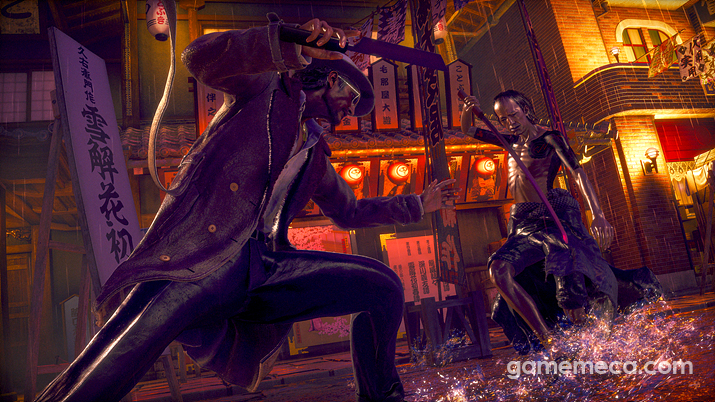
Q. Makoto possesses musical talent, pulling double duty as a 'showman' through sound collecting and composition. We are curious as to why these two seemingly alien identities of a yakuza and a showman were woven into a single character.
Producer Hiroyuki Sakamoto: Historically speaking, violent syndicates genuinely ran various entertainment businesses to secure leverage and funds. How they made money on the surface while gripping other interests in the underworld, and how they expanded their sphere of influence in the cracks between the surface and the shadows, are indispensable elements in depicting the origins of the yakuza. The entertainment ventures in this title heavily sway the narrative, eventually sparking bloody conflicts, which in a sense makes for a deeply realistic tale.
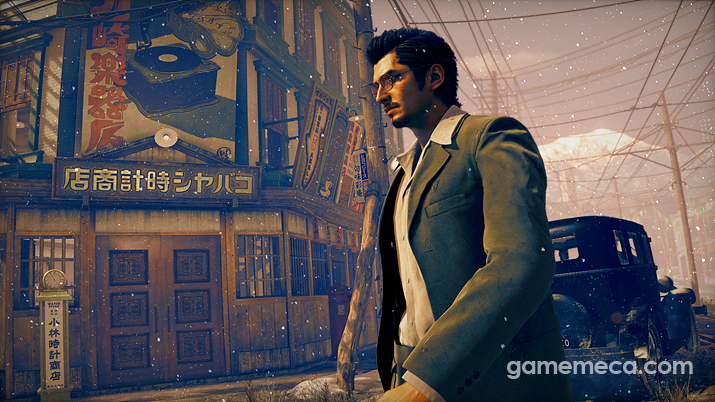
Q. The game spans five distinct eras and five cities. Why did you design the game to feature a different city for each era, and will players be able to revisit past cities as time moves forward?
Director Mikinobu Abe: We started with the idea of portraying a man's 50-year journey, and we wanted to express that through visceral gameplay and narrative experiences. When reflecting on one's life, spending 50 years in a single city just doesn't feel right; we felt that staging the story across multiple regions better captured the turbulent and dramatic life Makoto Daito had to endure.That is why we decided to kick things off with Makoto Daito arriving in Kudah in 1950, which was a massive industrial hub back then, making it a logical first stop. Starting with foreign deportation issues and export businesses, we wanted the narrative flow to wrap up in Tokyo by 1965. We handpicked specific life events that fit the 50-year evolutionary arc of Makoto Daito's life, placing him in these exact eras and cities to match. Furthermore, this is a man's life story, and just like real life, you cannot simply roll back the clock to a bygone era.
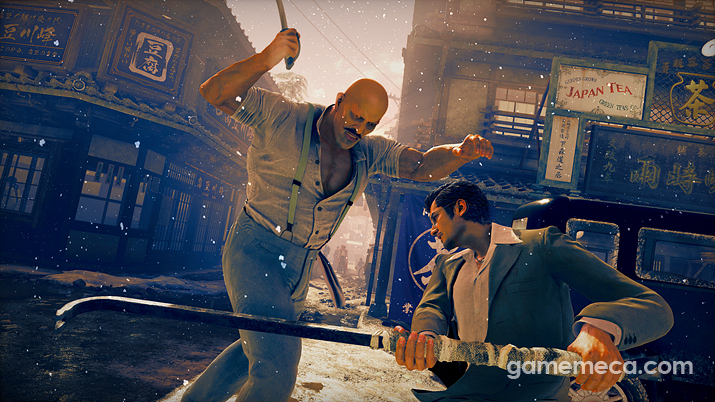
Q. The game utilizes a diverse arsenal of weapons. Before the Like a Dragon series pivoted to turn-based combat, players usually stuck to improvised environment weapons or roughly one dedicated weapon per character. What drove the decision to design the combat around multiple weapons?
Producer Hiroyuki Sakamoto: The primary goal was diversification, ensuring that every player's progression path and control style could differ. Nowadays, gameplay streaming and viewing culture are immensely active, and we wanted to widen the room for deep mastery and replayability where one player tackles encounters with a specific weapon and combat style, while another experiments with completely unanticipated tactics. Consequently, we cracked open the scope for user selection and customization far wider this time around.
Director Mikinobu Abe: To piggyback on that point, because of that exact design philosophy, we wanted players to forge their own paths through the combat system itself. Just like I mentioned earlier about not being able to return to past chapters, letting players dictate how Makoto Daito's combat style and weapon proficiency evolve was a core concept in crafting this combat system.
Q. Combat controls have departed from the traditional Like a Dragon action formula, introducing a two-handed combat system utilizing both the left and right hands along with refined combos. What was your main priority when designing the action, and is there any chance this combat style might be repurposed in future Like a Dragon titles?
Producer Hiroyuki Sakamoto: Absolute freedom was our top priority, allowing for a multitude of tactical approaches. Traditional Like a Dragon games relied on fixed combos like square, square, square, triangle, keeping things fundamentally rigid. In a way, it was a very textbook game design where you couldn't push past those limits. This time around, however, you can charge up ki, switch up combinations, and even launch attacks with one hand while holding your guard with the other.By intuitively playing around with these operational gaps, players can pull off stunts previously impossible. We believe this will serve as a solid foundation for crafting new action mechanics moving forward. Of course, this won't be shoehorned into the mainline Like a Dragon series; we consider this control scheme uniquely tailored to Makoto Daito and are laser-focused on refining it strictly for that purpose.
Q. Makoto frames the creation of the Tojo Clan as 'a sanctuary where those with nowhere else to turn can survive.' Judging by the thematic messaging of the Like a Dragon series, a storm of trouble is bound to brew along the way. What is the core message you want to impart through its establishment, and if the first chairman of the Tojo Clan could witness its current state, what kind of reaction do you think he would have?
Producer Hiroyuki Sakamoto: We never had any intention of romanticizing happy yakuza. People who live outside conventional society or perpetrate acts unacceptable in the daylight world must pay the price, and that stance hasn't altered a bit. Rather, because these individuals carry the weight of such environments and structures, the depth of their inner conflict is profound, allowing us to weave dramatic narratives otherwise impossible to feel in daily life—which remains a massive narrative advantage.While familiar core terms like the Tojo Clan will surface, the story is set in a bygone era, meaning direct ties to the existing series will be minimal. Describing it simply as the harrowing tale of a man surviving a stern and merciless era of upheaval hits closest to home. As for his reaction to the modern-day Tojo Clan, I must hold back to avoid heavy spoilers, but let's just say it won't be a mundane response. Plenty of turbulence awaits, so please look forward to the main game.
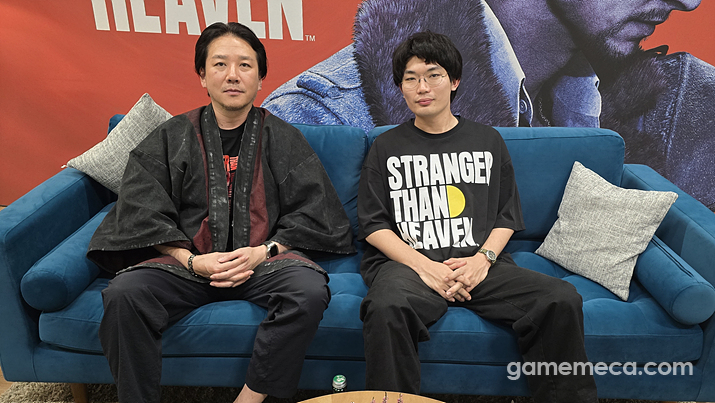
용과 같이 스튜디오의 신작 '스트레인저 댄 헤븐'은 용과 같이 시리즈의 오랜 주인공 키류가 몸 담았던 동성회 초대 회장 '다이토 마코토'의 일생을 다룬다. 다이토 마코토는 혼혈로, 미국에서는 일본인으로, 일본에서는 미국인으로 취급 받으며 '어디에도 속하지 못한' 이방인으로서 살아가다 동성회를 세우게 된다.
동성회 초대 회장, 이방인, 야쿠자, 쇼맨 등 매력적인 소재를 가득 담은 인물을 다루는 만큼 팬들의 관심도가 높다. 게임메카는 게임스컴 2026 현장에서 스트레인저 댄 헤븐 사카모토 히로유키 프로듀서, 아베 미키노부 디렉터와 만나 세계관과 다이토 마코토라는 인물에 대해 물어볼 기회를 얻었다.
Q. 타이틀명 '스트레인저 댄 헤븐'의 의미가 궁금하다. 짐 자무쉬 감독의 영화와 유사하다는 인터뷰를 읽은 바 있는데, '스트레인저'가 일본과 미국 어느 곳에 속하지 못하는 이방인으로서의 다이토 마코토를 상징한다면, 헤븐은 무엇인가?
사카모토 히로유키 프로듀서: 일본 그 자체는 전쟁 등을 통해 여러 변천을 거쳐 지금에 이르렀다. 다이토 마코토가 일본에 와서 50년 동안 거주하게 되는데, 이 장소가 과연 진정한 자신의 고향이 될 수 있을지가 이야기에서 매우 중요하게 다뤄진다. 이처럼 일본 자체도 천국보다 기묘한 장소라는 의미를 포함한 제목이다.
Q. 전반적인 게임의 분위기가 약간의 유머가 더해졌던 '용과 같이' 시리즈와 비교해 매우 진지하다. 상품보다는 작품에 가까운 타이틀명, 과장이 줄어들고 더 현실적으로 잔혹해진 액션 등이 그러하다. 변화의 이유가 궁금하다.
사카모토 히로유키 프로듀서: 현대극인 용과 같이 시리즈는 다양하고 풍부하며 현시대를 표현하는 것이 개발의 한 방식이었다. 이번 작품은 야쿠자 조직의 기원이 되는 시간축의 이야기를 만들고자 했으므로, 현대극의 다양성과 동일한 논법이나 기법을 사용하기에는 시대가 너무 다르고 여러 오락이나 기술에도 차이가 있어 똑같이 만들면 기형적인 형태가 된다. 가장 중요한 것은 1915년이라는 시대에 지금으로는 상상할 수 없는 한정된 오락만이 존재했다는 점이다. 각 시대의 몰입감이나 체험 등에 초점을 맞추는 것이 예술적으로 가장 요구되는 부분이라고 판단한 결과, 기존 작품보다 약간 더 진지한 방향으로 기울어진 인상을 주게 된 것 같다.
Q. 마코토는 음악적 재능을 보유해 소리 수집과 작곡으로 '쇼맨' 역할을 한다. 야쿠자와 쇼맨이라는 어찌보면 생소한 두 정체성을 한 캐릭터에 엮은 이유가 궁금하다.
사카모토 히로유키 프로듀서: 실제로 폭력조직 등이 여러 흥행 사업을 진행하며 이권을 얻어 온 역사적 흐름이 존재한다. 표면적으로 어떻게 돈을 벌면서 이면의 사회에서 또 다른 이권을 손에 넣을 것인지, 표면과 이면의 틈새에서 어떻게 세력을 확대할 것인지가 야쿠자의 기원을 묘사하는 데 빼놓을 수 없는 요소다. 이번 작품의 흥행 사업이 서사에 큰 영향을 미치며, 그것이 원인이 되어 항쟁으로까지 발전하는 것은 어떤 의미에서 매우 현실성 높은 이야기가 된다.
Q. 다섯 개의 시대, 다섯 개의 도시를 배경으로 한다. 시대마다 다른 도시를 배경으로 게임을 설계한 이유가 궁금하다. 또 시대가 바뀌면 이전에 갔던 도시에 다시 방문할 수 있을지 궁금하다.
아베 미키노부 디렉터: 우리는 한 남자의 50년 인생을 묘사하고 싶다는 생각으로 시작했고, 경험과 서사적 체험을 통해 그것을 표현하고자 했다. 자신의 인생을 생각할 때 50년을 한 도시에서 보내는 것은 명확하게 와닿지 않았으며, 오히려 더 많은 지역을 배경으로 삼는 것이 다이토 마코토가 겪어야 하는 격동적이고 극적인 삶을 표현하는 데 타당하다고 생각했다.그래서 다이토 마코토가 1950년에 당시 거대한 공업 지역이었던 구다에 오는 것으로 시작을 결정했고, 그가 가장 먼저 그곳에 오는 것이 이치에 맞았다. 타국과의 추방 문제 및 수출 사업으로 시작하여 서사의 흐름에 따라 1965년 도쿄에서 마무리되기를 원했다. 다이토 마코토의 삶을 50년 동안 변화시키는 서사에 부합하는 특정 인생 사건들을 선택했다. 그리고 그를 그 장소에 두기 위해 이 특정한 시대와 도시들을 선택했다. 또한 이것은 한 남자의 인생 이야기이며, 실제 인생과 같기 때문에 이전 시대로 돌아갈 수는 없다.
Q. 다양한 무기를 사용한다. 용과 같이가 턴제로 변화하기 전에는 임시 무기나, 혹은 캐릭터당 하나 정도의 무기를 사용했는데, 여러 무기를 사용하도록 설계한 이유가 궁금하다.
사카모토 히로유키 프로듀서: 가장 큰 이유는 플레이어마다 성장 방식이 다르고 조작 방식도 다르다는 점에서 다변화를 목표로 했기 때문이다. 현재 게임 플레이를 방송하고 그것을 시청하는 문화가 매우 활발한데, 이 사람은 이 무기를 사용하여 이런 전투를 하고 다른 사람은 또 다른 무기로 지금까지 생각하지 못했던 방식으로 싸우는 등, 여러 다변화를 통해 반복해서 즐기고 깊이 파고들 여지를 늘리고 싶었다. 따라서 사용자가 선택하고 맞춤 설정할 수 있는 범위를 이번에 더욱 개방했다.
아베 미키노부 디렉터: 이 부분에 덧붙이자면, 그러한 의도가 있었기 때문에 플레이어가 전투 시스템을 통해 어떤 방식으로든 자신만의 삶을 구축하기를 원했다. 이전 질문에서 돌아갈 수 없다고 말한 것처럼, 플레이어가 다이토 마코토의 전투와 무기 숙련도가 어떻게 달라질지 결정할 수 있게 하는 방식은 이 전투 시스템을 만드는 데 있어 매우 핵심적인 개념이었다.
Q. 전투 조작이 용과 같이 액션 시리즈와 다르게 변했다. 왼손과 오른손의 양손 전투를 구현했고, 약간의 콤보도 구현됐다. 액션에 있어 가장 중요하게 생각한 것은 무엇인가? 또 이런 액션이 향후 '용과 같이' 시리즈에 활용될 여지가 있을까?
사카모토 히로유키 프로듀서: 가장 중요하게 생각한 것은 자유도다. 다양한 공략법을 많이 생각할 수 있다. 지금까지의 용과 같이가 네모, 네모, 네모, 세모 버튼을 누르는 연계 기술이 있다면, 이를 바꾸지 않는 방식이었다. 어떤 의미에서 매우 전형적인 게임 형태였다. 그 이상의 것을 할 수 없었지만, 이번에는 기를 모을 수도 있고 조합을 바꿀 수도 있으며 심지어 방어하면서 다른 손으로 공격할 수도 있다.그러한 여러 틈새를 직관적으로 누름으로써 지금까지 할 수 없었던 것들을 할 수 있게 되었다. 이 점이 앞으로 새로운 액션을 만들 때 하나의 기반이 될 것이라고 생각한다. 물론 이는 '용과 같이' 시리즈에는 적용되지 않을 예정이다. 이 조작 방식은 다이토 마코토에게 어울리는 전용이라고 생각하며 그 부분에 집중하여 만들고 있다.
Q. 마코토가 전하는 동성회 창설 의도는 '돌아갈 곳 없는 이들이 살아갈 수 있는 곳'이다. '용과 같이' 시리즈가 전하는 메시지를 미뤄보아, 과정에서 파란이 예상된다. 창설 과정에서 중요하게 전하고자 하는 메시지는 무엇인가? 또 만약 동성회 초대 회장이 동성회의 현재를 봤다면, 어떤 감상을 전했을지 궁금하다.
사카모토 히로유키 프로듀서: 지금까지 행복한 야쿠자를 그릴 의도는 없었다. 일반 사회에서 살 수 없거나 일반 사회에서 통용되지 않는 일들을 해온 사람들은 그에 대한 대가를 치러야 한다고 생각한다. 야쿠자를 미화할 의도는 전혀 없으며, 이는 지금도 변함이 없다. 오히려 그러한 환경이나 구조를 짊어진 인간이기에 겪는 갈등의 깊이가 깊고, 평소에는 느낄 수 없는 극적인 서사를 그릴 수 있다는 점이 이야기 설계의 큰 장점이다.이번 작품에서는 동성회 등 여러 익숙한 핵심 단어들이 나올 텐데, 아주 오래전 시대를 그리는 이야기이기 때문에 기존 시리즈와 직접적으로 연동되는 요소는 매우 적다. 진지하고 가혹한 이 격동의 시대를 살아낸 남자의 이야기라는 점이 가장 이해하기 쉬운 설명일 것이다. 동성회의 현재 모습에 대한 감상은 줄거리 누설이 될 수 있어 삼가겠지만, 결코 평범한 반응은 아닐 것이다. 여러 파란이 몰아칠 예정이니 본편을 꼭 기대해 주기 바란다.
This news was translated by AI.

I will always love games. skyanze@gamemeca.com
MOST POPULAR NEWS
- [Today's steam] Valve's new title 'Deadlock' surpasses 230,000 Concurrent Players
- Representative Cho Seung-rae: "Gamescom's Strength is Strong B2B, Desperately Needed for G-Star"
- 'Dave the Diver' Complete Edition Released with All Expansions
- 2026 Worlds Theme Song Unveiled, Capturing Faker's Sixth Championship Glory
- [Cartoon] The arrival of the sharpshooter 'Aion 2'?
- Wardogs, which became the trend of shooting games, starts its second season on the 15th
- Valve's New Game 'Deadlock' Concurrent Players Surpass Team Fortress 2 Record
- "Destined to Disappear Anyway" CyberConnect2 CEO Supports Abolishing Physical Discs
- Dokkaebi World Achieves Number 1 Popularity on Both Major App Markets on Launch Day
- A Meeting of Isaac and Doom, Boomer Shooter 'Paperhead' Released on Steam
MEDIA PARTNERSHIPS



GAMEMECA SNS


 GAMEMECA GLOBAL SITE