
[Dead Game Spotlight] 'MindsEye', which was confident it would be the new GTA
[망겜소] 새로운 GTA를 자신했던 '마인즈아이’
2026.09.28 17:12 UTC+9

AI Summary
MindsEye launched as the worst game of 2025. It suffered from poor polish and strict missions. The studio faced severe layoffs and financial trouble.
*[Hidden Gems] is an abbreviation for 'Introducing Failed Games', a corner that looks back on titles receiving poor reviews from both critics and gamers alike, dissecting their failure factors from various angles such as features, systems, content, and market response.
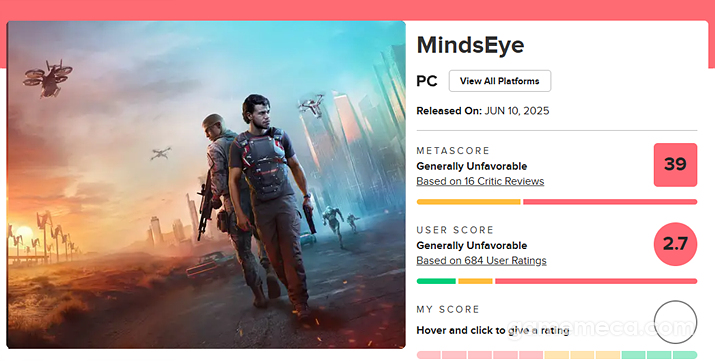
A new game was released on June 11, 2025. It had already drawn a massive amount of attention from gamers prior to launch, largely because it came from a studio founded by Leslie Benzies, a former producer at Rockstar North, and promised a third-person open-world action experience somewhat reminiscent of GTA. Yet, reality proved rather grim upon release. Scoring a dismal 39 on Metacritic (and a truly baffling 28 for the PS5 version), the worst game of 2025has officially claimed its throne. That title is, of course, MindsEye.
MindsEye is set in Redrock, a fictional near-future desert metropolis where robots handle menial labour and algorithmic visual implants attempt to foster a curious coexistence between humanity and machines. The protagonist, Jacob Diaz, is a former special ops soldier carrying a rather bizarre neural implant lodged inside the brain following some mysterious incident. The core gameplay loop revolves around third-person gunfights during campaign missions and cruising around the city in various vehicles. Drone-assisted artillery strikes, reconnaissance via the MindsEye implant, and robot hacking are also part of the toolkit.
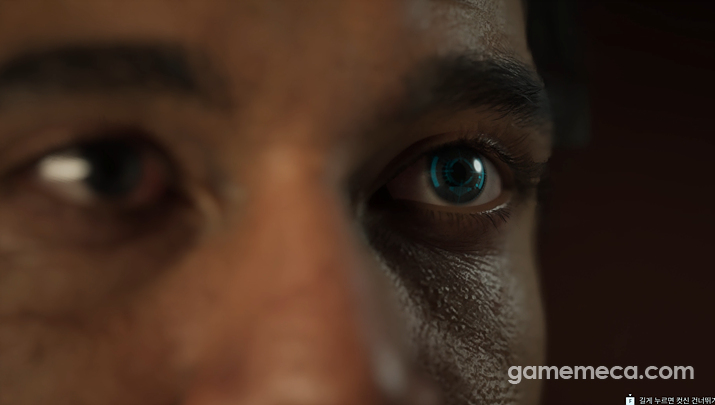
At first glance, you might reckon the overarching lore and setting sound genuinely charming. Initial impressions only reinforce this; unlike the typical neon-drenched cyberpunk aesthetic, this grounded, gritty near-future city feels wonderfully atmospheric. Little touches like contact-lens smartphones immediately catch the eye and pull you deeper into the immersion. In fact, your first hour with MindsEye makes it jolly difficult to see why it copped such brutal reviews. The opening cinematics and camera work even boast a cinematic flair.
Dig just a wee bit deeper, however, and the cracks begin to show. MindsEye's biggest issue is its systemic lack of cohesion across the board. Normally, when we talk about a game's 'polish', we mean a few bits of content feel a bit rushed, sparse, or unrefined. With MindsEye, it is rather different. Every single piece of content, system, story beat, and line of dialogue feels half-baked. To put it bluntly, it just doesn't feel finished.
Naturally, the element earning the harshest criticism from reviewers is the campaign's pacing and its rather limp connection to the game world. MindsEye sets up this vast, seemingly alluring open-world playground, only to leave you with absolutely bugger-all to do in it. The story campaign is fiercely linear, refusing to give you any breathing room to explore other districts. Even if you manage to wander off, the world offers precious little interaction outside of minor side missions. The city ends up feeling like an empty facade.
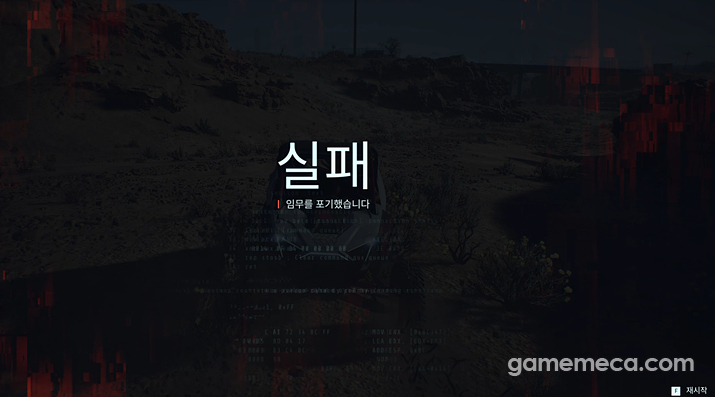
To make matters worse, the campaign missions enforce excruciatingly strict parameters. Stray even slightly from the objective, and the game instantly slaps you with a mission failure screen. Take car chases, for example: if your vehicle pauses for a split second or drifts too far from the target, it is straight back to the checkpoint. In firefights, accidentally grazing a civilian results in an instant fail. It is essentially the dreaded 'synchronisation failure' from the classic Assassin's Creed series, awkwardly shoehorned into an open-world sandbox.
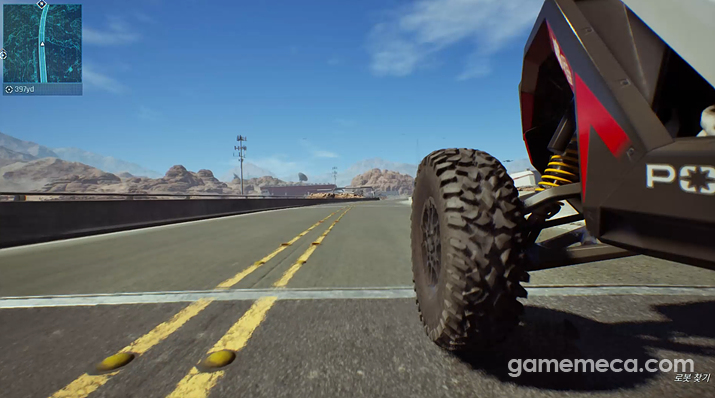
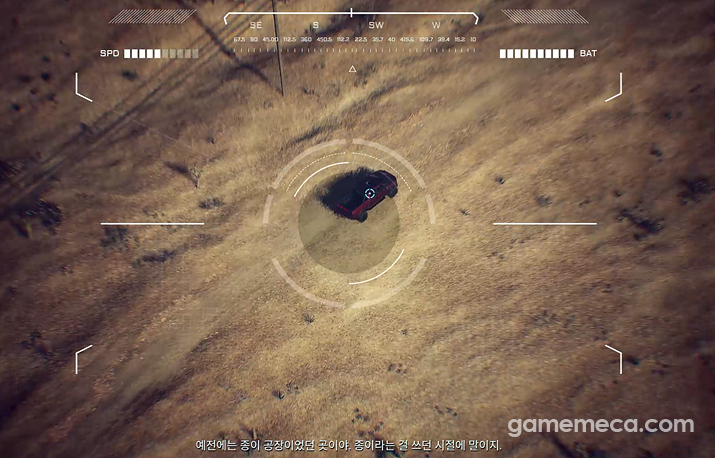
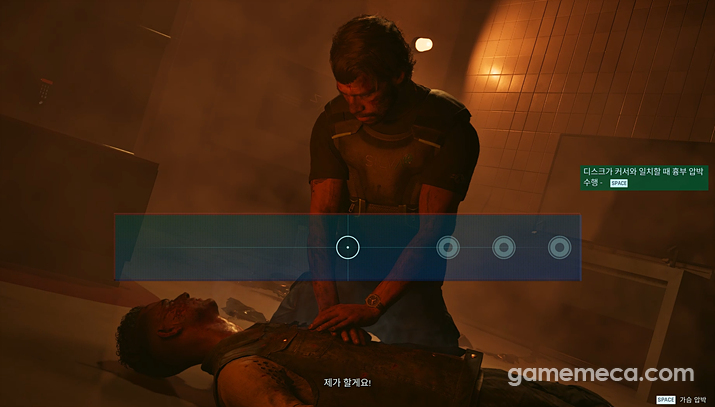
One might hope that a campaign with such draconian rules would at least boast stellar production values and a gripping narrative. Sadly, no. First off, it is plagued by bugs. At launch, cars would randomly launch into the stratosphere, enemies would freeze in place, and mission objectives would vanish into thin air. The campaign structure itself is painfully monotonous: drive to a waypoint, shoot some blokes, watch a cutscene, repeat. Driving makes up an overwhelming chunk of the playtime, while combat boils down to tedious cycles of popping into cover and firing, making the whole affair terribly drab. Toss in completely random minigames that kill the narrative momentum—such as a frantic CPR rhythm game triggered when trying to revive someone who just passed out from an explosion—and you have a recipe for confusion.
The heavy focus on driving also copped heavy flak. The roads are chronically congested, making navigation a headache, and vehicles handle like they are skating on butter—the slightest bump or cheeky drift sends them sliding wildly out of control. Pursuit sequences are downright bizarre; enemy cars move at impossible speeds and act like unstoppable bulldozers, ploughing through traffic without taking a scratch. Complaints about the driving mechanics were so widespread that the developers eventually had to patch in a feature allowing players to simply skip to their destinations.
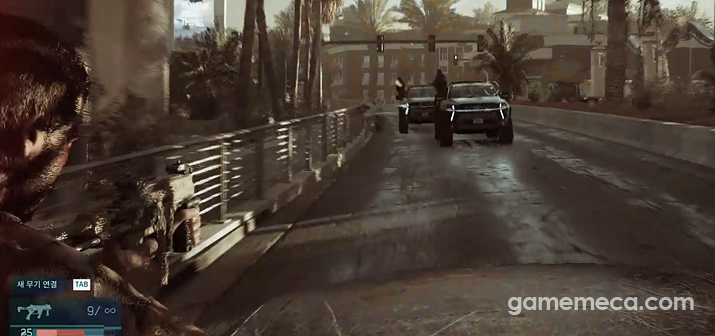
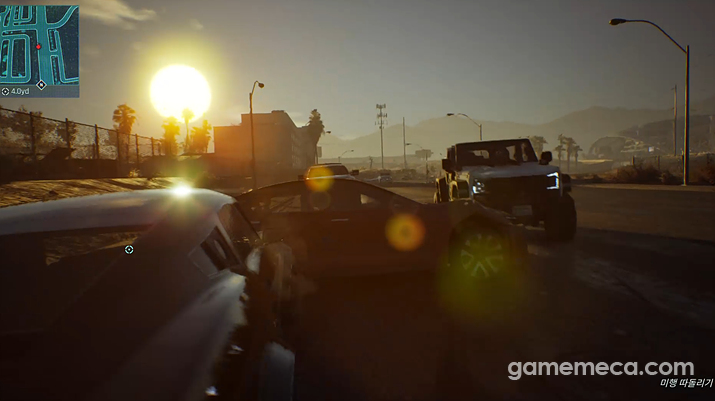
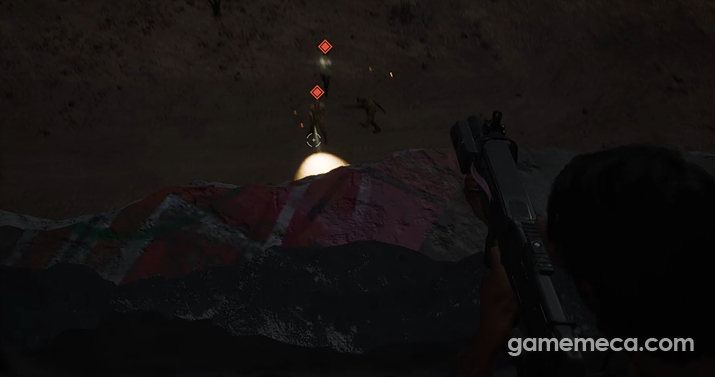
Combine stiff animations and lacklustre gunplay feedback with utterly clueless enemy AI, and you are left with a profoundly dull shooting gallery. While the feeble audio design for weapon impacts has been tweaked across multiple updates up to version 8.2, the animations and AI pathfinding still belong in a bygone era, well beneath the standards of 2026. Enemies still struggle to locate the player's position, often standing idly in one spot waiting to be picked off.
If that were the end of it, MindsEye would still have comfortably earned its sub-50 Metacritic score. What truly tanked the game's reputation among the community, however, was the studio head's rather combative PR approach. Mark Gerhard, co-CEO of developer Build a Rocket Boy, dismissed pre-release negativity as a "coordinated sabotage campaign by critics and players trying to pull the game down," which naturally invited even more scrutiny.
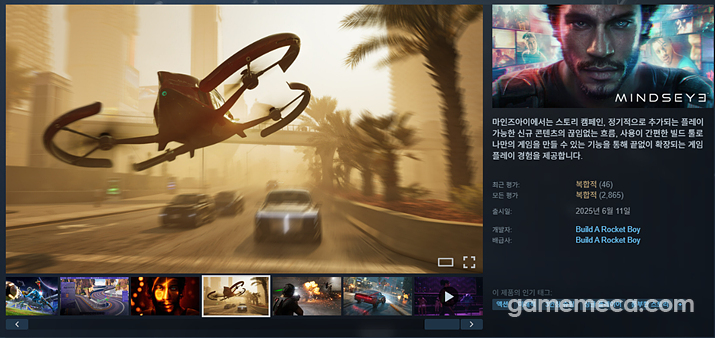
Unsurprisingly, MindsEye limped out of the gate on Steam with a 'Mixed' (48% positive) reception. To their credit, a steady stream of patches has managed to nudge recent reviews up to a 'Mixed' (63% positive) standing. Unfortunately, with developer Build a Rocket Boy having entered massive layoffs alongside administrationproceedings, hoping for any meaningful future patches or sequels is wishful thinking.
So, how did it end up releasing in such a rough state? While the exact reasons remain murky, insiders suggest that MindsEye was originally conceived as a spin-off project within Everywhere before its direction was completely overhauled. Everywhere was intended as an ambitious content platform and game hybrid being cooked up by Build a Rocket Boy—much like Minecraft or GTA Online, designed to let players build and share their own worlds. MindsEye was initially planned simply as a narrative-driven game playable within that ecosystem.
However, for reasons yet unconfirmed, MindsEye severed ties in 2024, signing a publishing deal with IO Interactive—the folks behind the Hitman series—to launch as a standalone title. Given that Everywhere has reportedly been in development for nearly eight years, it is hard not to wonder if a rather rocky development cycle finally spilled out into the open.
*[망겜소]는 '망한 게임을 소개합니다'의 줄임말로, 평단과 게이머 모두에게서 나쁜 평가를 받은 게임들을 돌아보며 특징, 시스템, 콘텐츠, 시장 반응 등 다각도에서 실패 요인을 짚어보는 코너입니다.
2025년 6월 11일 한 신작이 출시됐습니다. 락스타 노스의 프로듀서였던 레슬리 벤지스가 설립한 회사의 신작이라는 점, GTA와 비슷한 3인칭 오픈월드 액션게임이라는 점에 발매 전부터 많은 게이머들이 관심을 가졌죠. 하지만 실제 출시 후 게임의 평가는 참혹했습니다. 메타크리틱 평론가 평점은 39점(PS5 버전은 28점)을 기록하며 2025년 최악의 게임으로 자리했습니다. 그 게임의 타이틀명은 '마인즈아이(MindsEye)'입니다.
마인즈아이는 가상의 근미래 사막 도시 레드락을 배경으로 합니다. 레드락은 로봇이 단순 노동을 도맡고, 알고리즘으로 구성된 시각 장치가 도입되어 인간과 기계의 공존을 실험하는 도시입니다. 주인공 제이콥 디아즈는 전직 특수부대 군인이며, 기이한 사건에 휘말려 두뇌에 이상한 임플란트가 박힌 상태죠. 주된 콘텐츠는 캠페인에서 즐기는 3인칭 총격전과 차량을 타고 도시를 운전하는 것입니다. 드론을 이용한 포격과 마인즈아이 임플란트를 활용한 정찰, 로봇 해킹 등도 가능합니다.
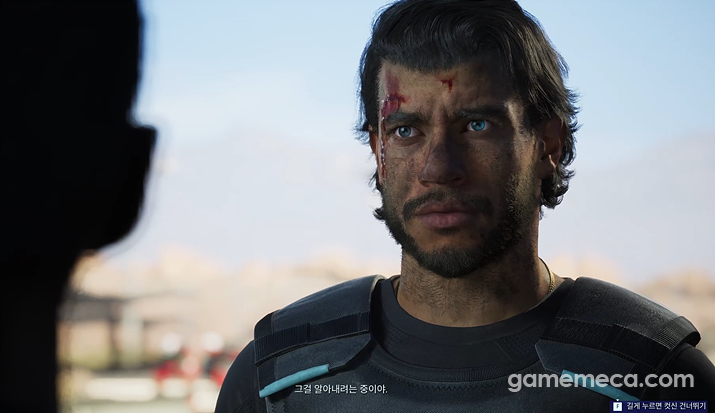
얼핏 들어보면 전반적인 세계관과 배경이 매력적이라는 것을 알 수 있습니다. 게임을 처음 시작하면 더 그러한데, '사이버펑크' 장르와는 사뭇 다르게 더 현실적으로 묘사된 근미래 도시는 현장감이 생생하고, 눈에 붙이는 렌즈 형태의 휴대 전화 등이 시선을 끌며 게임에의 몰입을 강화하죠. 첫 한 시간은 왜 마인즈아이가 이런 아쉬운 평가를 받았는지 알기 어렵게 만듭니다. 특히 초반부 연출이나 카메라는 영화적인 면모까지 풍깁니다.
하지만 조금 더 자세히 뜯어보면 마인즈아이의 부족함이 드러나기 시작합니다. 마인즈아이의 가장 큰 문제점은 종합적인 완성도입니다. 일반적으로 '완성도'를 지칭할 때는 특정 콘텐츠가 다소 아쉽거나, 부실하거나, 마감이 깔끔하지 않은 것을 뜻하지만, 마인즈아이에서는 다릅니다. 마인즈아이는 모든 콘텐츠, 시스템, 스토리, 대사 등 각각이 완성도가 떨어집니다. 더 정확하게는 완성이 되어있지 않습니다.
우선 평론가들에게 가장 큰 비판을 받은 요소는 캠페인의 흐름과 세계와의 부실한 연결입니다. 마인즈아이는 거대하고 매력적인 오픈월드 세계를 마련했습니다. 문제는 그 세계에서 할 수 있는 것이 없습니다. 스토리 캠페인은 매우 선형적이고 다른 지역을 탐험할 수 있는 기회 자체를 주지 않죠. 물론 탐험을 할 수 있더라도 상호작용 가능한 콘텐츠가 미니 미션 외에는 없습니다. 즉 도시는 겉모습만 있는 껍데기에 가깝습니다.
여기에 더해 캠페인 미션은 상당히 엄격한 기준을 가지고 있습니다. 조금만 목표에 어긋나도 곧바로 미션 실패를 선언하죠. 차량 추격전을 예시로 들면, 차가 잠시 멈추거나, 목표에서 멀어지기만 해도 실패합니다. 총격전에서는 민간인을 공격하면 실패하고 맙니다. 과거 '어쌔신 크리드' 시리즈의 '동기화 실패'를 오픈월드 게임에서 구현한 셈입니다.
그렇다면 이렇게 엄격한 기준을 가진 캠페인은 높은 완성도와 충실한 스토리를 지녔을까요? 아닙니다. 우선 버그가 많습니다. 첫 출시 당시만해도 차량이 날아가거나, 적이 굳거나, 미션 목표가 사라졌죠. 캠페인 진행 구조도 단조로웠습니다. 목표까지 운전, 전투, 컷신 연출이 전부였거든요. 심지어 운전의 비중이 높았고, 전투도 엄폐, 사격의 반복이어서 더 지루하게 느껴졌습니다. 그 와중 뜬금없이 등장하는 미니게임도 이야기의 흐름을 방해하는데, 폭발에 의식을 잃은 사람에게 뛰어가 진행하는 심폐소생 리듬게임이 대표적입니다.
비중이 높았던 차량 운전도 비판의 대상이었습니다. 도로 위에는 차가 많아 이동이 불편했고, 다른 차에 부딪히거나 조금만 드리프트를 해도 심하게 미끄러졌죠. 추격전 역시 기이했는데요, 적 차량은 비정상적인 속도로 질주하거나, 다른 차를 피하지도 않고 불도저처럼 밀고 지나가도 아무런 피해를 입지 않았습니다. 이런 운전에 대한 지적이 너무 많아 개발사가 패치를 통해 목적지로 스킵해주는 기능을 추가할 정도였습니다.
애매한 모션과 부족한 타격감의 전투는 허술한 AI가 결합되어 지루한 총격전이라는 지적을 받았습니다. 심지어 부실한 타격음은 8.2 버전까지 패치를 거듭하며 다듬었지만, 모션과 AI 움직임은 여전히 2026년에 어울리지 않는 품질을 유지하고 있습니다. 특히 적들은 여전히 주인공의 위치를 잘 찾지 못하고 한 자리에서 대기하는 일이 많아 찾아다니며 처리해야 합니다.
여기서 끝났어도 이미 마인즈아이는 메타크리틱 50점 이하에 걸맞는 게임이었을 것입니다. 하지만 유저들 사이에서 게임의 평판을 더 떨어뜨린 것은 바로 대표의 거침없는 행보였습니다. 개발사 빌드 어 로켓 보이의 공동 CEO 마크 게르하르트는 출시 전 부정적 여론에 "게임과 개발사를 깎아내리려는 조직적인 사보타주"라고 말하며 비판의 대상이 됐습니다.
그렇게 마인즈아이는 출시 이후 스팀에서 '복합적(48% 긍정)' 평가를 받고 말았습니다. 그나마 긍정적이었던 부분은 꾸준한 패치로 최근 평가를 '복합적(63% 긍정)'까지 끌어 올리는 것에 성공했다는 점입니다. 다만 아쉽게도 개발사 빌드 어 로켓 보이는 대규모 인력 감축과 더불어 법정 관리에 들어간 만큼, 향후 새로운 패치나 후속작은 기대하기 어려운 상황입니다.
그렇다면 왜 이런 아쉬운 완성도로 출시됐을까요? 정확한 이유는 알려지지 않았으나, 본래 마인즈아이 자체가 '에브리웨어(Everywhere)'의 하위 프로젝트였으나 방향성이 바뀌었기 때문이라는 주장이 나옵니다. 에브리웨어는 빌드 어 로켓 보이가 개발 중이었던 일종의 콘텐츠 플랫폼 겸 게임입니다. '마인크래프트', 'GTA 온라인'처럼 플레이어들이 원하는 대로 만들고 편집할 수 있는 세계를 지원하는 것이 목표였고, 마인즈아이는 그 에브리웨어 안에서 플레이 가능한 스토리게임으로 기획됐습니다.
하지만 마인즈아이는 2024년 모종의 사유로 '히트맨' 시리즈로 유명한 IO 인터렉티브와 퍼블리싱 계약을 맺은 뒤 독립적인 타이틀 출시로 바뀌었습니다. 에브리웨어는 공식적으로는 개발 기간이 약 8년에 육박한다고 알려졌는데, 순탄치 못한 개발 과정이 수면 위로 오른 것이 아니냐는 의견이 나왔습니다.
This news was translated by AI.

I will always love games. skyanze@gamemeca.com
READ MORE
-
 PvE Matchmaking Begins, Arc Raiders Teases 'Frozen Mountain Path'
-
 First cash dividend since listing, ActozSoft announces 5 billion won dividend plan
-
 Today's steam: 'Dressmaker', which even received a user Korean patch, is becoming a hot topic day after day
-
 Created 'Genshin Forest' at Yanghwa Hangang Park with 100 Users
RECOMMENDED NEWS
MOST POPULAR NEWS
- Recommended for the holidays, what is the trend in gaming tablets?
- South Korean National Team Set to Compete, PUBG MOBILE Asian Games Finals Imminent
- Into the Deeper Depths of Snezhnaya, Exploring Genshin Impact Version 7.1
- Enjoy Cute Adventures One-Handed, Animo Mobile Version Released
- [Today's steam] Factory-style graveyard management, Graveyard Keeper 2 released
- Nivalis Nights, Running a Restaurant in a Cyberpunk City
- Optimization Issues Lead to 'Mostly Positive' Steam Reception for Silent Hill: Townfall
- [Game Rank Analysis] "This is the real classic," WOW draws back veterans in droves
- [Today's steam] A game to make your own dress is released, followed by favorable reviews
- Com2uS to Host SWC2026 European Cup in Hamburg, Germany
MEDIA PARTNERSHIPS



GAMEMECA SNS


 GAMEMECA GLOBAL SITE