
A Harmonious Blend of Classic Anime Nostalgia and Stylish Combat, Astraea Oratio
고전 애니 감성과 세련된 전투의 조화, 아스트라에 오라티오
2026.10.06 18:02 UTC+9

AI Summary
Asora held its global closed beta test recently. Retro anime vibes and combo combat impressed players. Balance tweaks could make it a standout hit.
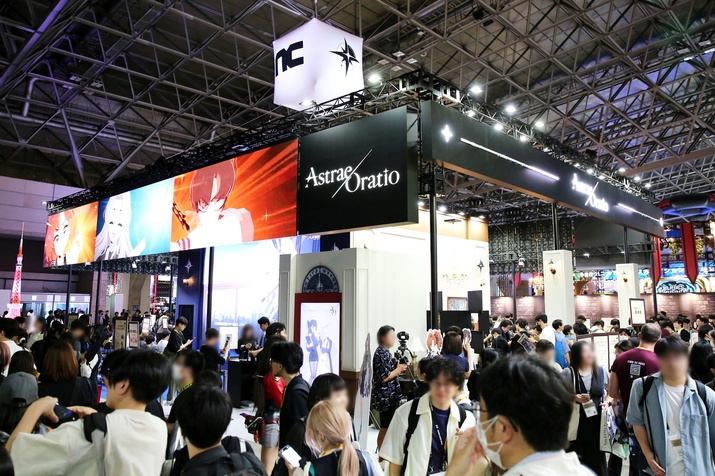
Look, let's be honest—Tokyo Game Show 2026 held in September was an absolute war zone for upcoming domestic subculture titles. Among them, the one generating the most palpable buzz was the new RPG Astraea Oratio (hereafter Asora), developed by Dynamis One and published by NC. Sporting a distinct art style heavily influenced by 90s Japanese animation and fronted by a colorful roster of magic-wielding heroines, the title grabbed everyone's attention, drawing enough eager gamers at the convention floor to max out the organiser's official 120-minute maximum queue time.
A playable demo was available back then, but we finally got a proper, extended chance to dig into the game. Running from October 2 to 6, a mobile-based global closed beta test let us experience new content firsthand. Going hands-on with Asora revealed a title that carves out its own niche by pairing retro-soaked visuals and storytelling with surprisingly sophisticated, combo-driven turn-based combat. The developer managed to strike that sweet spot of evoking nostalgia without ever feeling painfully dated.
Art That Sells an Immersive Theme, Not Just Pretty Faces
The most striking takeaway from this test is the sheer quality of the art direction. Rather than lazily relying on pretty character models to do all the heavy lifting, the title weaves a unified narrative about secret urban mages and the ordinary chief who looks after them, instantly pulling you into the world. This charm shines brightest right from the opening main story chapter, "Tokyo, Civil Servants, and Mages."
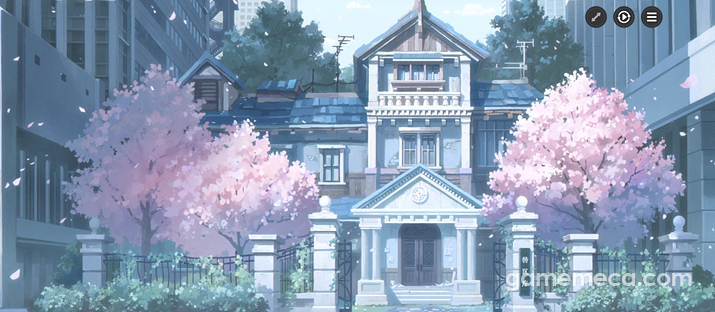
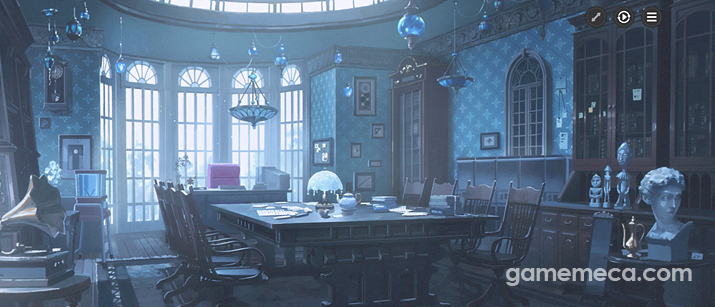
In the game, the lead character is an actual civil servant in the real world who is so devoid of ambition that they hand in a resignation letter and check out mentally. However, summoned by Chief Ai of the Special District Bureau—an outfit tasked with managing mages—the protagonist is dragged into an unexpected journey. The prevalent blue-tinted backdrops subtly reflect the lead's rather bleak, melancholic state of mind while consistently depicting a hidden other-world resting right beneath our reality, making it effortless to slip into this unfamiliar setting.

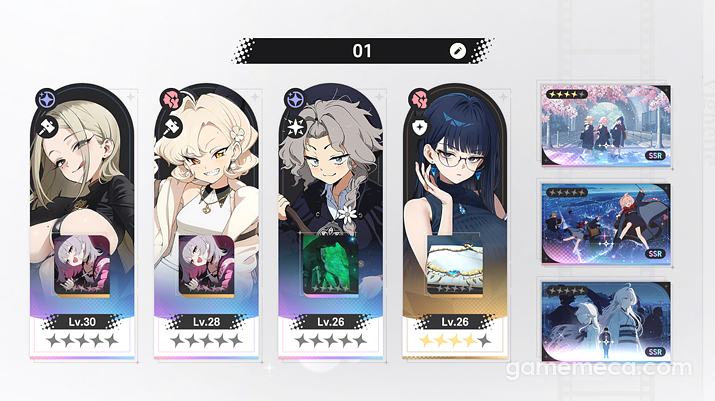
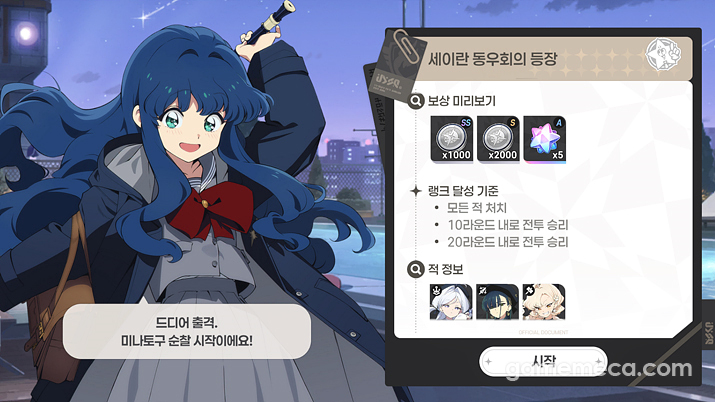
The distinct personalities of the cast also shine through clearly. Every playable character in Asora is a mage. They are bundled into three-person clans, yet each member maintains a sharp, identifiable theme separating them from their peers. We have Chikage, a Tokyo University student radiating a cold demeanour; Akina, who relies on alchemical magical tools; and Erin, a magical-girl archetype who accidentally awakened latent arcane powers.
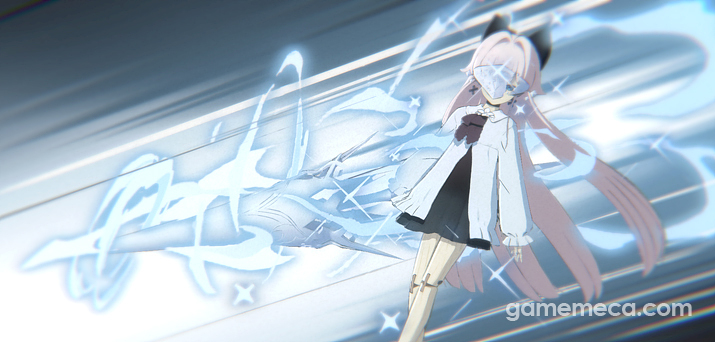
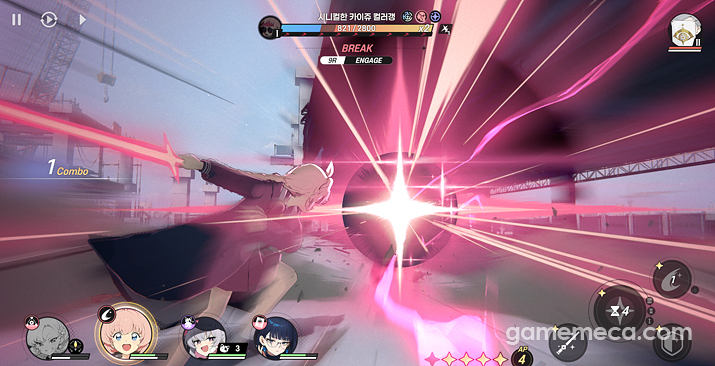
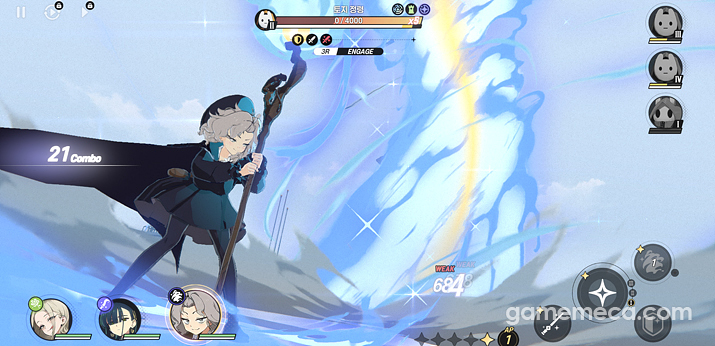
These themes aren't just superficial lore notes. Chikage specializes in defensive skills forged from solid ice, while Akina chucks Ramune bottles packed with explosive pyrotechnic force into battle. Erin rolls out explosive magic highlighted by pink visual effects matching her hair colour. A character's thematic identity is tightly welded to their combat strengths, and skill animations strictly adhere to these motifs. It makes for an absolute spectacle to watch while ensuring you understand precisely what each unit brings to the table.
A Narrative Rhythm Straight Out of a 90s Anime
Alongside the aforementioned opening arc, two additional story episodes dropped during this test. One is "The Sparkling Days of Minato Ward Mages," following the chaotic misadventures of schoolgirls crossing paths at Minato Junior High, and the other is "The Night of Shinjuku Ward's Vanished Mages and Ghost Hunters," which tracks the supernatural escapades of the Ikebukuro Ghost Story Research Lab after a routine paranormal report spirals into a runaway labyrinth mystery.
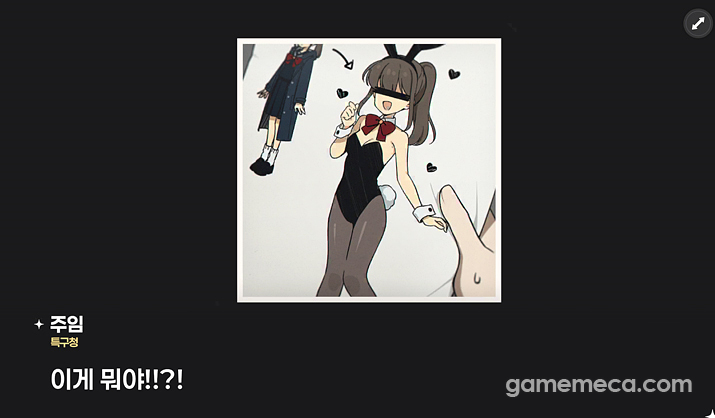
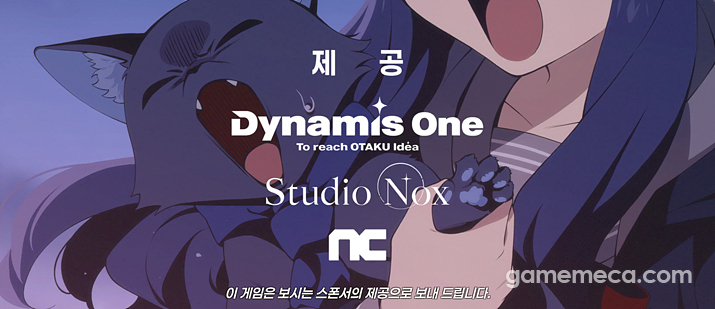
The general storytelling cadence heavily channels the vibe of 90s Japanese animation. From chunky character designs featuring big round eyes to nostalgic touches like girls plotting to swap their school uniforms for bunny suits, or a seemingly demure maiden harboring a soft spot for B-grade splatter flicks, the game is stuffed with throwbacks. The opening sequence spotlighting main characters on their school commute, the classic broadcaster disclaimer stating "This program is brought to you by the following sponsors," and scene transitions reminiscent of classic anime "Eyecatches" all demand a second look.

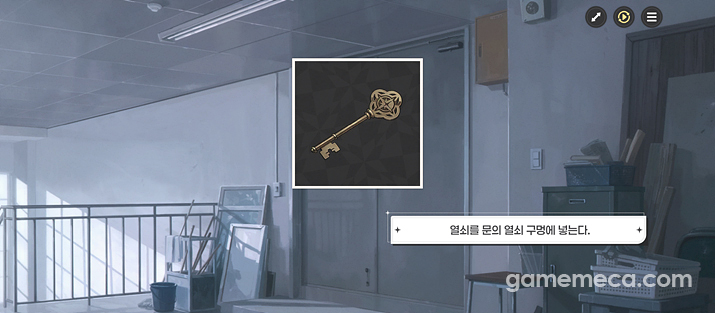
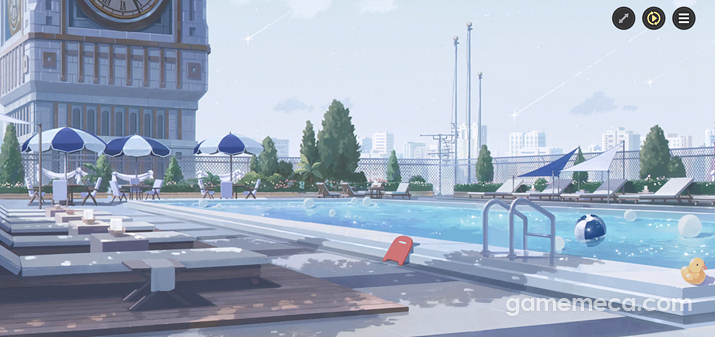
This setup aligns neatly with Asora's self-proclaimed genre label: "Shin-denki" (Neo-denki). Popularized from the 90s to the early 2000s, Neo-denki is a sub-genre of urban fantasy where ordinary protagonists stumble upon bizarre entities, get dragged into strange incidents, and discover hidden supernatural spaces lingering right behind daily life. True to form, inserting a mysterious key left behind by the chief instantly peels back the facade of an empty school rooftop to reveal a massive, hidden swimming pool.
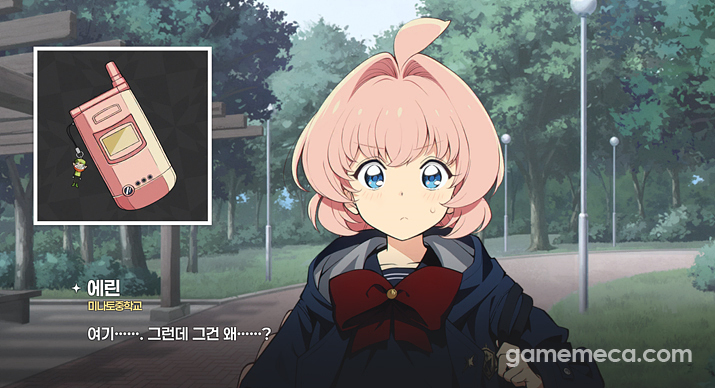
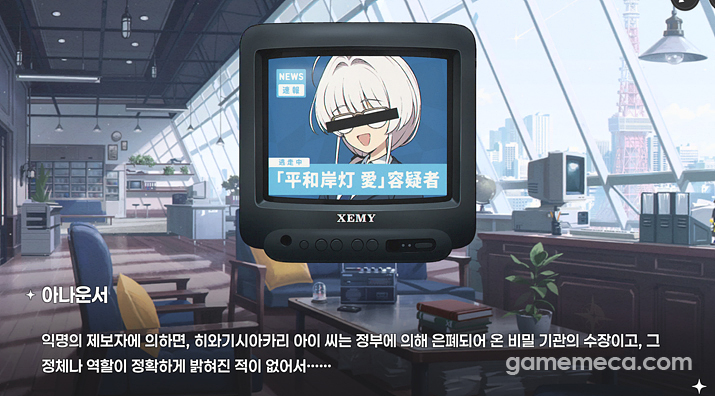
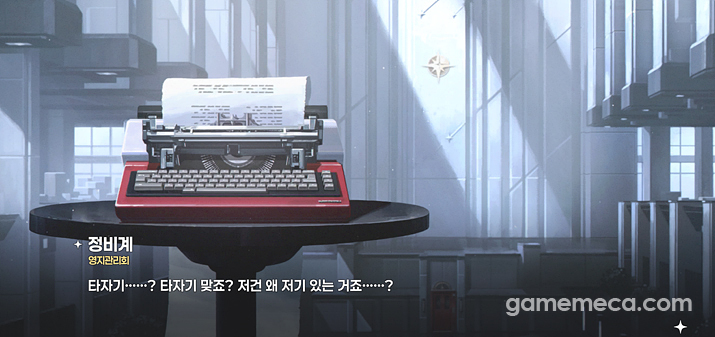
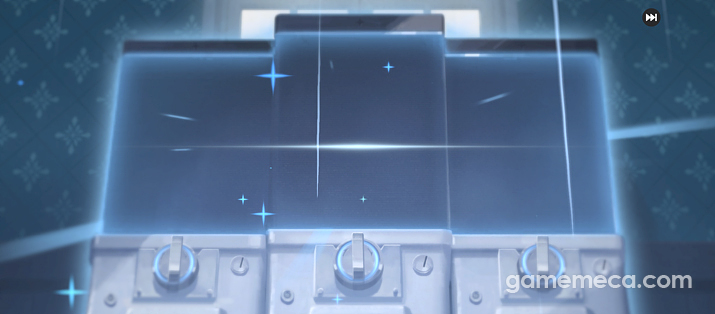
Beyond these structural nods, Asora enthusiastically litters retro props throughout the entire experience. Feature phones wielded by characters, old-school videotapes, fat 4:3 cathode-ray tube televisions, gacha capsule machines used for summoning pulls, and lonely typewriters all make appearances. By layering Neo-denki tropes, nostalgic narrative pacing, and vintage everyday objects, the studio clearly hits its target of sniping straight at player nostalgia.
While eras feel somewhat scrambled—such as seeing the lead holding a smartphone while stumbling into another world—these scenes communicate that the game world isn't a straight 1:1 copy of modern reality. Instead, it plays out as an alternate setting where the 80s and 90s weirdly coexist, allowing disparate time periods to mesh without feeling jarring. That encounter with a space that feels simultaneously familiar and alien runs deep into the core of the world-building and narrative.
Real-Time Turn-Based Combat That Relishes Parries and Counters
Finally, let's dive into the combat mechanics. Asora deploys four-character squads in a turn-based framework heavily reliant on real-time execution. Instead of trading polite, alternating blows like standard traditional RPGs, the core loop revolves around reading the flow of battle to squeeze out as many advantageous offensive windows as humanly possible.
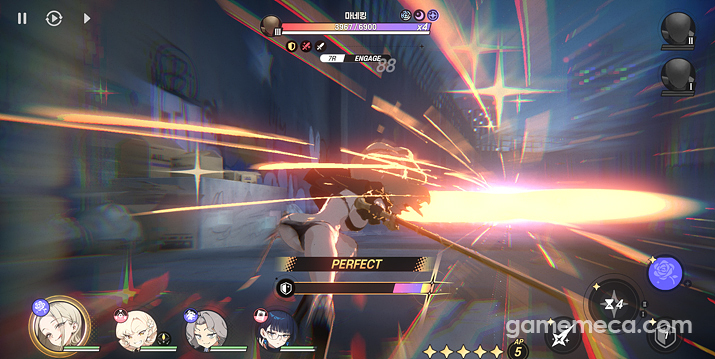
First off, parrying incoming enemy strikes carries immense weight. Whenever a telegraphed enemy strike prompts a parry window, a judgment gauge flashes at the bottom of the screen, demanding precise button timing to pull off a 'Perfect' deflection. Failing to parry results in hefty HP losses, and settling for a mere 'Good' rating is far less forgiving on health pools than nailing the 'Perfect' timing. Nailing those timings proves slightly punishing at first, but mastering it is essential for survival.
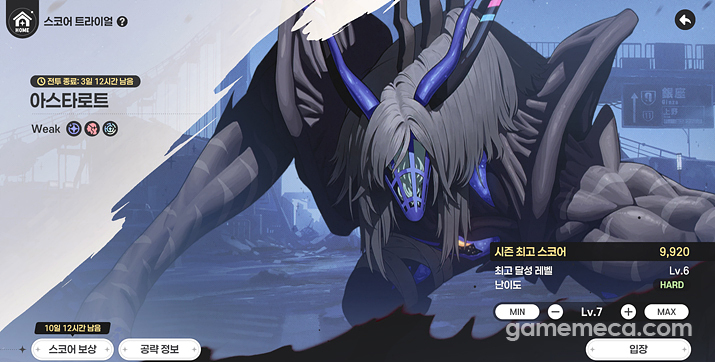
Of course, certain incoming onslaughts entirely bypass standard parry logic. For unblockable attacks, players must lean on Tag Defense skills—such as those deployed by Chikage and her ice shields—to bleed off incoming damage. Meanwhile, Astaroth—a boss featured in the high-difficulty "Score Trial" challenge mode—unleashes attacks that can exclusively be shut down by bringing specific characters equipped with suppression skills.
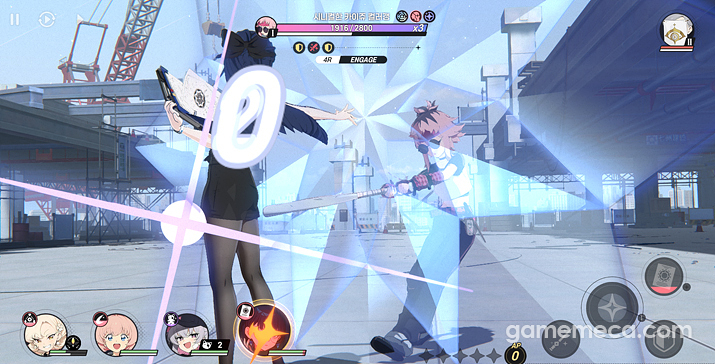
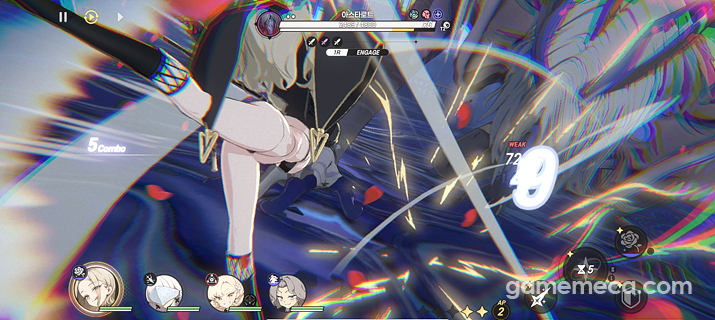
Attacks requiring these special counter-tactics are color-coded in advance using yellow, red, or purple indicators. Matching icons flash at the bottom of the screen to signal which party member fits the bill. You cannot simply mash buttons; reading enemy behavior beforehand and executing reactive counter-play forms the crux of the tactical depth. Crucially, both enemies and players can push targets into a "Break" state, generating high-stakes tension as you hunt for moments to whale on opponents without letting your own squad buckle.
On top of that, attacks don't simply stop after a single strike; you can keep chaining moves until your squad's Action Points run dry, and you even have options to claw back extra AP. When paired with "Domain Declarations," which reset skill cooldowns and hand out bonus offensive opportunities, things get wild. Properly timing a Domain Declaration after spending a chunk of your AP lets you string together jaw-dropping combos that deliver massive damage alongside sheer tactile satisfaction.
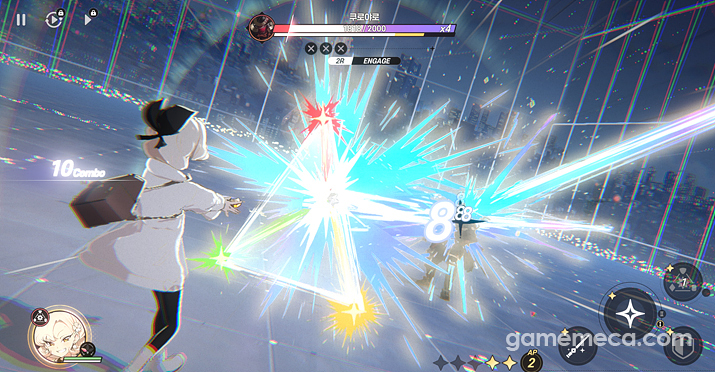
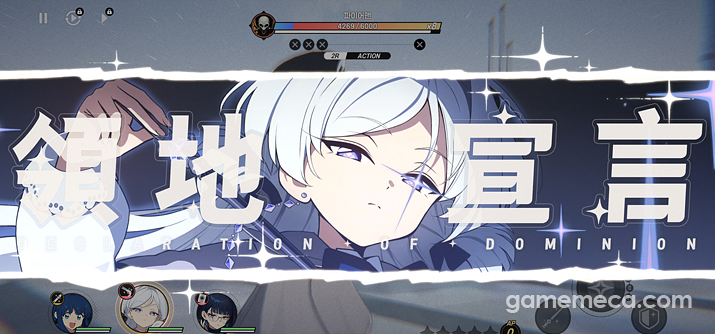
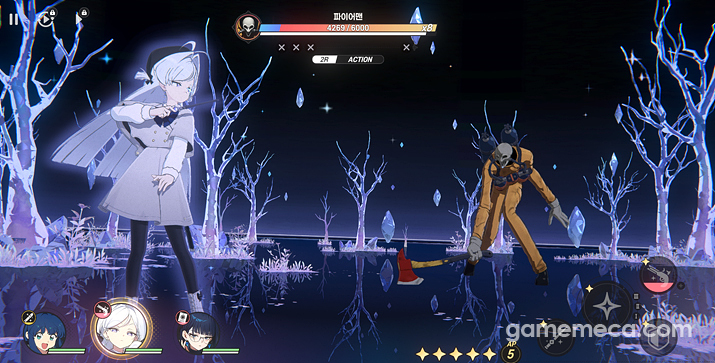
Characters in Asora fill diverse roles and elements, forcing players to constantly rotate squad compositions depending on the threat. Stages packed with unblockable threats demand at least a couple of units boasting defense skills, while other modes test your roster's suppression chops. Simply hoarding high-rarity units won't cut it; building a versatile stable across different roles to match specific combat encounters is mandatory.
Naturally, the progression loop features a robust suite of farming activities. There is the Score Trial mode where pushing boss levels yields growth materials, quests that drop grimoires and stelae, and simulation rooms built for targeted resource farming. Pushing characters into mid-to-late game tiers spikes material requirements aggressively, though story chapters during this test could be consumed back-to-back regardless of quest grinding progress. Expecting players to chew through the narrative first and then grind out side activities for upgrade mats seems to be the long-term live-service trajectory.

A Passing Grade on First Impressions, With High Hopes for the Final Polish
All things considered, Asora's maiden global closed beta test walks away with a very respectable passing grade. The studio laid down a rock-solid foundation backed by gorgeous retro art direction and compelling narrative hooks, while successfully carving out a unique identity through combat blending real-time twitch execution with combo finesse. The fact that the game demands varied squad compositions, keeping niche characters relevant and out of the dustbin, is a brilliant health indicator for a subculture title.
A few rough edges remain, such as tiny UI elements that make reading incoming enemy move queues harder than it needs to be. If the team addresses these pain points using player feedback harvested during this beta, the title stands a brilliant chance of cementing itself as a polished masterpiece by launch day. Adieu, mates!
9월 열린 도쿄게임쇼 2026은 국내 서브컬처 게임 신작의 격전지였다. 그중에서도 관심작으로 떠오른 것은 디나미스 원이 개발하고 엔씨가 서비스하는 RPG 신작 ‘아스트라에 오라티오(이하 아스오라)’다. 90년대 일본 애니메이션 감성을 강조한 아트에, 마법을 테마로 한 미소녀 캐릭터 다수를 앞세워 이목을 집중시켰고, 도쿄게임쇼 현지에서 주최 측이 제시한 최대 대기 시간인 120분을 꽉 채울 정도로 많은 게이머의 방문을 유도했다.
당시에도 시연 버전이 공개됐으나, 게임을 좀 더 자세히 살펴볼 수 있는 기회가 열렸다. 10월 2일부터 6일까지 모바일로 진행된 글로벌 비공개 테스트를 통해 새로운 콘텐츠를 직접 경험해볼 수 있었다. 테스트를 통해 만나본 아스오라는 레트로 감성을 강조한 아트와 스토리에, 콤보의 재미가 살아 있는 세련된 턴제 전투를 더해 차별화를 꾀했다. 추억을 자극하면서도, 촌스럽게 느껴지지 않는 적정한 지점을 찾아낸 점이 돋보였다.
예쁜 것을 넘어 확실한 테마로 몰입감 높이는 아트
이번 테스트에서 가장 인상적인 부분은 비범한 아트 완성도다. 단순히 예쁜 캐릭터를 앞세우는 것을 넘어 도시에 숨어 사는 마법사와 이를 돕는 평범한 청장의 이야기를 통일된 테마로 전달해 몰입도를 높여준다. 이러한 묘미가 가장 두드러지는 부분은 게임을 시작하면 만나볼 수 있는 메인 스토리인 ‘도쿄, 공무원, 그리고 마법사’다.
게임 속 주임은 현실에서도 공무원으로, 꿈이 없어 사직서를 내고 삶을 포기한 상태다. 그러나 마법사를 관리하는 특구청의 아이 청장의 부름을 받고 예상치 못한 여정을 시작하게 된다. 전반적으로 푸른빛이 강조된 배경은 주임의 다소 우울하고 가라앉은 심정을 간접적으로 드러내면서도, 현실에 숨은 이공간을 일관되게 그려내어 처음 보는 세계에 자연스럽게 빠져들도록 한다.
각기 다른 개성을 앞세운 캐릭터들의 특징도 확실히 표현된다. 아스오라에 등장하는 플레이 캐릭터는 모두 마법사다. 3명씩 짝을 지어 클랜으로 묶이며, 같은 클랜 내에서도 다른 마법사와 구분되는 뚜렷한 테마를 지니고 있다. 차가운 이미지가 강조된 도쿄대생인 치카게, 연금술로 만든 마도구를 쓰는 아키나, 우연히 마법사로서의 힘을 일깨운 마법소녀 이미지의 에린 등이 있다.
앞서 이야기한 테마는 설정으로 끝나지 않는다. 치카게는 단단한 얼음을 활용한 방어 스킬이 특기이며, 아키나는 화염의 힘을 담은 라무네를 던지며 전투한다. 에린은 머리색과 같은 분홍빛 연출이 돋보이는 폭발력 있는 마법을 앞세웠다. 캐릭터 테마와 전투에서의 강점이 단단히 연결되어 있으며, 전투 시 스킬 연출도 테마에 맞춰 통일되어 있다. 이러한 부분은 보는 재미를 제공함과 동시에, 캐릭터의 강점을 명확하게 이해할 수 있도록 한다.
90년대 애니메이션이 떠오르는 스토리 전개
이번 테스트에서는 앞서 이야기한 첫 스토리와 함께 스토리 2개가 공개됐다. 미나토 중학교에서 마주친 여학생들이 좌충우돌하는 이야기를 그린 ‘미나토구 마법사들의 반짝반짝한 나날들’과 괴담 제보를 받고 출동했으나 미궁의 가출 사건에 휘말리게 된 이카나 괴담 연구소의 여정을 그린 ‘신주쿠구 사라진 마법사와 괴담 사냥꾼들의 밤’이다.
전반적인 전개 방식은 90년대 일본 애니메이션과 같은 느낌이 강하다. 동그란 눈동자에 선이 굵은 캐릭터 디자인부터 바니걸 복장으로 교복을 바꾸고 싶어 한다거나, B급 고어물을 좋아하는 조신해 보이는 미소녀처럼 예전 생각이 나는 여러 요소가 곳곳에 배치되어 있다. 등굣길 풍경으로 주요 캐릭터를 조명하는 오프닝, ‘이 방송은 이러한 스폰서의 제공으로 보내드린다’라는 안내 문구, 일본 애니메이션의 ‘아이캐치(광고 전후에 들어가는 짧은 장면)’를 연상시키는 장면 전환 등이 눈길을 끌었다.
이러한 구성은 ‘신전기’를 표방한 아스오라의 주제와도 맞물린다. 신전기는 90년대부터 2000년대 초에 유행했던 어반 판타지 하위 장르다. 무료한 일상을 보내던 주인공이 기이한 존재와 조우하며 이상한 사건에 휘말리고, 일상 속에 비일상적인 공간이 숨어 있다는 것이 신전기의 특징이다. 아스오라에서도 청장이 남긴 의문의 열쇠를 사용하니 텅 비어 있던 학교 옥상에 숨겨져 있던 거대한 수영장이 모습을 드러낸다.
앞서 이야기한 부분 외에도 아스오라는 예전 소재를 게임 전반에 적극적으로 활용하고 있다. 캐릭터들이 사용하는 피처폰, 비디오 테이프와 4 대 3 비율의 뚱뚱한 브라운관 TV, 캐릭터 뽑기 연출에 사용되는 가챠 기계, 덩그러니 놓인 타자기 등이 등장한다. 신전기, 예전 애니메이션이 떠오르는 스토리 전개, 각종 소품이 더해지며 추억 저격이라는 방향성이 명확하게 살아나는 식이다.
시대가 다소 뒤섞였지만, 초반 스토리에 스마트폰을 든 주임이 이세계로 넘어온 듯한 설정을 살펴볼 수 있었다. 이러한 장면을 기반으로 게임 속 세계가 현실을 그대로 모방했다기보다는, 80년대와 90년대가 묘하게 공존하는 또 다른 곳이라는 점을 명확하게 전달해 크게 어색하지 않게 여러 시대를 묶어내는 흐름을 보인다. 익히 알고 있으면서도 어딘가 낯선 공간과의 조우가 세계관과 스토리에도 깊이 녹아있는 셈이다.
패링과 반격의 맛이 살아 있는 실시간 턴제 전투
마지막으로 집중적으로 살펴볼 부분은 전투다. 아스오라는 캐릭터 4명이 한 팀을 이루며, 턴제지만 실시간 컨트롤 비중이 높은 전투 방식을 선보인다. 일반적인 턴제처럼 플레이어와 적이 한 방씩 주고받는 것이 아니라, 전투 흐름을 읽어 유리한 공격 기회를 최대한 많이 가져오는 것이 핵심이다.
우선 적 공격을 받아치는 패링이 차지하는 비중이 높다. 패링해야 하는 선제 공격 타이밍이 되면 화면 하단에 판정을 표시하는 바가 등장하며, 퍼펙트 구간에 버튼을 눌러 정확하게 쳐내야 한다. 패링하지 않으면 체력 손실이 커지며, 굿보다는 퍼펙트가 체력 보존에 유리하다. 처음에는 타이밍을 맞추는 것이 다소 까다롭지만 최대한 많은 퍼펙트를 달성하는 방향으로 집중할 필요가 있다.
패링으로 대응하는 것이 불가능한 공격도 있다. 가령 저지 불능은 얼음 방패를 쓰는 치카게처럼 태그 디펜스 스킬을 사용해 최대한 대미지를 줄여야 한다. 난이도를 높여가며 전개하는 일종의 보스 챌린지인 ‘스코어 트라이얼’에 등장하는 아스타로트는 제압 스킬을 지닌 캐릭터로만 대응 가능한 공격을 펼치기도 한다.
앞서 설명한 특수 스킬로 맞서야 하는 공격은 노란색, 붉은색, 보라색 등 각기 다른 색으로 사전에 표시된다. 이에 적합한 캐릭터도 화면 하단에 아이콘이 반짝이는 형태로 나타난다. 무작정 누르고 보는 것이 아니라, 적의 행동을 사전에 읽고 이에 맞춰 반격하는 전술 활용이 포인트로 떠오른다. 특히 적과 플레이어 모두 상대를 움직이지 못하게 하는 ‘브레이크’ 상태로 만들 수 있기에 최대한 쓰러지지 않고 많이 타격할 순간을 노려보는 긴장감 있는 전개를 맛볼 수 있다.
여기에 공격이 1회로 끝나는 것이 아니라 캐릭터가 보유한 액션 포인트를 소진할 때까지 이어나갈 수 있고, 액션 포인트를 추가로 확보하는 것도 가능하다. 이러한 구성에 스킬 쿨타임을 초기화하며 추가 공격 기회를 가져갈 수 있는 영지 선언이 더해진다. 이를 잘 활용하면 액션 포인트를 어느 정도 소진한 상태에서 영지 선언을 발동시키고, 이를 토대로 콤보를 이어나가며 호쾌한 손맛과 함께 막대한 대미지를 주는 것도 가능하다.
아스오라에 등장하는 캐릭터는 각기 다른 역할과 속성을 지니고 있으며, 적에 따라 구성을 주기적으로 바꿔야 한다. 저지 불가 스킬이 많은 구간에서는 디펜스 스킬을 지닌 캐릭터가 최소 2명 정도 요구되고, 제압 스킬이 더 많이 필요한 콘텐츠도 존재한다. 높은 등급을 지닌 캐릭터를 갖추는 것이 능사가 아니라, 상황에 맞춰 제때 기용할 수 있도록 역할별로 여러 캐릭터를 육성하는 것이 필요하다.
따라서 성장에 관련한 파밍 콘텐츠도 충실히 갖추고 있다. 보스 레벨을 높여가며 성장 재화를 얻는 스코어 트라이얼, 마법서나 비석 등을 얻는 퀘스트, 성장 재화를 집중적으로 얻을 수 있는 시뮬레이션 룸 등이 있다. 중후반 레벨로 키워나갈수록 요구되는 재화가 크게 늘어나는 구조이며, 스토리의 경우 이번 테스트 기준으로는 퀘스트 진행 여부와 관계없이 연이어 감상할 수 있었다. 스토리를 우선 본 후 여러 콘텐츠를 반복하며 보상을 모아 캐릭터를 키워나가는 것이 장기적인 서비스 방향이 될 것으로 예상된다.
첫인상은 합격, 완성된 모습이 기대된다
종합해보면 이번 첫 글로벌 비공개 테스트를 통해 드러난 '아스트라에 오라티오'의 첫인상은 '합격점'을 주기에 충분하다. 레트로 테마를 훌륭하게 살려낸 아트와 서사로 탄탄한 기반을 다졌으며, 실시간 컨트롤의 손맛과 콤보의 묘미를 접목한 전투 시스템으로 확실한 차별화를 이뤄냈다. 특히 다채로운 캐릭터 조합을 요구하여 특정 캐릭터가 소외될 우려를 낮춘 점은 서브컬처 장르로서 매우 긍정적인 신호다.
적이 사용할 스킬 순서를 한눈에 파악하기 어려울 정도로 직관성이 떨어지는 작은 UI 등 일부 다듬어야 할 과제도 남겼다. 테스트 기간 수집된 피드백을 바탕으로 아쉬운 점을 보완한다면, 출시 시점에는 한층 완성도 높은 수작으로 자리매김할 수 있을 것으로 기대된다.
This news was translated by AI.

Let's not lose our initial resolve. Meticulously, one by one. risell@gamemeca.com

RECOMMENDED NEWS

MOST POPULAR NEWS
- Cats and Soup Festival to Open at Starfield Hanam for its 10th Anniversary
- KRAFTON Suspends Development of Extraction Shooter [PUBG: Black Budget]
- ArcheAge Chronicles to Reveal PvP at Steam Next Fest
- Phantom Blade Zero and Call of Duty Lead a Wave of Blockbusters: October's Most Anticipated Games
- [Game Rank Analysis] Genshin Impact Returns as the Subculture Emperor, Surpassing Wuthering Waves
- [Today's steam] Aion 2 Surpasses 170,000 Concurrent Players on First Day of Early Access
- Faker Appears, Worlds Theme Song 'No My Name' to be Released on the 9th
- Sharing Cases, NVIDIA AI Day Seoul 2026 to be Held at COEX
- Including [33 원정대] and 007, Steam Autumn Sale Festival Begins on the 2nd
- [Today's steam] Cyberpunk restaurant management game becomes a hot topic from the start
MEDIA PARTNERSHIPS



GAMEMECA SNS


 GAMEMECA GLOBAL SITE