
[Ranking Man] The Top 5 'Please Set a Standard' Requests Every Gamer Wants
[순정남] 모든 게이머가 바라는 '기준 좀 정해줘' TOP 5
2025.12.25 10:00 UTC+9
AI Summary
The gaming industry lacks standard definitions for testing phases, Early Access, and ratings. The rapid integration of AI and the dilution of the 'indie' label create constant confusion. Clear, transparent, and enforceable industry standards are desperately needed to restore order.
※ [Ranking Man] is a weekly segment where we pick a quirky theme and highlight games or characters that fit the bill.
For society to function, we need 'standards' and 'specifications'. ISO sets the rules for everything from a humble screw to spacecraft components, and the Korea Research Institute of Standards and Science even meticulously defines the length of a single second. Thanks to this, we can buy batteries that actually fit and use units of measurement without losing our minds. Without these baselines, we would be living in a chaotic multiverse where the weight of a steak changes every time you try to buy one.
Yet, the gaming industry remains a lawless frontier where such 'standards' are notoriously absent. We often see systems or concepts piloted by a single publisher suddenly become industry-wide norms, or player-driven subcultures being adopted as official mechanics. Because so many terms are cemented by mere convention rather than clear definitions, we end up in a constant state of misunderstanding. I’ve rounded up the most ambiguous concepts in gaming that are in desperate need of a proper rulebook.
TOP 5. Test Nomenclature - Alpha, Beta, CBT, OBT
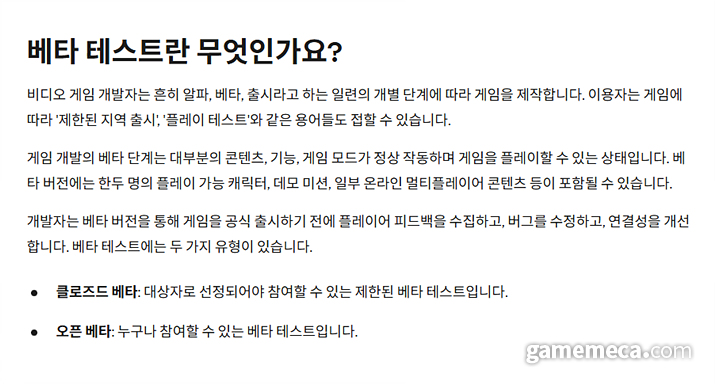
It used to be simple. Internal testing was 'Alpha', a limited-time test for a select few was a 'Closed Beta (CBT)', and opening the servers to everyone before the official launch was an 'Open Beta (OBT)'. Nowadays, this family tree is tangled beyond recognition. We have 'Closed' betas that are technically open to the entire nation because anyone who signs up gets a ticket, 'Open' betas that wipe all your progress, and 'Early Access'-tier OBTs that have the audacity to sell microtransactions while still in the testing phase.
For gamers, it’s a constant headache. You wait for a Beta because you saw an Alpha announcement, only to find out the Alpha was actually a public playtest. You grind all night in an OBT, only to learn too late that your data will be wiped upon launch. Conversely, you walk into a 'test' expecting a light demo, only to be ambushed by aggressive monetization. It is high time we had a unified standard for what these testing phases actually mean.
TOP 4. Early Access - Shouldn't it be 'Late Access' by now?
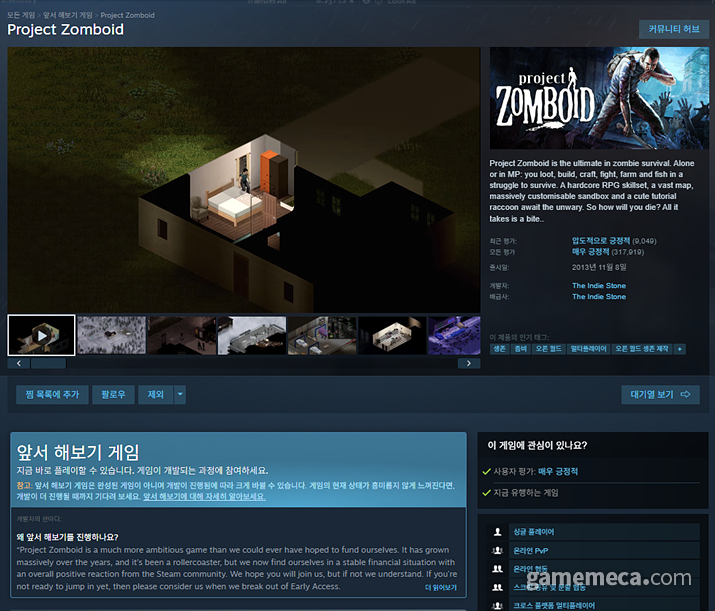
Early Access, the infamous system pioneered by Steam, started with the best of intentions. The idea was simple: indie developers, strapped for cash, sell an unfinished game to fund development while using player feedback to improve quality. It was meant to be a symbiotic relationship. But somewhere along the line, it became a 'get out of jail free' card. Even if the game is a buggy, unoptimised mess, developers hide behind the magic shield of 'it’s still in Early Access' to deflect all criticism.
The bigger problem is the 'zombie' games that refuse to die—or finish. 'Project Zomboid' has been 'in development' for 13 years, well past the point where the landscape changes. Shouldn't we rename it 'Late Access'? On the other end, we see nearly finished games slapping on an Early Access label just to fend off critics. Whether it’s capping the time in Early Access to a few years or mandating refunds if a roadmap isn't followed, we need protections for players trapped in this 'eternal beta' purgatory.
TOP 3. Rating Standards - Just give us the rules already
Every gamer in South Korea has had a moment of pure frustration with local game ratings, which desperately need clear criteria. The controversy over sexual content and violence is especially persistent. Is there any actual, tangible standard that separates a game suitable for teens from one that is 'adults only'? One day, a subculture game's illustration is axed for being 'provocative', and the next, a game where you can dismember limbs passes without a hitch. The standards stretch and shrink like rubber bands based on the whims of the committee, social news cycles, or the mood in the room, leaving developers and users in total confusion.
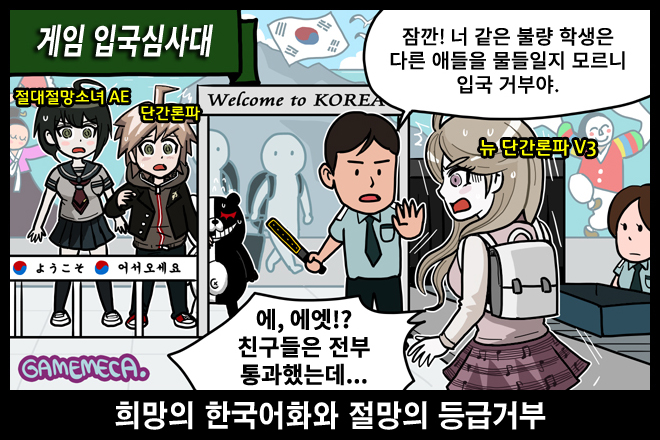
Of course, drawing a razor-sharp line between art and obscenity is difficult. But we should at least have some predictability—a 'this much is 19+, that much is 15+' guideline. Was the refusal to release 'Danganronpa' in Korea, or the 'octopus' controversy in 'Blue Archive', not the result of arbitrary interpretations by committee members lacking a clear framework? While creative works will always skirt the edges of the law, a transparent set of guidelines would make the process much easier for everyone to accept. After 20 years of game ratings, it’s time for some precision.
TOP 2. AI Usage Boundaries - Where do we draw the line?
The rise of generative AI is shaking the foundations of game development. Arguments over whether AI-assisted games should even exist are heating up, with some gamers calling for outright boycotts. Underlying this is a deep resentment regarding the infringement of creative rights. From the start, there was backlash against using AI for image and voice generation, which many feel exploits illustrators and voice actors. While Steam now requires developers to disclose AI usage, it’s entirely self-regulated, leaving the door wide open for under-the-table usage.
But what exactly constitutes an 'AI game' versus 'development assistance'? AI is now woven into the entire pipeline—planning, storytelling, coding, brainstorming, business strategy, level design, and even QA. If a developer uses AI to polish a single line of code or a stray NPC dialogue, is that an 'AI game'? With 'Clair Obscur: Expedition 33' recently being disqualified from an indie award for partial AI usage, the debate is only growing. We need to move beyond the binary 'AI vs. No AI' and establish clear labeling standards based on how it’s actually used.
TOP 1. Indie Games - Are we actually indie or not?
The grand finale is the ultimate riddle of the industry: the definition of an 'indie game'. 'Indie' comes from 'Independent', meaning games free from the clutches of massive capital. But these days, that boundary is so blurred it’s practically invisible. Is a game only indie if it’s made by a solo dev eating instant noodles? What if it’s a project from a subsidiary of a massive corporation, but the team has creative freedom? If a game costs tens of billions of won but didn't receive corporate funding, is it indie?
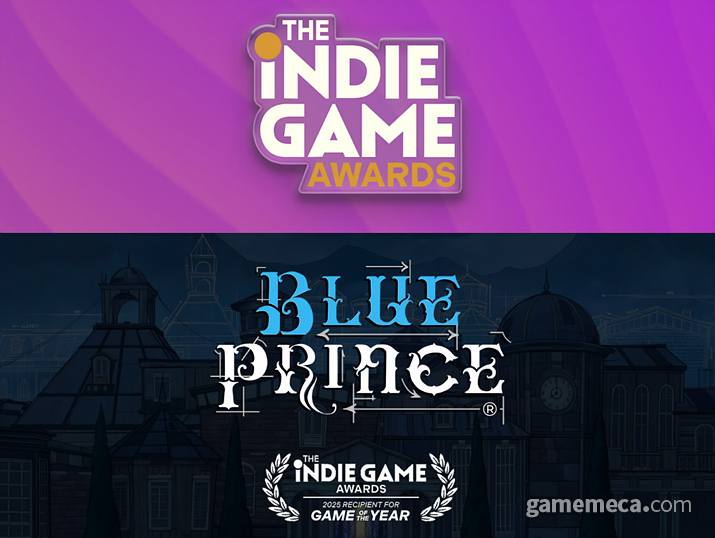
Recent controversies at ceremonies like The Game Awards regarding the 'Best Indie Game' category stem from this massive 'weight class' disparity. It feels like a heavyweight champion entering a local boxing tournament and claiming he's an amateur because he doesn't have an agent. Real indie developers can't help but feel alienated. Without specific criteria based on capital, staff count, or parent company status, the argument over what defines an indie game will never end. Someone, please, sort this out.
※ [순정남]은 매주 이색적인 테마를 선정하고, 이에 맞는 게임이나 캐릭터를 소개하는 코너입니다.
세상의 질서를 위해서는 '표준'과 '규격'이 필요하다. ISO는 나사 하나부터 우주선 부품까지 규격을 정하고, 한국표준과학연구원은 1초의 길이마저 엄밀하게 정의한다. 덕분에 우리는 어디서든 규격에 맞는 건전지를 사고, 헷갈리지 않고 도량형을 쓴다. 만약 이런 기준이 없다면 살 때마다 고기 무게가 달라지는 대혼돈의 멀티버스가 열렸을 거다.
그런데 유독 게임업계는 이 '기준'이라는 게 거의 적용되지 않는 분야다. 특정 게임사가 시범적으로 내놓은 시스템이나 관념이 어느 순간 대중화 되어 있거나, 게이머들이 스스로 만든 문화가 정식 시스템이 되는 등의 사례가 많다. 그렇게 명확한 규격 없이 관습적으로 굳어진 용어들이 많다 보니, 같은 단어를 두고 게임사들이나 유저 간 서로 다른 것을 그리는 동상이몽이 펼쳐진다. 제발 누가 기준 좀 딱 정해줬으면 하는 게임계의 애매모호한 관념들을 모아봤다.
TOP 5. 테스트 명칭 - 알파, 베타, CBT, OBT
예전에는 심플했다. 사내에서 돌려보는 테스트는 알파, 소수 정예로 기간 정해놓고 하는 테스트는 클로즈베타(CBT), 누구나 들어올 수 있게 서버 열고 정식 출시 전까지 테스트하면 오픈베타(OBT), 그리고 정식 출시. 그런데 요즘은 이 족보가 꼬여도 너무 꼬였다. '비공개(Closed)' 베타라면서 신청만 하면 100% 당첨시켜 사실상 전 국민이 다 할 수 있게 한다던가, '오픈(Open)' 베타라면서 기간을 정해놓고 데이터를 초기화시켜 버리질 않나, 심지어 테스트 단계인데 버젓이 유료 아이템을 팔아먹는 '앞서 해보기'급 OBT도 수두룩하다.
게이머 입장에선 매번 헷갈린다. 알파 테스트 한다길래 곧 진행될 베타 테스트를 기다리고 있었더니 사실 알파 테스트에서 신청자를 받아 공개 플레이를 진행했거나, OBT라길래 밤새워 레벨 올려놨더니, 정식 오픈 때 초기화된다는 것을 뒤늦게 알게 되는 경우도 있다. 반대로 테스트라길래 가벼운 마음으로 체험이나 해 보러 갔더니, 이미 과금 모델이 돌아가고 있어 당황한 적도 한두 번이 아니다. 이쯤에서 테스트 명칭과 운영 대한 통일된 규격이 시급하다.
TOP 4. 앞서 해보기 - 이쯤 되면 '늦게 해보기' 아닌가
스팀이 쏘아 올린 희대의 시스템, '앞서 해보기'다. 원래 취지는 참 좋았다. 인디 개발사가 자금이 부족하니, 미완성 게임을 싸게 팔아 개발비를 충당하고 유저 피드백으로 완성도를 높이자는 상부상조의 정신이었다. 하지만 언젠가부터 일단 팔고 보자는 면죄부가 되어버렸다. 버그가 산더미고 최적화가 엉망이어도 "아직 앞서 해보기잖아요"라는 마법의 방패를 내세워 모든 비판을 튕겨낸다.
더 큰 문제는 '좀비' 같은 앞서 해보기 게임들이다. 대표적으로 '프로젝트 좀보이드'는 강산이 변한다는 10년을 훌쩍 넘겨 13년째 '앞서 해보는 중'이다. 이쯤 되면 '늦게 해보기'로 이름을 바꿔야 하는 거 아닐까? 반대로 거의 완성된 게임을 비판 방어용으로 앞서 해보기 딱지만 붙여 내놓는 상술도 판친다. 앞서 해보기 기간을 n년 이내로 제한하든, 일정 횟수 동안 로드맵 미이행 시 환불을 의무화하든, '영원한 베타'에 갇힌 유저들을 구제할 기준이 필요하다.
TOP 3. 심의 기준 - 일단 상세 기준이나 알려주고 지킵시다
대한민국 게이머라면 누구나 한 번쯤 뒷목 잡아봤을, 국내 게임 심의 역시 뚜렷한 기준이 필요하다. 특히 선정성과 폭력성 관련 부분이 유독 논란이 많다. 과연 청소년 이용가와 청소년 이용불가를 가르는 뚜렷한 기준이 있긴 한 걸까? 어떤 날은 서브컬처 게임의 일러스트가 선정적이라며 철퇴를 내리고, 어떤 날은 사지가 절단되는 게임이 멀쩡히 통과되기도 한다. 평가 당시 위원들의 성향이나, 뉴스에 나온 사회적 이슈, 회의 분위기 등에 따라 고무줄처럼 늘어났다 줄어드는 기준 탓에 개발사도 유저도 혼란스러울 뿐이다.
물론 예술과 외설의 경계를 자로 잰 듯 나누기는 어렵다. 하지만 최소한 '이 정도면 19금, 이 정도면 15금'이라는 예측 가능성은 있어야 하지 않겠나. 단간론파 국내 출시 거부 사태나, 블루 아카이브 문어 사태 역시 명확한 가이드라인 없이 심의 위원들의 자의적 해석에 의한 결과물들이었기에 논란이 크게 된 것 아닌가. 물론 창작물은 언제나 법이 정해놓은 선을 이리저리 비껴가지만, 이를 꾸준히 보완하고 재정립하는 과정이 동반되더라도 기준을 명확히 제시해 주는 편이 업계와 게이머들을 납득시키기 쉬울 것이다. 20년간의 게임 심의 역사를 바탕으로 세세한 기준을 제시해 주길 기다리고 있다.
TOP 2. AI 사용 범위 - 어디까지가 AI 활용 게임이야?
생성형 AI의 등장은 게임 개발의 패러다임을 송두리째 흔들고 있다. 이에 따라 최근 AI 사용 게임에 대한 찬반 논쟁이 게이머 사이에서 격화되고 있다. 심한 경우 AI를 조금이라도 사용한 게임은 보이콧 하겠다는 의견까지도 나오고 있는 상황. 여기에는 창작자의 권리 침해에 대한 반감이 깔려 있다. 가장 널리 알려진 이미지 생성이나 목소리 생성 등에서 일러스트레이터나 성우의 권리를 침해한다는 이야기가 초반부터 꾸준히 나왔고, 이를 게임사가 상업적 제품에 가져다 쓰는 것에 대한 반감으로 이어진 것이다. 이에 스팀 등에서는 AI 사용 여부와 분야 등을 표기하게끔 하고 있지만, 어디까지나 개발사 자율의 영역이라 꾸준히 AI 사용 의혹 등이 번져나오고 있다.
그런데 그런데 어디까지가 'AI 사용 게임'이고, 어디까지가 '개발 보조'일까? AI가 개발 전방위로 확산되며, 게임업계에서도 이미지나 음성 생성 뿐 아니라 기획, 스토리텔링, 코딩, 브레인스토밍, 사업계획, 시스템 디자인, 콘텐츠나 레벨 디자인, 운영, QA, 보정, NPC 활동이나 게이머 개개인의 플레이 관리, 심지어 회사나 팀 운영 등 다방면으로 AI를 사용하고 있다. 그렇다면 코딩 한 줄, NPC 대사 한 줄을 검증하고 다듬는 데 AI를 썼다면 그것은 AI 사용 게임일까 아닐까? 최근 '클레르 옵스퀴르: 33 원정대'가 부분적 AI 사용으로 인디 어워드 후보에서 제외되는 사건까지 일어나면서, 대체 어디까지를 AI 사용으로 봐야 하냐는 논란이 확산되고 있다. 단순히 "AI 씀/안 씀"의 이분법을 넘어, 리소스 생성에 썼는지, 단순 업무 효율화에 썼는지 등 명백한 기준과 표기 규격을 누군가가 제시해 줬으면 좋겠다.
TOP 1. 인디 게임 - 우리 게임은 인디인가 아닌가
대망의 1위는 게임계 최대의 난제, '인디 게임'의 정의다. '인디'라 함은 'Independent(독립적인)'에서 온 단어로, 사전적으로는 거대 자본으로부터 독립된 게임을 뜻한다. 그러나 요즘은 그 경계가 희미해지다 못해 투명해졌다. 1인 개발자가 라면 먹어가며 만든 게임만 인디인가? 아니면 대기업 산하 브랜드에서 나온 게임일지라도 창작의 자유를 보장받으며 개발했다면 인디인가? 수백억을 들여 만든 게임도 대기업이나 외부 투자를 안 받았다면 인디라고 불러야 할까?
최근 TGA 등 시상식에서 '최고의 인디 게임상'을 두고 벌어진 논란도 바로 이 '체급 차이' 때문이다. 동네 복싱 대회에 헤비급 챔피언 출신이 '나 소속사 없으니까 아마추어임'이라며 나오는 느낌이 드니, 진짜 인디 개발사로서는 위화감이 느껴질 수 밖에 없는 상황이다. 자본 규모, 개발 인원, 모회사 유무 등 '인디'라는 타이틀을 달 수 있는 구체적인 체급 기준과 계쳬량 시점이 마련되지 않는다면, 인디 게임의 범위를 두고 벌어지는 논쟁은 영원히 끝나지 않을 것이다. 누군가 교통정리 좀 부탁드린다.
This news was translated by AI.

I am the head of the GameMeca editorial team. jong31@gamemeca.com
READ MORE

RECOMMENDED NEWS
MOST POPULAR NEWS
- SANABI crowdfunding success story, Gyeonggi Content Agency and Tumblbug host pop-up exhibition
- Detective game 'No Results Found' that requires web searches for clues has been released
- 2026 LCK Regular Season Enters Final Week to Determine Final Standings
- Total Prize Pool of 2.8 Billion KRW, EWC 2026 CROSSFIRE Event Starts on the 18th
- Massive GTA 6 Leak Reveals Gameplay Footage and Map Details
- “Satisfying for Soulslike fans” Mortal Shell 2 receives an 84 Metacritic score
- Epic CEO Tim Sweeney: “Opening the Platform, Leading Toward Unreal Engine 6”
- 100-Year Career Mode Added, NBA 2K27 Core Content Revealed
- [Today's Steam] Phantom Blade Zero, joined by Donnie Yen, remains at the top for consecutive days
- Among Us introduces Judge role, allowing ejection regardless of vote results
MEDIA PARTNERSHIPS



GAMEMECA SNS