
From Restoration, Patching to Porting, AI-Powered 'Game Reverse Engineering' Gains Attention
복원·패치·이식까지, AI 이용한 '게임 역분석' 주목
2026.10.14 18:43 UTC+9

AI Summary
AI decompilation is revolutionizing game porting and preservation. Tech giants and indie fans alike are reviving old classics. Balancing innovation and ethics remains the ultimate challenge.
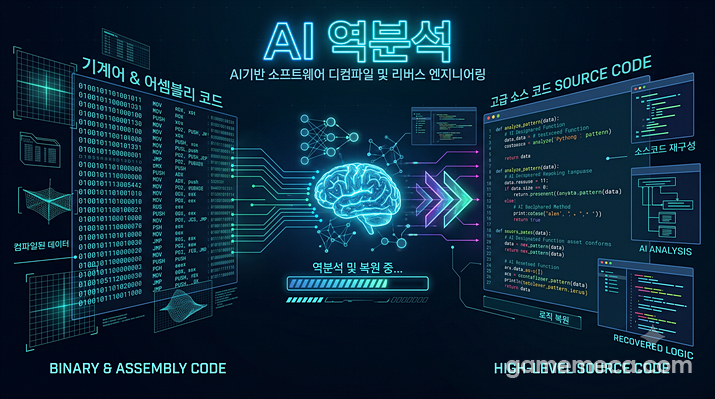
Look, let's be honest: decompilation used to demand a massive amount of resources and the stubborn persistence of seasoned senior engineers. But now, it is facing an unprecedented upheaval thanks to the emergence of AI coding agents. Industry watchers reckon this is the direct result of the steady evolution of coding-centric AIs like Claude Code and ChatGPT Codex.
What has been drawing particular attention lately is the wave of AI decompilation sweeping through the global gaming community. Decompilation is essentially a form of reverse engineering—the process of analysing a compiled file lacking source code to deduce and re-architect the original source. Even without knowing a game program's code, users can observe how it functions, reverse-reason, and derive the logic. Ever since folks realised that source code secured this way can be ported to various platforms to shatter hardware limitations, this AI decompilation has popped up all over the place.
A New Frontier of Porting Opened by Decompilation and Rearrangement
Through the advancement of porting technology and AI, legacy game files that previously struggled to run without dedicated hardware or consoles can now be transformed back into human-readable source code. With a bit of help from AI, the process of rebuilding this code to suit other operating systems or current-gen hardware can be compressed from months down to a mere few hours or days. The relatively low code complexity of classic games certainly played a key role here, but as the technological boundaries expand, the industry's age-old physical barriers of platform exclusivity and device compatibility are finally beginning to crumble.
Take native porting, which goes far beyond the traditional realm of emulators, for instance. The project that recently grabbed the most headlines is Google AI Studio's Ammar Reshi porting Command & Conquer: Generals - Zero Hour natively to iOS. Rather than running an old game through an emulator, generative AI was utilised to rebuild the 2003 PC strategy game's engine so it could run directly.
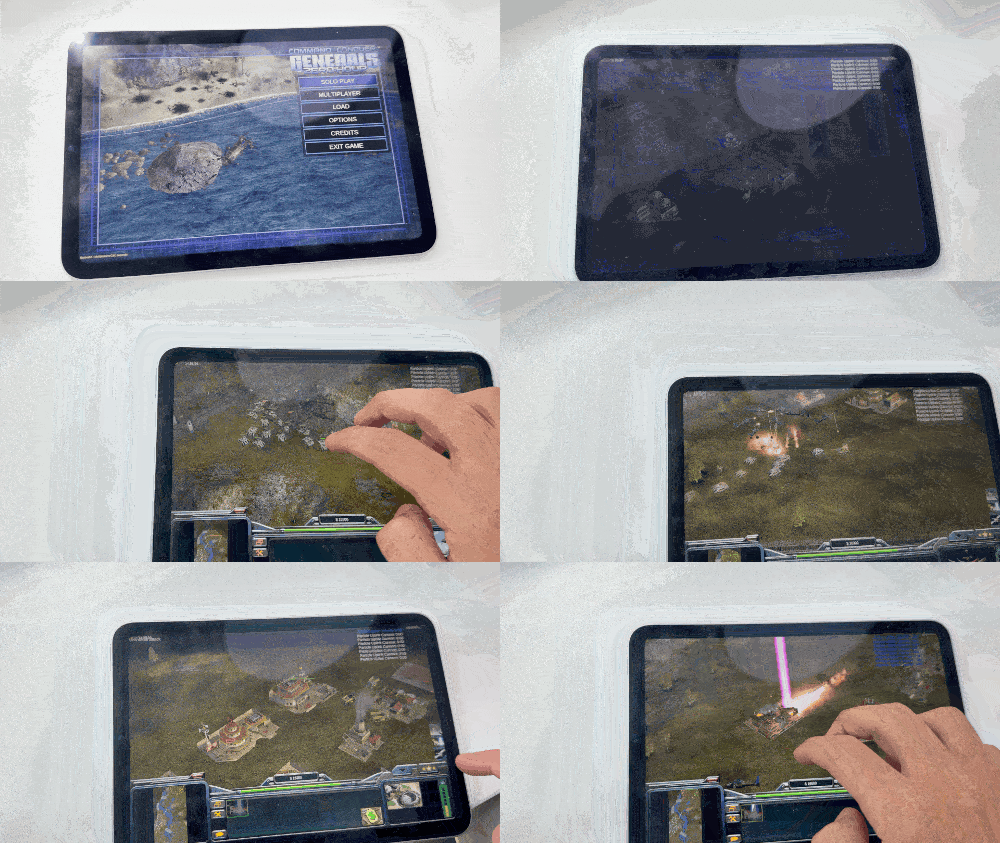
The project tapped into the original work's public code and community assets. AI lent a hand with the notoriously tricky task of converting graphics APIs to match iOS, as well as translating traditional control schemes into a touch interface. Word is that even bug fixes during the porting process were handled with AI assistance. What is particularly noteworthy here is that AI reinterpreted the tactical intent unique to RTS titles and implemented it into touch gestures during the mobile transition. It carries immense significance because it didn't just make the game operational; it turned it into something you could actually enjoy.
Other mind-bending examples include combining WebAssembly and WebGPU technologies to run Halo: Combat Evolved or Grand Theft Auto V right inside a web browser, or even seeing the PS4 exclusive Bloodborne booted up recently via the 'bbhost' project. Bloodborne in particular managed to build a native PC-executable version, showcasing impressive scalability such as supporting high refresh rates above 60 frames per second, ultrawide resolutions, and even private server-based multiplayer.

The Domestic AI Decompilation Scene Focusing on 'Restoration' and 'Translation'
While overseas efforts tend to focus on expanding platforms for console exclusives or blockbuster PC titles, the domestic scene in South Korea has carved out its own unique path: restoring mobile masterpieces lost to history and creating user-translated Korean patches. AI decompilation is being actively deployed to reverse-engineer games once powered by CD-ROMs or feature phones, reconstructing them so they can be played similarly on current-generation hardware.
South Korea went through a tumultuous transitional era during the feature phone boom, resulting in countless gaming IPs vanishing into thin air. Because of this upheaval, unless you have a company like Gamevil (now Com2uS Holdings) actively resurrecting its own classic IPs, there is practically zero way to enjoy those past masterpieces today. Consequently, movements among gamers using AI decompilation to resurrect games of yesteryear are cropping up everywhere.
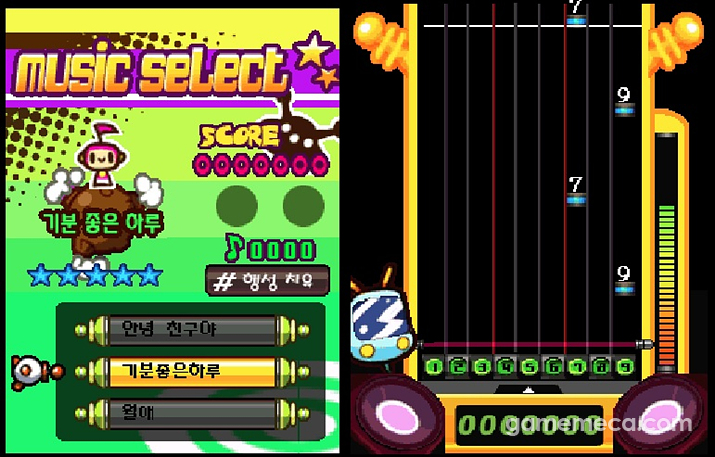
A prime example is Rhythm Star 1, a staple of feature phone rhythm games, which has been restored to run flawlessly even on the ultra-wide aspect ratios of modern smartphones. What is more, with permission from the original creators, the code was published and preserved on GitHub, setting a shining precedent for how classic masterpieces should be revived. Another gamer managed to restore the Black Room series—previously locked to feature phones due to a tangle of compatibility issues—into an installable APK.
Figuring out game structures via decompilation, extracting internal scripts, and applying translations and tweaks is another angle catching the eye of local gamers lately. In the past, Korean user patches powered by AI machine translation popped up on occasion, but folks lacking a fundamental grasp of program architecture found it terribly difficult to attempt translations themselves. Now that decompilation makes extracting text and dabbling in translations a breeze, gamers can finally enjoy titles previously locked behind language barriers.
How the Industry Views AI Decompilation
As this AI-driven porting and decompilation culture gains traction, the gaming industry is evidently scrambling to adjust its strategies. Take Xbox CEO Asha Sharma, who officially announced on August 13 the establishment of an internal research outfit dubbed 'Xbox Labs' to tackle modern trends in AI decompilation and porting.

Sharma noted in an official statement, "Over the past few weeks, we've witnessed games being rapidly reverse-engineered and rebuilt to run on hardware they were never designed for, running in browsers via technologies like WebGPU supported by 90% of browsers worldwide, and even fusing the source codes of two entirely different games together."
"While it's tough to predict the exact future of gaming, the potential to make great games more accessible, breathe new life into older titles, and empower more players to become creators is crystal clear," Sharma added. Sharma also specified that rather than slamming the door with blanket bans, internal developers will be given the reins to experiment with these new tools and share them with the wider industry.
That being said, separate from Xbox's proactive stance, the typical industry reaction leans heavily conservative regarding copyright and commercialisation. The aforementioned web browser-based GTA 5 port was summarily shut down almost immediately after launch following DMCA takedown notices from Rockstar Games and Take-Two Interactive. Analysts suggest that console platform holders with a history of cracking down hard on emulators—such as Nintendo and Sony Interactive Entertainment—are similarly likely to maintain a strict zero-tolerance approach toward AI decompilation-based ports.

The Bright and Dark Sides of AI Decompilation: User Ethics is the Ultimate Key
Much like music, film, and literature, modern video games are making concerted efforts on multiple fronts to restore and semi-permanently preserve classic masterpieces. The blossoming trend of AI decompilation is expected to lend a helpful hand to this movement. It carries significant weight because it opens up viable avenues even when IP holders drag their feet on restoring classic catalogs due to development costs or profitability concerns.
Yet, separate from these hopeful expectations, the expansion of these technologies into illicit activities—such as generating pirated games or crafting cheats via AI decompilation—is steadily becoming a pressing issue. That is why many voices argue that establishing social consensus, revising current legal frameworks to harmonize copyright protection for original assets with fan community preservation efforts, and fostering user ethics must take top priority. Adieu, and let's keep an eye on what kind of compromises technological progress and existing institutions manage to strike before AI decompilation firmly roots itself as the gaming sector's next growth engine.
과거 많은 리소스와 숙련된 시니어 엔지니어의 집요함이 필요했던 ‘역분석(Decompile)’이 AI 코딩 에이전트의 등장으로 전례 없는 격변기를 맞이하고 있다. 이는 클로드 코드와 챗GPT 코덱스 등 코딩 중심 AI가 점차 발전한 결과로 분석된다.
최근 특히 주목을 받는 것이 바로 최근 글로벌 게임 커뮤니티를 달군 AI 역분석이다. 역분석이란 일종의 역공학으로, 소스코드가 없는 완성된 파일을 분석해 원본 소스코드를 유추하고 재설계하는 과정을 의미한다. 사용자가 게임 프로그램의 코드를 알지 못해도 작동 원리를 확인해 역으로 추론하고 도출하는 방식이다. 이렇게 확보한 소스코드를 다양한 플랫폼에 이식해 하드웨어적 한계를 벗어날 수 있다는 것이 알려진 이후 다양한 곳에서 이 AI 역분석이 사용되고 있다.
역분석과 재배치로 열린 새로운 ‘포팅’의 영역
이식(Porting) 기술과 AI의 발전을 통해, 이전에는 전용 하드웨어나 콘솔이 없으면 작동하기 어려웠던 구형 게임 파일을 인간이 읽을 수 있는 소스코드로 되돌릴 수 있게 됐다. AI의 도움을 받으면 이를 다른 OS나 현세대 하드웨어에 맞게 재구성하는 과정도 단 몇 시간에서 며칠 단위로 압축할 수 있다. 고전 게임인 만큼 코드 복잡도가 낮다는 점도 주효했으나, 기술의 영역이 확장되면서 플랫폼 독점과 기기 호환성이라는 게임 산업의 오랜 물리적 장벽이 무너지기 시작한 셈이다.
그 예시로는 에뮬레이터의 영역을 넘어선 ‘네이티브 포팅’이 있다. 최근 가장 이목을 끈 것은 구글 AI 스튜디오 암마르 레시(Ammar Reshi)의 ‘커맨드 앤 컨커: 제너럴 제로아워’ iOS 네이티브 포팅이다. 오래된 게임을 에뮬레이터를 통해 구동하는 것이 아니라, 생성형 AI를 활용해 2003년작 PC 전략 게임의 엔진을 리빌드해 구동했기 때문이다.
해당 프로젝트는 원작의 공개 코드와 커뮤니티 에셋이 활용됐다. 그래픽 API를 iOS에 맞춰 변환하는 까다로운 작업이나, 기존의 조작법을 터치 인터페이스로 전환하는 작업에는 AI가 함께했다. 포팅 과정에서 발생한 버그 수정 또한 AI를 활용한 것으로 알려졌다. 여기서 주목할만한 점은 AI가 모바일 전환 과정에서 RTS 특유의 조작 의도를 재해석해 터치 제스처로 구현해냈다는 점이다. 게임의 작동에 그치지 않고 ‘즐길 수 있는’ 요소로 전환했다는 점에서 그 의미가 크다.
이외에도 웹어셈블리(WebAssembly)와 WebGPU 기술을 결합해 ‘헤일로: 전쟁의 서막’이나 ‘GTA 5’를 웹 브라우저로 구동하게 만든 초고난도 이식이나, PS4 독점작 ‘블러드본’조차 최근 ‘bbhost’ 프로젝트로 구동된 것 또한 예시로 들 수 있다. 특히 블러드본은 PC에서 직접 실행 가능한 네이티브 버전을 구축해, 60프레임 이상의 고주사율 지원과 울트라와이드 해상도, 사설 서버 기반 멀티플레이까지 구현하는 등 여러 확장성을 보여주기도 했다.
‘복원’과 ‘번역’에 집중하는 국내 AI 역분석 현황
해외의 흐름이 콘솔 독점작이나 대작 PC 게임의 플랫폼 확장에 초점을 맞추고 있다면, 국내에서는 역사 속으로 사라진 모바일 명작 복원이나 한국어 유저 번역 제작이라는 독자적인 흐름으로 활용되고 있다. 특히 CD-ROM이나 피처폰으로 구동되던 게임을 역설계해 현세대 하드웨어에서 유사하게 플레이할 수 있도록 재구성하는 것에 AI 역분석이 적극 활용되고 있다.
한국은 피처폰 시절 전환기를 거치며 수많은 게임 IP가 소실된 바 있다. 이런 격변기로 인해 현재는 게임빌(현 컴투스홀딩스)처럼 자사의 명작 IP를 적극적으로 부활시키려는 회사가 아닌 이상, 당시의 명작을 다시 즐길 방법이 전무한 상태다. 이에 따라 추억의 게임을 복원하기 위해 AI 역분석을 활용하는 게이머들의 움직임이 다양한 곳에서 확인되고 있다.
대표적인 예시로는 피처폰 리듬게임의 대명사인 ‘리듬스타 1’의 경우, 최신 스마트폰의 긴 화면 비율에서도 완벽히 작동하도록 복원됐다. 나아가 원작사로부터 허가를 받아 깃허브(GitHub)에 코드를 공개하고 보존하며 고전 명작의 부활 방향성에 대한 선례를 제시했다. 한 게이머는 복합적인 문제로 인해 피처폰에서만 즐길 수 있었던 검은방 시리즈를 apk로 복원하기도 했다.
역분석을 통해 게임 구조를 파악하고, 내부에 있는 스크립트를 추출해 번역 및 수정을 적용하는 방식도 최근 국내 게이머들이 주목하는 요소다. 이전에도 AI 기계 번역을 사용한 한국어 유저 패치는 다수 출시된 바 있었으나, 프로그램의 기본적인 구조를 알지 못하는 유저들은 번역을 시도하기가 어려웠다. 그러나 역분석을 통해 텍스트를 추출하고 편리하게 번역을 시도할 수 있게 되면서, 언어적 한계로 접하기 어려웠던 게임도 즐길 수 있게 된 셈이다.
AI 역분석, 업계는 어떻게 바라보고 있을까
이처럼 AI를 활용한 포팅 및 역분석 문화가 확산됨에 따라 게임업계도 전략 수정에 나서는 모습이다. 아샤 샤르마(Asha Sharma) Xbox CEO가 최근 트렌드에 맞춰 AI 역분석 및 포팅에 대응하는 사내 연구 조직 ‘엑스박스 랩스(Xbox Labs)’를 신설한다고 지난 13일 공식 발표한 것이 그 예시다.
샤르마 CEO는 공식 성명을 통해 “최근 몇 주간 게임들이 원래 설계되지 않은 하드웨어에서 구동되도록 빠르게 역분석 및 재구축되고 있으며, 전 세계 브라우저의 90%가 지원하는 WebGPU 등을 통해 웹에서 실행되거나 서로 다른 두 게임의 소스코드가 결합되는 현상을 목격하고 있다”고 진단했다.
이어 “게임의 미래를 예측하기는 어렵지만 훌륭한 게임을 더 쉽게 접할 수 있게 만들고, 오래된 게임에 새 생명을 불어넣으며, 더 많은 플레이어가 창작자가 될 수 있도록 만드는 가능성이 분명히 보인다”고 덧붙였다. 또한 무조건적인 차단 대신 내부 개발자들이 신기술을 주도적으로 실험하고 그 도구를 업계와 공유하겠다고 명시했다.
다만, 이런 Xbox의 적극적인 대응과는 별개로 저작권 및 상업화의 측면에서 보수적인 입장을 취하는 것이 통상적인 반응이다. 앞서 언급된 웹 브라우저 기반 ‘GTA 5’ 포팅 버전은 공개 직후 락스타게임즈와 테이크투 인터랙티브의 저작권 침해 중지 요구(DMCA)로 즉각 폐쇄됐다. 닌텐도나 소니 인터랙티브 엔터테인먼트와 같이 이전에도 에뮬레이터에 엄정한 대처를 이어온 콘솔 개발사들 또한 AI 역분석을 기반으로 한 포팅에 대해 엄정한 대처를 이어갈 가능성이 높다는 분석이다.
AI 역분석의 명과 암, 결국 핵심은 ‘사용자’의 윤리
오늘날 게임은 음악, 영화, 소설 등 여러 대중문화예술과 마찬가지로 고전 명작을 복원하거나 반영구적으로 보존하기 위해 다방면으로 힘쓰고 있다. 이런 상황에서 성장하기 시작한 게임 AI 역분석은 이 흐름에 긍정적인 도움을 줄 것으로 기대된다. 특히 IP 보유사가 개발 비용이나 수익성 문제로 고전 IP의 복원에 소극적이더라도 생각할 여지가 생겼다는 점에서 그 의미가 크다.
다만 기대와는 별개로 AI 역분석을 통한 복제 게임 생성이나 핵 제작 행위 등, 기술을 활용한 범법 행위로의 확장도 점차 문제시되고 있는 상황이다. 그렇기에 원본 에셋에 대한 저작권 보호, 팬 커뮤니티의 보존 노력을 조화시킬 수 있는 새로운 라이선스 체계 마련 등 사회적 합의와 현행 체계의 수정, 사용자들의 윤리 의식 촉구가 최우선이라는 목소리가 높다. AI 역분석과 이를 기반으로 한 복원 및 번역 등이 게임 산업의 새로운 성장 동력으로 자리 잡기 위해 기술의 진보와 현행 제도가 어떤 타협점을 찾아낼지에 귀추가 주목된다.
This news was translated by AI.

I am dedicated to games and writing. viina@gamemeca.com
READ MORE
-
 KT Wiz Predicted as 2026 Postseason Champions by Com2uS Pro Baseball Users
-
 [Game Rank Analysis] A Mild Taste Without the Toxicity, Dokebi-ui-segye Surges Rapidly
-
 [Today's steam] Mod breakage leads to Total War: Shogun 2 getting Overwhelmingly Negative reviews
-
 Castlevania New Physical Edition Including Special Bonuses Releases on the 15th

MOST POPULAR NEWS
- Top-tier tournament, FC Pro Champions Cup 2026 South Korea National Team to participate
- 2026 Worlds Theme Song Unveiled, Capturing Faker's Sixth Championship Glory
- Representative Cho Seung-rae: "Gamescom's Strength is Strong B2B, Desperately Needed for G-Star"
- Wardogs, which became the trend of shooting games, starts its second season on the 15th
- Valve's New Game 'Deadlock' Concurrent Players Surpass Team Fortress 2 Record
- [Cartoon] The arrival of the sharpshooter 'Aion 2'?
- [LOL Meme] "Is it you guys again?" Worlds favorites Hanwha Life Esports, Gen.G, and BLG
- A Meeting of Isaac and Doom, Boomer Shooter 'Paperhead' Released on Steam
- Summoners War to Gift Monsters to SWC2026 Participating Players
- 'Dave the Diver' Complete Edition Released with All Expansions
MEDIA PARTNERSHIPS



GAMEMECA SNS


 GAMEMECA GLOBAL SITE