
Kim Tae-gon: "Project Jindallae is a tribute for Imjinrok fans"
김태곤 “프로젝트 진달래는 임진록 팬들을 위한 헌사”
2026.10.21 16:56 UTC+9

AI Summary
Project Jindallae revives classic RTS Imjinrok after 25 years. Led by Director Kim, development relies heavily on community feedback. A 2026 release is planned with modern AI integration.
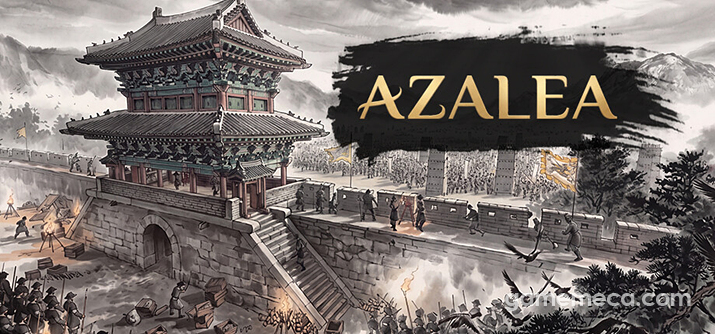
Look, let us be honest: Imjinrok, the golden standard of domestic real-time strategy titles back in the day, is plotting a rather cheeky return after a quarter of a century. Unveiled back in September, Project: Jindallaeis a brand-new RTS spearheaded by veteran developer Director Kim Tae-gon. It proudly positions itself as a spiritual successor to Imjinrok, instantly setting the community's expectations through the roof.
Sitting down for a chat with Gamemeca, Director Kim described Project: Jindallae as "essentially a love letter to the fans who have kept the faith for 25 years." The whole endeavour sparked from relentless player demands for a proper series remake, and even now, the team is constantly digesting mountains of community feedback, meaning players are practically co-authoring the experience alongside the studio.
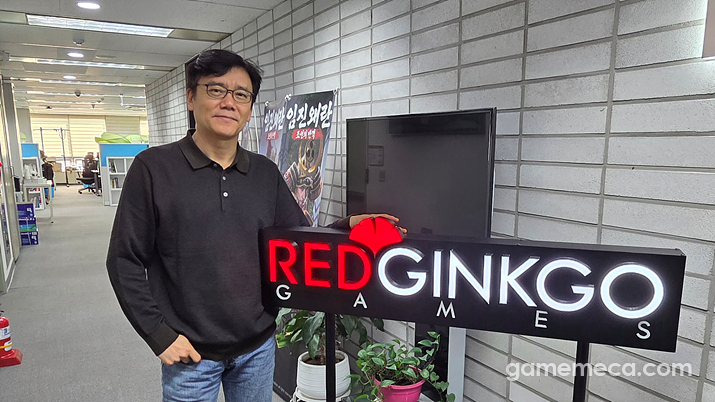
Q. First off, could you give us a brief rundown of what Project: Jindallae actually is? What sets it apart from traditional RTS offerings?
Director Kim Tae-gon: Project: Jindallae kicked off entirely because players kept nagging us to recreate the original Imjinrok. Since the title is 25 years old now, diving straight back into the retro version comes with plenty of friction, yet so many people still yearn for that classic gameplay loop. Our core objective is to deliver a near-remake that veterans can slip right back into with ease. We are keeping unit types and traits remarkably faithful to the original, steering the development philosophy so that wave after wave of sweet nostalgia hits you.Of course, we are not naive; the RTS genre is hardly sitting at the peak of its powers these days. That said, we reckon modern AI can pick up a fair share of the slack. Much like how StarCraft recently made waves by beefing up its bot performance, we are building systems that leverage AI to enable all sorts of wild playstyles. On top of that, we are packing in a robust map editor so players can design their own stages, ensuring a truly player-driven sandbox environment.
Q. You have been busy servicing the MMORPG Imjin War: Counterattack of Joseon lately. What prompted you to dive back into the RTS trenches?
Director Kim Tae-gon: While running Imjin War: Counterattack of Joseon and chatting closely with the community, the sheer volume of requests to bring back Imjinrok was simply overwhelming, just as I mentioned earlier. Realising there is a massive pool of players harbouring fiercely intense memories of the original gave us the courage to finally take the plunge.There is also a neat marketing synergy at play here, where newcomers pulled into Project: Jindallae might naturally flow over into Imjin War: Counterattack of Joseon. Look, as you probably know, the gaming landscape right now is rough. With folks spending their leisure time on Netflix or scrolling through short-form videos, the old-school virtuous circles simply do not fire anymore, and marketing efficiency has tanked. In this climate, crafting an entirely new game acts as a form of marketing in itself—a genuine way to show dedication and keep an ongoing dialogue going with your audience.Besides, ever since setting up Red Zingo Games, I have wanted to flesh out an Imjin War universe, and that ambition hasn't changed. We built an RPG around the era, and outside of RTS, we are even chewing over the idea of a Musou-style action game. Different genres, sure, but it comes with the solid efficiency perk of recycling existing assets.
Q. What does the development crew look like in terms of headcount right now?
Director Kim Tae-gon: We are hovering around 10 developers. Compared to the roughly 60 people thrown at Imjin War: Counterattack of Joseon, this is effectively an internal indie-sized team. The studio's flagship title remains Imjin War: Counterattack of Joseon, and pumping massive financial resources into this project would inevitably force us to squeeze players with harsh monetization. Instead, a core group of seasoned veterans is steering the wheel, and thanks to advanced AI tooling, our workflow efficiency has skyrocketed compared to the old days. Honestly, back when I used to code solo, figuring out simple pathfinding used to drive me up the wall; nowadays, development cycles are shorter and the overall quality looks brilliantly polished.
Q. Three distinct factions are featured: Joseon, Ming, and Japan. We are curious about their unique traits and your approach to balance tuning.
Director Kim Tae-gon: Preserving the original identity of Imjinrok is our priority. Arbitrarily flipping traits would carry a massive risk of alienating our loyal fanbase, so we are keeping the distinct flavours intact: speedy Japan, powerhouse Ming, and well-rounded Joseon. However, we are bumping up quality-of-life features and modern scalability to the absolute maximum.On the balance front, we are not losing too much sleep over it. While tuning balance is never a walk in the park, we live in a golden age for gathering telemetry data compared to the old days. Back then, developers had to lock themselves in a room and grind through hundreds of matches manually; today, we can pull live player data straight through Steam and analyse it on the fly, making balancing a much smoother ride. Plus, RTS games inherently carry a lighter balancing burden than MMORPGs.
Q. Weather, terrain, elevation differences, and active hero skills all seem to heavily influence skirmishes. Could you walk us through some concrete tactical examples of how these systems play out in actual combat?
Director Kim Tae-gon: Our primary goal is capturing the tactical nuances of the original as closely as possible. If it starts raining, streams become impassable, or potatoes regrow so you can harvest resources again. We are also bringing back classic variables from Imjinrok, like using air units for sneaky backline drops or having vision locked down entirely at night for sudden guerrilla raids. Pretty much all the classic strategies will have a place here.Reviewing Imjinrok while building Project: Jindallae has been an eye-opener; even for a 25-year-old game, the sheer depth of implemented mechanics is staggering. Frankly, just getting all of that working took an immense amount of elbow grease, which honestly surprised us. Getting those foundations locked down is step one, and step two is polishing away all the clunky bits that plagued the original.
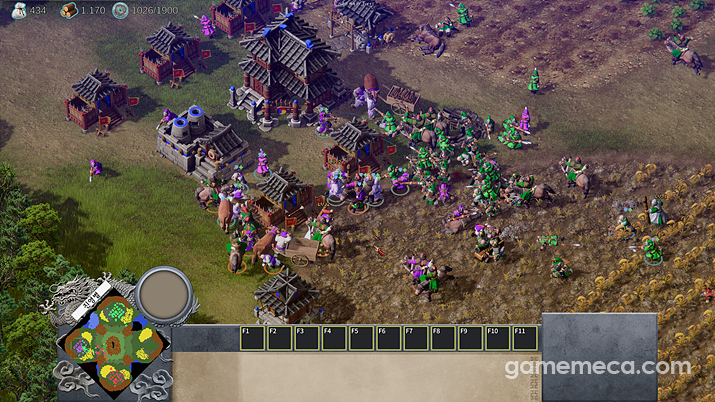
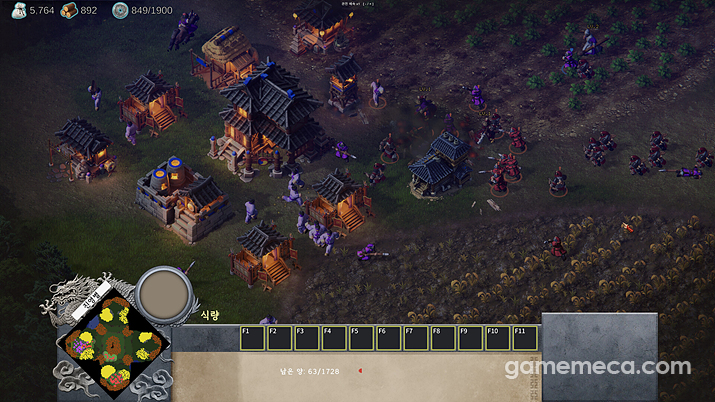
Q. While staying rooted in historical facts, the game also introduces mechanical gizmos and air units. Striking a compromise between historical accuracy and ludic license must have been a tricky tightrope walk.
Director Kim Tae-gon: First off, we are doing our utmost to respect core historical fidelity. Publicly sensitive touchpoints, such as the architectural design of the Turtle Ship or Admiral Yi Sun-sin's attire, are handled with absolute strictness. But sandbox titles need a dash of fantastical flair to actually be fun. For instance, putting Admiral Yi in Western full plate armour would be completely absurd, but letting him unleash mystical energy blasts fits comfortably within our acceptable margin of creative liberty. Striking that fine balance between actual history and gameplay imagination without crossing the line is the heartbeat of developing historical games.
Q. Emphasising Korean aesthetics, such as ink-wash painting styles, is another striking touch. Was there a deliberate reason behind choosing this visual direction, and what kind of charm do you hope domestic and international players alike will take away from it?
Director Kim Tae-gon: To be completely frank, we have zero plans to implement special gimmicks for global players or compromise our aesthetic choices just to appease foreign markets. This is our history and our culture, so we zeroed in on authentically preserving local nuances and geographical vibes like rice paddies, traditional village guardian posts, and thatched-roof cottages. We will provide language localisations, sure, but we aren't going to warp the core gameplay just to suit overseas palates. We want to present our heritage raw and unfiltered, and any international players who vibe with that are more than welcome to join the ride.
Q. A rich variety of offerings is on the way, including single-player campaigns, multiplayer suites, and a map editor. How are you distributing your focus across these different pillars?
Director Kim Tae-gon: Since we are still actively assembling unit rosters for all three factions, the single-player campaign is currently in its early stages. Rather than heavy storytelling, the upcoming single-player suite leans closer to a tutorial sandbox where players can drill down and practice strategies. The real heartbeat of the game is the editor tool, letting users custom-build their own maps, unit placements, and event triggers. Our ultimate goal is simply laying down the playground for players to run wild in.
Q. You have helmed various historical titles including Imjinrok over the years. Were there any old-school tricks or hard lessons from the past that carried over into Project: Jindallae, or perhaps hurdles that caught you off guard?
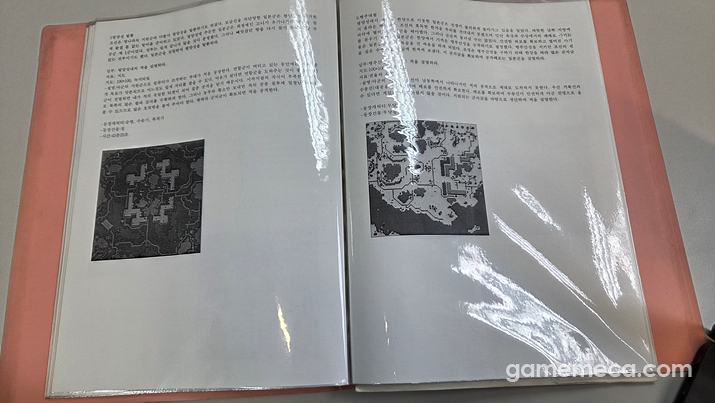
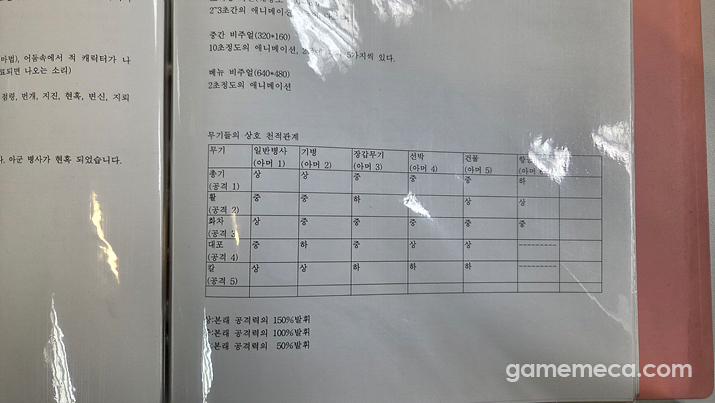
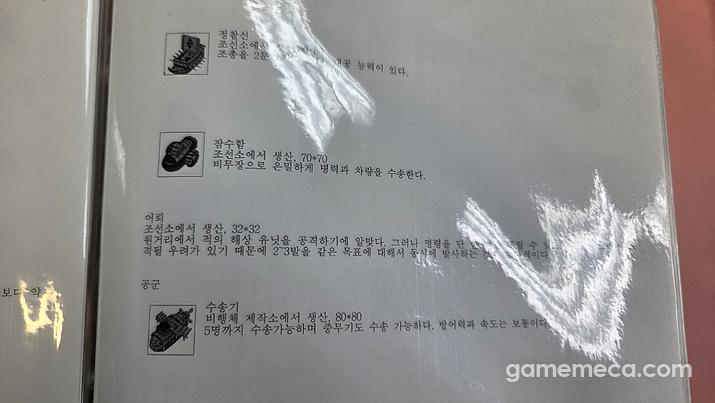
Director Kim Tae-gon: Because the source material is ancient history, unearthing the original design intent and combat quirks was a massive headache. We dug through dusty old design documents and tried all sorts of experimental approaches, which we ultimately smoothed out with the help of accumulated internet data archives and modern AI. Of course, our team still double-checked everything manually, but seeing it all come together was a genuinely staggering experience.
Q. You recently wrapped up your very first closed beta test. What were the most prominent pieces of feedback, and how do you plan to iterate on them?
Director Kim Tae-gon: The most delightful surprise during the test was how granular the players' feedback has become. Early on, people mostly chimed in with general pathfinding tweaks, but now we are seeing deeply sophisticated arguments regarding complex unit counter-matchups. That proves their foundational understanding of the game has shot up significantly, which we see as an absolute win.Thanks to insights like these, we genuinely feel like we are building this game hand-in-hand with our community. That is why we are making it a point to share patch notes regularly and push out rapid-fire adjustments.
Q. We initially heard whispers of a Q1 launch next year, but judging by the current state of things, hitting that window feels a bit ambitious. What does your current development roadmap look like?
Director Kim Tae-gon: We are currently penciling in a broad release window for sometime next year rather than locking down Q1. We are sitting at roughly 40% completion, though the most time-consuming and back-breaking hurdle—engine development—is firmly behind us. Right now, we have shifted gears into slotting in the asset packs for Japan and Ming right after Joseon, and production speed is finally hitting a comfortable stride.
Q. What does your post-launch support plan look like? We would love to hear your long-term vision for the service.
Director Kim Tae-gon: We haven't mapped out every single fine detail just yet, but introducing fresh factions, extra units, and new maps are all well within the realm of possibility. Beyond just playing the game, though, spectator value is huge, so I am keen to explore its potential as an esports discipline. Truth be told, there are still legacy Imjinrok tournaments kicking around out there, and given its roots as a historical RTS, it sits on a rather promising foundation for competitive play.
Q. Any final words for the patient fans eagerly awaiting Project: Jindallae?
Director Kim Tae-gon: Project: Jindallae is a game born entirely from the unwavering support and passionate requests of our players, built collectively with you all. Please do not think of this as just another 'Kim Tae-gon game'—look at it as our heartfelt tribute to the fans who have cherished Imjinrok for a full quarter of a century. You have already waited 25 long years, so if you could just grant us one more year of patience, we would be endlessly grateful. We are planning to host multiple playtests ahead of launch, so please keep throwing your valuable feedback our way and stay tuned.
과거 국산 RTS 대표작이었던 '임진록'이 25년 만에 귀환을 예고했다. 지난 9월 공개된 ‘프로젝트: 진달래’는 임진록 개발자 김태곤 디렉터가 주도하고 있는 RTS 신작으로, 직접적으로 임진록의 정신적 계승작을 표방하며 팬들의 기대감을 끌어올렸다.
게임메카와 만난 김태곤 디렉터는 프로젝트: 진달래에 대해 “25년을 기다려준 임진록 팬들에 대한 헌사 같은 게임”이라고 강조했다. 유저들의 끊임없는 원작 리메이크 요청에서 출발했고, 개발 중인 지금도 수많은 피드백을 받고 있어 유저와 함께 게임을 만들고 있다는 의미다.
Q. 먼저 프로젝트: 진달래는 어떤 게임인지 소개 부탁드린다. 기존 RTS와의 차별화 요소는 무엇인가?
김태곤 디렉터: 프로젝트: 진달래는 과거 임진록을 다시 만들어 달라는 유저들의 요청에서 시작했다. 25년이 지난 타이틀이라 지금 다시 플레이하기엔 어려움이 따르지만, 당시의 게임성을 그리워하는 이들이 많았다. 이를 기반으로 과거 경험자가 쉽게 적응할 수 있는 리메이크에 가까운 버전을 준비하는 것이 핵심 취지다. 유닛 종류나 특성도 원작과 비슷한 점이 많고, 원작 추억이 묻어날 수 있게끔 개발 방향을 잡고 있다.다만 RTS 장르가 과거에 비해 전성기가 아닌 것은 사실이다. 이런 시대적 한계를 AI가 어느 정도 감당할 수 있다고 본다. 스타크래프트가 AI 성능을 향상시켜 다시 화제를 모은 것처럼, 저희도 AI를 활용해 다양한 플레이가 가능하도록 시스템을 구축하고 있다. 또한 유저들이 스스로 스테이지를 설계할 수 있는 맵 에디터도 마련해, 유저 주도적인 플레이 환경을 제공할 계획이다.
Q. 최근에는 MMORPG인 ‘임진왜란: 조선의 반격’ 서비스를 이어오고 있었다. 다시 RTS에 도전한 계기가 있는지?
김태곤 디렉터: ‘임진왜란: 조선의 반격’을 서비스하며 유저와 소통해보니, 앞서 말씀드렸듯 임진록을 다시 만들어달라는 요청이 압도적으로 많았다. 임진록에 대한 강렬한 추억을 가진 유저가 어마어마하게 많다는 것을 확인하고 용기를 내어 시작했다.프로젝트: 진달래를 통해 유입된 유저들이 임진왜란: 조선의 반격으로 이어지도록 하는 마케팅 기능도 있다. 아시겠지만 요즘 게임 업계 상황이 좋진 않다. 넷플릭스나 쇼츠처럼 많은 여가 수단이 생기다 보니, 과거 작동하던 선순환 구조가 먹히지 않게 되고 마케팅 효율도 크게 떨어졌다. 이러한 상황에서 새로운 게임을 만드는 것 또한 마케팅의 일종이라고 생각한다. 유저에게 진정성을 보여드리고, 끊임없이 소통하는 수단인 셈이다.그 외에 레드징코게임즈를 설립할 때부터 임진왜란 유니버스를 구축하고 싶었고, 지금도 마찬가지다. 임진왜란으로 RPG를 만들었고, RTS 외에 무쌍류 액션게임도 생각 중이다. 장르는 다르지만 기존 리소스를 재활용해 효율적으로 개발할 수 있다는 장점도 있다.
Q. 현재 개발 인력 규모는 어느 정도인지?
김태곤 디렉터: 개발 인력은 10명 내외로, 60명 정도 투입된 ‘임진왜란: 조선의 반격’과 비교하면 사내 인디게임 팀 수준의 소규모다. 회사 주력 타이틀은 ‘임진왜란: 조선의 반격’이기도 하고, 자원 투자가 크게 이루어지면 유저에게 과금을 요구할 수밖에 없기 때문이다. 대신 베테랑 멤버들이 중심이 되어 개발 중이며, AI 기술이 고도화됨에 따라 과거보다 개발 효율성이 비약적으로 상승했다. 실제로 과거 혼자 개발할 때는 길찾기 하나 만드는 것만으로 쩔쩔맸는데, 지금은 개발 기간도 짧고 품질도 훨씬 세련되고 좋게 나온다.
Q. 조선, 명나라, 일본 세 진영이 등장한다. 각 진영의 특징과 밸런스 조정 방향이 궁금하다.
김태곤 디렉터: 기존 임진록의 포지션을 유지하는 것이 핵심이다. 임의로 특성을 바꾸면 기존 팬들에게 외면받을 리스크가 커서, 속공의 일본, 힘의 명나라, 그리고 밸런스를 갖춘 조선이라는 국가별 색채를 그대로 가져간다. 대신 편의 기능이나 확장성은 현대에 맞춰 최대한 끌어올릴 생각이다.밸런스적인 측면에서는 사실 크게 걱정하지 않고 있다. 밸런스를 맞추는 것이 쉽지는 않지만, 과거와 달리 지금은 데이터를 수집하기 훨씬 좋은 환경이다. 예전에는 개발자들이 방에 틀어박혀 수백 판씩 테스트해야 됐는데, 지금은 스팀을 통해 유저 데이터를 실시간으로 받고 분석할 수 있어 밸런스를 잡기 한결 수월해졌다. RTS 특성상 MMORPG에 비해 밸런스 조정 부담도 상대적으로 적다.
Q. 날씨와 지형, 고저차, 영웅 유닛의 액티브 스킬 등 전투에 영향을 미치는 요소가 많다. 실제 전투에서 이러한 요소가 어떻게 작용하는지, 구체적인 전술 사례를 들어 설명 부탁드린다.
김태곤 디렉터: 원작의 전술적 특징을 최대한 구현하는 것이 일차적 목표다. 비가 오면 개울을 건널 수 없게 되거나 감자가 다시 자라나 자원을 수확할 수 있다. 또한 공중 유닛을 활용해 후방 드랍을 노리거나 밤에는 시야가 차단되어 기습 작전을 펼치는 등 과거 임진록에 있던 변수들을 살려내고 있다. 그 외 기존 전략을 대부분 사용할 수 있다.프로젝트: 진달래를 계기로 임진록을 다시 살펴보는데, 25년 전 게임인데도 구현되어 있는 것이 정말 많았다. 이를 구현하는 것만으로도 품이 굉장히 많이 들어 놀라기도 했다. 이를 최대한 구현하는 것이 1차 목표고, 여기서 한 발자국 더 나아가 임진록에서 불편했던 점을 개선하는 것이 2차 목표라고 할 수 있다.
Q. 게임은 역사적 사실을 토대로 하면서도, 기갑이나 공중 유닛도 등장한다. 역사적 고증과 게임적 허용 사이의 타협점을 찾는 것도 쉽지 않았을 것 같다.
김태곤 디렉터: 우선 본질적인 고증은 충실히 따르려 하고 있다. 거북선의 외형이나 이순신 장군의 복식 등 대중이 엄격하게 보는 기준은 철저히 지킨다. 그러나 게임의 재미를 위해 판타지적 요소도 필수적이다. 예를 들어 이순신 장군이 서양 갑옷을 입는 것은 말도 안 되지만, 기공신포를 쏘는 정도는 허용 범위로 받아들여진다. 이처럼 역사적 사실과 게임적 상상력 사이에서, 선을 넘지 않고 균형을 맞추는 것이 역사 게임 개발의 핵심이라고 생각한다.
Q. 수묵화풍의 그래픽 등 한국적인 색채를 강조했다는 점도 인상적이다. 이러한 비주얼을 선택한 이유가 따로 있는지, 나아가 국내 이용자뿐 아니라 해외 이용자들이 이 게임을 통해 어떤 경험이나 매력을 느끼길 기대하는지?
김태곤 디렉터: 사실 글로벌 유저를 위한 특별한 장치나, 이를 의식해 색채를 타협할 생각은 전혀 없다. 우리의 역사와 문화이므로 논두렁이나 장승, 초가집 등 한국적인 정서와 지형적 특징을 철저히 살리는 데 집중했다. 언어 번역 정도만 제공할 뿐, 해외 유저의 입맛에 맞추기 위해 게임성을 바꾸지는 않을 것이다. 우리의 것을 있는 그대로 보여주고, 이를 즐기는 해외 유저가 있다면 언제든 환영한다는 입장이다.
Q. 싱글플레이와 멀티플레이 콘텐츠, 맵 에디터까지 다양한 즐길거리가 마련된다. 콘텐츠 별 비중은 어떻게 설정되어 있는지?
김태곤 디렉터: 아직 세 진영의 유닛 구성이 진행 중이라 싱글 플레이는 준비 단계다. 도입될 싱글 플레이는 스토리텔링보다는 유저가 전략을 연습할 수 있는 튜토리얼 성격이 강하다. 핵심은 유저 스스로 맵, 유닛 배치, 사건 전개 등을 직접 설계할 수 있는 에디터 기능이다. 유저들이 즐길 수 있는 환경을 제공하는 것이 환경을 조성하는 것이 목표다.
Q. 임진록을 비롯해 다양한 역사 게임을 개발해왔는데, 프로젝트: 진달래를 만드는 과정에서 과거 노하우가 반영된 부분이 있거나 특별히 어려웠던 부분이 있다면?
김태곤 디렉터: 워낙 오래된 게임이라, 과거의 기획 의도와 전투 특징을 복원하는 데 어려움이 컸다. 가지고 있던 예전 기획안도 다시 뒤져보는 등 여러 가지 시도를 했는데, 인터넷에 축적된 유저 데이터와 AI의 도움으로 수월하게 해결했다. 물론 저희가 따로 재검토를 하지만, 놀라운 경험이었다.
Q. 최근 처음으로 비공개 테스트를 진행했는데, 가장 많이 나온 피드백과 개선 방안은 무엇인가?
김태곤 디렉터: 테스트를 하며 놀라웠던 점은 유저분들의 피드백이 점점 세밀해진다는 점이다. 처음에는 단순히 길찾기 개선 방향 정도였는데, 지금은 유닛 간 상성처럼 깊이 있는 의견도 많다. 그만큼 게임에 대한 이해도가 높아졌다는 의미이기에 바람직한 현상이라고 본다.이러한 의견 덕분에 항상 유저들과 게임을 같이 만들어간다는 느낌을 받고 있다. 그만큼 주기적으로 개선 사항을 공유하고 빠르게 반영하는 중이다.
Q. 원래는 내년 1분기 출시 목표라고 들었는데, 말씀을 들어보니 1분기에 맞추는 것은 쉽지 않아 보인다. 현재 개발 현황은 어떻게 되는가?
김태곤 디렉터: 1분기보다는 내년 중으로 출시 일정을 러프하게 잡고 있다. 현재 40% 정도 개발됐는데, 가장 시간과 노력이 많이 들어가는 엔진 개발은 일단락됐다. 현재는 조선에 이어 일본과 명나라 리소스를 게임에 탑재하는 과정에 돌입했고, 본격적으로 개발 속도가 나고 있다.
Q. 정식 출시 이후 업데이트 계획은 어떻게 되는지? 장기적인 서비스 방향이 듣고 싶다.
김태곤 디렉터: 사실 구체적으로 구상한 것은 없지만, 새로운 진영이나 유닛, 맵 추가 등 가능한 것은 많다고 본다. 다만 직접 하는 것뿐만 아니라 보는 즐거움도 중요하다고 생각해서, e스포츠로서의 가능성도 확인해보고 싶다. 실제로 아직 남아 있는 임진록 대회도 있었고, 역사 RTS라는 점에서 e스포츠로 활용하기 긍정적인 여건을 갖췄다고 판단한다.
Q. 마지막으로 프로젝트: 진달래를 기다리는 팬들에게 한마디 부탁 드린다.
김태곤 디렉터: 프로젝트: 진달래는 철저히 유저들의 응원과 요청으로 시작돼 함께 만들어가는 게임이다. ‘김태곤의 게임’이 아니라, 25년 동안 임진록을 아껴주신 팬들에게 바치는 헌사라고 생각해주시면 좋겠다. 25년이라는 오랜 시간을 기다려 주셨지만, 1년만 더 기다려주시면 감사드리겠다. 그전에도 여러 차례 테스트를 진행할 계획이니 지속적인 관심과 소중한 의견을 부탁 드린다.
This news was translated by AI.

I will greet you with a good article. niro201@gamemeca.com


RECOMMENDED NEWS
MOST POPULAR NEWS
- SOOP Opens Event Page for 2026 League of Legends World Championship
- [Today's steam] Fool the AI, Co-op New Title 'Scam With Your Friends'
- New First-Person Soulslike Title 'Valor Mortis' Receives 'Mostly Positive' Reviews
- New Modes, Maps, and Modern Warfare 4 Season 1 Roadmap Revealed
- K/DA Returns After 6 Years, League of Legends Releases 'Firestarter' Music Video
- PUBG Mobile PMPS 2026 Season 2 Finals Announced
- [Today's steam] Seriously why? 'Planet Zoo 2' rejecting RTX 5070
- Running AI Agents Locally: NVIDIA RTX Spark Laptop Released
- Cyberpunk: Edgerunners 2, not a cinematic medium, but I will give it 110 points
- 100-Player Tactical FPS Wardogs Deploys First Major Update 'Season 2'
MEDIA PARTNERSHIPS



GAMEMECA SNS


 GAMEMECA GLOBAL SITE