
The Full Revision of the Game Industry Act Must Escape the Shackles of 'Game Over-immersion' Regulation
게임법 전부개정안, 과몰입 규제의 굴레를 탈피해야 한다
2026.04.13 19:47 UTC+9

AI Summary
Experts argue that the new Game Act needs to ditch outdated 'over-immersion' terminology for a more balanced approach. The forum called for a robust user protection center and stricter vetting for new regulatory bodies to ensure real industry change. Success depends on lobbying the new National Assembly committee to treat games as culture, not just a liability.
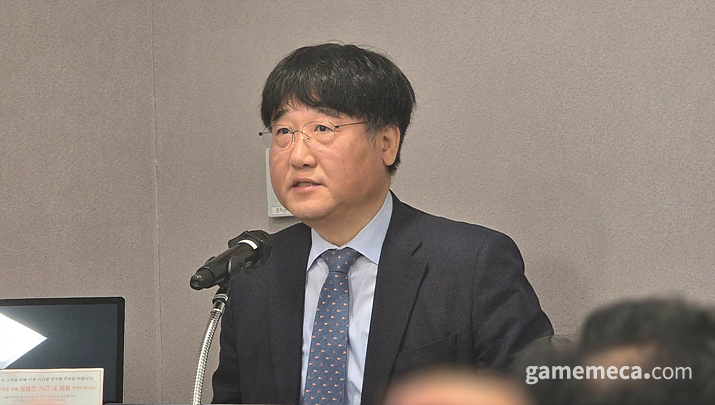
With the comprehensive amendment to the Game Industry Promotion Act (hereinafter referred to as the Game Act) tabled last year, voices are growing that if we really want to see meaningful change, we must ditch legacy baggage like the 'game over-immersion' regulations.
The Korea Game Policy Autonomy Organization hosted the 'Game Act Comprehensive Amendment Expert Forum' at the HJ Business Center Gwanghwamun in Seoul on the 13th, dissecting the bill's core components and brainstorming ways to bolster its true intent.
Originally proposed by Democratic Party lawmaker Jo Seung-rae, the bill is seen as an attempt to finally break away from the regulation-heavy framework that has haunted the industry for 20 years since the 2006 'Sea Story' scandal. By explicitly weaving the word 'culture' into the legislation, it aims to legally recognize the artistic and social weight of games while setting a foundation for the next two decades.
Experts at the forum were largely onboard with the bill's shift toward separating arcade games from other titles and moving the bulk of rating classifications into private hands—a sensible move that acknowledges different genres have different needs.
However, it’s not all plain sailing. Issues like relaxing prize regulations have hit a wall with the Ministry of Culture, Sports and Tourism, suggesting that a more strategic approach is needed to get this through the National Assembly. Particularly sensitive topics, such as spending caps on web-board games, may require a phased approach or a shift toward self-regulation to avoid legislative gridlock.
Lee Jang-joo, Director of the I-Rak Digital Culture Institute, and Professor Jin Ye-won of Ewha Womans University’s Department of Convergence Contents, argued that the legal architecture needs a much more nuanced touch, viewed through psychological and cultural lenses.
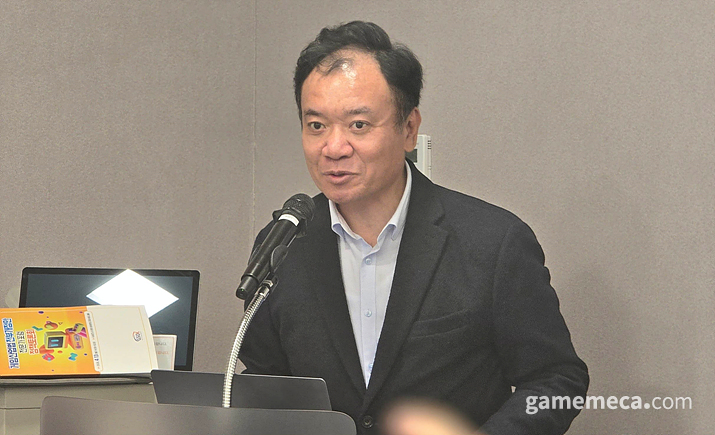
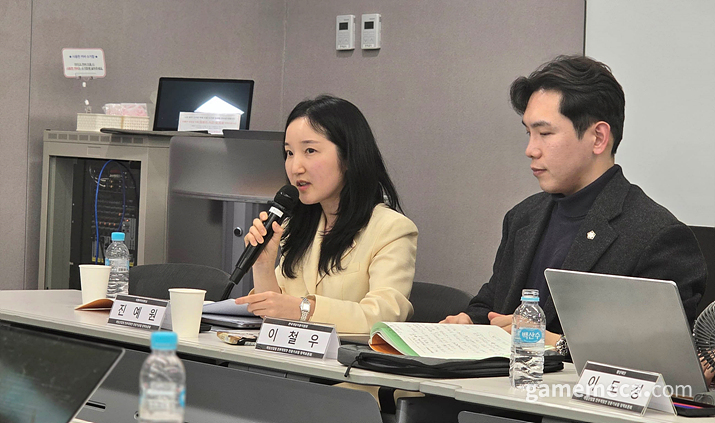
Director Lee Jang-joo noted, "Shifting the focus from the negative to 'balanced game usage' widens the scope for beneficiaries. We need to frame gaming as a culture of self-regulation rather than a vice to be controlled, which would help mitigate potential side effects."
He pushed for replacing the alarmist 'game over-immersion' label with 'balanced usage,' arguing that regulations should focus on whether daily functioning is actually impaired, rather than just counting the minutes on the clock.
Identity verification, he argued, is largely ineffective at preventing addiction. Instead, checks should be targeted at real-world risks like payments or access to adult content. He also warned against using vague, subjective terms like 'wholesome' or 'proper' in policy, advocating instead for an environment that supports 'sustainable and harmless participation.'
The conversation also turned to consumer protection. Lee Do-kyung, Secretary-General of the Youth Foundation, argued that the current 'Probability-type Item Damage Relief Center' should be expanded into a 'Game User Rights Protection Center' to handle wider grievances like unfair account bans or intrusive operations, provided it maintains strict independence from public institutions.
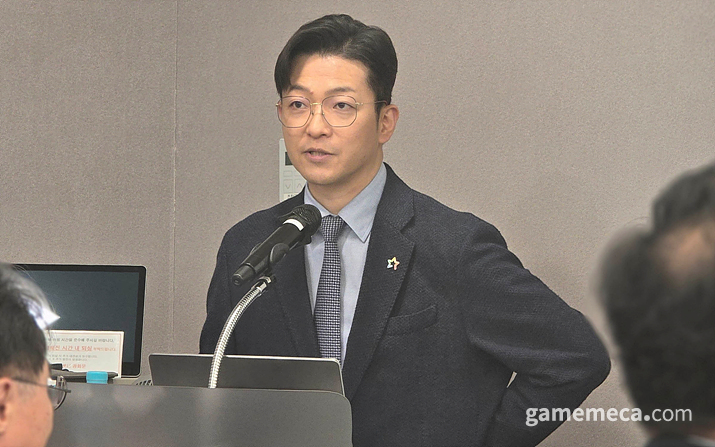
Regarding hacks and private servers, he suggested setting clear criteria for severity. He also proposed applying concepts like 'non-punishable upon victim's will' or 'fair use' to protect fan-run servers or non-commercial projects, ensuring that innocent players aren't caught in the crossfire.
There was also talk of tightening the screws on foreign publishers, specifically regarding the domestic representative system, to ensure they provide the necessary data when under scrutiny.
As for governance, the consensus was clear: when establishing a dedicated body, a simple transfer of staff won't cut it. To avoid creating just another 'rebranded' agency, there must be a rigorous vetting process—especially for those with disciplinary records—to ensure a genuine fresh start.
Other suggestions included building a 'feedback loop' to periodically assess the efficacy of legal interventions, similar to European models, and doubling down on foundational research into the cultural value of games.
Finally, with the shifting landscape of the National Assembly later this year, the panel stressed that the hard work of persuading new Culture, Sports and Tourism Committee members will be vital for the bill's survival.
작년에 발의된 게임산업 진흥에 관한 법률(이하 게임법) 전부개정안에 대해, 실질적인 변화를 위해서는 '게임과몰입' 등 기존 규제를 해소하는 방향으로 보완해야 한다는 주장이 제기됐다.
한국게임정책자율기구는 13일, 서울 HJ비즈니스센터 광화문점에서 '게임법 전부개정안 전문가 포럼 정책토론회'를 개최했다. 게임법 전부개정안의 주요 내용과 정책적 의미를 살펴보고, 취지를 보강하기 위한 다양한 방향을 제시했다.
지난해 더불어민주당 조승래 의원이 대표발의한 게임법 전부개정안은 2006년 '바다이야기' 사태 후 20년 동안 지속된 규제 중심의 법체계를 '진흥과 문화'의 패러다임으로 전환하려는 시도로 평가됐다. 법안 명칭에 '문화'를 포함해 게임의 예술적·사회적 가치를 법적으로 명시하고, 향후 20년을 설계할 게임 문화 및 산업의 기틀을 마련하는 데 목적을 뒀다.
토론회에 참가한 전문가들은 규제 이원화와 게임 심의(등급 분류) 민간 이양 등 개정안의 큰 방향성에 적극 찬성했다. 특히 아케이드게임과 그 외 게임을 분리해 각 특성에 맞는 규제를 적용하고, 아케이드를 제외한 모든 게임 심의를 민간에 이양하는 내용이 담긴 점을 조명했다.
다만, 게임 경품 규제 완화 등 일부 쟁점은 관계 부처인 문화체육관광부 등에서 이견이 제기되어 국회 통과를 위해서는 전략적 보완이 필요하다고 평가됐다. 특히 웹보드게임 결제 한도와 같은 민감한 이슈는 입법 가능성을 높이기 위해 단계적인 완화나 자율 규제로의 전환 등 전략적 검토가 요구됐다.
이락디지털문화연구소 이장주 소장과 이화여자대학교 융합콘텐츠학과 진예원 교수는 심리학적·문화적 관점에서 더욱 정교한 법적 설계가 필요하다고 밝혔다.
이장주 소장은 "부정적인 부분에 초점을 두기 보다 균형 있는 게임 이용 지원 등의 표현으로 제시한다면 보편적인 수혜자들이 넓어지는 효과가 있다."며, "(게임이 사회적으로 부정적인) 낙인보다는 지원이 될 수 있고, 통제보다는 자기 조절이 가능한 문화라는 측변으로 확산해 긍정적인 요소로 부작용을 완화하거나 대응하는 방안이 필요하다"고 말했다.
이를 위해 부정적 효과를 줄 수 있는 ‘게임 과몰입’이라는 용어 대신 ‘균형 있는 이용’으로 명확히 재정의해야 하며, 시간 위주 규제에서 벗어나 일상생활의 기능적 손상 여부를 판단 기준으로 삼아야 한다고 강조했다.
본인인증 또한 실질적인 과몰입 예방 효과가 부족하다는 점을 고려해 결제나 성인물 접근 등 실제 위험 지점에 인증을 집중하는 방식으로 개선되어야 한다고도 언급했다. 아울러 '건전함'이나 '올바른'과 같은 정책 집행자의 자의적 해석이 가능한 규범적 용어보다는 '지속 가능하고 해롭지 않은 참여'를 지원하는 환경 조성에 초점을 맞춰야 한다고 주장했다.
이용자 보호와 규제의 실효성을 확보하기 위한 방안도 중요하게 다뤄졌다. 이도경 청년재단 사무총장은 현재 확률형 아이템에 국한된 '확률형 아이템 피해구제센터'를 '게임 이용자 권익 보호 센터'로 확대해 부당한 계정 정지나 운영 개입 등 서비스 전반의 피해에 대응할 수 있는 기능을 부여해야 한다고 주장했다. 함께 공공기관에 의한 이용자 권익 침해 가능성을 고려해 센터의 독립성 강화가 필수라고 언급했다.
불법 프로그램(핵)과 사설 서버 대응에 있어서도 상습성이나 피해 심각성에 대한 명확한 판단 기준을 마련해야 하며, 게임사가 존재하지 않거나 팬들이 2차 창작 성격으로 운영하는 서버 등에는 '반의사불벌죄'나 '공정 이용' 개념을 적용하여 선량한 이용자를 보호해야 한다고 밝혔다.
이외에도 해외 게임사에 대한 국내 대리인 지정 제도의 실효성을 높이기 위한 자료 제출 권한을 강화 등 입법적 보완 논의가 이어져야 한다고 제기됐다.
거버넌스 측면에서는 전담기구 설립 시 단순한 인적 승계를 넘어선 직무 중심의 재검증과 독립성 확보가 관건이라는 논지도 확인할 수 있었다. 기존 인력을 그대로 고용 승계할 경우 조직 문화도 그대로 이어져 ‘이름만 바뀐 기관’이 될 우려가 있으므로, 과거 징계 전력이 있는 인사에 대한 철저한 검증과 인적 쇄신이 필요하다고 논의됐다.
이외에도 여러 의견이 제시됐다. 이번 개정안이 산업의 틀을 넘어 문화의 영역으로 안착하는 역사적 전환점이 되기 위해서는 법적 개입의 효과를 정기적으로 평가하는 '환류 체계'를 구축하고, 유럽처럼 게임의 문화적 가치에 대한 기초 연구를 강화해야 한다고 제언했다.
또한 하반기 국회 구성 변화에 맞춰, 새로운 문화체육관광위원회 위원을 대상으로 개정안의 필요성을 지속적으로 설득하는 노력이 수반되어야 한다고 강조됐다.
This news was translated by AI.

I am dedicated to games and writing. viina@gamemeca.com



RECOMMENDED NEWS
MOST POPULAR NEWS
- K/DA Returns After 6 Years, League of Legends Releases 'Firestarter' Music Video
- Severe Copying of Games via AI Reverse Engineering Destroys the Development Ecosystem
- [Today's steam] Wardogs announces early termination of new season just 3 days after launch
- [Today's steam] Modern Warfare 4 receives the highest user acclaim in the series
- "I will create and distribute cloned games using AI" Indie developer threatened
- South Korea vs. China Showdown, LCK Opponent for the 2026 World Championship Decided
- Picking up weapons and Spikes from afar, VALORANT reveals agent 'Waylay'
- 'Uma Musume' US LA Tour Suddenly Canceled Due to Visa Issues for Voice Actors and Singers
- Save Storage Space, PS5 Cloud Streaming Launches in South Korea on the 28th
- PvP and New Dungeons Revealed in ArcheAge Chronicles Steam Playtest
MEDIA PARTNERSHIPS



GAMEMECA SNS


 GAMEMECA GLOBAL SITE