
The Reason Behind the End of E3, Research Report Released by GSOK
E3가 종료된 이유, 한국정책자율기구 연구보고서 발표
2026.08.11 13:53 UTC+9

AI Summary
The GSOK report analyzes the evolving landscape of global game shows. It highlights the need for sustainable governance over mere scale. Success now relies on balancing digital reach with tangible on-site value.
The Game Self-Regulation Committee (GSOK) released the 13th GSOK Policy Research report on the 11th, titled 'From Exhibition Halls to Digital Showcases: Focusing on Global Game Shows'.
The GSOK Policy Research is a quarterly report published by the Game Self-Regulation Committee. Its objective is to foster a consensus-based gaming ecosystem across industry, academia, government, and the public by bringing critical policy research to the forefront.
This study approaches game shows as more than just a stage for new reveals; it views them as complex platforms where technology, content, business strategy, industrial exchange, and user culture converge. The research examines the formation and restructuring of major global game shows based on the history and structure of the exhibition industry.
The study analyzed various cases, including Tokyo Game Show, ChinaJoy, Gamescom, The Game Awards, PAX, GDC, Summer Game Fest, Nintendo Direct, and BlizzCon. The findings confirm that global game shows are diversifying into categories such as comprehensive exhibitions, conferences, festivals, digital showcases, and award-integrated formats.
Among these, the comprehensive exhibition model saw its limitations exposed by the collapse of E3, which relied too heavily on the participation of a few key corporations. Conversely, the report assesses that Tokyo Game Show, ChinaJoy, and Gamescom maintain demand for offline comprehensive game shows by leveraging on-site demos, B2B transactions, user engagement, and regional industrial platforms.
However, the researchers point out that simply maintaining offline demand or increasing visitor numbers does not guarantee competitiveness. Specific issues such as on-site congestion, unequal access to hands-on experiences, high participation costs, the commercialization of programming, diluted excitement for new announcements, tensions between internationalization and local identity, and over-reliance on specific firms or platforms must be addressed.
Consequently, the report suggests future operational strategies: prioritizing event identity and value for core participants over sheer scale, establishing sustainable governance to balance diverse stakeholders, integrating B2B and B2C efforts, and dividing functions so that online channels focus on information dissemination while physical venues focus on demos, consultations, and face-to-face networking.
Hwang Sung-ki, the Chair of the Game Self-Regulation Committee, stated, "I hope this research serves as foundational material for understanding the evolution of global game shows and for developing operational strategies that bridge event identity with hands-on experiences, industrial networking, and user participation."
The full GSOK Policy Research report can be accessed at the official website of the Game Self-Regulation Committee.
한국게임정책자율기구는 11일, GSOK 정책연구 제13호 보고서 '전시장에서 디지털 쇼케이스까지- 글로벌 게임쇼를 중심으로'를 발간했다.
GSOK 정책연구는 한국게임정책자율기구가 매 분기 발간하는 보고서다. 게임산업에 대한 정책연구를 공론화함으로써 산‧학‧관‧민이 공감할 수 있는 게임 생태계의 기반을 다지는 연구를 수행하는 것을 목표로 한다.
이번 연구는 게임쇼를 신작 발표를 넘어 기술, 콘텐츠, 사업 전략, 산업 교류, 이용자 문화가 집약된 복합 플랫폼으로 본다. 전시산업 역사와 구조를 토대로 주요 글로벌 게임쇼 형성과 재편 과정을 검토했다.
도쿄게임쇼, 차이나조이, 게임스컴, 더 게임 어워드, 팍스, GDC 페스티벌 오브 게이밍, 서머 게임 페스트, 닌텐도 다이렉트, 블리즈컨을 사례로 삼았다. 그 결과 글로벌 게임쇼가 종합전시형, 컨퍼런스형, 페스티벌형, 디지털 쇼케이스형, 어워드 결합형으로 분화하고 있음을 확인했다.
이 가운데 종합전시형의 경우 E3 종료가 주요 기업 참여에 크게 의존하는 전시회 운영의 한계를 드러낸 사례로 판단했다. 반면 도쿄게임쇼, 차이나조이, 게임스컴은 현장 시연, B2B 거래, 이용자 참여, 지역 산업 플랫폼 등을 바탕으로 오프라인 종합 게임쇼에 대한 수요를 유지하고 있다고 평가했다.
다만, 오프라인 수요 유지와 참가사·방문자 수 증가만으로 게임쇼 경쟁력이 보장되는 것은 아니라고 지적했다. 구체적으로 현장 혼잡과 체험 기회의 불균형, 높은 참여 비용과 접근성 제약, 프로그램의 상업화와 신작 공개의 밀도 저하, 국제화와 정체성 간 긴장, 특정 기업·플랫폼에 대한 의존 등을 해소할 필요가 있다고 봤다.
이에 따라 게임쇼 향후 운영 방안으로 외형적 규모보다 행사 정체성과 핵심 참여자에게 제공하는 가치 확립, 다양한 이해관계를 조정할 수 있는 지속 가능한 거버넌스 구축, B2B와 B2C의 연계, 온라인은 정보 전달과 확산에, 현장은 시연·상담·대면 교류에 집중하는 기능 분담 등을 제안했다.
황성기 한국게임정책자율기구 의장은 "이번 연구가 글로벌 게임쇼의 변천 과정과 운영 구조를 이해하고, 게임쇼의 정체성과 현장 체험·산업 교류·이용자 참여를 연결하는 운영 전략을 모색하는 데 기초 자료가 되기를 기대한다"고 밝혔다.
GSOK 정책연구는 한국게임정책자율기구 공식 홈페이지에서 확인할 수 있다.
This news was translated by AI.

Let's not lose our initial resolve. Meticulously, one by one. risell@gamemeca.com
READ MORE
-
 Unicorn Overlord Director Participates, Good Smile Unveils New IP
-
 Bungie, which resumed Destiny development, also revives Marathon
-
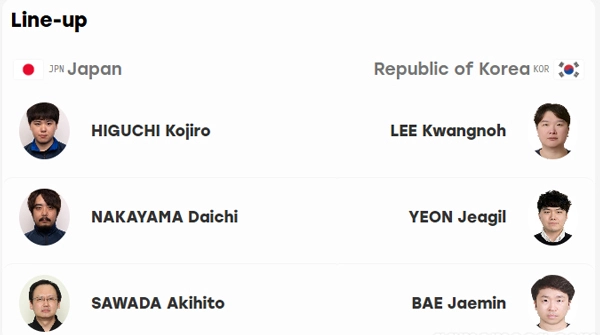 Asian Games Fighting Game Event, Finals Set Between South Korea and Japan
-
 [Indie Dev Says] The culprit behind the mass casualty incident of the Antarctic base is an 'Emperor Penguin'?
RECOMMENDED NEWS
MOST POPULAR NEWS
- Recommended for the holidays, what is the trend in gaming tablets?
- HEARTSTEEL is Back, League of Legends New Song 'Live My Life' Revealed
- [TGS 26] Hyung-tae Kim "AI video was an experiment, I apologize"
- South Korean National Team Set to Compete, PUBG MOBILE Asian Games Finals Imminent
- Enjoy Cute Adventures One-Handed, Animo Mobile Version Released
- Into the Deeper Depths of Snezhnaya, Exploring Genshin Impact Version 7.1
- [Today's steam] First 90% Discount, Far Cry 6 Ranks at the Top for Consecutive Days
- [Today's steam] Factory-style graveyard management, Graveyard Keeper 2 released
- Poppy Playtime 4-Player Co-op Escape New Title, Released on October 22
- Nivalis Nights, Running a Restaurant in a Cyberpunk City
MEDIA PARTNERSHIPS



GAMEMECA SNS


 GAMEMECA GLOBAL SITE