
Korean characters in Woochi the Wayfarer brought to life via Nexon Games employee face scans
우치 속 한국인, 넥슨게임즈 직원 얼굴 스캔으로 생생하게
2026.08.21 17:50 UTC+9

AI Summary
Nexon Games revealed how Woochi the Wayfarer blends UE5 tech with Korean history. They used 3D face scans and specific fantasy-to-history ratios for authenticity. The team hopes to redefine the Joseon fantasy genre through these rigorous design standards.

Nexon Games peeled back the curtain on August 21, revealing how they are crafting the Joseon-era fantasy world for their upcoming title, Woochi the Wayfarer.
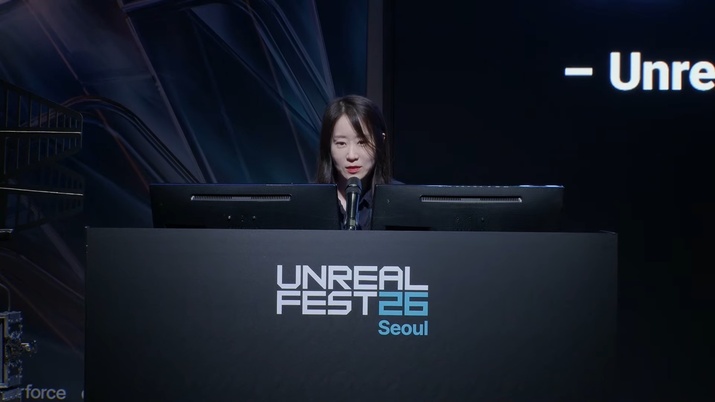
Mok Young-mi, Art Director at Nexon Games' Lorevault Studio, took the stage at Unreal Fest Seoul 2026 at the Grand InterContinental Seoul Parnas on August 21 to share some hard-won insights into their art direction.
Under the title 'Woochi the Wayfarer: Why doesn't the Joseon in-game look like Joseon? Redefining Korean fantasy art direction with UE5,' Mok Young-mi detailed the challenges of developing this niche genre and the team’s tactical use of Unreal Engine 5.
The art team kicked things off by sharing their rigorous process of researching and interpreting Hanbok, facial features, landscapes, and creatures from folklore to ensure a distinct Korean identity.
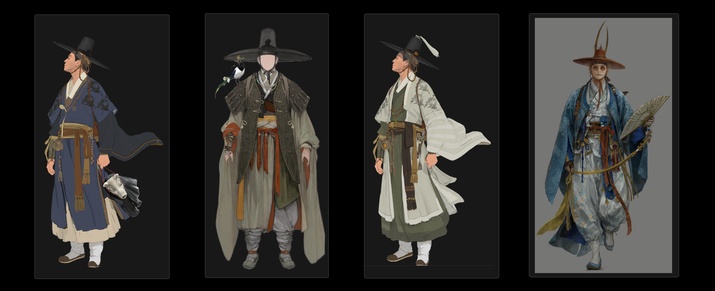
Mok Young-mi admitted that nailing the Hanbok was a genuine headache. While beautiful, it is a nightmare to implement; lean too far into historical accuracy and the impact falls flat, but add too much fantasy flair, and you lose that quintessential Korean silhouette. The solution? The team bought and scanned various physical garments, using the iconic gat (hat) and dopo (robe) as their anchor points.
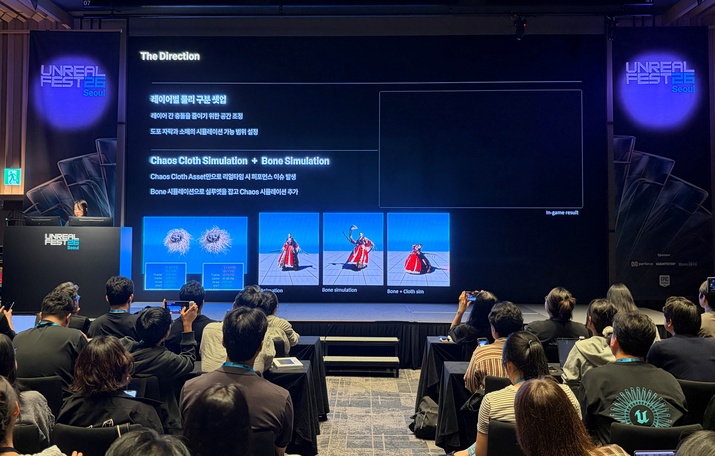
Technically, they ditched the idea of simulating the entire outfit at once. Instead, the team broke it down by parts—handling the overall flow and silhouette separately while applying Chaos Cloth simulation only where it mattered most, keeping performance smooth.
There was also plenty of soul-searching regarding the use of Korean history. The team concluded that historical accuracy is a tool, not the end goal, so they established a strict balance: 70% fantasy/30% accuracy for the protagonist and main NPCs, 30% fantasy/70% accuracy for background characters, and a 50/50 split for environments. Getting everyone on the same page was key.
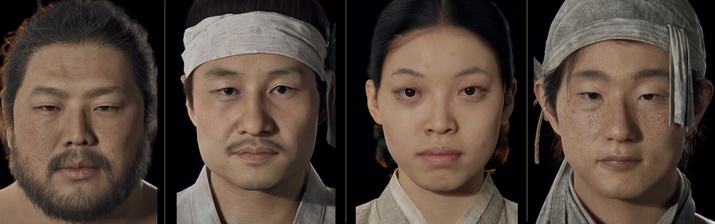
Mok Young-mi didn't shy away from the 'Asian character' trope seen in many fantasy games, noting that they often feel detached from the reality of Korean faces. To fix this, the team used 3D scans of actual actors for lead characters like 'Woochi,' and even scanned over 100 Nexon Games employees to populate the world with realistic guards, scholars, and innkeepers.
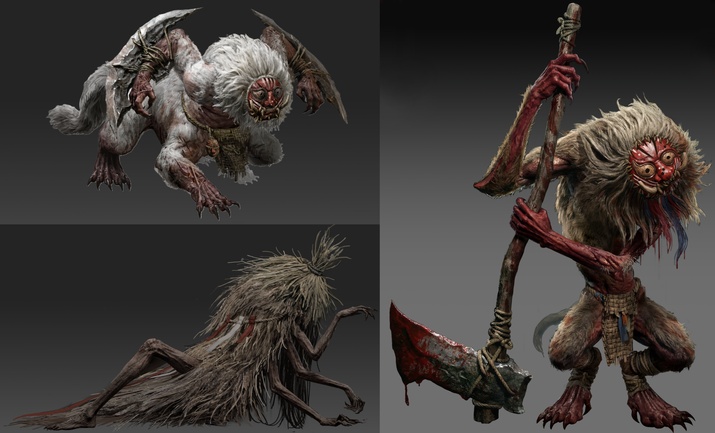
By grounding the cast in reality, the developers have lent the world a palpable sense of authenticity. And for those wondering about the threats, folklore monsters like the Geuseunsae, Gangcheoli, and Eoduksini are officially in, with the Dokkaebi set to appear as well.
As for the scenery, Mok Young-mi explained that to capture the unique light, seasonal shifts, and natural colors of Korea, the team relied heavily on Unreal Engine 5's Lumen and Megalights for a bright, vibrant aesthetic.
However, it isn't all sunshine; the environment warps into something more grotesque and shadowed as the influence of yokai grows, keeping players on their toes. The team even went on-site across the country to gather data, ensuring the landscapes feel like a genuine reflection of Korea.
Looking back on the past year, Mok Young-mi described the process as a journey of aligning the team's vision. 'A standard is useless if it's trapped in the Art Director's head,' Mok Young-mi noted, emphasizing that the team had to constantly iterate and share their findings to build a shared sense of judgment.
Mok Young-mi closed the talk with a final thought: 'What we are building isn't just a set of costumes or a background; it is a framework that allows players to read the Joseon era within the game. We hope you find our version of Joseon in Woochi the Wayfarer.'
넥슨게임즈는 21일, '우치 더 웨이페어러(Woochi the Wayfarer)'의 조선 판타지 세계 구현 방안을 공개했다.
넥슨게임즈 로어볼트스튜디오 목영미 아트 디렉터는 21일, 서울 삼성동 웨스틴 서울 파르나스 하모니 볼룸에서 열린 언리얼 페스트 서울 2026에서 아트 디렉션 노하우를 소개했다.
'우치 더 웨이페어러: 게임 속 조선은 왜 조선처럼 보이지 않는가? UE5로 재정의한 한국 판타지 아트 디렉션'을 주제로, 국내 게임업계에서 시도하기 어려웠던 조선 판타지 장르 개발의 기준과 언리얼 엔진 5 활용 과정을 상세히 설명했다.
우선 '우치 더 웨이페어러' 아트팀에서 조선의 정체성을 명확히 구현하기 위해 한복, 얼굴, 풍경, 설화 속 존재들을 고증하고 해석한 과정을 공유했다.
제작 과정에서 한복 구현에 난관을 겪었다고 밝혔다. 한복은 멋지고 아름답지만 게임 개발자에게는 난이도가 높았다. 고증을 치중하면 임팩트가 부족하고, 판타지적 디테일을 더하면 한국적인 실루엣에서 멀어지는 딜레마에 직면했다. 이에 아트팀은 다양한 한복을 직접 구매하고 스캔하는 방식으로 리서치를 진행했고, 한국 고유의 실루엣인 갓과 도포를 기준점으로 삼았다.
기술적으로는 옷 전체를 하나의 시뮬레이션으로 처리하지 않고 역할을 분리했다. 이를 통해 전체적인 옷의 흐름과 큰 실루엣을 잡고, 자연스러운 움직임이 필요한 일부 영역에만 카오스 클로스 시뮬레이션을 적용하여 성능을 최적화했다.
한국 역사를 소재로 하는 것에 대한 깊은 고민도 공유했다. 고증 자체가 목적이 아니라 더 나은 선택을 위한 도구라는 결론에 도달해 고증과 판타지 배분 원칙을 수립했다. 플레이 캐릭터와 주연급 NPC는 판타지 70%에 고증 30%, 일반 NPC는 판타지 30%에 고증 70%, 배경은 50 대 50 비율로 설정했고, 모든 팀원이 동일한 방향으로 작업하도록 했다.
게임 속 캐릭터 얼굴을 구현한 과정도 공개됐다. 목 디렉터는 기존 아시아 판타지 게임의 동양인 캐릭터가 한국인의 얼굴과 거리가 있다는 점에 아쉬움을 표하며, '우치 더 웨이페어러'에서는 실제 한국인의 얼굴을 보여주겠다는 목표를 세웠다고 밝혔다. 주인공 '우치'를 포함한 주요 캐릭터는 실제 배우 3D 스캔 데이터를 기반으로 제작했으며, 관군, 양반, 주모 등 NPC 얼굴은 넥슨게임즈 임직원 100여 명의 3D 스캔 데이터를 활용했다.
제작진은 실제 한국인의 얼굴을 게임에 적용시키며 세계관의 현실감을 높이고, 게임의 정체성을 더 뚜렷하게 만들었다. 이와 함께 그슨새, 강철이, 어둑시니 등 한국 설화 속 요괴가 몬스터 디자인에 활용되며, 도깨비의 모습도 공개할 예정이다.
배경 아트에서는 한국의 빛과 계절감, 살아있는 자연의 색을 표현하기 위해 언리얼 엔진 5의 루멘 기능과 메가라이트를 활용해 밝고 화사한 비주얼 방향을 택했다고 전했다.
게임 진행에 따라 요괴의 영향이 강해지는 것을 표현하고자 화사한 풍경과 대비되는 어두운 톤을 사용하며 공간을 그로테스크하게 변형시켜 몰입도를 높였다. 한국적 디테일 확장을 위해 프로시주얼 워크플로우 기능도 사용했다. 개발진은 전국 각지를 직접 답사하며 자료를 수집해 유저들이 '진짜 한국의 풍경'이라고 느낄 수 있는 지점을 찾아가는 데 주력했다고 밝혔다.
목영미 AD는 지난 1년을 돌아보며 조선 판타지 게임을 위한 기준을 세우고, 팀원과 생각을 폭을 좁혀 나가는 시간이었다고 회고했다. 이어 “아무리 좋은 기준을 세웠다고 할지라도 그것을 아트디렉터 혼자 가지고 있어서는 의미가 없다”며, “팀원들과 함께 방향성을 정리하고, 반복해서 공유하며, 함께 기준을 맞추고 개선하는 과정을 거쳐 팀 공통의 판단 기준을 완성했다”고 설명했다.
이어 “우리가 만들고 있는 것은 단순히 조선시대 배경이나 의상이 아니라, 게임 안에서 조선시대를 읽어낼 수 있도록 하는 기준”이라며 “우리가 찾아낸 조선을 ‘우치 더 웨이페어러’ 안에서 발견해 달라”는 당부로 강연을 맺었다.
This news was translated by AI.

I am dedicated to games and writing. viina@gamemeca.com
READ MORE
RECOMMENDED NEWS

MOST POPULAR NEWS
- [Today's steam] RimWorld switched to its own engine
- SOOP Opens Event Page for 2026 League of Legends World Championship
- From Restoration, Patching to Porting, AI-Powered 'Game Reverse Engineering' Gains Attention
- Summoners War to Gift Monsters to SWC2026 Participating Players
- [Today's steam] Mod breakage leads to Total War: Shogun 2 getting Overwhelmingly Negative reviews
- Today's steam: Critics harsh vs. users rave, divided reaction for 'Hellraiser'
- New First-Person Soulslike Title 'Valor Mortis' Receives 'Mostly Positive' Reviews
- [Today's steam] Fool the AI, Co-op New Title 'Scam With Your Friends'
- The All-Out War on the Korean Peninsula Depicted in Call of Duty: Modern Warfare 4
- Cook, Manage, and Fight: Steam Cooking Game Festival Begins
MEDIA PARTNERSHIPS



GAMEMECA SNS


 GAMEMECA GLOBAL SITE