
[Precedent.zip] Punitive damages for probability-based items, the key is 'burden of proof reversal'
[판례.zip] 확률형 아이템 징벌배상, 핵심은 ’입증전환‘
2025.08.15 10:01 UTC+9

AI Summary
A new law effective August 2025 mandates punitive damages of up to 3x for misleading game item odds. Developers now bear the burden of proving innocence, a major shift from the 2021 Cube case. This will likely spark more settlements and force unprecedented transparency in game design.

Back in 2021, the controversy surrounding the probability of 'Cube' items in MapleStory sent shockwaves through the industry. While the case eventually confirmed that the publisher, NEXON, had engaged in deceptive practices amounting to willful misconduct, the resulting compensation was, frankly, a pittance based on actual spending.
The real headache, however, was that proving such clear-cut negligence in other cases proved to be an uphill battle. For most players stung by these 'gacha' mechanics, securing any form of meaningful restitution felt like chasing a ghost.
Enter August 1, 2025, the date a new law shifted the tectonic plates of the industry. Under Article 33-2 of the Game Industry Promotion Act, the burden of proof has been flipped, and a punitive damages system has been introduced, allowing for up to three times the actual damages. Had this been on the books during the 2021 Cube affair, the courtroom drama would have looked quite different.
August 2025: The new legislation rocking the gaming world
The new statute is crystal clear: if a developer fails to disclose the types of probability-based items or their drop rates—or worse, provides false information—they are liable for damages.
The kicker here is that the onus is now on the studio to prove they were not at fault. It is a complete reversal of the traditional legal order. Where players once had to jump through hoops to prove the publisher’s intent, the developers must now prove their innocence. Furthermore, in cases where calculating exact damages is a nightmare, the courts are now empowered to determine a substantial sum based on the overall proceedings and evidence.
Even more radical is the introduction of punitive damages. Should the court find that the violation was intentional, it can award up to three times the recognized damages. The court will consider the degree of intent, the scope of harm, the economic gain reaped by the studio, the frequency of the offense, and the efforts made toward reconciliation.

The reality of punitive damages, as seen in Subcontracting Law
However, don't expect courts to hand out triple damages like party favors. This new gaming legislation mirrors existing economic frameworks like the Subcontracting Act or the Franchise Act. While those laws also feature punitive clauses, the judiciary tends to be notoriously cautious.
Looking at precedents under the Subcontracting Act, the courts scrutinize the intent, the risk of recurrence, the severity of the damage, and the financial standing of the offending party with meticulous care. In practice, final awards often fall well short of the statutory ceiling.
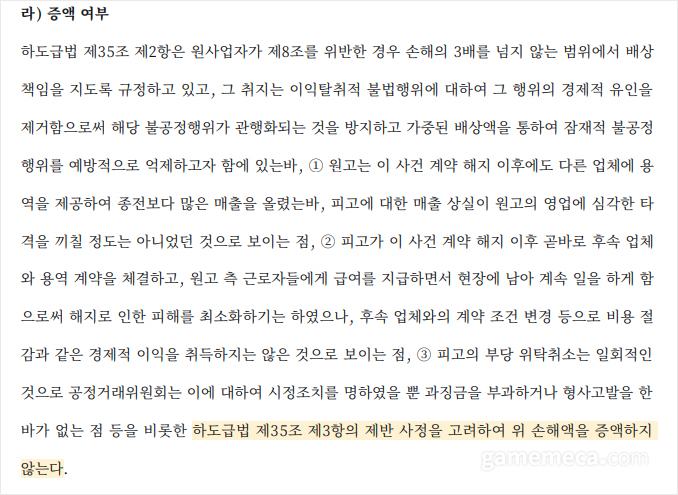
Take the 2022Na27587 ruling from the Suwon High Court, for instance, which explicitly stated that it would not increase the damage amount after weighing all circumstances under Article 35-3 of the Subcontracting Act. The mere existence of a law does not guarantee a triple payout.
That said, the leverage in negotiations and legal battles has tilted significantly. We anticipate a surge in early settlements, as studios look to dodge the existential risk of a massive punitive judgment—a trend we have already seen take root in other sectors.
What if the new law applied to the Cube incident?
If the 2025 act had been in effect in 2021, the landscape would have been unrecognisable. The shift in the burden of proof is the real game-changer. Previously, players hit a brick wall when trying to prove intent, as access to internal data was guarded like the Crown Jewels. In the MapleStory case, the publisher’s own past announcements were the only thing that kept the case afloat.
Under the new regime, the developer would have been forced to prove their own innocence. This is a nightmare scenario for any studio, as it would require them to open their entire playbook: system development logs, meeting minutes regarding probability adjustments, internal reports, executive sign-offs, and legal compliance memos.
They would have been obligated to present their entire quality assurance process, monitoring records, and response manuals for system errors. They might even have had to justify how their probability tweaks influenced revenue or maintained game balance—a level of transparency that would make many CEOs sweat.
The financial fallout would have been equally explosive. While the initial ruling awarded roughly 5% of the average purchase amount, the new law could have pushed that to 20-40%. If the publisher failed to prove a lack of intent, the punitive multiplier could have driven total damages to 100% of the purchase amount—a twenty-fold increase compared to the original 5% refund.

A revolution in gaming litigation
Expect a fundamental shift in how these disputes are handled. The new legal formula will likely see a move from simple refund demands to aggressive claims for punitive damages.
The standards for evidence discovery will also evolve. We foresee a surge in demands for internal system logs and an increased judicial push for the transparency of probability algorithms. The pressure for full, real-time disclosure of drop rates will become impossible to ignore.
As the Subcontracting Act has shown, we may also see a rise in settlement-focused dispute resolution. Studios will likely prefer to strike deals early rather than dragging out long, costly litigation that invites public scrutiny.

From Cubes to the era of punitive damages
The 2021 MapleStory Cube saga seared the importance of transparency into the minds of the Korean gaming public. At the time, however, the legal tools for redress were simply too blunt to deliver true justice.
This new punitive damages system, effective as of August, turns the page. While the shift in the burden of proof presents a daunting challenge for developers, it provides players with the legal teeth they have long lacked.
Of course, as history with other economic laws suggests, it will take time for the dust to settle. A healthy ecosystem will only emerge when the courts show wisdom, developers commit to self-improvement, and players exercise their rights with clarity.

2021년, 메이플스토리의 확률형 아이템 '큐브' 확률 논란이 게임업계를 뒤흔들었습니다. 이 사건은 넥슨의 고의·중과실에 의한 기망 행위가 입증되어 손해배상이 인정되었습니다. 하지만, 배상액은 실제 지출액을 기준으로 소량만 인정됐습니다.
더 큰 문제는 다른 게임사들의 유사 사건에서는 큐브 사건만큼 명확한 고의·과실을 입증하기가 쉽지 않아, 손해배상 자체를 인정받기 어려웠다는 점입니다. 결국 확률형 아이템으로 피해를 본 이용자 대부분은 실질적인 구제를 받기 어려운 상황이었습니다.
2025년 8월 1일, 이 상황을 완전히 바꿔놓을 법이 시행됐습니다. 게임산업진흥에 관한 법률 제33조의2입니다. 이 조항은 확률형 아이템 표시 의무 위반에 대해 입증책임 전환과 함께 손해액의 최대 3배까지 배상액을 정할 수 있는 징벌적 손해배상을 도입했습니다. 만약 이 법이 2021년 큐브 사건 당시에 존재했다면, 소송 판도는 완전히 달라졌을 것입니다.
2025년 8월, 게임업계를 뒤흔든 새로운 법
신설된 법은 게임사가 확률형 아이템 종류와 종류별 공급 확률정보를 표시하지 않거나 거짓으로 표시해 게임 이용자에게 손해를 입히면 손해배상 책임을 지도록 명시했습니다.
주목할 점은 게임사가 고의 또는 과실이 없음을 스스로 증명해야 한다는 것입니다. 이는 기존의 입증 구조를 완전히 뒤바꾼 것입니다. 예전에는 이용자가 게임사의 고의나 과실을 모두 증명해야 했지만, 이제는 게임사가 자신의 무과실을 입증해야 하죠. 손해액 입증이 매우 곤란한 경우 법원이 변론 전체의 취지와 증거조사 결과를 종합해 상당한 손해액을 인정할 수 있게 됐습니다.
더욱 파격적인 것은 징벌적 손해배상 제도 도입입니다. 확률형 아이템 표시의무위반행위가 고의적인 것으로 인정되는 경우, 법원은 손해로 인정된 금액의 3배를 넘지 않는 범위에서 배상액을 정할 수 있습니다. 이때 고의 또는 손해 발생의 우려를 인식한 정도, 피해 규모, 게임사가 취득한 경제적 이익, 위반행위의 기간과 횟수, 기존 벌금 및 과징금, 피해구제 노력 정도 등이 종합적으로 고려됩니다.
하도급법에서 배우는 징벌배상의 현주소
다만 징벌적 손해배상 제도가 도입돼도 쉽게 3배의 배상액이 인정되는 것은 아닙니다. 새로운 게임법의 징벌배상 구조는 하도급법, 가맹사업법 등 기존 경제법 영역의 징벌배상 제도와 굉장히 유사합니다. 하도급법에서도 비슷한 징벌배상 규정이 있지만, 실제 법원의 접근은 상당히 신중한 편입니다.
하도급법 적용 사례를 보면 법원은 요건을 엄격하게 심사합니다. 고의성, 재발 위험성, 피해 정도, 가해자의 경제적 능력, 제재의 효과, 그 밖의 모든 사정을 종합 고려하여 판단하죠. 실제 배상액 역시 법정 최고액인 3배보다 낮은 수준에서 조정하는 사례가 많습니다.
수원고등법원에서 선고된 2022나27587 판결을 보면 “여러 사정을 비롯한 하도급법 제35조 제3항의 제반 사정을 고려하여 위 손해액을 증액하지 않는다”라고 명시했습니다. 이렇듯, 법이 생겼다고 해서 쉽게 3배의 증액 판결이 나오는 건 아닙니다.
하지만, 협상이나 소송 과정에서 사업자 측 부담은 확연히 커집니다. 특히 주목할 점은 합의 유도 효과입니다. 징벌적 손해배상이 도입된 후 하도급법 등에서 소송 리스크를 우려한 사업자들이 조기에 합의하는 경우가 많이 증가했는데, 게임업계에서도 비슷한 현상이 일어날 것으로 예상됩니다.
큐브 사건에 새 법이 적용되었다면?
만약 2021년 큐브 사건 당시 이번에 시행된 새로운 법이 존재했다면, 소송의 판도는 완전히 달라졌을 것입니다. 가장 극적인 변화는 입증 부담의 반전입니다. 대부분의 확률 사건에서 이용자들은 게임사의 고의성을 입증하는 데 큰 어려움을 겪었습니다. 내부 데이터 접근이 제한적이었고, 고의성 입증을 위한 결정적 증거 확보가 어려웠거든요. 메이플스토리 큐브 사건에서도 넥슨의 확률에 대한 기존 공지가 게임사의 고의적 확률조작을 인정하는 데 큰 역할을 하기도 했습니다.
하지만 새 법이 적용됐다면 넥슨이 고의 또는 과실이 없었음을 스스로 입증해야 하는 상황이 되었을 것입니다. 이는 게임사로서는 매우 부담스러운 상황인데요. 입증책임을 부담하는 쪽은 자신이 가진 모든 패, 즉 시스템 개발 및 변경 관련 모든 문서, 확률 조정 결정 과정의 회의록과 참석자 명단, 내부 보고서와 검토 의견서, 경영진 승인 과정 관련 문서, 법무팀과 컴플라이언스팀의 검토 의견서 등을 모두 공개해야 하기 때문입니다.
또한 확률 시스템의 정확성 검증 프로세스, 내부 품질관리 절차, 정기 점검 및 모니터링 기록, 시스템 오류 발견 시 대응 매뉴얼 등도 제출해야 했을 것입니다. 더 나아가 확률 변경이 매출에 미친 영향 분석, 다른 게임 아이템과의 일관성 검토, 이용자 만족도나 게임 밸런스 개선 목적이었음을 입증하는 문서까지 필요했을 수도 있지요.
손해배상 규모도 폭발적으로 확대됐을 것입니다. 당시 판결은 평균 구매액의 5% 수준의 배상금을 인정했는데, 새 법이 적용됐다면 구매액의 20~40% 수준까지 손해가 인정되었을 가능성이 높습니다. 만약 넥슨측이 고의가 없었음을 입증하지 못했다면 징벌적 손해배상까지 적용되어 최종 배상액이 구매액의 100% 수준까지 올라갔을 것으로 예상됩니다. 이는 당시 5% 환불과 비교하면 20배 증가한 수준입니다.
게임업계에 몰아칠 소송 혁신
앞으로 확률형 아이템 관련 분쟁에서는 패턴의 변화가 예상됩니다. 표시 의무 위반에서 징벌배상 청구로 이어지는 것이 기본 소송 공식으로 정착할 것이고, 단순 환불 요구를 넘어선 적극적 손해배상 청구가 증가할 것으로 보입니다.
증거 수집과 공개 측면에서도 새로운 기준이 만들어질 텐데요. 게임사 내부 데이터와 시스템 로그 제출 요구가 급증할 것이고, 확률 알고리즘의 투명성에 대한 사법부 요구도 강화될 것입니다. 실시간 확률 변경 내역의 완전 공개에 대한 압력도 높아질 수밖에 없습니다.
하도급법 사례에서 보듯이 합의 중심의 분쟁 해결 패턴도 나타날 수 있겠습니다. 건설하도급 사건의 경우와 같이 판결 전 합의 종결 비율이 상승하고, 게임사들의 예방적 합의금 지급이 증가하며, 장기 소송보다는 조기 타협을 선호하는 경향이 뚜렷해질 가능성도 있습니다.
큐브에서 시작된 변화, 징벌배상 시대의 개막
2021년 메이플스토리 큐브 사건은 한국 게임업계에 확률 공개의 중요성을 각인시켰습니다. 하지만 당시 법적 구제 수단의 한계로 인해 이용자들은 충분한 보상을 받지 못했다고 생각할 수도 있겠습니다.
이번 8월부터 시행된 새로운 징벌적 손해배상 제도는 이런 상황을 완전히 바꿔놓을 것입니다. 입증책임의 전환과 3배 손해배상은 게임사에는 새로운 난제가 되겠지만, 이용자에게는 강력한 권리 구제 수단이 될 수도 있습니다.
다만 하도급법 사례에서 보듯이, 새로운 제도 정착에는 시간이 필요합니다. 법원의 신중한 접근, 업계의 자율적 개선 노력, 그리고 이용자들의 합리적 권리 행사가 조화를 이룰 때, 비로소 건전한 게임 생태계가 만들어질 것으로 기대됩니다.
This news was translated by AI.
READ MORE
-
 [+9 Enhanced] RedMagic Astra 2, 'Tier 0' in both performance and heat control
-
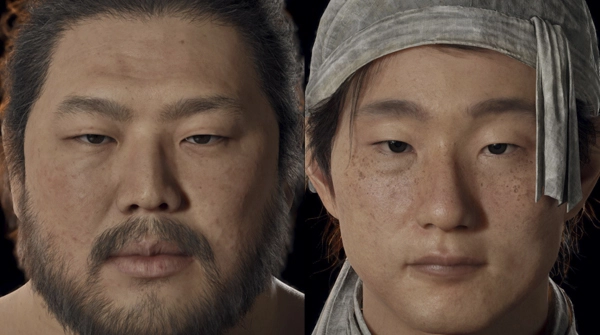 [precedent.zip] Does deriding the appearance of a character modeled after a real person constitute the crime of insult?
-
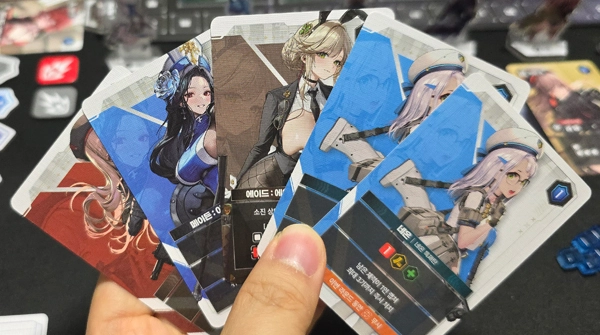 [Board Game] There is no story, but the sense of command remains, Nikke
-
 [precedent.zip] If KartRider Classic opens, will past data be revived?
RECOMMENDED NEWS
MOST POPULAR NEWS
- Golden Joystick Awards Nominees Revealed, Crimson Desert Rises in Two Categories
- [G-STAR 26] CDPR Joins, Full Outline of Participating Companies Revealed
- Cats and Soup Festival to Open at Starfield Hanam for its 10th Anniversary
- Minecraft reveals 'Ice Cave' featuring frozen zombies and crystals
- GTA 6 Collector's Edition Valued at 550,000 Won Announced Without Game Code
- KRAFTON Suspends Development of Extraction Shooter [PUBG: Black Budget]
- Celebrating 30th Anniversary, McDonald's Happy Meal 'Pokemon Card' Coming Soon
- [Today's steam] Ace Combat 8 hits No. 1 in popularity from early play
- Asian Games South Korean Esports Delegation Secures One Gold and One Silver in Fighting Games and Puyo Puyo
- Bungie, which resumed Destiny development, also revives Marathon
MEDIA PARTNERSHIPS



GAMEMECA SNS


 GAMEMECA GLOBAL SITE