
[Opinion] The Disease Code Typhoon, Finally Receding?
[이구동성] 질병코드 태풍, 드디어 물러가나?
2025.10.24 16:18 UTC+9

AI Summary
The WHO's 2017 gaming disorder classification sparked intense debate. Recent government remarks suggest a pause for further social consensus. The industry must now use this time to improve self-regulation.

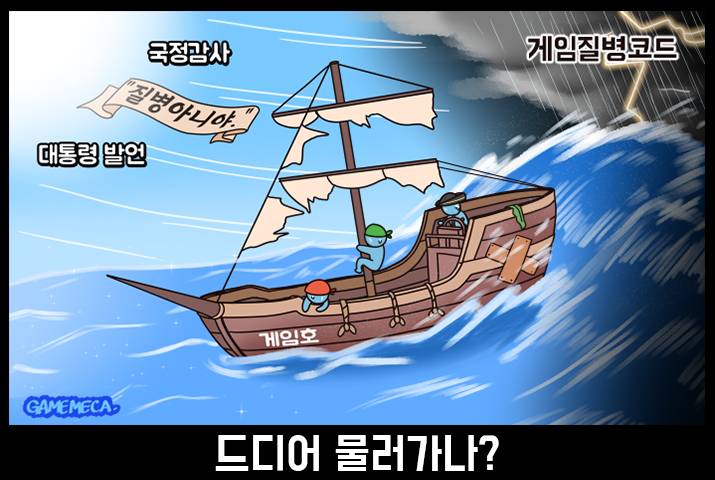
Since the World Health Organization (WHO) in 2017 decided to add 'gaming disorder' to the International Classification of Diseases (ICD), the domestic game industry has been navigating through some seriously turbulent waters. This isn't just a simple medical squabble; it's a tangled web of state-led industrial policy, cultural identity, and shifting societal perceptions.
For some time now, the gaming sector has been steadfastly championing its industrial concerns and cultural value. Perhaps that persistence is finally paying off. During a K-game onsite roundtable held on the 15th, President Lee Jae-myung explicitly stated, "Games are not addictive substances." Furthermore, during the Ministry of Economy and Finance audit on the 21st, the head of the National Data Agency suggested a shift in stance, noting that they would "revisit the discussion once social consensus is reached," signalling a move away from immediate implementation.
The issue of gaming disorder since its ICD inclusion to this very day remains a deeply divisive topic. Proponents point to cases where game over-immersion hampers daily functioning, the WHO's international backing, and the predatory nature of certain monetization models as evidence for the classification. Conversely, critics argue that the scientific and statistical foundations are flimsy, warning of the negative ripple effects on the industry and the risk of stigmatising both players and developers. Indeed, at the 'International Seminar on Gaming Disorder' held last July, longitudinal research on domestic gamers concluded that there is "insufficient evidence for disease classification."
Of course, it’s far too early to pop the champagne. The industry needs to double down on self-regulation regarding gambling mechanics, and we must ensure continued support and interest in ongoing longitudinal studies. Still, having bought ourselves some 'breathing room,' it is high time the industry realigns its rudder and prepares to catch the tailwind. One can only hope this shift leads to a genuine social consensus that strengthens the industry's backbone.
2017년 세계보건기구(WHO)가 국제질병분류(ICD)에 ‘게임이용장애’를 추가하기로 결정한 이후, 국내 게임업계의 항해는 거센 역풍을 맞아왔습니다. 게임이용장애 질병코드 도입 여부는 단순히 의료적 판단의 문제가 아니라, 국가의 산업·문화적 접근과 사회적 인식이 복합적으로 얽힌 사안이기 때문입니다.
그동안 게임계는 게임이용장애 질병코드 등재에 대해 산업적 우려와 문화적 가치를 꾸준히 주장해 왔는데요, 그래서일까요? 최근 들어 변화의 바람이 감지되고 있습니다. 지난 15일 열린 K-게임 현장 간담회에서 이재명 대통령이 “게임은 중독물질이 아니다”라고 직접 언급했고, 지난 21일 진행된 기획재정위원회 국정감사에서는 국가데이터처장이 “사회적 합의가 이뤄지면 추후 다시 논의하겠다”고 답하며, 즉각적 도입이 아닌 재검토 기조를 시사했습니다.
게임이용장애는 ICD 등재 이후 지금까지도 찬반이 뚜렷하게 엇갈리고 있습니다. 찬성측은 게임 과몰입으로 일상 기능이 저해되는 사례가 존재하고, WHO의 등재가 국제적 근거가 된다는 점, 그리고 일부 게임의 사행성 문제를 들어 질병 분류를 근거로 내세웠죠. 반면 반대 측은 과학적·통계적 근거가 충분치 않다는 점, 산업 전반에 미칠 부정적 파급효과, 그리고 이용자와 산업 모두에 낙인을 찍을 위험성을 지적해왔습니다. 실제로 지난해 7월 열린 ‘게임이용장애 국제세미나’에서 발표된 국내 게임 이용자 종단연구 결과 역시 “질병으로 분류할 근거가 부족”이라는 결론을 제시했습니다.
물론 이런 순풍을 마냥 반가워하기엔 아직 이릅니다. 사행성 문제에 대한 산업 내부의 자정 노력이 병행되어야 하며, 진행 중인 종단연구에 대한 지속적인 지원과 관심 또한 필수적입니다. 다만 이번 기회로 다시 한번 ‘시간적 여유’를 얻은 만큼, 게임산업이 방향타를 정비하고 순풍을 탈 준비를 해야 할 시점입니다. 이 바람이 모쪼록 산업의 체질을 바꾸는 사회적 합의로 이어지길 기대해봅니다.
This news was translated by AI.

I am dedicated to games and writing. viina@gamemeca.com
READ MORE
-
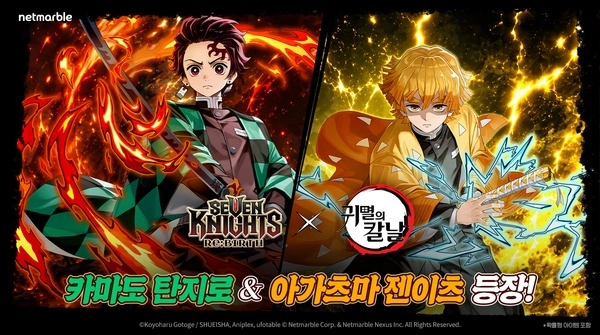 Nezuko as a pet, Seven Knights Re:BIRTH begins Demon Slayer collaboration
-
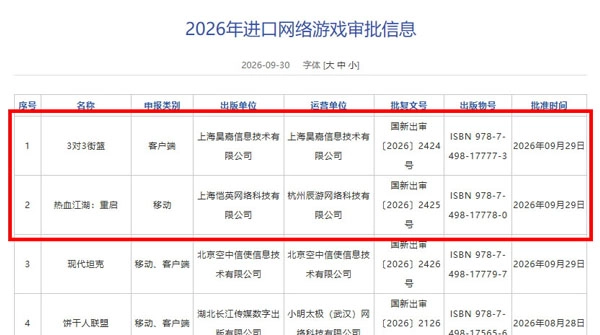 3on3 FreeStyle and Yulgang New Titles Received Foreign Publishing Licenses in China
-
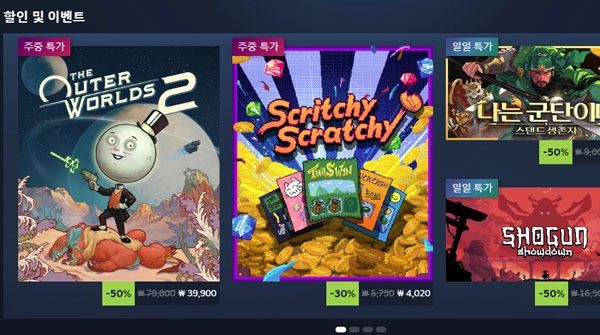 Tailored to Your Taste, Steam Discount Page to Introduce 'Algorithm'
-
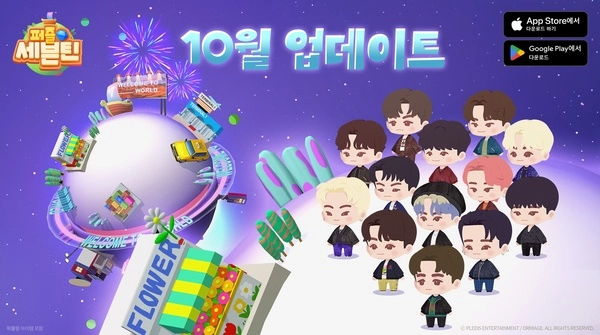 Puzzle SEVENTEEN Adds Food Serving Content to Celebrate Member's Birthday
RECOMMENDED NEWS
MOST POPULAR NEWS
- Golden Joystick Awards Nominees Revealed, Crimson Desert Rises in Two Categories
- [G-STAR 26] CDPR Joins, Full Outline of Participating Companies Revealed
- Optimization Issues Lead to 'Mostly Positive' Steam Reception for Silent Hill: Townfall
- Minecraft reveals 'Ice Cave' featuring frozen zombies and crystals
- GTA 6 Collector's Edition Valued at 550,000 Won Announced Without Game Code
- Celebrating 30th Anniversary, McDonald's Happy Meal 'Pokemon Card' Coming Soon
- Asian Games South Korean Esports Delegation Secures One Gold and One Silver in Fighting Games and Puyo Puyo
- Bungie, which resumed Destiny development, also revives Marathon
- [Today's steam] Ace Combat 8 hits No. 1 in popularity from early play
- Build A Rocket Boy, Developer of MindsEye, Ultimately Files for Bankruptcy
MEDIA PARTNERSHIPS



GAMEMECA SNS


 GAMEMECA GLOBAL SITE