
3% Revenue Penalty and Anti-Cheat Enforcement: What is the Current Status of Game Legislation?
매출 3% 과징금·핵 유저 처벌 등, 게임법안 심사 현황은?
2026.03.06 12:27 UTC+9
AI Summary
The 22nd National Assembly is reviewing 39 new game industry bills. Debates focus on loot box transparency, cheat regulation, and AI labelling. Proposals face pushback from the government and industry over feasibility.

As video games evolve into a pivotal pillar of the domestic content industry, the legislative machine has been working overtime to protect players, resulting in a flurry of new bills. Since the 22nd National Assembly kicked off in 2024, a total of 39 amendments to the 'Game Industry Promotion Act' have been tabled, with 19 currently under committee review.
The legislative appetite ranges from comprehensive overhauls of the entire Act to targeted surgical strikes. Key proposals—covering everything from loot box transparency and anti-cheat enforcement to the legalization of prize-giving—could send shockwaves through the market if passed.
We’ve taken a deep dive into the review reports to see how these legislative debates are unfolding behind the closed doors of the committee.
The 'Game Industry Promotion Act' overhaul: A tug-of-war over an agency and gambling concerns.
First on the docket is the 'Comprehensive Amendment Act' proposed by Representative Cho Seung-rae last September. Unlike minor tweaks, this is a total rewrite of the 2006-era legislation. While there’s a consensus that the law is long overdue for a modern update, the devil is in the details, and the friction between the government, industry, and parliament is palpable.
The gist of this overhaul boils down to eight points: redefining games to exclude gambling, splitting them into 'location-based' (arcade) and 'digital games' for tailored regulation, state support for SMEs, encouraging self-regulation, mandatory loot box disclosure, establishing a dedicated 'Game Promotion Agency', and full self-regulation for digital game ratings.
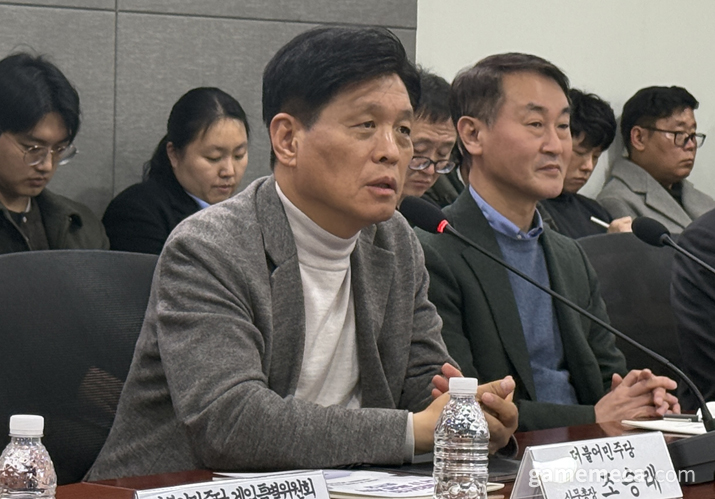
The Ministry of Culture, Sports and Tourism (MCST) remains skeptical about the proposed agency. They argue that mixing promotion and regulation is a recipe for disaster and potential mission creep. They’d prefer to keep promotion with the Korea Creative Content Agency and regulation with the Game Rating and Administration Committee. The Ministry of Economy and Finance also chimed in, questioning the fairness of carving out a new agency just for games.
As for the gambling side of things, the ministry isn't keen on shifting rating duties to private entities when it comes to games that simulate gambling. Furthermore, they fear that legalizing prizes—even with a 'negative regulation' approach—could open a Pandora’s box of new, predatory gambling-adjacent services.
A 3% revenue penalty and the tightening of loot box regulations.
Next, let’s talk loot boxes. The trend here is clear: more power to the players, more liability for the devs. In December, Representative Kim Sung-hoe proposed a '3% revenue penalty' for companies that fail to disclose or intentionally misrepresent drop rates, with fines capped at 1 billion won.
The MCST isn't sold on it, citing concerns over 'double regulation' given that existing e-commerce laws and punitive damage clauses (up to 3x) already exist. The Korea Association of Game Industry (K-GAMES) is equally riled up, arguing that calculating fines based on total revenue—regardless of whether that specific revenue was tied to the violation—is fundamentally flawed.
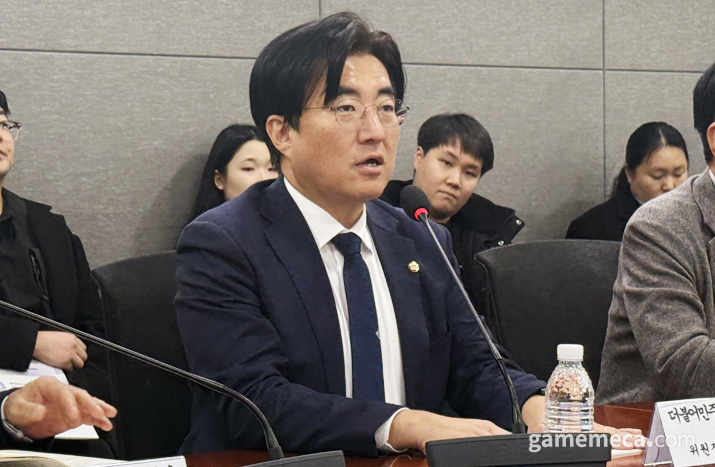
Representative Kim Byung-ki’s April proposal is a laundry list of requirements: companies must store purchase histories, user chats, and item logs for at least three years, and hand them over upon request. It also mandates real-time notifications for any changes to drop rates and requires companies to provide a way for users to verify their own data.
The MCST and privacy watchdogs are worried about the privacy implications of storing chat logs. K-GAMES points out that this clashes with data protection laws and argues that verifying drop rates based on individual user results is scientifically unreliable and would only create mass confusion.
The bill also grants the Minister of Culture the power to investigate similar loot box cases and allows anyone to file a report. K-GAMES warns that this could lead to a flood of frivolous reports, while the MCST sees it as a necessary tool for more proactive oversight.
Finally, Representative Kwon Seong-dong’s November proposal aims to make it a criminal offense to provide false drop rate information. The committee’s expert reviewers suggest caution, as 99% of current compliance issues are resolved through administrative warnings, and K-GAMES argues that jumping straight to criminal charges is a bridge too far.

A push to scrap identity verification and parental consent for 'All Ages' games.
Next up: the push to remove the cumbersome identity verification and parental consent requirements for games rated 'All Ages'. Representative Kang Dae-sik proposed a bill in July 2025 to streamline this, while also funding self-regulatory bodies for youth over-indulgence prevention.
The MCST is on board with the easier access, but warns that losing parental consent requirements makes it impossible for companies to actually know if a player is a minor, thereby undermining safety measures. K-GAMES is pushing for the government to fully fund these self-regulatory efforts.
Representative Min Hyung-bae’s May proposal adds a mandate for companies to appoint a 'Youth Protection Officer'. The MCST isn't keen, noting that this doesn't exist in film or comics, and suggests the rating system itself is already a sufficient 'protection device'.
In February 2025, Representative Kim Sung-won went further, proposing to exempt 'All Ages' games from not just ID checks, but also time-limit regulations. The MCST is sympathetic to the access argument but cautions that scrapping time limits needs a serious look at child development concerns.

Lifting the lid on prizes: Claw machines and beyond.
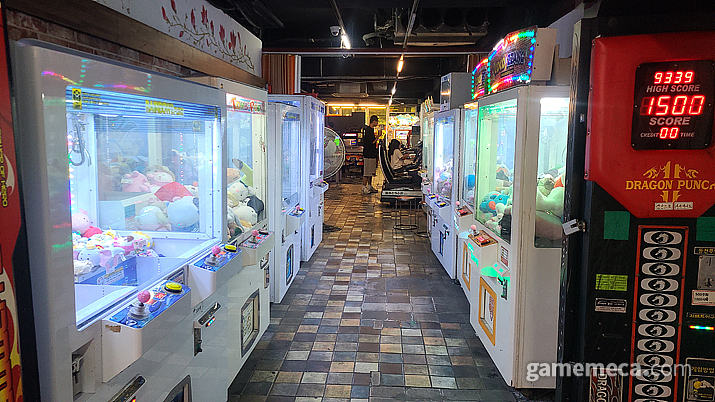
Prize regulations are another thorn in the side of the industry. Currently, prizes based on gameplay outcomes are largely banned, save for limited exceptions like crane games. Several lawmakers want to relax this, but the MCST remains firmly in the 'wait and see' camp due to gambling fears.
Representative Park Yong-gap proposed lifting prize restrictions for arcades in July. The MCST fears this will inevitably lead to predatory 'win-to-win' loops, while K-GAMES, unsurprisingly, is fully behind the shift to 'negative regulation'.
Representative Shin Dong-wook’s October bill even proposed allowing prize exchanges. The MCST’s response was an unusually blunt 'this is unacceptable,' citing fears that it would turn arcades into de facto 'Pachinko' halls, fostering illegal gambling among youths.
Trying to ease the administrative burden on game companies.
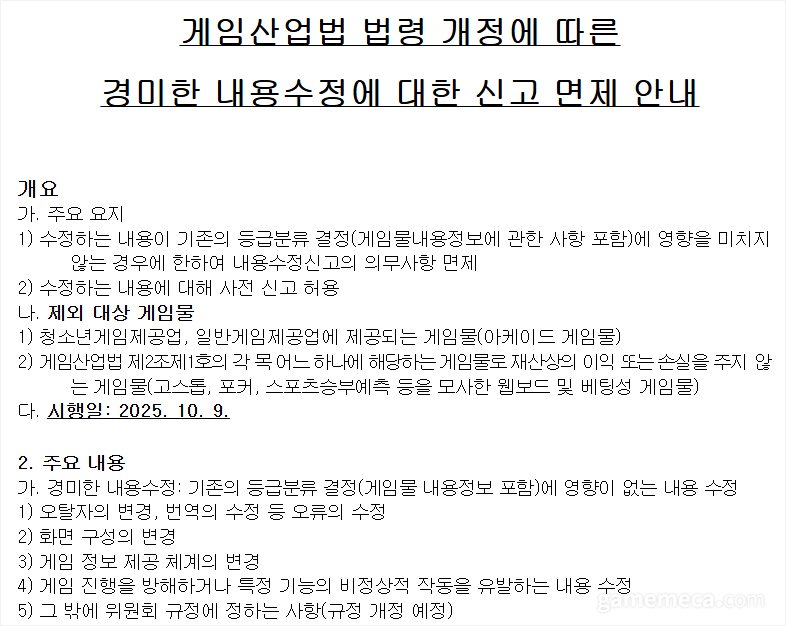
The 'Content Modification Report'—where companies must notify the authorities of updates—is also up for debate. Representative Min Hyung-bae proposed limiting reporting requirements to only those cases involving gambling simulations or rating changes.
The MCST points out that they already relaxed these rules in October for minor updates. The Game Rating and Administration Committee (GRAC) warns that companies might game the system by intentionally failing to report, then pulling updates before re-rating if caught.
The bill also requires companies to post non-reportable changes on their websites. Both the MCST and K-GAMES agree this would be an administrative nightmare, especially for indie developers and small studios without a web presence.
User mods, hacks, and the push for punishment.
The debate over user-made mods and cheat software is heating up. Representative Kang Yu-jung’s March 19 proposal suggests that making or distributing non-approved mods should only be illegal if done for 'business' purposes. It also proposes making this a 'complaint-based' offense, requiring the game company to file a report before prosecution.
The MCST acknowledges the value of modding for game longevity but warns that even 'non-profit' mods can cause significant financial harm to smaller studios. Furthermore, proving 'commercial intent' is an uphill battle when money flows through crypto or third-party donations.
K-GAMES agrees, pointing out that private servers often mask a host of illegal activities, including data theft and fraud. They argue that putting the burden of proof on the developer to prove 'commercial intent' will make it nearly impossible to crack down on these private servers.

Then there’s the 'Anti-Cheat Bill' from August, proposed by Representatives Jeon Yong-gi and Kim Sung-won. They suggest fines for cheat users ranging from 200,000 to 10 million won. The MCST prefers targeting the creators and distributors rather than the end-users, noting that monitoring every individual player is a logistical impossibility.
Representative Jeon’s bill also seeks to hike penalties for cheat distributors from 1 year/10 million won to 5 years/50 million won. The committee experts agree it’s a sound move but insist that increasing sentences fivefold requires a thorough analysis of current enforcement effectiveness.

AI-generated games: Tell us it's AI.
Finally, Representative Kim Sung-won’s December proposal demands that any game created using generative AI must clearly disclose that fact.
The MCST and K-GAMES both argue that this is redundant, given the recently implemented AI Basic Act and ongoing revisions to the Information and Communications Network Act. They also find the proposed penalties—up to 1 billion won in fines or 2 years in prison—to be excessively harsh.
Other proposals include a National Game Museum, improved accessibility for disabled players, and a five-year cycle for the MCST’s industrial promotion plan. While the museum idea is popular, the government suggests the private sector should take the lead. Accessibility is broadly supported, though the specifics remain under debate, and the five-year plan cycle has met with universal approval.
게임이 국내 콘텐츠산업 핵심 분야로 조명되고, 이용자 보호에 대한 중요도가 높아지며 관련 법안 발의도 활발했다. 2024년에 시작된 22대 국회에서 발의된 ‘게임산업진흥에 관한 법률(이하 게임법)’ 개정안은 총 39개이며, 이 중 19개가 소관위 심사를 받고 있다.
가장 큰 부분은 게임법 전체를 뜯어고치는 ‘전부개정안’이 있고, 일부개정안 중에도 확률형 아이템이나 핵 이용자 처벌, 경품 제공 허용 등 개정 여부에 따라 업계 및 시장에 큰 여파를 미칠 만한 법안 다수가 발의됐다.
이에 국회에 발의된 게임법안이 소관위 심사 단계에서 어떠한 논의가 이뤄지고 있는지 검토보고서를 중심으로 살펴보는 시간을 마련했다.
게임진흥원과 사행성 우려 쟁점으로, 게임법 전부개정안
가장 먼저 살펴볼 법은 작년 9월에 조승래 의원이 대표발의한 ‘게임법 전부개정안’이다. 법 중 일부만 고치는 ‘일부개정안’과 달리 법 내용 전체를 바꾸는 것이기에 내용도 방대하고 논의 과정에서도 여러 주제가 거론된다. 국회, 정부, 업계 모두 2006년에 제정된 게임법을 현재 시류에 맞춰 고쳐야 한다는 공감대는 있으나, 세부적인 부분에서는 의견이 충돌되는 부분도 있다.
게임법 전부개정안의 요지는 8가지로 압축된다. 게임을 정의할 때 사행행위를 빼고 ‘특정장소형 게임(아케이드 게임)’과 ‘디지털게임’으로 나눠 각 성격에 맞는 규제를 마련하는 것, 문체부의 중소 게임사 지원, 게임 자율규제 추진, 확률형 아이템 정보 공개 의무화, 진흥과 규제를 겸하는 게임진흥원 설립, 디지털게임 심의 완전 자율화다.
이에 대해 게임산업 주무기관인 문화체육관광부(이하 문체부)는 게임진흥원 신설에 난색을 표했고, 전반적으로 사행성 관리 책임 소재가 불분명해지는 것에 따른 부작용 발생을 우려했다. 게임진흥원 설립에 대해서는 진흥과 규제를 같은 기관에서 할 경우 목표가 상충되어 혼란스러울 수 있고, 게임은 웹툰이나 영화 등 다른 콘텐츠와의 시너지가 있다고 밝혔다. 진흥은 한국콘텐츠진흥원이, 규제는 게임물관리위원회로 나눠놓는 것이 효율적이라는 의견이다. 기획재정부 역시 게임만 분리해서 기관을 신설하는 것은 형평성 측면에서 우려된다는 입장을 밝혔다.
사행성에 관련된 부분은 심의 자율화와 경품 규제 완화에서 언급됐다. 심의 자율화에서는 사행성 모사 게임도 자율심의 사업자가 맡는 것은 적절하지 않고, 경품 역시 ‘이것만 주지 말라’는 내거티브 방식으로 전면 허용할 경우, 이를 악용하는 신종 사행성 서비스가 확산될 위험이 크다고 지적했다. 경품의 경우 이에 관련된 일부개정안도 발의되어 있는데, 이에 대한 정부의 입장은 일관되게 유지되고 있다.
매출 3% 과징금, 확률형 아이템 규제 강화
다음으로 살펴볼 부분은 확률형 아이템에 관련된 게임법 일부개정안이다. 주요 흐름은 이용자 권리 보호를 강화하고, 게임사에 더 무거운 책임을 지우는 방향이다. 먼저 작년 12월에 김성회 의원이 대표 발의한 ‘매출 3% 과징금’은 확률을 공개하지 않거나 거짓으로 표시한 게임을 서비스한 게임사에 매출액의 3%, 혹은 10억 원 이하의 과징금을 부과하는 법이다.
이에 대해 문체부는 전자상거래법 등을 통해 이미 과징금이 부과되고 있어 중복규제 우려가 있고, 작년 8월에 확률 정보 공개의무 위반에 대해 최대 3배의 징벌적 손해배상이 가능하도록 법 체계가 정비됐다는 점을 고려해야 한다고 밝혔다. 관련 제도 운영을 지켜보며 추가 제재가 필요한지를 살펴볼 필요가 있다는 의견이다. 한국게임산업협회는 과징금이 산정되는 범위가 특정되지 않아, 법 위반과 관련 없는 매출액을 기준으로 산정될 우려가 있다며 난색을 표했다.
작년 4월에 김병기 의원이 발의한 법안에는 여러 내용이 담겼다. 우선 게임사가 게이머의 구매 내역, 유저 간 대화 내역, 아이템 구매·사용·교환 정보 등을 3년 이상 보유해야 하고, 게이머가 요구할 경우 이를 제공하는 것을 의무화하는 내용이다. 아울러 공급 확률이 변동될 경우 실시간으로 이를 알려야 하고, 정보 검증에 다른 유저로부터 제공받은 정보도 수집할 수 있으며, 유저가 본인 이용정보를 홈페이지 등에서 확인할 수 있도록 조치할 것을 명시했다.
문체부는 게임사가 부담해야 할 의무가 과하고, 대화내역은 사생활 침해 우려가 있다고 지적했다. 개인정보보호위원회 역시 대화내역에 대해 동일한 입장을 표했다. 한국게임산업협회 역시 개인정보 활용을 줄이는 개인정보보호법 등과 상충된다고 언급했다. 아울러 확률 정보를 제공하는 대상이 불특정 다수의 게이머의 경우 사업자 부담이 과도할 수 있기에, 문체부로 한정하는 것을 제안했다. 한국게임산업협회에서는 이용자 개개인의 획득 결과만으로는 확률의 정확성을 검증하기는 어렵고, 검증 결과 난립으로 유저 혼란이 가중되리라 우려했다.
법안에는 문체부 장관이 확률형 아이템과 유사한 사례를 조사하고, 누구든지 관련 사례를 신고할 수 있도록 한다는 내용도 포함됐다. 이 대목에서 문체부와 한국게임산업협회의 의견은 갈렸다. 문체부는 조사권한이 부여되면 더 적극적인 사후관리가 가능하다고 언급했다. 반면 한국게임산업협회는 신고 범위가 과하게 해석될 수 있고, 무분별한 신고가 관련 부처 및 게임사에 부담을 줄 수 있다고 밝혔다.
마지막 법안은 2024년 11월에 권성동 의원이 발의했고, 거짓으로 확률 정보를 표시했을 경우 바로 형사처벌이 가능하도록 한다는 점이 핵심이다. 문체위(상임위) 전문위원은 형사처벌 범위 확대는 신중한 검토가 필요하다고 언급했다. 문체부 역시 확률 공개의무 위반의 99%가 시정권고 및 명령을 통해 해결되고 있고, 한국게임산업협회도 시정권고와 명령 없이 바로 형사처벌은 수용하기 곤란하다는 의견을 제출했다.
전체이용가 게임, 본인인증 및 법정대리인 동의 폐지
다음으로 살펴볼 부분은 나이에 관계없이 누구나 플레이할 수 있는 ‘전체이용가’ 게임에 대해 본인인증과 법정대리인 동의 의무를 없애는 것이다. 2025년 7월에 강대식 의원은 본인인증 및 법정대리인 동의 의무를 면제하고, 청소년 게임 과몰입 예방을 위한 자율규제기구 설립 지원 근거를 마련하는 법안을 발의했다.
문체부는 본인인증 의무 폐지에 대해서는 청소년 유저가 더 쉽게 게임할 수 있도록 하는 부분은 공감하며 동의했다. 다만 법정대리인 동의 의무에 대해서는 이것까지 없애면 게임사 입장에서 어떤 유저가 미성년자인지 알 수 없어서 과몰입 예방조치를 이행하기 어려워진다고 덧붙였다. 이어서 자율규제 신설에 대해서는 사전 논의가 필요하다고 전했다. 한국게임산업협회는 자율규제기구 설립과 함께 활동까지 지원할 필요가 있다는 의견을 냈다.
작년 5월에 민형배 의원이 발의한 법안은 전체이용가 게임에 대한 것은 위 법과 동일하되, 게임사에 청소년보호책임자를 두는 것을 의무화하는 내용이다. 전자의 경우 문체부 의견은 비슷하지만, 청소년보호책임자 지정 의무에 대해서는 만화, 영화 등 다른 콘텐츠산업에는 없는 부분이라 형평성 저해가 우려된다고 밝혔다. 아울러 심의 자체가 ‘청소년 보호 장치’ 역할을 수행하고 있기에, 지정의무가 이중규제가 될 수 있다고 언급했다. 한국게임산업협회 입장도 비슷하다.
2025년 2월에 김성원 의원은 전체이용가에 본인인증 의무와 함께 게임 이용방법, 게임 이용시간 제한까지 면제하는 방향으로 나아갔다. 문체부는 청소년의 게임 접근성 개선 및 게임문화 향유권 보장에는 공감하지만, 게임 이용시간 제한 의무도 없애는 부분은 청소년 게임 과몰입 문제에 대한 관련 단체 의견 수렴을 고려해야 한다고 전했다.
인형 뽑기에는 제한 없이, 경품 제공 규제 완화
또 다른 주요 이슈는 ‘경품 제공 규제’다. 현재 게임법에서는 게임 플레이를 통해 얻은 결과물을 토대로 경품을 주는 것을 금지하고 있으며, 인형 뽑기 등에서만 제한적으로 허용하고 있다. 이에 관련해 의원 다수가 경품 제한을 완화하는 법안 다수를 냈으나, 문체부는 사행성 우려 등으로 ‘신중론’을 펼치고 있다.
우선 작년 7월에 박용갑 의원은 청소년게임제공업(누구나 출입 가능한 일반 오락실)의 전체이용가 게임에 한정해 경품 제한을 없애는 법안을 발의했다. 문체부는 경품의 전면적인 허용은 이를 빌미로 한 경쟁 유도와 과도한 아이템 구매 유도로 사행성 조장 우려가 있고, 신종 방식이 개발되며 유저 보호에서 사각지대가 발생할 수 있다며 우려했다. 성평등가족부도 청소년에게 유해한 경품 종류 등을 제한할 필요가 있다고 판단했다. 반면, 한국게임산업협회는 ‘내거티브 규제’로의 전환에 찬성했다.
2024년 10월에 신동욱 의원이 발의한 법안에는 전체이용가 아케이드 게임 경품 제공 제한 해제에, 경품 환전까지 허용하는 내용이 담겼다. 문체부는 이 법안에 이례적으로 ‘수용 곤란’ 의견을 제시했다. 환전을 허용할 경우 일본의 ‘파칭코’처럼 우회적인 불법 도박이 발생할 우려가 있다고 의견이다. 청소년의 사행 심리를 조장하고, 불법 도박으로의 유인을 확대한다는 문제도 제기했다.
내용수정신고 등, 게임사 행정처분 완화 추진
업데이트, 이벤트 등으로 달라진 게임 내용을 사후에 게임위에 신고하는 ‘내용수정신고’에 대한 규제 완화도 거론됐다. 작년 5월에 민형배 의원은 사행성 모사 게임과 등급변경이 우려되는 경우에만 신고하도록 신고의무를 완화하는 법안을 발의했다.
문체부는 작년 10월에 시행된 법을 통해 연령등급이 바뀌지 않을 정도의 경미한 수정은 신고하지 않아도 되도록 완화했고, 대상을 사행성 모사 게임으로 단정할 경우 규제 공백 우려가 있다고 언급했다. 게임물관리위원회(이하 게임위)는 게임사가 의무 면제를 악용할 수 있다고 밝혔다. 게임사에서 등급변경이 필요한 내용임에도 신고하지 않고 서비스하다가, 적발되면 재심의를 신청하고 그 결과가 나오기 직전에 업데이트를 철회해 기존 등급을 유지하는 행위를 반복하는 식이다.
이 법에는 내용수정신고 대상이 아닌 내용은 홈페이지 등에 게시하도록 하는 부분도 포함됐다. 이에 대해 문체부는 신고하지 않아도 되는 내용에 ‘게시 의무’를 신설할 경우 게임사의 업무부담이 되려 증가하고, 게임위 업무 처리 속도도 지연될 우려가 있다고 언급했다. 한국게임산업협회 역시 홈페이지가 없는 소규모 사업자나 인디 개발자는 게시 의무 이행이 어렵다고 언급했다.
유저 모드 처벌 면제와 핵 이용자 처벌법 대두
유저가 무상으로 제작해 배포하는 모드나 핵 프로그램 이용자 처벌에 대한 법안도 논의 중이다. 작년 3월 19일에 강유정 의원은 ‘유저 게임 모드’에 초점을 맞춰 게임사가 제공하거나 승인하지 않은 게임 콘텐츠를 만들거나 제공하는 행위를 ‘사업으로만’ 하는 경우에만 금지하는 법안을 발의했다. 사업이 아닌 취미로 돈을 받지 않고 모드를 개발하는 경우 등은 불법으로 삼지 않는다는 뜻이다. 이 행위를 게임사가 고소해야 공소를 제기하는 ‘친고죄’로 삼는다는 내용도 포함됐다.
문체부는 게임의 확장성과 콘텐츠 재상산 차원에서 법안 취지에 공감하지만, 중소 게임사는 유저가 모드를 돈을 받고 파는 것이 아니라고 해도 큰 재정적인 피해를 입을 수 있다는 점을 지적했다. 아울러 게임사 저작권 보호와 밀접히 연관된 부분이라 신중한 검토가 필요하고, 관련 수익이 제작자 후원, 암호화폐, 가상계좌 등으로 전해지는 경우가 많아 ‘영리성 입증’이 어렵다고 밝혔다.
한국게임산업협회도 사설서버 등을 들어 제작자 개인이 운영하는 것이기에 개인정보관리미흡, 현금거래 사기, 온라인 그루밍, 연령등급 준수 미이행 등 각종 위법행위를 초래할 위험이 크다고 봤자. 여기에 시비를 가리는 과정에서 유저가 사설서버 운영 등으로 돈을 벌었다는 ‘영리성 입증’이 필수가 될 경우, 게임사 입증 책임이 무거워지고, 사설서버 단속이 어려워진다고 전했다.
2024년 8월에 전용기 의원과 김성원 의원이 각각 발의한 ‘핵 이용자 처벌법’도 있다. 전용기 의원 법안은 핵 프로그램을 이용한 유저에게 최대 1,000만 원, 김성원 의원 법안은 최대 20만 원의 과태료를 부과한다. 문체부는 정부나 지자체 등이 핵 이용 행위를 직접 모니터링하여 제재하는 것은 현실적으로 어렵고, 핵과 같은 불법 프로그램은 처벌보다는 제작 및 유통에 대한 처벌 강화와 유저 인식 개선 등으로 이용을 근절하는 것이 바람직하다고 말했다.
전용기 의원 법안에는 핵 프로그램 제작 및 유통사에 대한 처벌을 ‘1년 이하 징역 혹은 1,000만 원 이하 벌금’에서 ‘5년 이하 징역 혹은 5,000만 원 이하 벌금’으로 높이는 내용도 포함됐다. 문체위 전문위원은 불법 프로그램 제작과 배포를 근절해 유저를 보호하고 산업의 건전한 발전을 도모한다는 측면에서 타당하지만, 법정형을 현행의 5배 수준으로 높이기 위해서는 단속 현황 파악 및 단속 강화에 대한 효과 분석도 함께 이뤄져야 한다는 의견을 제시했다.
생성형 AI로 만든 게임, 그 사실을 표시해라
이 외에도 여러 주제에 대해 법안이 나왔다. 대표적인 사례는 작년 12월에 김성원 의원이 발의한 ‘AI로 제작한 게임 표시법’이다. 생성형 AI를 사용해 게임을 제작한 경우, 그 사실을 표시하도록 하는 것이다.
문체부는 올해 1월에 시행된 인공지능기본법에 비슷한 내용이 포함됐고, 정보통신망법 개정도 진행 중이기에 게임법에도 동일한 내용을 넣을 경우 중복 규제가 발생할 수 있다고 지적했다. 아울러 개정안에 포함된 ‘10억 원 이하의 과징금, 2년 이하 징역 혹은 2,000만 원 이하 벌금’도 과하다고 판단했다. 한국게임산업협회도 비슷한 이유로 반대 의사를 표했다.
이 외에도 국립게임박물관 신설, 장애인 게임 접근성 강화, 문체부 게임산업진흥 종합 계획 수립 주기 ‘5년 명시’ 등이 있다. 국립게임박물관에 대해서는 문체부와 기획재정부 모두 정부가 아니라 민간이 주도하는 것이 좋겠다고 언급했다. 장애인 게임 접근성 강화는 취지는 공감하지만, 법에 포함된 게임에 대한 정의나 종합계획에 포함시키는 것은 불필요하다고 평가됐다. ‘게임산업진흥 종합 계획 수립 주기 명시’에 대해서는 반대 없이 찬성 의견만 제시됐다.
This news was translated by AI.

Let's not lose our initial resolve. Meticulously, one by one. risell@gamemeca.com

RECOMMENDED NEWS
MOST POPULAR NEWS
- SANABI crowdfunding success story, Gyeonggi Content Agency and Tumblbug host pop-up exhibition
- Detective game 'No Results Found' that requires web searches for clues has been released
- 2026 LCK Regular Season Enters Final Week to Determine Final Standings
- Total Prize Pool of 2.8 Billion KRW, EWC 2026 CROSSFIRE Event Starts on the 18th
- Massive GTA 6 Leak Reveals Gameplay Footage and Map Details
- “Satisfying for Soulslike fans” Mortal Shell 2 receives an 84 Metacritic score
- Epic CEO Tim Sweeney: “Opening the Platform, Leading Toward Unreal Engine 6”
- 100-Year Career Mode Added, NBA 2K27 Core Content Revealed
- [Today's Steam] Phantom Blade Zero, joined by Donnie Yen, remains at the top for consecutive days
- Among Us introduces Judge role, allowing ejection regardless of vote results
MEDIA PARTNERSHIPS



GAMEMECA SNS