
Netmarble to Assign AI Agents Specialized for Each Employee's Tasks
넷마블, 전 직원에 본인 업무 특화된 AI 에이전트 붙인다
2026.05.26 19:32 UTC+9

AI Summary
The use of 'AI Agents' has become commonplace in the domestic and international game industry. According to the '2025 Q4 Content Industry Generative AI Utilization Trends' report released by the Gyeonggi Content Agency on April 30th, gaming recorded the highest adoption rate among content sectors at 70%. Therefore, the focus is shifting from simple AI utilization to differentiation based on a clear direction tailored to each company. In this regard, Netmarble operates its dedicated 'AI Strategy Office' for AI model research and development and related service creation, and based on this, is pursuing a '1 Employee 1 AI Agent' initiative.

The utilisation of 'AI agents' has become commonplace across the domestic and international gaming industry. According to a report titled '2025 Q4 Content Industry Generative AI Utilisation Trends,' published by the Korea Creative Content Agency (KOCCA) on April 30th, games recorded the highest adoption rate among other content sectors at 70%. Therefore, the key now is to move beyond simple AI implementation and focus on differentiation based on a clear, company-specific strategic direction.
In this regard, Netmarble operates a dedicated 'AI Strategy Office' responsible for AI model research and development, as well as related service development. Building upon this foundation, they are pushing forward with the '1 Employee, 1 AI Agent' initiative. This initiative aims to foster an environment where employees can create personalised agents tailored to their specific tasks, alongside a shared agent accessible to all staff. The ultimate goal is to simultaneously enhance development efficiency and quality through AI, enabling the delivery of more engaging games to users at a faster pace.
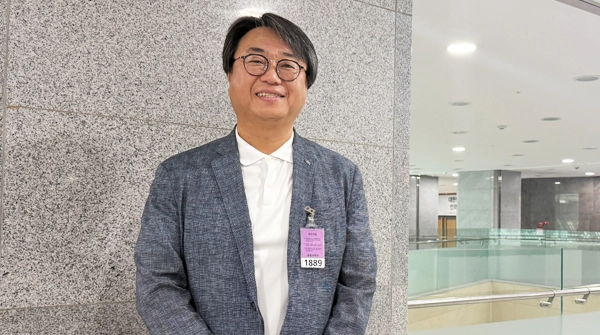
So, how exactly is Netmarble's '1 Employee, 1 AI Agent' initiative unfolding? We sat down with Kim Jae-il, Head of the AI Strategy Office, and Hong Yun-seok, Head of the Platform Development Team, for a detailed discussion.
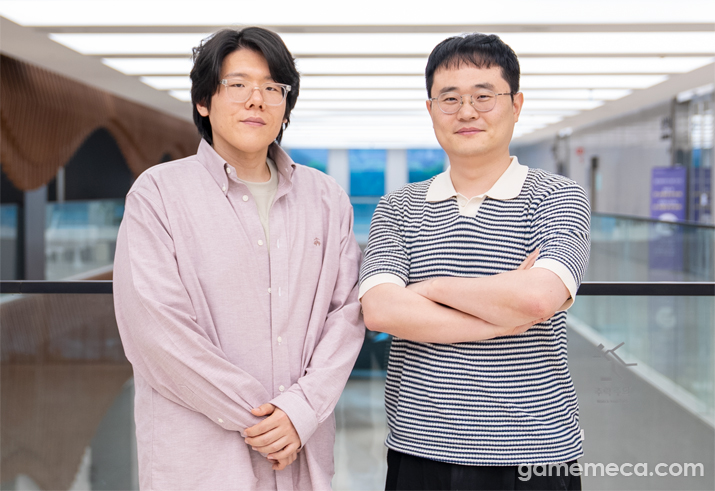
Q: Before we dive into the specifics, could you please briefly introduce yourselves and the Netmarble AI Strategy Office?
Kim Jae-il:I lead the AI Strategy Office at Netmarble. Previously, I was involved with trading agents at LINE INVESTMENT TECHNOLOGY, under LINE. Our AI Strategy Office is comprised of three teams: the Platform Development Team, the Agent Development Team, and the Media Development Team.The Platform Development Team focuses on developing technologies related to game development and localisation, such as AI-based QA automation, AI translation, and AI voice. The Agent Development Team is tasked with building the internal AI agent development environment and infrastructure, with the goal of establishing the '1 Employee, 1 Agent' ecosystem. The Media Development Team primarily handles the creation of marketing assets using AI.
Hong Yun-seok:I belong to the Platform Development Team within Netmarble's AI Strategy Office. I've worked in the voice sector for a long time, and recently, I've been researching and developing AI technologies for trending topics in game development, such as translation and QA automation.
Q: What exactly does AI voice entail?
Kim Jae-il:It's a technology used for generating in-game character voices and translations. Previously, due to cost constraints, we could only support regions with large user bases. Now, with AI translation and voice capabilities, we can explore opportunities to introduce our games to markets we couldn't previously access. We're confident that our technology offers much richer emotional expression compared to publicly available external models.
Q: Could you elaborate on the creation of marketing assets using AI?
Kim Jae-il:For instance, marketing artwork is distributed across various platforms, each with different size requirements. Our AI automatically handles these conversions. By automating such processes, artists in the marketing department can dedicate more time to content creation.
Q: What projects is the AI Strategy Office currently prioritising?
Kim Jae-il:One of our top priorities is QA automation. Previously, testers would manually play the game to design and verify test cases. Now, AI autonomously plays the game and tests various scenarios. This allows for a much higher level of testing, as it can uncover unexpected situations that humans might miss, ultimately contributing to improved game quality.
Hong Yun-seok:Games aren't just finished upon release; they undergo continuous updates and content additions. Recently, bugs have been emerging not from new content but from existing parts of the game. AI can help us check a larger volume of these areas more quickly, making it quite effective.
Q: Many game companies, both in Korea and abroad, are adopting generative AI. What sets Netmarble apart, and what are your key strengths?
Kim Jae-il:Our biggest advantage is our openness to AI adoption. When facing challenges in development or operations that can be solved with AI, we have a very wide array of tools and options available.Furthermore, unlike many other game companies, Netmarble operates a diverse portfolio of games across various genres, including MMORPGs, open-world, action, and casual titles. This extensive experience in applying AI and the accumulated know-how from those real-world applications are, I believe, Netmarble's core strengths.
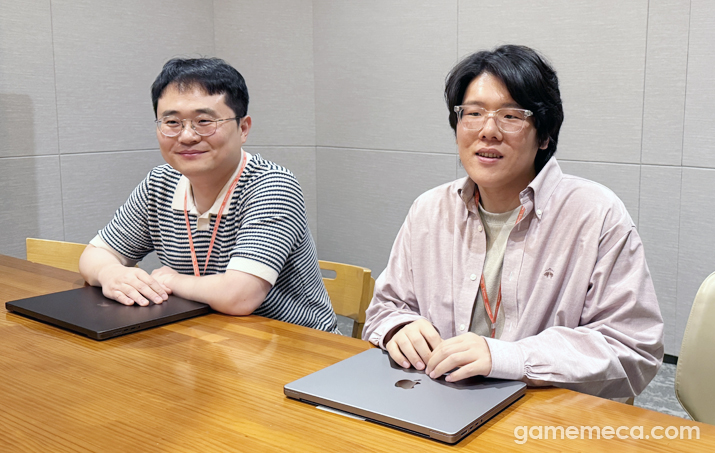
Q: We understand you're pursuing the '1 Employee, 1 AI Agent' initiative internally. This seems to involve providing personalised AI assistants for employees. Could you provide more specific details on this?
Kim Jae-il:We're approaching this from two directions. Firstly, we are creating an environment where employees can build their own agents for detailed, personalised tasks. Secondly, we are developing and deploying common agents at an enterprise level that are essential for all employees.For individual employee agents, we haven't designated a specific platform; instead, we provide the means for each department to use the tools they prefer for development. Fundamentally, all employees are provided with Gemini. If ChatGPT or other tools are needed, they can be accessed upon application and approval. Rather than imposing individual limits, we grant access based on work relevance.
Q: So, it sounds like there will be multiple agents catering to different roles.
Hong Yun-seok:A single agent cannot solve everything; it's a process of creating the agents each person needs. Ultimately, our goal is to integrate work into a single pipeline, with agents working collaboratively within that process.
Q: What types of agents have been implemented so far?
Kim Jae-il:In the common domain, we have 'NDIS', an internal knowledge search service that is currently in service. It's a system that allows for chat-based searching of the vast knowledge accumulated within the company. This eliminates the need to ask colleagues or open separate documents to find desired information. It has significantly reduced the process of obtaining information by contacting various departments.It also greatly reduces time spent on communication. Communication between individuals in planning, art, and development, each handling their respective tasks, is very costly. Accurately conveying the planner's intent is crucial, but the sheer volume and fragmentation of planning documents presented practical difficulties. Our AI agents have neatly organised this, making inter-departmental communication exceptionally accurate and swift.Beyond development, agents enhance efficiency by producing well-organised documentation across all pipelines. In the operational phase, when a new build is released, clear operational notices are required, and there was a lot of time-consuming communication involved. This has also led to significant time savings.We have multi-agent systems for development and QA, and we are also developing and providing agents to streamline operations in the business and finance departments. For the finance department, agents collect information on changes in relevant laws and regulations, rapidly relaying information on potential company impacts.

Q: Netmarble has multiple subsidiaries. Is the AI agent provided in a customisable format for each subsidiary?
Kim Jae-il:It's challenging to provide a single agent that satisfies all development studios simultaneously. However, for several ongoing projects, we provide agent prototypes that development studios can then take, tune at the code level, and integrate into their workflows.
Hong Yun-seok:This requires collaboration between game development studios and teams like ours, who possess deep AI expertise. We are gradually working on co-creating agents with the development studios. Some teams are actively pursuing the goal of 'making everything an agent' with us.
Q: Are there any tools or agents that reduce repetitive tasks like animation production or applying different colours to the same outfit?
Kim Jae-il:Variations (creating multiple versions of the same image, etc.) are heavily utilised in marketing asset creation. For internal use within development studios, such techniques fall under the unique domain of artists, so we haven't provided separate guidelines.
Q: Are there any instances of generative AI being used in operational tasks outside of development?
Kim Jae-il:We've integrated AI into operational announcements and customer support (CS). It's crucial to quickly gauge user trends and communicate immediately after a launch or update, and to have a process for promptly reflecting user feedback. It's impossible for humans to monitor user opinions by browsing every community. Especially since Netmarble operates games globally, not just in Korea, we need to collect and analyse data from numerous communities across various countries and languages. In this regard, we've implemented AI agents to better understand public sentiment and improve our operations.
Hong Yun-seok:We are also operating a bot detection AI. This AI actively patrols to detect and respond to bot activities. A new model for detection is released weekly, based on the latest information, to reflect changes in the user base and improve detection rates. Being deep learning-based, it can sensitively pick up on shifts in player behaviour. We also monitor reports from the community to further enhance its capabilities.
Q: To increase employee utilisation, it seems crucial to provide AI agents that are easy to use, even for those without specialised knowledge. Are you considering this during the development process?
Kim Jae-il:We are striving to provide maximum support for AI tools that employees can utilise. To minimise discrepancies in usage among employees, we are conducting company-wide training and providing relevant information. We hold internal seminars to share related knowledge and discuss areas where we can provide assistance. Specifically, we differentiate between technical and non-technical roles, sharing how AI is being used, the extent of its applicability, and how collaboration is possible on company-wide projects with the AI Strategy Office.
Q: In the game market, users often express negative sentiment towards AI not because of 'AI usage itself,' but because they 'encounter low-quality content generated by AI.' What are your thoughts on this?
Kim Jae-il:The company's stance is that by introducing AI, we aim to secure more time for developers, planners, and artists to concentrate on their core responsibilities. In that sense, we believe (AI adoption) will contribute to creating more polished games.
Hong Yun-seok:It seems users are experiencing disappointment and frustration with unverified content. Personally, I believe that if AI-generated content doesn't surpass human-created quality, it shouldn't be used. Therefore, we must advance by using generative AI to enhance both development speed and quality.

Q: How are you addressing security concerns, such as internal information leakage, that may arise during the implementation of internal AI agents?
Kim Jae-il:Our agents are processed within our internal private cloud, ensuring safety from leakage and other security threats.
Q: What internal guidelines have you established for copyright and personal information protection during the acquisition of data for AI training?
Kim Jae-il:We do not train foundation models ourselves; we utilise external models. Therefore, we don't foresee any related issues on that front.
Hong Yun-seok:For AI voice, we use data that has been verified as problem-free for model training. Legally, training data and data shared externally must be segregated. Therefore, internal data training is managed in a separate storage, and we ensure that externally shared data is free of copyright issues.
Q: We're curious about the extent of development time reduction or cost savings achieved through AI adoption. If quantifiable, could you provide specific examples?
Kim Jae-il:It's challenging to provide numerical figures. When AI enables developers to focus on their core areas, even if development time isn't reduced, the outcome is increased quality. Therefore, quantifying this precisely is difficult.However, we have observed that the initial concept development and prototyping phases have become significantly faster. For instance, agents are adept at analysing reference games to identify commonalities, differences, and factors contributing to success or failure. Yet, areas requiring unique creativity from planners remain an inherent domain that is not yet fully automatable by AI.
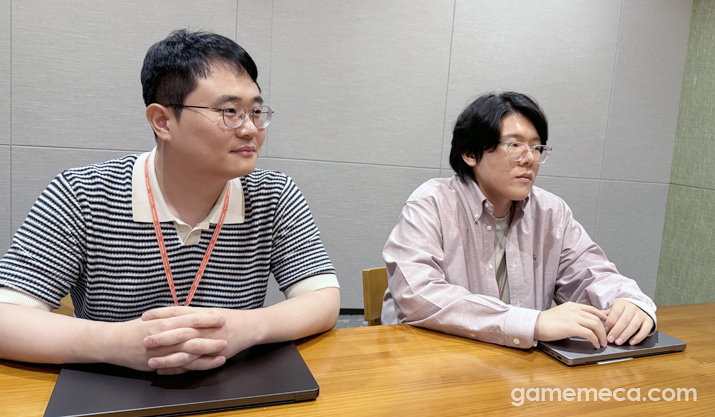
Q: There are concerns that AI adoption may lead to workforce reductions. What is your opinion on this?
Kim Jae-il:Netmarble's direction is not to reduce headcount through AI. The core objective is to have AI support repetitive and mundane tasks, allowing developers, planners, and artists to focus more on their creative work.
Hong Yun-seok:I view AI not as a replacement for humans, but as a tool for enhancing productivity to create higher-quality games.
Q: Lastly, is there anything you would like to convey to the users who love Netmarble games?
Kim Jae-il:The AI Strategy Office's goal is to support the development of high-quality games and establish a system that rapidly reflects public sentiment in operations, ultimately creating games that users will appreciate even more. Our objective is to build this foundation through AI.
Hong Yun-seok:At its core, a game's essence is fun, and AI is a tool to better realise that fun. We will continue to actively utilise AI technology to deliver better games, without compromising the fundamental nature of gaming.
국내외 게임업계에서 ‘AI 에이전트’ 활용은 일상이 됐다. 한국콘텐츠진흥원이 지난 4월 30일에 발간한 ‘2025년 4분기 콘텐츠산업 생성형 AI 활용 동향’ 보고서에 따르면 게임은 70%로 다른 콘텐츠 분야 중 가장 높은 도입률을 기록했다. 따라서 지금은 단순한 AI 활용을 넘어, 회사에 맞는 뚜렷한 방향성을 토대로 차별화하는 것이 포인트로 떠오른다.
이러한 부분에서 넷마블은 AI 모델 연구 개발, 관련 서비스 개발 등을 진행하는 전담 조직 ‘AI 전략실’을 운영하며, 이를 토대로 ‘1직원 1 AI 에이전트’를 추진하고 있다. 전 직원이 함께 쓰는 공용 에이전트와 함께, 직원 스스로 본인 업무에 특화된 에이전트를 만들 수 있는 개발 환경을 조성해주는 것이다. 이를 통해 이루고자 하는 목표는 AI를 통해 개발 효율과 완성도를 동시에 챙기며, 유저에게 더 속도감 있게 재미있는 게임을 제공하는 것이다.
그렇다면 넷마블의 ‘1직원 1 AI 에이전트’는 구체적으로 어떠한 방향으로 전개되고 있을까? 넷마블 AI 전략실 김재일 실장과 홍윤석 플랫폼 개발팀장과의 인터뷰를 통해 자세히 들어봤다.
Q: 본격적인 이야기에 앞서 본인 및 넷마블 AI 전략실에 대한 간단한 소개를 부탁드린다.
김재일 실장: 넷마블 AI 전략실 실장을 맡고 있다. 라인 산하의 라인 인베스트먼트 테크놀로지에서 트레이딩 관련 에이전트를 담당하고 있다가 넷마블로 오게 됐다. AI 전략실에는 플랫폼 개발팀, 에이전트 개발팀, 미디어 개발팀 이렇게 3팀이 있다.플랫폼 개발팀은 AI 기반 QA 자동화, AI 번역, AI 보이스 등 게임 개발과 로컬라이제이션 관련 기술을 개발하고 있다. 에이전트 개발팀은 '1직원 1 에이전트' 환경 구축을 목표로 사내 AI 에이전트 개발과 개발 환경을 구축하는 역할을 하고 있다. 미디어 개발팀은 주로 AI를 이용해 마케팅 소재 제작을 담당하고 있다.
홍윤석 팀장: 넷마블 AI 전략실의 플랫폼 개발팀 소속이다. 오래전부터 보이스 쪽 업무를 해왔고, 최근에는 번역과 QA 자동화 같이 게임 개발 쪽에서 많이 화두가 되는 주제로 AI 기술을 연구 개발 중이다.
Q: AI 보이스라면 정확히 어떤 것일까?
김재일 실장: 게임 내 캐릭터 음성 생성과 번역에 활용하는 기술이다. 기존에는 비용 문제로 유저층이 많은 국가에만 지원할 수 있었는데, 이제는 AI 번역과 보이스를 바탕으로 기존에 접근하지 못했던 나라에도 게임을 선보일 수 있는 기회를 찾을 수 있게 됐다. 외부에 있는 공개된 다른 모델에 비해 감정 표현이 훨씬 더 풍부하다고 자신한다.
Q: 마케팅 소재 제작에 대해서도 자세히 소개 부탁드린다.
김재일 실장: 예를 들면 마케팅 원화의 경우 다양한 플랫폼에 올리는데 플랫폼마다 사이즈 등이 다르다. 그러한 부분을 자동으로 변환해주는 것이다. 이러한 부분을 자동화하면 마케팅 쪽에 있는 아티스트는 좀 더 콘텐츠에 집중할 수 있게 된다.
Q: AI 전략실에서는 현재 어떠한 프로젝트를 중점적으로 추진 중인가?
김재일 실장: 가장 중점적으로 보고 있는 것 중 하나는 QA 자동화다. 기존에는 사람들이 직접 게임을 플레이하면서 테스트 케이스를 설계하고 검증했다면, 이제는 AI가 자율적으로 플레이하며 다양한 상황을 테스트한다. 이를 통해 사람이 미처 생각하지 못했던 돌발 상황도 검증할 수 있다는 점에서 훨씬 더 높은 수준의 테스트가 가능하고, 궁극적으로는 게임 완성도를 높이는 데 기여할 수 있다고 본다.
홍윤석 팀장: 게임이 출시되면 끝나는 것이 아니라 업데이트가 이어지고, 콘텐츠가 새로 추가된다. 최근에는 신규 콘텐츠가 아니라 기존에 있던 부분에서 버그가 나곤 한다. 이런 부분도 AI를 활용하면 더 많은 부분을 더 빠르게 체크할 수 있어 효과가 있을 것 같다.
Q: 넷마블 외에도 국내외 다수의 게임사가 생성형 AI를 도입하고 있다. 넷마블이 내세우는 차별점이나 강점이 있다면?
김재일 실장: 가장 큰 장점은 AI 도입에 개방적이라는 것이다. 개발, 운영 전반에서 AI를 통해 풀어야 될 문제가 있을 때 사용할 수 있는 도구와 선택지가 굉장히 넓다.아울러 넷마블은 다른 게임 회사에 비해 MMORPG, 오픈월드, 액션, 캐주얼 등 다양한 장르에서 다수의 게임을 서비스하고 있는 만큼, AI 적용 사례와 실전 경험이 풍부하다. 그 과정에서 축적된 노하우가 넷마블의 강점이라 생각한다.
Q: 내부적으로 '1직원 1 AI 에이전트'를 추진 중인 것으로 알고 있다. 임직원이 활용할 수 있는 맞춤형 AI 비서를 제공하는 방향으로 이해되는데, 이에 대한 보다 구체적인 설명을 부탁드린다.
김재일 실장: 두 가지 방향으로 접근하고 있다. 세부적이고 개인화된 업무는 직원이 직접 에이전트를 만들 수 있도록 환경을 조성해주는 역할을 수행한다. 이어서 모든 직원에 공통적으로 필요한 에이전트는 전사 차원에서 직접 만들어 배포한다.각 직원이 개인적으로 사용하는 에이전트는 특정 플랫폼을 지정한 것은 아니고, 부서별로 원하는 그런 종류를 사용해서 개발할 수 있도록 제공을 하고 있다. 기본적으로 전사 직원에게 제미나이가 주어지며, 챗GPT나 다른 툴도 필요할 경우 신청하면 허가를 통해 사용할 수 있도록 지원한다. 1인당 별도 제한을 두기보다는 업무 연관성을 고려하여 인가하는 방식이다.
Q: 그러면 각기 다른 역할을 맡는 여러 에이전트를 두는 형태일 것 같다.
홍윤석 팀장: 에이전트 하나만으로 모든 걸 해결할 수는 없고, 각자 필요한 에이전트를 만들어나가는 과정이다. 궁극적으로는 업무가 하나의 파이프라인으로 엮이고, 에이전트가 그 사이에서 같이 일을 할 수 있도록 만드는 것을 목표로 삼고 있다.
Q: 현재 구현된 에이전트들은 어떤 종류가 있나?
김재일 실장: 공통 영역에서 실제로 서비스하고 있는 것은 사내 지식 검색 서비스인 'NDIS'가 있다. 사내에 축적된 다양한 지식을 채팅 기반으로 검색할 수 있는 시스템이다. 다른 사람한테 물어보거나, 별도의 문서를 직접 열람하지 않고 원하는 지식을 찾아낼 수 있게 된다. 이를 통해 여러 부서를 일일이 찾아 다니며 정보를 얻던 과정을 크게 줄였다.소통에 소모되는 시간을 줄이는 측면도 크다. 기획, 아트, 개발 라인에서 각각의 업무를 하시는 분들 사이에 커뮤니케이션도 굉장히 비용이 많이 든다. 기획자의 의도를 정확하게 전달하는 것이 중요한데, 기획 문서가 굉장히 방대하고 파편화되어 현실적인 어려움이 있었다. 이 부분을 AI 에이전트로 깔끔하게 정리해 서로 간의 커뮤니케이션을 굉장히 정확하고 빠르게 만들어 줬다.개발 외에도 모든 파이프라인에서 에이전트가 잘 정리된 문서를 생산함으로써 효율을 높인다. 운영 단계로 넘어가면 새로운 빌드가 나올 때 운영 공지에 명확히 나와야 되는데 이런 부분에서도 소모적인 커뮤니케이션이 많았다. 이러한 부분도 굉장히 시간이 절약된다.개발, QA 등이 멀티 에이전트로 구성되고, 사업본부와 재무회계 쪽에도 운영을 효율화하는 에이전트를 개발해 제공하고 있다. 재무쪽의 경우 관련 법령이나 규제 변화를 에이전트를 통해 수집하고 회사에 어떠한 영향을 미칠지 빠르게 정보를 전달하는 역할을 하고 있다.
Q: 넷마블에는 여러 계열사가 있는데, 계열사별로 커스텀이 가능한 형태로 제공하는 방식인가?
김재일 실장: 모든 개발사를 한 번에 만족시킬 수 있는 단 하나의 에이전트를 제공하는 것은 쉽지 않다. 대신 현재 진행하고 있는 몇몇 프로젝트는 에이전트의 프로토타입을 만들어 제공하면 개발사에서 코드 레벨로 가져다가 튜닝해서 활용하는 방식을 취하고 있다.
홍윤석 팀장: 게임을 만드는 개발사와 저희처럼 AI를 잘 아는 팀이 같이 해야 되는 부분이며, 개발사와 함께 에이전트를 만드는 작업도 점진적으로 진행 중이다. '모든 걸 에이전트로 할 거야'라는 목표를 가지고 저희와 같이 하는 팀도 있다.
Q: 반복되는 애니메이션 제작이나 같은 의상에 다른 색을 입히기 등은 소모적인 부분인데 이를 줄여주는 도구나 에이전트가 있는가?
김재일 실장: 베리에이션(동일한 이미지 등의 여러 버전 제작)은 마케팅 소재 쪽에 많이 사용된다. 개발사 내부적으로 그러한 기술을 사용하는 부분은 아티스트의 고유 영역이라 별도 가이드라인을 제시하고 있지는 않다.
Q: 개발 외 운영 실무에서 생성형 AI를 활용하는 사례가 있다면?
김재일 실장: 운영 공지, CS 등에도 AI를 도입했다. 출시나 업데이트 직후에 유저 동향을 빠르게 확인해 소통하고, 유저분들의 의견을 신속히 반영할 수 있는 프로세스를 갖추는 것이 중요하다. 사람이 모든 커뮤니티를 돌아다니면서 유저 의견을 모니터링하는 것은 역부족이다. 특히 넷마블은 우리나라뿐 아니라 전 세계적으로 게임을 서비스하기에 다양한 국가와 언어로 되어 있는 커뮤니티 다수에 대한 수집 및 분석이 필요하다. 그런 부분에 있어서도 AI 에이전트를 도입해 좀 더 빠르게 민심을 파악해 운영을 잘 하기 위해 노력을 하고 있다.
홍윤석 팀장: 작업장 탐지 AI도 운영 중이다. AI가 직접 돌아다니며 작업장을 탐지하고 대응하는 형태다. 매일•매주 단위로 탐지를 위한 모델이 하나씩 나오며 최신의 정보를 기반으로 하여 유저층 변화 등을 반영할 수 있도록 해 탐지도를 높였다. 딥러닝 기반이기에 플레이 동향 변화 등을 민감하게 잡아낼 수 있다. 커뮤니티에서 제보되는 내용도 모니터링하며 강화시키는 방향으로 전개된다.
Q: 직원들의 활용도를 높이려면 전문 지식이 없어도 AI 에이전트를 쉽게 사용할 수 있도록 지원하는 것도 중요해 보인다. 개발 과정에서 이러한 부분도 고려하고 있는지 궁금하다.
김재일 실장: 직원들이 활용할 수 있는 AI 툴을 최대한 지원하려고 노력하고 있고, 직원간 편차를 낮추기 위해 전사적으로 교육을 진행하거나 관련 정보를 제공하고 있다. 내부적으로 세미나를 열며 관련 지식을 전달하고, 저희가 도움을 줄 수 있는 부분에 대해 교감한다. 구체적으로 기술직군과 비기술직군을 나눠서 어떻게 AI를 사용하고 있고, 어느 범위까지 활용이 가능한지, AI 전략실과 함께 전사 프로젝트를 할 수 있는 부분에 대해 어떻게 협업할 수 있는지에 대해 공유한다.
Q: 게임 시장에서 유저들이 AI에 반감을 갖는 주된 요인은 'AI의 사용 자체'라기보다 'AI로 생성된 질 낮은 콘텐츠를 접하게 되어서'라고 생각한다. 이에 대한 견해는 어떠한가?
김재일 실장: 회사 기조는 AI를 도입해서 개발자, 기획자, 아티스트 등이 본연의 업무에 좀 더 집중하는 시간을 확보를 하는 방향으로 생각하고 있다. 그런 방향에 있어서는 (AI 도입이) 좀 더 완성도 있는 게임을 만드는 데 도움이 될 거라고 생각을 하고 있다.
홍윤석 팀장: 유저들이 검수가 안 된 콘텐츠에 대해 서운하고 아쉬운 감정을 느끼고 있는 것 같다. 개인적으로는 AI를 쓰더라도 사람이 만든 것보다 완성도가 높지 않다면 쓰지 않는 게 옳다고 본다. 그래서 생성형 AI를 사용하여 개발 속도와 함께 완성도를 높이는 방향으로 나아가야 한다고 생각한다.
Q: 사내 AI 에이전트 도입 과정에서 발생할 수 있는 내부 정보 유출 등 보안 문제는 어떻게 해결하고 있나?
김재일 실장: 저희 에이전트는 사내 프라이빗 클라우드에서 처리되고 있어서 유출 등에서는 안전하다.
Q: AI 학습용 데이터 확보 과정에서 저작권 및 개인정보 보호를 위해 내부적으로 어떤 가이드라인을 수립하고 있는지 궁금하다.
김재일 실장: 직접 파운데이션 모델을 학습시키지 않고 있고, 외부에 있는 모델을 활용하고 있기 때문에 그 측면에 있어서는 관련 이슈는 없다고 본다.
홍윤석 팀장: AI 보이스의 경우 문제 없는 데이터로 구축해서 모델 학습에 활용하고 있다. 법적으로 학습용과 외부로 나가는 데이터가 분리되어야 하기에, 사내 데이터 학습은 별도 저장소에 넣는 방식으로 관리하고 외부에 나가는 데이터는 저작권 문제가 없도록 조치하고 있다.
Q: AI 도입을 통해 개발 기간 단축이나 비용 절감 효과가 어느 정도인지 궁금하다. 수치화가 가능하다면 구체적인 사례와 함께 답변 부탁드린다.
김재일 실장: 수치적으로 말씀드리기는 쉽지 않다. AI를 도입해서 개발자들이 본연의 영역에 집중한다면, 개발 기간이 단축되지 않았어도 완성도가 높아지는 성과 등이 있기 때문에 정량적으로 말씀을 드리기는 어려운 것 같다.다만 처음에 콘셉트를 잡고 프로토타이핑(프로토타입 제작)하는 시간은 굉장히 빨라진 것으로 알고 있다. 예를 들어 레퍼런스 게임들을 분석해서 공통점과 차이점, 성공 혹은 실패 포인트를 정리하는 부분은 에이전트가 잘 하고 있다. 다만 기획자만의 독창적인 창의성이 발휘되는 부분은 아직은 완전히 AI화 하기에는 어려운 고유의 영역이다.
Q: AI 도입이 인력 감축으로 이어진다는 우려도 있다. 이에 대한 의견은 어떠한가?
김재일 실장: 넷마블의 방향은 AI를 통해 인력을 줄이는 것이 아니다. 반복적이고 소모적인 업무를 AI가 지원함으로써 개발자, 기획자, 아티스트가 본연의 창의적 업무에 더 집중할 수 있도록 하는 것이 핵심이다.
홍윤석 팀장: AI는 사람을 대체하는 수단이 아니라, 더 높은 완성도의 게임을 만들기 위한 생산성 향상 도구라고 생각한다.
Q: 마지막으로 넷마블 게임을 사랑하는 유저에게 전하고 싶은 이야기가 있다면?
김재일 실장: AI 전략실의 목표는 높은 완성도의 게임 개발을 지원하고, 운영 측면에서도 빠르게 민심을 반영할 수 있는 체제를 갖춰 유저들이 더 좋아할 수 있는 게임을 만드는 것이다. AI를 이용해 그러한 기반을 조성하는 것이 저희의 목표다.
홍윤석 팀장: 게임의 본질은 결국 재미이며, AI는 그 재미를 더 잘 구현하기 위한 도구다. 앞으로도 게임의 본질을 해치지 않는 선에서 AI 기술을 적극 활용해 더 좋은 게임을 선보이겠다.
This news was translated by AI.

Let's not lose our initial resolve. Meticulously, one by one. risell@gamemeca.com
READ MORE
-
 Level up the stronger class quickly, MU Online 'Speed Server' opens
-
 Monster Guild, The Seven Deadly Sins, and StoneAge secure 3 crowns for Netmarble as 'Game of the Year'
-
 Stone Age Idle PD appears as a dungeon boss
-
 [Today's steam] PC version of The War of Genesis Raising achieves 30,000 Concurrent Players
RECOMMENDED NEWS
MOST POPULAR NEWS
- Which Team is the Strongest This Year? LCK 2026 Finals to Be Held on the 12th and 13th
- Already the third time, Overwatch x LE SSERAFIM detailed look revealed
- XLGAMES Decides to Sell ArcheAge IP for 39.2 Billion Won
- Unity Launches Official Plugin for 'Claude Code'
- Lim Yo-hwan vs Kang Min Match, SOOP Official Live Broadcast for BlizzCon 2026
- Popup events to be held in Dongdaemun and Yongsan to celebrate the release of Liftbound
- [Today's steam] FPS Wardogs released... 340,000 Concurrent Players, 340,000 in queue
- Doomfist's Companion, Overwatch Vampire New Hero 'Doctrine'
- Marvel Rivals Welcomes 'Gorr the God Butcher' on the 11th
- Restart of the Storm of the Void, Xal'atath comes to Heroes of the Storm
MEDIA PARTNERSHIPS



GAMEMECA SNS