
Silent Hill: Townfall, Horror Woven with First-Person Perspective and Nostalgia
사일런트 힐: 타운폴, 1인칭과 노스탤지어로 엮어낸 공포
2026.07.29 16:13 UTC+9

AI Summary
Silent Hill: Townfall brings a fresh, Scottish-set horror experience through a first-person lens. The game utilizes retro-analogue CRTV mechanics to deepen psychological tension and immersion. Players will face multiple endings determined by their specific actions and survival choices throughout the journey.
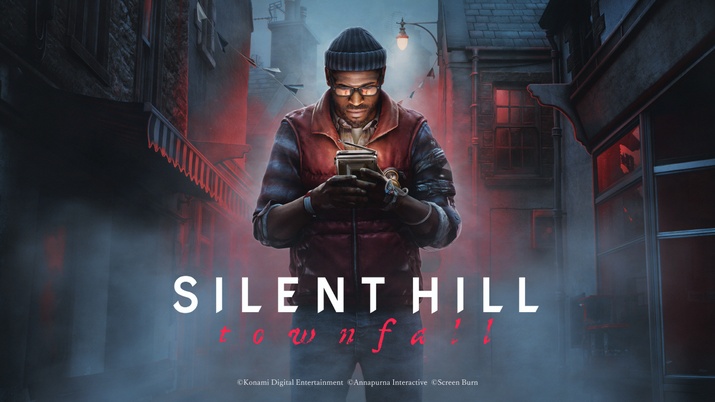
The Silent Hill series remains a titan in Konami’s portfolio, having carved out an indelible legacy of profound psychological horror within its fog-drenched confines. Naturally, expectations for Silent Hill: Townfall, slated for release this year, are reaching a fever pitch. Unlike Silent Hill f, which grabbed headlines with its Japanese setting and punchier action, Townfall invites players back into the mist with an entirely different flavour: a Scottish backdrop, a first-person perspective, and a retro-analogue aesthetic.
The developer, No Code, aims to anchor the experience in the franchise’s core—psychological dread—while injecting their signature retro-analogue flair via a device dubbed 'CRTV'. We sat down with Konami producer Motoi Okamoto and No Code writer and director Jon McKellan to discuss how they’re crafting this new nightmare.
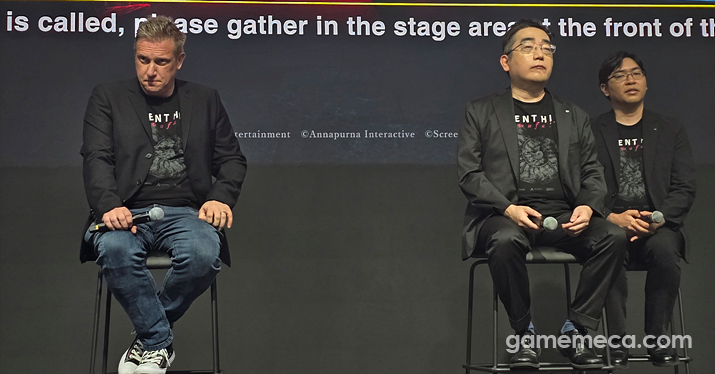
Q. How did this collaboration come to life?
Motoi Okamoto, Silent Hill series producer (hereafter Okamoto): Following discussions between Konami US and Annapurna, we met the Annapurna team in LA, where they introduced us to No Code. Unlike Silent Hill f, this project wasn't an internal Konami initiative; it began with a pitch from No Code, delivered through Annapurna.Jon McKellan, writer and director of Silent Hill: Townfall (hereafter Jon): When the opportunity to work on a Silent Hill project arrived, we halted everything else to focus entirely on it. We’ve been granted significant creative freedom and support from both Konami and Annapurna throughout this collaboration.
Q. How do you balance the weight of the franchise’s legacy with creative freedom?
Okamoto: We respect the developer’s understanding of the Silent Hill essence. As long as the core of psychological horror remains intact, we don't feel the need to force rigid mandates upon them.Jon: We established our direction through internal consensus and maintained a tight feedback loop with Konami and Annapurna to ensure we never drifted away from the Silent Hill identity.
Q. Could you explain your strategy for expanding the Silent Hill project?
Okamoto: While Konami provides guidelines, it is vital that each studio plays and dissects the classics to build their own framework. Our role isn't micro-management; we focus on ensuring the psychological horror narrative is effectively realised.
Q. With various studios experimenting since the franchise reboot, has the essence of Silent Hill shifted?
Okamoto: We decided early on that the reboot should focus on 'psychological horror narrative' rather than any specific 'location'. As long as this core pillar stands, we are happy to see the settings or gameplay systems evolve to keep players engaged.
Q. It has been five years since the initial announcement in October 2022. What has changed most?
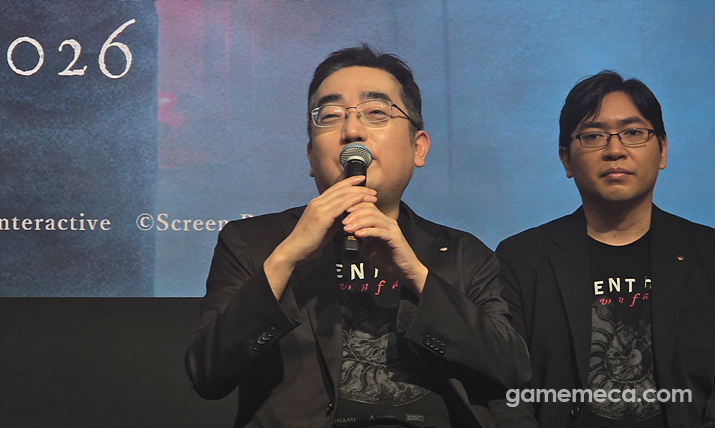
Okamoto: While I cannot disclose the exact development timeline, work began before 2022. The CRTV device was not in the initial plan but was added as a fresh concept after No Code, Annapurna, and Konami reviewed the prototype.Jon: Though time has passed, we continuously audited our original vision during development. By revisiting the milestones we submitted to Konami, we ensured the game stayed true to its intended identity.
Q. Why the choice of a first-person perspective?
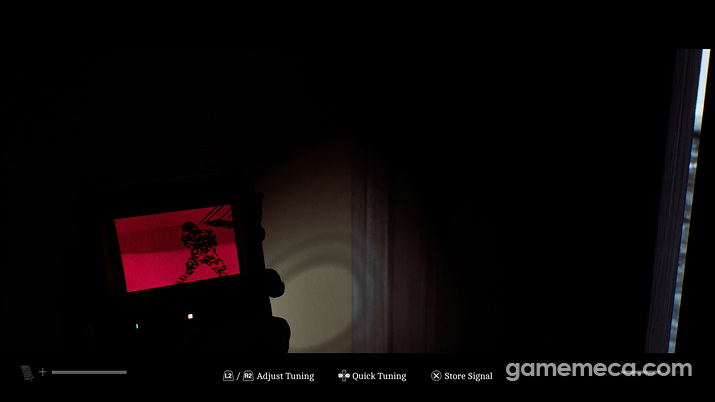
Jon: It amplifies the claustrophobia of a cramped Scottish town. Furthermore, to immerse players by using the CRTV as a physical object right in front of the camera—rather than relying on UI elements or mini-maps—the first-person view was essential.
Q. How did you design exploration and investigation in a first-person environment?
Jon: We wanted players to feel as if they were physically searching through someone’s home. By opening cupboards and handling objects, players glean the lives and stories of those who once lived there, making item retrieval more than just a mechanical task.
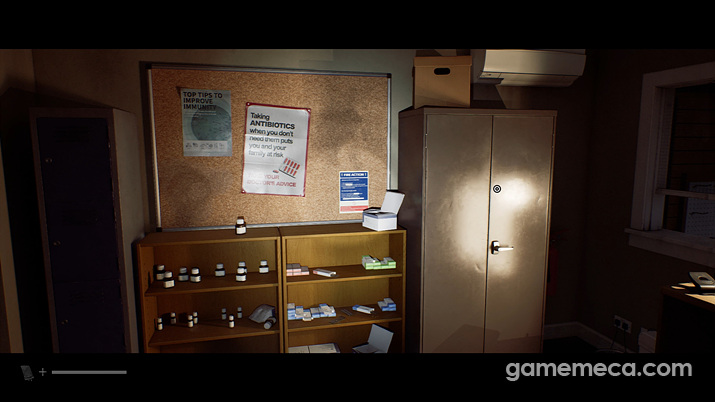
Q. How do you maintain the 'Silent Hill' feel within a first-person framework?
Jon: While many mechanics shifted with the perspective change, the core remains the themes. The atmosphere, tone, and specific sensibilities permeate every mechanic, allowing us to build something that feels entirely new yet distinctly Silent Hill.
Q. What inspired the shift from a radio to the CRTV?
Jon: The initial challenge was making the radio a more active tool. Introducing video elements opened doors for storytelling, hints, and stealth mechanics. It also draws on the retro-analogue aesthetic No Code explored in previous titles via VHS. Once we prototyped it, we knew it was the best way to convey the story.
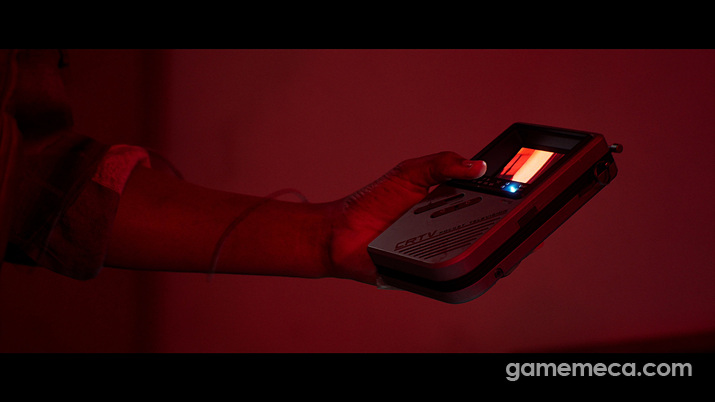
Q. How did you avoid retreading the past?
Jon: We intentionally played with the classic trope of a man entering a town to find a woman, baiting player expectations with familiar Silent Hill vibes before twisting them into a completely new narrative journey.
Q. No Code seems obsessed with analogue tech. Why, and how does it benefit Silent Hill?
Jon: It’s our studio’s DNA. We love taking nostalgic, familiar objects and turning them into instruments of dread. Analogue tech is inherently fragile and prone to failure; relying on old maps or CRT screens reminds the player that technology cannot save them, fostering a sense of isolation.
Q. Why set the stage in Scotland?
Jon: Because the developers are from Scotland. Our goal was to create a realistic, persuasive setting that players could connect with. Drawing from our own experiences in small Scottish towns allowed us to build the most honest and original world possible.
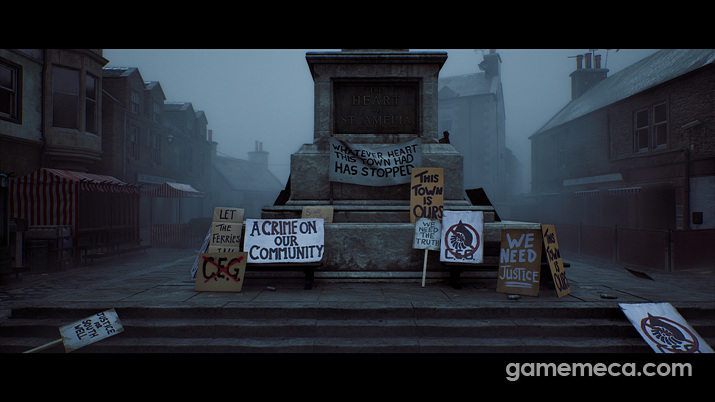
Q. How did it feel to turn a familiar home like Scotland into a harrowing Silent Hill setting?
Jon: Scotland is practically already a Silent Hill setting, filled with mist and monsters. Locals often joke, 'We're living in Silent Hill' when the fog rolls in. The architecture looks cozy on a clear day, but once it gets damp and misty, it offers the perfect claustrophobic pressure for our game.
Q. What specific details will make a local say, 'This is definitely Scotland'?
Jon: We’ve tucked away many subtle details. For instance, the need to use a top-up card to turn on the electricity in the early game is a real-life Scottish experience. We also paid attention to kitchen layouts, furniture, and wallpaper—the little things that locals will recognize instantly.
Q. Combat felt trickier than in past games. Is it balanced for stealth?
Jon: Every option is meaningful. Learning how enemies react is key. Stealth, melee, and ranged weapons all have their uses; it’s up to the player to experiment and master the best approach for each situation.
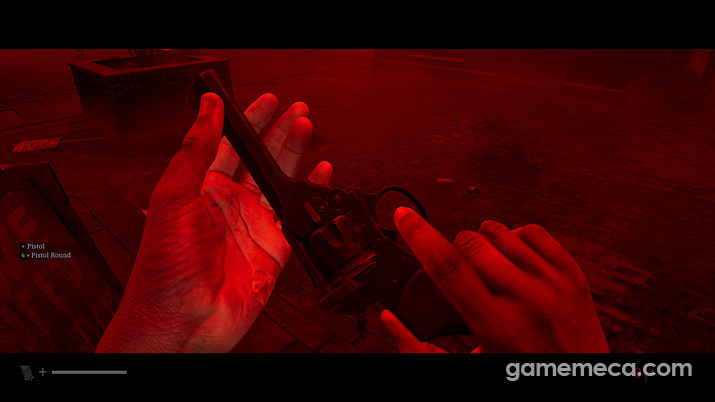
Q. The use of red and black is striking. Why those colours?
Jon: Because it’s a brilliant colour palette. Without spoiling anything, there is a deep connection between the colour red and how the otherworld is depicted. Every experience the protagonist, Simon, has is designed to make sense by the story's end.
Q. What was the focus of the sound design?
Jon: Audio is 50% of the horror experience. Our audio team sampled ambient sounds from real local villages and even used coastal objects as percussion in the score. Monster sounds were also designed based on the specific narrative they represent.
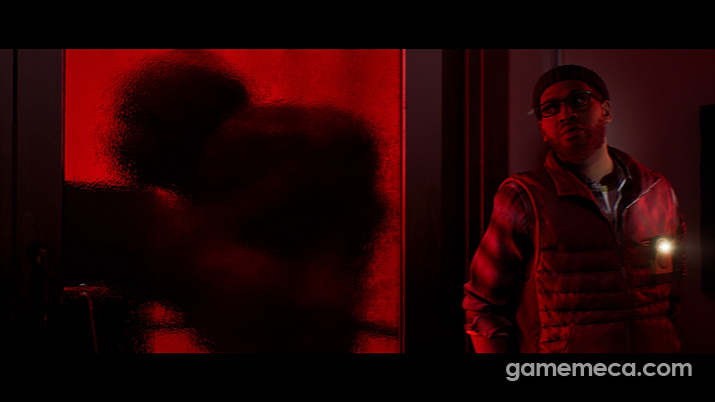
Q. Will there be a UFO ending, and what is your stance on multi-ending design?
Jon: We’ve included the hidden endings fans expect. The main ending depends on the player's actions as Simon. It’s not just a binary choice; it’s a culmination of the player's behaviour, ensuring the ending feels personal.Okamoto: To add, the three main endings are reachable in a single playthrough depending on your style. The secret endings are unlocked in a second playthrough. Unlike Silent Hill f, you aren't forced to play through multiple times just to see the main conclusions.
사일런트 힐 시리즈는 안개 속 마을에서 벌어지는 심도 깊은 심리적 공포로 거대한 족적을 남긴 코나미의 대표 프랜차이즈다. 그렇기에 연내 출시를 발표한 사일런트 힐: 타운폴에 대한 주목도는 높을 수밖에 없었다. 일본이라는 배경과 한층 강화된 액션으로 주목을 받았던 사일런트 힐 f와는 달리, 스코틀랜드라는 배경, 1인칭이라는 시점, 레트로 아날로그라는 전혀 새로운 콘셉트를 예고하며 게이머들을 또다시 안개 속으로 초대했기 때문이다.
개발을 맡은 스크린번 인터랙티브는 프랜차이즈 고유의 정체성인 '심리적 공포'라는 본질을 견고히 유지하면서도, 자신들의 장점인 레트로 아날로그 감성을 더한 ‘CRTV’라는 도구로 스코틀랜드 속 안개 낀 마을에서 새로운 공포를 선보인다. 과연 사일런트 힐: 타운폴은 어떤 방식으로 '사일런트 힐'만의 공포를 그려냈을까. 사일런트 힐 시리즈 프로듀서 오카모토 모토이와 사일런트 힐: 타운폴의 각본과 디렉터를 맡은 스크린번 인터랙티브 존 맥캘렌을 만나 인터뷰를 진행해보았다.
Q. 양사간 협업은 어떻게 시작되었나
오카모토 모토이 사일런트 힐 시리즈 프로듀서(이하 오카모토): 코나미 US 오피스와 안나푸르나 간의 논의 후, LA에서 안나푸르나 팀을 만나 스크린번을 소개받았다. 이번 프로젝트는 사일런트 힐 f와 달리 코나미가 먼저 기획한 것이 아니라, 스크린번이 자체적으로 제안한 제안서를 안나푸르나를 통해 받게 되며 시작됐다.존 맥켈렌 사일런트 힐: 타운폴 각본 및 디렉터(이하 존): 사일런트 힐 프로젝트 제안 수락을 받았을 때, 진행 중이던 다른 작업을 즉시 멈추고 집중했다. 코나미와 안나푸르나로부터 커다란 창작의 자유와 서포트를 받으며 협업을 진행하게 됐다.
Q. 프랜차이즈의 유산을 지키는 것과 창작의 자유 사이에서 어떻게 균형을 잡았나
오카모토: 개발사 스스로가 사일런트 힐의 본질을 이해하고 자체 가이드라인을 세우는 것을 존중하며, 심리적 공포라는 핵심이 유지되는 한 강제적인 요구사항을 강요하지 않는다.존: 제작진 내부의 공통된 의견을 모아 방향성을 잡았으며, 코나미 및 안나푸르나와의 긴밀한 소통을 통해 사일런트 힐의 정체성에서 벗어나지 않도록 검증받았다.
Q. 사일런트 힐 시리즈의 프로젝트 확장 전략에 대해 설명해 달라
오카모토: 코나미 내부에도 가이드라인이 있지만, 각 개발 스튜디오가 직접 과거 명작들을 플레이하고 분석하여 스스로 가이드라인을 구축하는 과정이 가장 중요하다고 본다. 코나미는 미세한 간섭보다는 심리적 공포 서사가 잘 구현되었는지를 중심으로 체크하고 지원한다.
Q. 프랜차이즈 리부트 이후 다양한 개발사에서 실험적인 시도를 하고 있다. 사일런트 힐의 본질에 변화가 생긴 것인가?
오카모토: 사일런트 힐을 리부트하면서 특정 '장소'보다는 '심리적 공포 서사'라는 핵심 가치에 집중하기로 정의했다. 이 핵심 축만 유지된다면 로케이션이나 게임플레이 시스템은 유저가 지루하지 않도록 적극적으로 변화를 주어도 무방하다는 것이 프로듀스 방침이다.
Q. 2022년 10월 최초 발표 후 5년 차에 접어들었다. 초기와 비교해 크게 달라진 점은?
오카모토: 정확한 개발 기간을 밝힐 수는 없지만 2022년 이전부터 개발을 진행했다. 초기 기획 단계에서는 CRTV 장치가 없었으나, 프로토타입 단계에서 스크린번, 안나푸르나, 코나미가 함께 검토하며 새로운 아이디어로 추가되었다.존: 발표 이후 긴 시간이 흘렀지만, 개발 과정에서 우리가 만들고자 했던 초기 기획안을 지속적으로 점검했다. 개발 마일스톤마다 코나미에 제출했던 내용을 되돌아보며 정체성을 잃지 않고 원래 목표했던 게임을 완성해 냈다.
Q. 전면 1인칭 시점을 채택한 주요 이유는 무엇인가?
존: 비좁은 스코틀랜드 소도시가 주는 폐쇄공포 분위기를 극대화하기 위함이다. 또한 화면에 별도의 UI나 미니맵을 띄우지 않고, CRTV라는 물리적 장치를 카메라 바로 앞에 가져와 몰입감을 주려면 1인칭 시점이 필수적이었다.
Q. 1인칭 시점 환경에서 아이템 탐색과 조사 요소는 어떻게 설계했는가?
존: 플레이어가 직접 사람들의 집 안을 수색하는 느낌을 주고자 했다. 찬장을 열고 물건들을 둘러보는 물리적 행위를 통해 단순한 아이템 획득을 넘어 그 장소에 살던 사람들의 삶과 서사를 자연스럽게 파악할 수 있도록 설계했다.
Q. 1인칭 시점이라는 틀 안에서 어떻게 사일런트 힐다운 느낌을 내고자 했는지 알려달라
존: 1인칭 시점으로 전환하면서 많은 메커니즘이 변경됐다. 대표적인 장치가 1인칭 시점에 필수적인 'CRTV'다. 그러나 몇 차례 언급했듯, 사일런트 힐을 일관되게 유지해 주는 것은 근본적인 테마다. 분위기와 톤, 특유의 정서가 다양한 메커니즘 전반에 스며, 완전히 새롭고 혁신적이면서도 사일런트 힐 고유의 느낌을 지닌 게임을 완성할 수 있었다.
Q. 라디오가 CRTV라는 장치로 바뀐 의도와, 그 영감을 얻게 된 계기는 무엇인가
존: 개발 초기 과제는 '어떻게 라디오를 더 능동적인 장치로 만들 것인가'였다. 비디오 요소를 도입하면서 스토리 전달, 힌트 제공, 은신 메카닉 구동 등 다양한 선택지가 대폭 확장됐다. 또, 이는 스크린번이 전작에서 보여준 VHS로 설명되는 레트로 아날로그 감성을 가져온 것이기도 하다. 프로토타입을 제작하자마자 이것이 스토리를 표현할 최선의 방식임을 확신했다.
Q. 전작들을 답습하지 않기 위해 어떤 노력을 했으며, 무엇을 취하고 버렸는가?
존: 기억에 안개가 낀 남자가 여자를 찾아 도시로 들어온다는 클래식한 설정과 유저들의 기대를 의도적으로 이용했다. 익숙한 사일런트 힐의 분위기로 유저들을 끌어들인 뒤, 그 기대를 완전히 비틀어버리는 새로운 서사적 여정을 선사하고자 했다.
Q. 스크린번은 ‘스토리즈 언톨드’ 때부터 아날로그 시절 기계 등의 요소에 집착한다는 인상을 준다. 그 이유는 무엇이며, 이것이 사일런트 힐과 만났을 때 어떤 효과를 낸다고 생각하는가?
존: 이는 스튜디오의 DNA다. 어린 시절 기억이나 익숙한 대상에서 오는 추억과 향수, 즉 노스탤지어를 선사한 뒤, 이를 기괴하게 뒤집어 공포의 대상으로 만드는 연출 방식을 즐긴다. 또, 아날로그 기술은 언제 고장 날지 모르는 불안정함과 취약함을 품고 있다. 옛 지도나 브라운관 TV에 의존해야 하는 상황은 플레이어에게 기술이 자신을 구해줄 수 없다는 고립감과 공포를 선사한다.
Q. 이번 작품의 무대를 스코틀랜드로 설정하게 된 근본적인 이유는 무엇인가?
존: 개발진이 스코틀랜드 출신이기 때문이다. 작가로서, 그리고 팀으로서 가장 중요했던 목표는 플레이어가 몰입하고 공감할 수 있는 사실적이고 설득력 있는 도시를 만드는 것이었다. 개발진이 나고 자란 스코틀랜드 소도시의 기억과 경험을 바탕으로 무대를 구축할 때 가장 정직하고 독창적인 세계관이 탄생한다고 판단했다.
Q. 익숙한 스코틀랜드를 사일런트 힐이라는 참혹한 게임의 무대로 삼으면서 느낀 점이 있나?
존: 스코틀랜드는 이미 안개와 몬스터로 가득 찬 곳이라고 말할 수 있을 만큼 게임의 배경으로 적합하다. 현지에서는 안개가 자욱하게 끼면 "우리가 사일런트 힐에 살고 있네"라는 농담을 할 정도다. 스코틀랜드 소도시의 건축물들은 맑은 날에는 아늑해 보이지만, 안개가 끼고 축축해지면 특유의 폐쇄공포증적인 압박감과 공포를 선사하므로 사일런트 힐의 무대로 완벽하다.
Q. 현지인이 보았을 때 "여기는 정말 스코틀랜드다"라고 느낄 만한 구체적인 디테일은?
존: 디테일 요소를 많이 숨겨두었다. 일례로 게임 초반부에 방문하는 집에서 전력을 켜기 위해 충전식 카드를 사용하는 시스템이 등장한다. 이는 스코틀랜드의 실제 생활 양식을 반영한 것이다. 그 외에도 주방 구조, 가구 디자인, 벽지 등 현지인들이 공감할 만한 여러 요소가 반영됐다.
Q. 핸즈온 시연 당시 전작들보다 적이 까다롭게 느껴졌다. 은신 중심의 밸런스로 설계했나?
존: 플레이어가 선택할 수 있는 모든 옵션은 유의미하다. 적들이 어떻게 반응하는지 파악하는 방식을 알면 게임 진행이 더 수월하다. 은신, 근접전, 원거리 무기 등은 저마다의 쓰임새가 있으며, 각 상황에 맞는 최선의 방식을 실험해 보면서 컨트롤을 숙달해 나가는 것은 플레이어의 몫이다.
Q. 이번 작품에서는 붉은색과 검은색이 인상적으로 사용되는데, 이를 선택한 이유가 있나?
존: 가장 훌륭한 색상 조합이기 때문이다. 스포일러 없이 설명하자면, 붉은색과 또다른 세계가 묘사되는 방식 사이에는 연관성이 존재한다. 주인공 사이먼이 겪는 모든 경험과 시각적 요소는 스토리가 끝날 때 개연성을 가지도록 설계됐다.
Q. 사운드 디자인에서 특별히 공을 들인 부분은 무엇인가?
존: 호러 게임에서 오디오는 경험의 50%를 차지할 만큼 중요하다. 오디오 디렉터와 팀원들이 실제 현지 마을을 찾아가 환경음을 직접 샘플링했으며, 해안가 오브젝트의 소리를 음악의 타악기 요소로 활용하기도 했다. 몬스터의 소리 역시 각자가 상징하는 서사에 기반하여 디자인했다.
Q. UFO 엔딩이 존재하는지, 그리고 멀티 엔딩에 대한 게임 디자인 스탠스는 어떤지 궁금하다
존: 팬들이 기대하는 히든 엔딩은 당연히 준비했다. 메인 엔딩의 경우 플레이어가 진행 과정에서 사이먼으로서 어떤 행동을 취했는지에 따라 결정된다. 단순한 A/B 선택지가 아니라 플레이어의 행동 양식이 쌓여 도출되는 결과이므로, 플레이어마다 자신에게 어울리는 엔딩을 맞이하게 된다.오카모토: 보충하자면 메인 엔딩 3종은 1회차 플레이만으로도 플레이 방식에 따라 모두 도달 가능하다. 비밀 엔딩은 2회차 플레이를 통해 해금되는 구조다. 사일런트 힐 f처럼 모든 메인 엔딩을 보기 위해 강제로 2회차, 3회차를 반복해야 하는 구조는 아니다.
This news was translated by AI.

I am dedicated to games and writing. viina@gamemeca.com

RECOMMENDED NEWS

MOST POPULAR NEWS
- Which Team is the Strongest This Year? LCK 2026 Finals to Be Held on the 12th and 13th
- Already the third time, Overwatch x LE SSERAFIM detailed look revealed
- XLGAMES Decides to Sell ArcheAge IP for 39.2 Billion Won
- Nuclear drop simulation, South Korea hit the third most
- Lim Yo-hwan vs Kang Min Match, SOOP Official Live Broadcast for BlizzCon 2026
- [Today's steam] Dead by Daylight-style new game Halloween receives 'Mostly Positive' reviews
- Unity Launches Official Plugin for 'Claude Code'
- "The Erangel Incident Begins" PUBGxJujutsu Kaisen Collaboration Teased
- [Hidden Gems] RimWorld Meets Dungeon Crawler in 'Dungeon Settlers'
- Smilegate's New MMORPG Eclipse Opens PC Pre-Download on the 8th
MEDIA PARTNERSHIPS



GAMEMECA SNS