
Stepper Retro, A Peak in Tragedy, Humor, and Storytelling... Except for the Deduction
스테퍼 레트로, 비극·유머·스토리 모두 절정… 추리 빼고
2026.07.29 16:54 UTC+9

AI Summary
Stepper Retro offers a compelling, emotionally charged narrative that surpasses its predecessors in character depth. While the deduction mechanics are simplified, the stellar writing and atmospheric direction make it a must-play. It is a fantastic visual novel that rewards long-time fans of the series.

Launched on the 23rd, 'Stepper Retro: Psychic Deduction Quest' (hereinafter 'Stepper Retro') is the latest entry in the supernatural mystery series that kicked off back in 2023. From its inaugural title 'Stepper Case', the series has earned a loyal following, boasting a level of polish and world-building that set a high bar.
Stepper Retro serves as a direct sequel to Stepper Case, bridging the gap to the side-story 'Dice Eater: Psychic Deduction Card Game' (hereinafter 'Dice Eater'). Having spent time with the game myself, I found that while the deduction mechanics feel a bit lighter than its predecessor, it makes up for it with a tighter narrative, more refined scenarios, and deeper, more nuanced character work.
The power of 'Information': Verita Retro's story
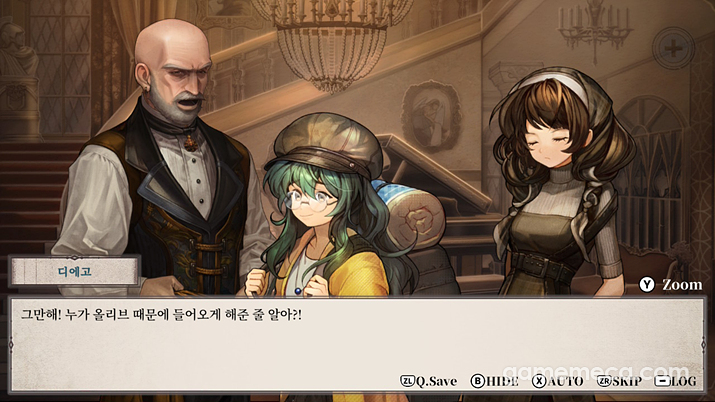
The protagonist, young Verita Retro, finds herself in a tight spot right from Chapter 1 when her father—who runs a retro shop—decides to skip town, leaving her with a massive debt to the loan shark 'Bassanio Portia'. To survive, she teams up with 'Jad Bering', the shady merchant of 'Steps'—the magical tools familiar to anyone who played 'Stepper Case'—to investigate the activation triggers of these artifacts.
Steps are the core of this supernatural universe, each being a tool with a unique, pre-defined ability and a specific 'trigger' required to unleash it. Take the red-patterned phonograph from Stepper Case, for example: open the lid, and it conjures a 30-second illusion tied to the person who opened it. In Sicily, the game's setting, these items are traded openly, making them the perfect, if dangerous, solution for settling a massive debt.


The snag, of course, is that Retro’s life is anything but straightforward. As the final chapter approaches, she finds herself entangled in a web of Step-related incidents, unearthing truths she never asked for. At just 17, Retro is easily deceived and prone to panic when things go sideways, often relying on Verona or others around her to keep her head together.
Comparing her to the first game’s protagonist, Notrick, is unavoidable, and the narrative flow mirrors Stepper Case quite closely. Yet, while Notrick had the relatively grounded 'Redfins' or mentors for support, Jad Bering is—to put it mildly—a selfish, self-important piece of work. Unlike Notrick, who seemed to attract trouble, Retro is burdened by the slow, painful unraveling of her own family and personal secrets, which hits far closer to home.

A mystery game with a penchant for adventure
The original Stepper Case was defined by Notrick’s borderline supernatural ability to connect the dots. Notrick would gather intel from allies like Brian, Tena, and Redfins, feeding it into the 'Hexa Logic' system to dismantle contradictions and find the truth.
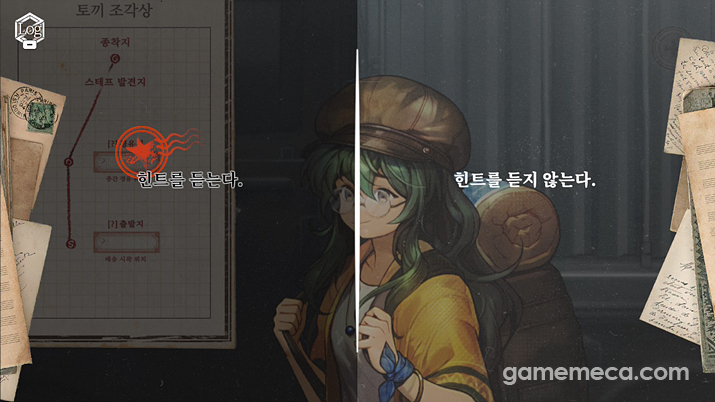
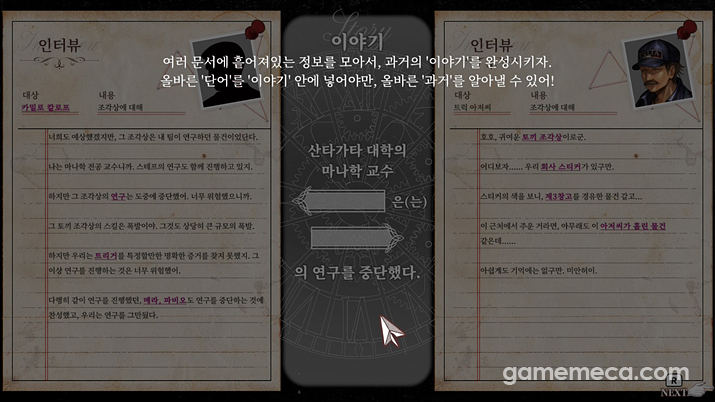
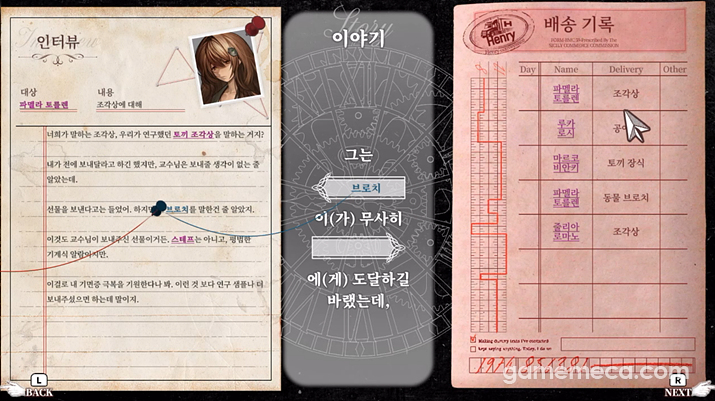
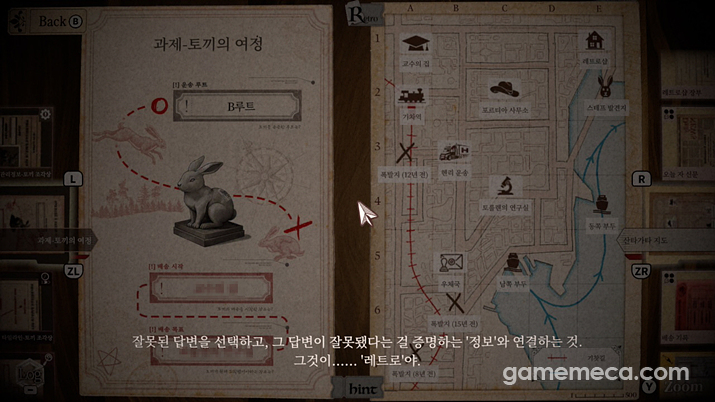
Verita Retro, by contrast, is framed as a master of information gathering. Her sister, for instance, acts as an all-knowing oracle, dropping hints whenever needed. Aside from the occasional tip from Bering or documents from Brian, Retro does the legwork herself. Her deduction method is more about verifying data against hypotheses. For the first case, finding the trigger for the 'Rabbit Statue' meant inputting the locations where it had activated—a more hands-on, if less analytical, approach.
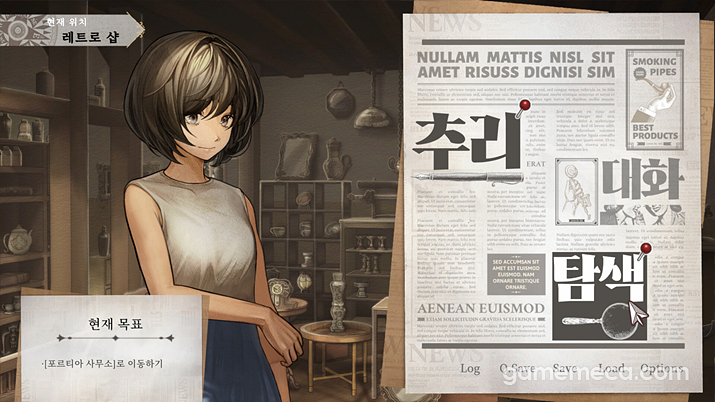
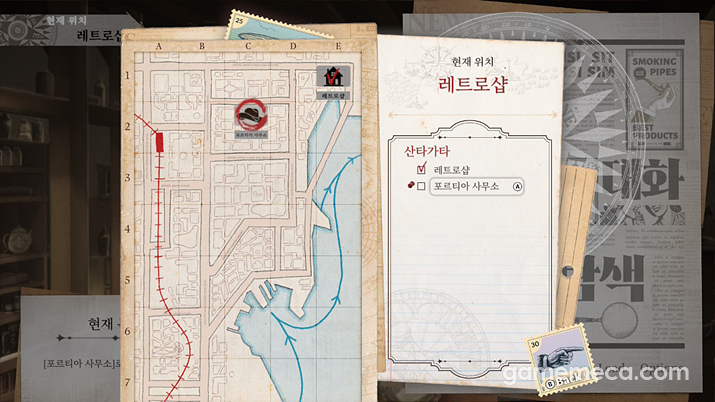
Because data collection is the heart of the experience, the gameplay loop feels distinct from Stepper Case. You visit various locations, pore over documents, and grill characters. It isn't exactly a free-roaming point-and-click adventure—your freedom is admittedly constrained—but the focus on gathering evidence remains the core hook.
Retro’s final deductions happen via two systems: 'RESTORY' and 'RETRO'. RESTORY is about mapping the sequence of events—like piecing together a story about a demon haunting a village. RETRO, however, is about digging deeper into the evidence to expose the truth that the initial story missed, effectively flipping the narrative on its head when you uncover the missing piece of the puzzle.
If Notrick Case was about using logic to debunk faulty info, Retro is about using concrete, overwhelming evidence to challenge her own assumptions. It’s a smart design choice that highlights the difference between the two leads. That said, the sheer volume of information makes this game significantly easier than its predecessor, and with hints always available, you’re never really going to be stumped. As a 'pure' detective challenge, it feels a bit soft.
More humour, more intensity, more misery
Stepper Retro ramps up the intensity across the board. The use of dynamic cutscenes is frequent, with characters moving during pivotal moments to heighten the emotional stakes. Combined with a stellar score and Japanese voice acting, it’s an incredibly immersive experience.
You really feel for Retro as you walk in her shoes. The humour is sharper, too—the banter between Retro and her mentor Bering or the loan shark Portia is bizarrely delightful. Watching Retro’s expressions shift—her eyes narrowing in skepticism whenever Bering acts like a total scoundrel—captures her endearing, youthful innocence perfectly.


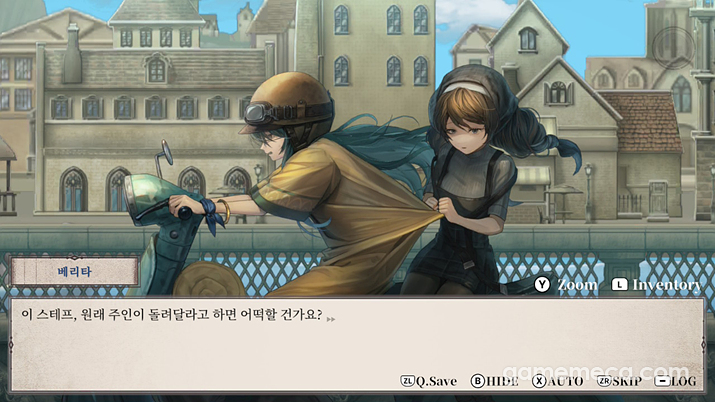
The flip side is that you feel every blow to her morale. From her father’s abandonment to having a mentor with the moral compass of a broken watch, Retro goes through the wringer. By the third case, the stakes evolve from personal tragedies to something far more cosmic and chilling.
It’s a masterclass in atmosphere, but I have to say, the relentless trauma in the latter half felt a bit much. The game pushes boundaries, especially regarding family secrets, until the tragedy feels almost like a 'lethal dose'. It’s narratively consistent, but it leaves you feeling quite dazed by the end.


Familiar faces, with a catch
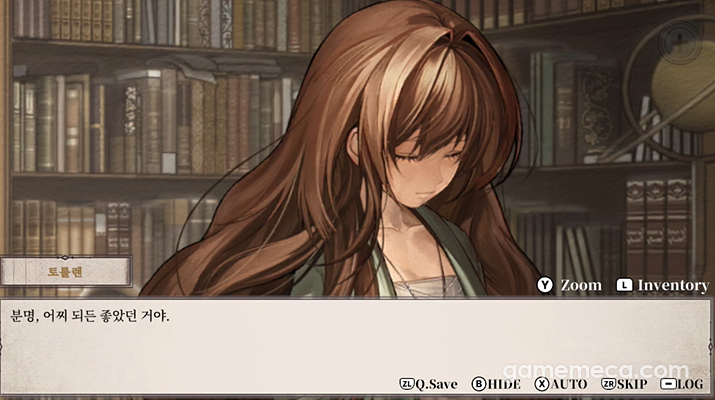
It’s great to see old friends return. Jad Bering, having slipped through the fingers of investigators in Stepper Case, takes a leading role here, and characters like Eda Botan from 'Dice Eater' and Brian from the main series pop up, adding welcome depth to the world.
Eda Botan is a standout. Where before she was little more than a moody character portrait, here we get a clear look at her motivations and combat prowess. It’s a testament to the writing that despite the complexity of this serialised world, the character consistency remains rock-solid.
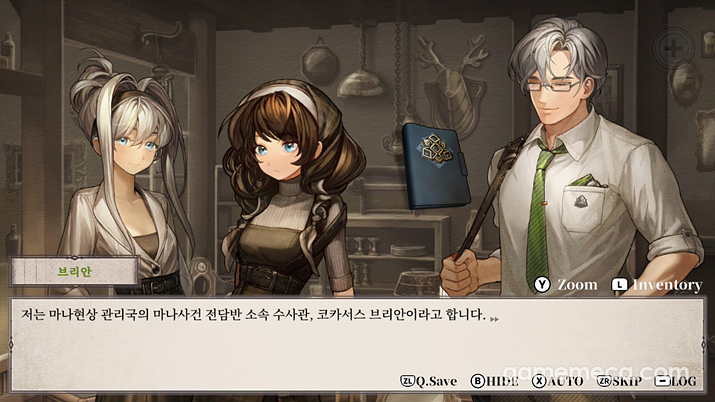

However, there is a hint of 'Small Universe Syndrome' here. Despite the grand setting, the cast is tiny—fewer than ten truly new characters. As their stories intertwine, the world begins to feel more like a claustrophobic village than a grand, expanding universe.
This is most apparent in cases 5 and 6. The 'final bosses' are logically deducible, which is great, but the reveal felt a bit anti-climactic, and the mysterious veneer surrounding certain characters peeled away far too easily.
Furthermore, this isn't a game for newcomers. I found myself scrambling to replay chapter 2 of 'Dice Eater' just to understand the context, only to have the entire plot spoiled for me in the process. It’s a bold choice to demand such homework from the player, but then again, Team Tetrapod has earned the right to be this confident.

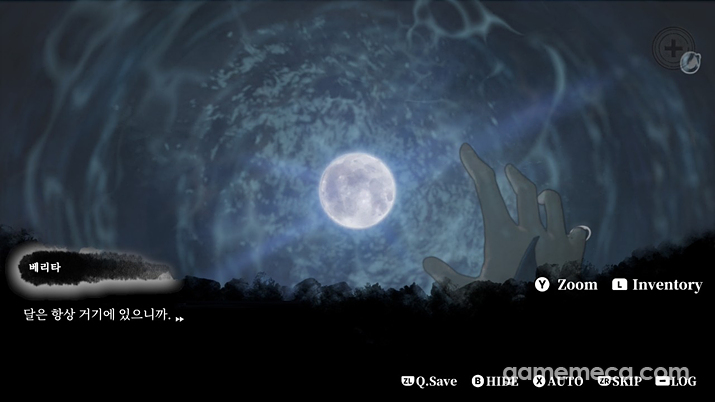
With the current roster of characters involved in saving the world feeling somewhat limited, I hope the next entry focuses on expanding the world's breadth rather than just digging deeper into the existing pool of faces.
If you’re a fan of the series, Stepper Retro is an easy recommendation. While the new adventure mechanics and deduction systems might feel a bit lighter than before, the writing, character depth, and presentation are a step up. Treat it less as a hardcore mystery game and more as a top-tier visual novel, and you’ll find plenty to love. I’m already looking forward to whatever comes next.
지난 2023년 시작된 초능력 추리 게임 ‘스테퍼’ 시리즈의 신작 ‘스테퍼 레트로: 초능력 추리 퀘스트(이하 스테퍼 레트로)’가 23일 정식 출시됐다. 첫 타이틀인 ‘스테퍼 케이스’부터 상당한 완성도와 세계관을 선보여 유저들로부터 호평 받았다.
스테퍼 레트로는 스테퍼 케이스의 후속작이며, 외전 ‘다이스 이터: 초능력 추리 카드게임(이하 다이스 이터)’ 사이를 다룬다. 실제 플레이 해본 게임은 비록 추리 관련 요소는 전작보다 아쉬웠지만, 스토리 짜임새, 시나리오, 연출, 캐릭터 묘사에서 더 발전한 모습을 보였다.
‘정보’의 힘, 베리타 레트로의 이야기
스테퍼 레트로의 주인공은 소녀 베리타 레트로다. 1장 도입부 그녀는 레트로 샵을 운영하는 아버지가 야반도주를 택함에 따라 사채업자 ‘바사니오 포르티아’에게 거액의 빚을 갚아야하는 처지가 된다. 이때 우연치않게 ‘스테퍼 케이스’에서도 등장한 바 있는 마법 도구 ‘스테프’ 판매자 ‘쟈드 베링’과 힘을 합해 스테프의 발동 조건 등을 조사하고 추리하게 된다.
스테프는 초능력이 존재하는 스테퍼 시리즈의 핵심 소재로, 각기 다른 능력을 보유하는 도구를 지칭한다. 각 도구마다 발동 조건(트리거)과 능력이 있는데, 예를 들어 스테퍼 케이스에 등장한 붉은 문양이 그려진 축음기는 뚜껑을 열면 약 30초간 연 사람과 관련된 환영을 보여주는 능력을 지녔다. 게임의 배경이 되는 시칠리아는 이런 스테프들이 많고 판매가 불법이 아니어서, 이를 활용해 빚을 갚으려고 했던 셈이다.
문제가 있다면 레트로의 인생이 전혀 순탄치 않았다는 점이다. 마지막 챕터로 흘러가며 그녀는 스테프와 연관된 수많은 사건과 마주하고, 그 과정에서 원치 않는 진실을 알아낸다. 레트로는 17세의 소녀인만큼 거짓말에 쉽게 속고 당황스러운 사건을 목도하면 곧바로 패닉이 오며, 항상 그녀의 곁에 있는 베로나 혹은 주변 사람의 도움으로 간신히 멘탈을 회복하기도 한다.
첫 작품의 주인공 노트릭과 비교되는 인물이며, 작품 전체가 스테퍼 케이스와 상당히 유사한 구조로 전개된다. 다만 정신적으로 완성된, 비교적 선한 ‘레드핀즈’나 동료에게 조언을 구할 수 있던 노트릭과 달리, 쟈드 베링은 후술하겠지만 이기적이고 독선적인 인간이다. 또한 주변에 사건이 발생한 노트릭과 달리 레트로는 자신의 가족, 동료, 자기 자신에 대한 비밀 등이 밝혀지며 더 큰 정신적인 타격을 입는다.
어드벤처 강화된 추리게임
첫 작품인 스테퍼 케이스는 노트릭 케이스라는 논리와 추론에 비상식적으로 탁월한 능력을 지닌 캐릭터의 특징을 특유의 추리 시스템으로 묘사했다. 노트릭은 동료 브리안, 테나, 레드핀즈에게 정보를 수집하고, 이를 논리적으로 연결하는 방식으로 추리를 진행했다. 그 과정에서 최종 추리에 해당하는 ‘헥사 로직’은 논리를 토대로 증거의 모순을 찾아내 진실에 도달하는 과정을 다뤘다.
반면 베리타 레트로는 정보 수집과 연결에 비상한 재주를 지닌 것으로 묘사됐다. 특히 그녀의 언니는 모든 것을 아는 듯 원한다면 정답에 가까운 힌트를 제공하기도 한다. 때문에 물건의 위치를 간략하게 알려주는 초능력을 지닌 베링과 일부 사건에서 등장한 브리안의 문서를 제외한 모든 자료는 직접 레트로가 발로 뛰며 수집한다. 추리 방식 또한 수집한 자료가 적절한 가설에 맞는지를 연결하는 것이다. 예를 들어 첫 사건에서 ‘토끼 모양 석상’의 발동 조건을 찾을 때, 해당 석상이 발동됐던 장소들을 입력하는 방식으로 답을 알아냈다.
자료 수집이 핵심이 되는 만큼 스테퍼 레트로의 플레이 방식은 스테퍼 케이스와 사뭇 다르다. 레트로는 여러 장소를 직접 방문해 문서와 증거를 수집하고, 등장 인물과 직접 대화를 나누고 인터뷰를 얻기도 한다. 비록 시스템적으로는 결국 ‘추리’라는 틀을 크게 벗어나거나 포인트 앤 클릭 어드벤처처럼 방 구석구석을 클릭할 수는 없는 등 자유도가 높지는 않지만.
그런 레트로의 최종 추리는 리스토리(RESTORY)와 레트로(RETRO)다. 리스토리는 핵심 추리로, 수집한 정보를 기반으로 벌어진 사건의 흐름을 파악하고 정리하는 일이다. 예를 들어 세 번째 에피소드에서 마을에 악마가 나타나고, 그 악마가 마을을 떠난 후 저주가 내려진 정황을 파악한 정보를 토대로 나열해 하나의 이야기로 구상했다. ‘레트로’는 이후 더 많은 증거와 자료를 모으고, 리스토리가 전하지 못한 사건의 진상을 이끌어 내는 것이다. 예를 들어 에피소드 1에서 토끼 모양 스태프의 발동 조건에 대한 추가 정보를 입수한 뒤, 레트로를 통해 뒤집는 것을 보여준다.
즉 노트릭 케이스가 논리를 통해 부족하거나 잘못된 정보를 반박한다면, 레트로는 반대로 확실하고 풍성한 증거를 바탕으로 자신이 세운 추리와 가설을 뒤집는 것이다. 좋은 기획과 설계 의도가 맞물려 약간의 플레이 변화만으로 두 세계관 핵심 인물의 작지만 큰 차이를 드러냈으며, 시스템과 스토리가 튀지 않고 잘 어우러진다. 다만 ‘정보’가 많아 첫 작품보다 추리 난도는 더 쉬워졌고, 힌트도 더해져 진실에 도달하지 못하는 일은 사실상 없어져 추리게임으로서는 부실해졌다.
더한 유머, 더한 자극, 더한 불행
스테퍼 레트로는 외전을 포함해 전작들 대비 자극을 크게 강화했다. 우선 움직이는 컷신이 상당히 많다. 특이 주요 순간, 감동적인 장면, 강조점마다 캐릭터가 움직이는 장면이 더해지며 감정선을 고조한다. 특유의 배경음악과 일본어 음성 역시 몰입을 크게 강조한다.
플레이어는 베리타 레트로의 삶을 쫓으며 그녀와 함께한다. 특히 전반적인 유머 포인트가 늘었는데, 사채업자 ‘바사니오 포르티아’나 레트로의 스승 ‘베링’과의 만담 대부분은 허탈하면서도 기묘한 웃음을 자아낸다. 특히 베링이 인간 이하의 모습을 보여줄 때마다 입이 삐죽 튀어나오고 눈이 가늘어지는 베리타의 모습은 소녀의 귀여움과 순수함이 그대로 묻어있다.
그만큼 그녀가 겪는 불행에 플레이어는 더 몰입할 수밖에 없다. 첫 케이스부터 그녀의 아버지는 빚을 떠넘기고 도주했고, 인성적으로 문제가 있는 스승을 만난다. 케이스 2에서는 가장 소중한 친구의 아버지에 일어난 비극을 다루며 그 과정에서 원치 않은 진실과 마주한다. 케이스 3에서는 스테퍼 케이스 4장보다는 우주적으로 작지만 반전과 충격은 그 이상인 비극적이고 끔찍한 사건의 진상을 확인한다.
이렇듯 강화된 연출, 음악, 플롯 모든 것이 어우러져 베리타 레트로라는 소녀의 인생을 나락 구렁텅이로 끌어내리고 있다. 다만 케이스 4와 5 초반까지 그 자극적인 고통이 이어지는데, 가족과 관련된 문제는 감정선을 이끌어내기 위해 연속으로 금기를 건드려 약간 과도했다는 느낌도 들었다. 물론 논리적으로나 스토리적으로는 필요했지만 지나치게 날 것이었고, 임계치를 넘어선 비극 치사량에 혼미함을 느낄 정도였다.
돌아온 반가운 인물들, 하지만
스테퍼 레트로에는 여러 반가운 인물들이 다시금 모습을 드러낸다. 스테퍼 케이스에서 수사관들을 따돌리고 도망친 쟈드 베링이 주요 인물로 활약하며, 외전 ‘다이스 이터’의 주인공 ‘에다 보탄’이나 스테퍼 케이스의 코카서스 브리안 등도 간혹 함께 활동한다. 이들은 각자 전작들에서 보여준 자신의 서사를 다시 한번 심화, 발전시키며 세계관을 풍성하게 더한다.
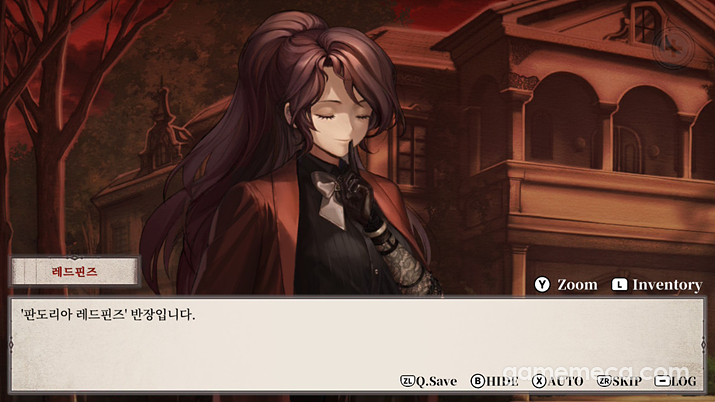
대표적인 캐릭터가 ‘에다 보탄’이다. 다이스 이터에서는 짧은 설정과 몇 줄의 대사로 까칠한 성격이나 배경을 묘사하는 것에서 그쳤다. 반면 스테퍼 레트로에서는 행위의 동기, 방향성, 전투력 등이 복합적으로 다뤄지며 앞으로 캐릭터가 어떤 방식으로 활용될지를 명확하게 짚었다. 판도리아 레드핀드 역시 사건의 전개, 해결 방안, 통찰력에서 그녀 다움이 드러난다. 글의 품질만큼이나 캐릭터의 일관성을 유지하는 것이 어려운 시리즈물임에도 상당한 묘사를 통해 신작을 기대하도록 만들었다.
다만 이런 작품의 방향성에 따라 스몰 유니버스 신드롬에 대한 우려도 엿보인다. 주로 스타 트렉이나 스타워즈 등 우주 규모의 작품에서 통용되는 표현으로, 배경이 넓음에도 보이는 캐릭터가 적어 작은 사회처럼 묘사되는 연출과 규모의 부실함을 일컫는다. 스테퍼 레트로에서 완전 새롭게 등장하는 캐릭터는 주인공과 친구, 가족, 사건 당사자 등으로 10인이 체 되지 않는다. 각 인물들이 케이스마다 얽히며 이들의 이야기는 점점 심화되지만, 동시에 이야기와 세계관이 크게 확장되지는 않는다.
이런 작은 우주의 장점과 단점이 모두 드러나는 것이 케이스 5와 케이스 6이다. 두 케이스의 실질적인 ‘최종 보스’들의 정체는 추리 가능한 영역에 있으면서도 이전 사건들과 체계적으로 연결되며 높은 짜임새를 자랑했다. 하지만 동시에 김이 세는 면이 있었고, 특히 마지막 장에서는 신비스러워야 했을 인물의 포장지가 너무 쉽게 풀린 부분이 아쉬웠다.
또 이런 방식은 전작을 플레이하지 않은 유저가 쫓아오기 상당히 힘든 구조다. 본 기자는 다이스 이터의 챕터 2를 플레이 하지 않았는데, 해당 챕터에서 중요한 정보가 이미 공개됐다는 사실을 알고 부랴부랴 다시 플레이 하며 사실상 주인공과 최종 보스를 스포일러 당했다. 물론 이런 구조는 자신감의 영역이기도 하다. 이정도의 진입 장벽도 웃어 넘길 품질이라면 내릴 수 있는 선택이며, 실제로 팀 테트라포드는 ‘다이스 이터’를 제외한 시리즈와 외전에서 이를 증명했다.
다만 게임의 중심이 되는 세계 멸망을 막아내는 프로젝트 관계자가 이번 작품에서는 사실상 셋 정도만 추가된 셈으로, 다음 작품부터는 본래도 강점이었던 캐릭터와 세계관 깊이를 더하기 보다는 넓이를 더하는 편이 좋을 것 같다.
스테퍼 레트로는 만약 전작들을 즐겁게 플레이했다면 추천할 만한 타이틀이다. 새롭게 도입된 어드벤처 요소나 기존 추리 시스템은 전작보다 아쉽지만, 이야기의 짜임새나 캐릭터를 다루는 깊이, 연출은 발전했다. 추리게임으로 접근한다면 아쉬운 점이지만, 초능력 세계관에 기반을 둔 비주얼 노벨이라는 관점에서는 훌륭한 게임이다. 후속작이나 후일담이 기대된다.
This news was translated by AI.

I will always love games. skyanze@gamemeca.com


RECOMMENDED NEWS

MOST POPULAR NEWS
- Which Team is the Strongest This Year? LCK 2026 Finals to Be Held on the 12th and 13th
- Already the third time, Overwatch x LE SSERAFIM detailed look revealed
- XLGAMES Decides to Sell ArcheAge IP for 39.2 Billion Won
- Lim Yo-hwan vs Kang Min Match, SOOP Official Live Broadcast for BlizzCon 2026
- [Today's steam] Dead by Daylight-style new game Halloween receives 'Mostly Positive' reviews
- Unity Launches Official Plugin for 'Claude Code'
- Nuclear drop simulation, South Korea hit the third most
- "The Erangel Incident Begins" PUBGxJujutsu Kaisen Collaboration Teased
- Main tournament kicks off on the 12th, SWC2026 match predictions begin
- [Hidden Gems] RimWorld Meets Dungeon Crawler in 'Dungeon Settlers'
MEDIA PARTNERSHIPS



GAMEMECA SNS