
Preservation of Service-Terminated Online Games Must Capture User Memories to Be Complete
‘섭종’ 온라인게임 보존, 유저 기억까지 남겨야 완성된다
2026.10.15 16:02 UTC+9

AI Summary
Nexon Museum is championing the complex art of online game preservation. Director Park and Team Lead Kim discuss archiving digital history and player memories. They aim to safeguard Korean online gaming culture for future generations.
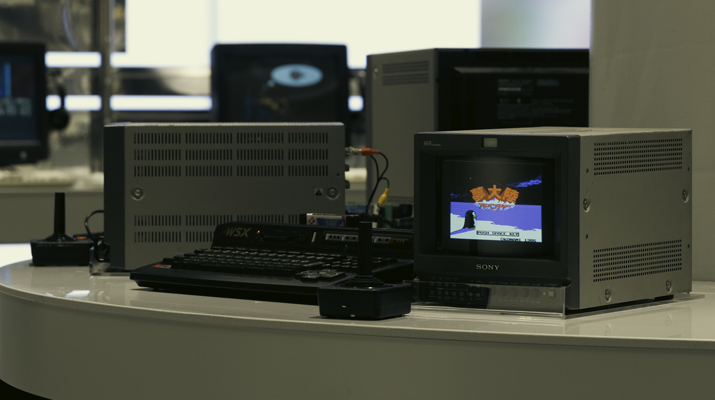
Look, let's be honest—game preservation is suddenly the talk of the town, innit. With Sony pulling the plug on PlayStation disc production and the 'Steam Killing Games' movement sweeping across the US and Europe, a proper consensus on preserving physical and digital games has finally crystallized. Back in July, the National Library of Korea even hosted an exhibition titled 'Disconnected Korean Games, Turned Back On', showcasing discontinued and unreleased titles to a rather captivated audience.
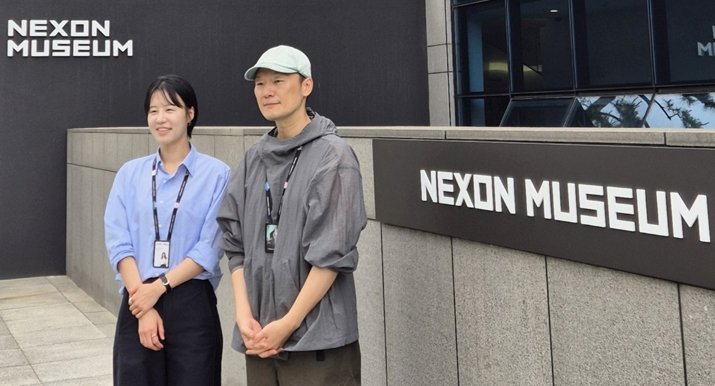
Having recently rebranded to spotlight 'player-made gaming culture', Nexon Museum is currently having a proper think about the preservation of online titles. The museum reckons that alongside technical preservation, they also need to figure out how to gather and preserve player data and memories alongside the developers. The museum is already showcasing related exhibits while keeping future challenges firmly in mind. We sat down for a rather cracking chat with Park Doo-san, the director of Nexon Museum, and Kim Jung-ah, the head of the exhibition team, to get into the nitty-gritty.
Q: You've rebranded as Nexon Museum with ambitions of becoming an archive platform that records gaming culture. What is the museum currently pushing or pondering for the preservation of domestic online games, something other countries haven't quite tackled?
Director Park Doo-san: Unlike arcade or PC boxed games, online games aren't something you can just collect and preserve as a finished physical object. You're looking at client files, server and operating environments, and update histories all rolling into the archiving scope. Guild cultures, server dynamics, strategy guides, and community memories forged during gameplay are also vital parts of the overall online game experience.We're cracking on with the practical bits first. Priority number one is actively including service-terminated or development-halted games into our exhibition and research scope. Even if a game isn't live anymore, the experience of making it and playing it forms the bedrock of today's gaming culture.Priority number two is figuring out how to document the 'present' of live-service games. We're examining how to capture and preserve not just client software or art assets, but patch notes, gameplay footage, user guides, community activities, and guild or server-level cultures. If you don't log these materials while the service is still kicking, good luck trying to get them back later.Priority number three is turning these accumulated records back into playable experiences through exhibitions and research. We plan to actively use them as exhibition content, and in the long run, we're looking into upgrading Nexon account integration so visitors' personal play histories—showing what games they played, when, and how—can be displayed right inside the gallery.While there are overseas institutions specialising in game preservation, there's still no single, set-in-stone answer on how to collect and preserve the decades-long experiences of long-running live-service online games. Given South Korea's deep, long-standing history of operating and enjoying online games, we reckon this is a domain where we've simply got to forge our own preservation methods.
Q: From the perspective of Nexon Museum, what do you genuinely reckon is required for online game preservation?
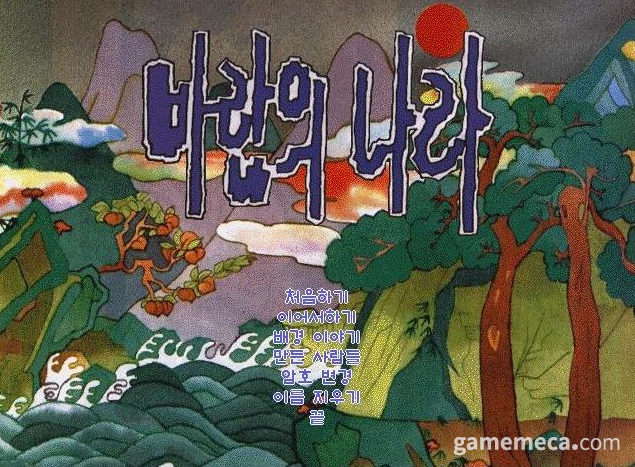
Director Park Doo-san: It's all about establishing a framework to decide what to save and how to keep a continuous record while a game is still live. Even during The Kingdom of the Winds 1996 project to restore the early version of the game, proper materials were scarce, and whatever survived was often difficult to run or belonged to a different version. Because an online game can't be recreated from a mere client file alone—it requires multiple elements aligning at a specific point in time—the difficulty of restoration skyrockets later if the documentation is lacking. Beyond development and operations, you need to log the play styles and user cultures of that era whenever possible.It's also totally unrealistic to preserve every single milestone of a game that's been running for ages with the exact same density. When a game runs for 20 or 30 years, countless updates and changes pile up, so you eventually need to judge which points serve as crucial inflection points. That standard shouldn't just be about major updates from the developer's POV; you've got to factor in events strongly remembered by players, shifts in play styles, and moments when server and community cultures took shape.So, archiving an online game is closer to building a consensus and standard on 'what to save and why'. You need to accumulate data from the live service days onwards regarding which version to keep, which updates and events to record, what operating environment the game ran in, and what kind of play experiences and cultures existed.
Q: Technically speaking, preserving and exhibiting the original client—the so-called version 1.0—must be the core challenge. What efforts is Nexon making internally to preserve original online game code?
Director Park Doo-san: One of the biggest takeaways from running The Kingdom of the Winds 1996 project was realising that preserving the execution environment alongside the files is crucial. We shared this critical insight through events like NDC, which greatly raised awareness among development teams to hold onto builds, patch versions, and major resources produced during creation whenever possible. In fact, many teams are now accumulating data by version or patch in ways that suit their specific game characteristics and operational environments.That said, because every online game has a different tech stack and service model, you can't just slap a one-size-fits-all approach on everything. Rather than forcing a rigid format, the top priority is letting each development team keep records in a sustainable way tailored to their day-to-day operations. The museum also maintains an ongoing dialogue with dev and ops units on how these materials can be preserved long-term and utilised for future exhibitions or research.Defining what constitutes the 'original' in an online game isn't straightforward either. The initial version is obviously a major benchmark, but for a game that has shifted dramatically over a long service life, significant updates and turning points become core to understanding its history. We have to ponder how to record and connect the critical milestones of a game's evolution, rather than just stopping at version 1.0.
Q: Online games heavily rely on technical setups like defunct server OSs, lost database engines, and legacy network protocols. Are there any technical limitations the museum faces here?
Director Park Doo-san: The technical difficulty of preserving an online game isn't determined by whether the client or server programs survived. Actual execution requires recreating interconnected elements of the runtime environment—such as the operating system, database, middleware, network settings, build tools, and authentication systems—in a compatible way. Miss a core element, and you're suddenly looking at something akin to a substitute implementation or reverse engineering.Virtualisation and emulation ease a fair bit of this headache, but they aren't a silver bullet. While virtualisation can recreate legacy OS environments and emulators can mimic older hardware, outside dependencies like specific hardware drivers, proprietary middleware, and outdated database software will often stick around. If you're missing external dependencies that no longer exist—like auth servers, patch servers, DNS, security certificates, or legacy payment and login systems—you've got to build alternative implementations.Version consistency is another massive hurdle. The server, client, resources, and database structure all need to match from the exact same timeframe, but frequent patching means files from different eras frequently get mixed together. In such cases, you have to verify which combination actually reflects the live service state, and even if source code survives, losing the original build tools and environment tanks your chances of a successful recreation. Plus, virtualisation environments aren't a permanent fix either; hypervisors and emulators will eventually hit compatibility walls with newer operating systems and hardware down the line.Therefore, rather than just pulling off a single successful boot, having a systematic framework—documenting virtual machines, disk images, configuration values, software dependencies, network layouts, database schemas, and build procedures while periodically testing if they still boot—is far more vital. Preserving online game tech is less about storing a specific program and more about sustaining an entire execution environment for the long haul.
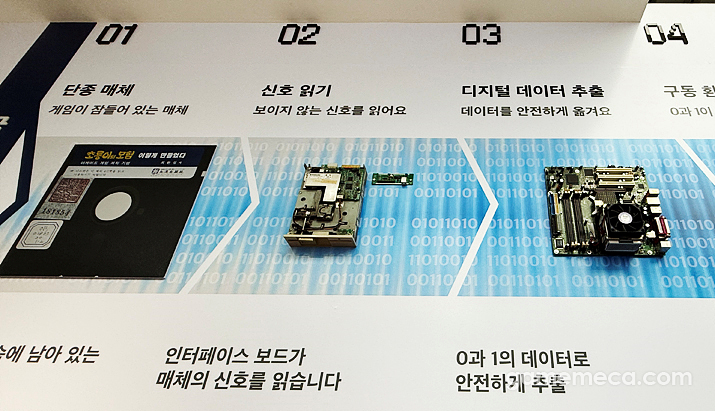
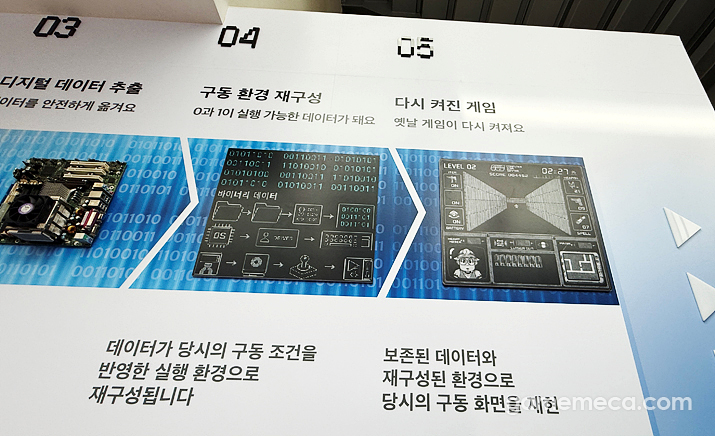
Q: Another aspect we must consider is preserving player experiences, as mentioned earlier. What are your thoughts on things like 'oral history recording' for this purpose?
Kim Jung-ah, Head of Exhibition Team: Oral history is widely utilised in performing arts and intangible heritage research, and we reckon it's just as crucial for online game preservation. System data alone simply cannot capture in-game interactions and social relationships. One of the most direct ways to log who played with whom and what kind of culture blossomed in a specific server or guild is through people's memories and spoken words. And the subjects shouldn't be limited to developers alone; operators, guild masters, community admins, and veterans who played a single game for years—everyone who holds a different piece of history from their respective vantage point—can be a subject.Oral history isn't just a matter of sitting down for a chat and hitting record. It requires a proper methodology covering subject selection, question design, transcription, data verification, consent procedures, and public release boundaries. Because human memories can differ, you've got to cross-reference contemporary documents and data to verify factual accuracy. Conversely, the very fact that people remember the exact same event differently serves as an important record showing how the game and community were experienced.Nexon Museum has also experimented with capturing user memories on a smaller scale linked to our exhibitions. We had the 'Computer of My Life' project, which looked back at key milestones in IT history through the personal computer experiences of prominent figures, and in our recent renewal exhibition 'The Kingdom of the Winds: Continuing Winds', we aren't just displaying major updates and events—we're actively stacking up user stories and memories. While the methodology differs from a strict oral archive, it shares the same spirit of leaving behind game history alongside the voices of those who lived it.
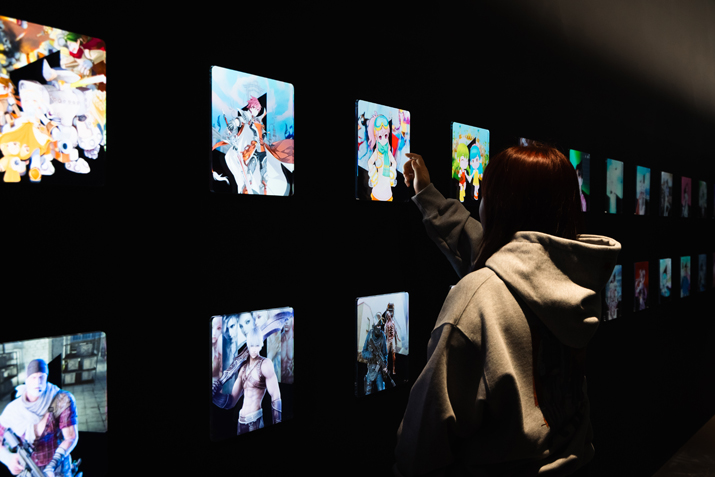
Q: We found 'Hello, My OOO', one of the exhibition programs at Nexon Museum, quite unique from the perspective of recording player data. What was the intention behind designing it?
Kim Jung-ah, Head of Exhibition Team: Museum exhibitions are traditionally structured so that curators dictate the narrative and materials for visitors to passively look at. But games are a medium that completely falls apart unless players participate. Nexon Museum's exhibitions started from the idea that our displays should likewise only be completed through visitor participation. Besides, you can't simply sum up the games Nexon has serviced under one neat umbrella. Over 30 years as South Korea's first online game company, the titles we've put out have spanned generations—from kids to adults who are now parents themselves—leaving behind entirely distinct memories depending on who you ask.So, rather than presenting a single linear chronology saying 'this is the history of Nexon', we wanted to show how visitors' personal records piling up collectively forms Nexon's history. For instance, in 'Shared Chronicle', individual play histories overlap with the timeline of Nexon games. The company's history and personal timelines sit side by side, meaning even the exact same chronology transforms into a completely different map of memories for different people. It stops being a mere record of 'when a game launched and updated' and becomes a cue reminding people of the days they spent enjoying those titles.For someone who has never touched a Nexon game, it might just look like a corporate development timeline. But for someone who spent five, ten, or even more years alongside a single game, it hits completely differently. That is precisely the sweet spot we're aiming for. The museum doesn't dictate the history of games on behalf of the players; rather, it acts as a space where players discover their own memories, which in turn reconstruct the history of gaming.
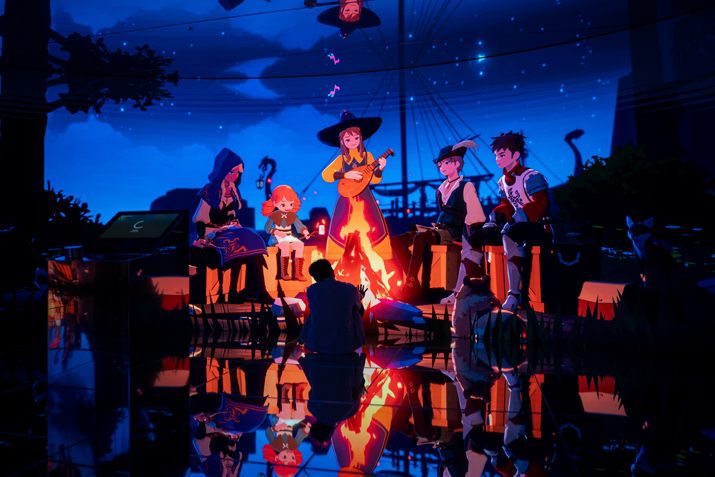
Q: Collecting user chat logs, character progression data, and guild activities could potentially clash with personal information protection laws. What kind of thoughts are you putting into anonymising and archiving this data?
Director Park Doo-san: User data lingering on servers—like chat logs, guild activities, and character progression stats—can indeed be invaluable material for understanding online game culture. However, because these logs encompass relationships, conversations, and behavioral histories involving other users beyond just an individual, simply slapping a mask over a nickname isn't enough to call it anonymised. What looks like a single person's record is often information co-created by multiple users, and the context itself risks identifying individuals or infringing upon the rights of others.That's why we haven't advanced to the stage of archiving or exhibiting complex data like chats and guild activities just yet. Whenever we design an exhibition, we review the scope and methods of data usage alongside our internal data protection department. We must continue pondering what data we can preserve and utilise, and to what extent, over the long term. This is an area we must approach step-by-step, prioritising user rights and personal information protection alongside the cultural value of archiving.
Q: We'd love to get your comprehensive thoughts on setting up user donation channels, archiving fan creation culture, recording the history of live services, and building online platforms in the form of virtual museums.
Director Park Doo-san: Internal developer materials alone are simply not enough to capture the social relationships forged by online games. The longer a game runs, the more vital user-generated materials—like screenshots, guild logs, fan cafe posts, strategy guides, and fan art—become for understanding its history and culture. Long-term, we need an online channel where users can directly donate or tip us off with these materials. For an archive to truly mean something, it's not enough just to receive files; you've got to log who made them, when, under what context, and what agreements were made regarding their public release and usage.The so-called 'history of live services'—developer notes, major announcements, update logs, and in-game events—is equally important in the same vein. Since cramming every scrap of data from games running for decades into an offline exhibition is impossible, an online archive where materials are databased and interconnected serves as a proper solution. If dev and ops records, user memories, and derivative creations are linked on the same timeline, you get a holistic view of how a game changed and how those changes were received by its players.
We can also envision distinct roles for physical museums and online archives. While an offline exhibition picks out and interprets major scenes from a massive pool of materials, an online space can broadly accumulate and provide access to the background records. Ultimately, it has the potential to evolve into a platform where researchers and the general public can access both museum-held assets and user-contributed records simultaneously.Naturally, the more open a platform is, the more headaches you have to deal with. We've got to guard against 'vandalism', where misinformation is repeatedly posted or records are maliciously defaced, meaning source verification and authenticity checks are an absolute must. Copyrights, privacy, and the rights of fan creators are also critical issues. A representation problem can also pop up if records from a specific user or guild accumulate disproportionately, making them look as though they represent the history of the game as a whole. We also need to figure out how to showcase conflicting memories when different people remember the exact same event differently.Therefore, rather than letting anyone edit things on the fly, we need a structured approach where users can submit tips or donate materials, but those records are only incorporated after source verification, rights checks, and a proper review process.Building an online archive platform is a challenge we've been mulling over for years. It's not a one-and-done development deal; it requires continuous upkeep ranging from sorting and linking materials, verifying rights, reviewing user submissions, fixing misinformation, to maintaining the system. It demands considerable human and material resources for development and ops, alongside clear management guidelines for handling sensitive issues. Thus, we're examining this from a long-term perspective, including operating principles on what materials to collect, who verifies them, and how far public access should extend.
Q: Are you planning any exhibitions that bring back 'preserved Nexon online games' from the museum's collection?
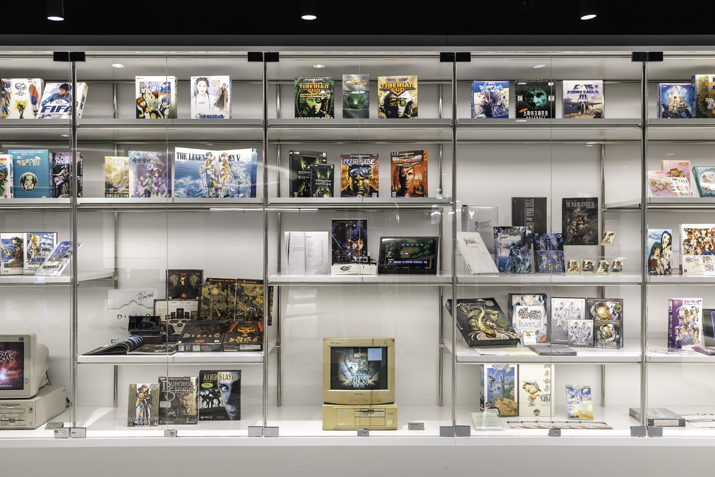
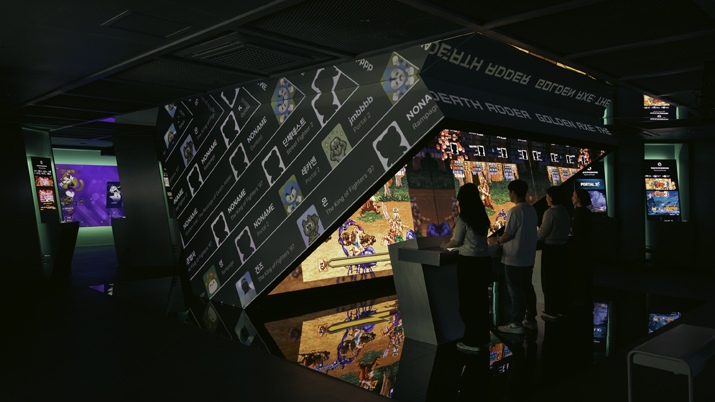
Kim Jung-ah, Head of Exhibition Team: They're already partially integrated into our exhibition content. On the second floor, you'll find The Kingdom of the Winds 1996, and terminated games have a presence on the third floor as well. Prior to our renovation, we ran an exhibition called 'Nepository' focused on unreleased and discontinued titles. Moving forward, we'd love to expand upon the direction of Nepository within the museum.We definitely want to keep staging exhibitions where people can run into terminated games again. That said, we don't believe it always has to take the form of directly experiencing past versions like The Kingdom of the Winds 1996. For some games, reviving the actual play environment is spot on, while others might be better recalled through contemporary screens, music, user logs, community memories, or dev docs.The crucial bit isn't just mindlessly rebooting a dead game, but creating a way for players who spent time with that title to encounter their treasured records and memories once more. Since the most appropriate format varies from game to game, we're actively brainstorming multiple approaches.
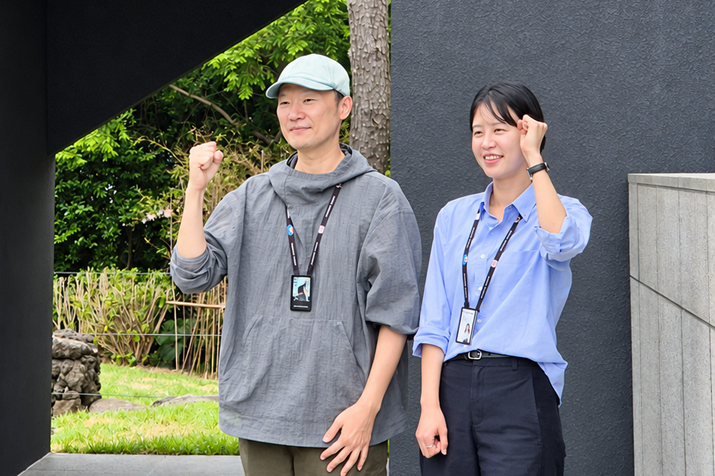
Q: Provided copyright and other permissions can be sorted out, are you also considering exhibiting classic online games from other publishers?
Director Park Doo-san: Nexon Museum—and its predecessor, Nexon Computer Museum—was never meant to be a space exclusively dedicated to Nexon games since opening day. Both before and after the renovation, our first and second-floor exhibitions tackle broader gaming history and culture rather than being confined to a single company's corporate history. In that sense, if copyright and legal hurdles are cleared, we'd be more than happy to consider classic online games from other publishers for exhibition.The biggest practical roadblock is rights management. In many cases, you have to negotiate individual copyrights with various publishers, and with older games, tracking down the current rights holder is often tough because the original developer has gone bust or rights have changed hands multiple times. You can also run into complex webs where music, imagery, characters, and the game code itself are all tied up under separate rights.Above all else, other companies might not view having their games displayed inside 'Nexon Museum' in a positive light. Proper discussions regarding rights holders' intentions and the exhibition's core philosophy are a must.
Q: There are still folks out there who view games purely as entertainment. What do you reckon is the museum's role in convincing society and the public why online game preservation matters as Korean cultural heritage?
Kim Jung-ah, Head of Exhibition Team: I reckon we're well past the stage where we need to prove whether games are culture. Legally speaking, games are a domain of culture and arts, and today they are naturally enjoyed within the everyday lives of countless people.From that standpoint, preserving online games is about recording the unique culture built by South Korean society. Korean online games vividly illustrate how people met and formed relationships through technology back in the 1990s. The experience of gathering at PC bangs, making lifelong guild mates with strangers met online, and developing native slang and play styles inside games—these are online gaming traditions that evolved with particular intensity right here in Korea. Preserving games means capturing the experiences and relationships of those eras.The museum's role isn't to awkwardly lecture people or preach; it's to let visitors see and experience things firsthand so they naturally get it. A hundred explanations saying games are culture won't hold a candle to the sight of a parent and child playing a game side by side in front of the same screen.On the museum's second floor in front of the PC boxed games, you'll often spot a dad explaining the games he used to play to his kid, while on the third floor, the dynamic flips as the child tells the parents all about their favourite titles and experiences. Creating those moments where different generations talk about their respective games and pass memories back and forth is the most natural way a museum can share the cultural value of gaming with society.
Q: How would you like Nexon Museum to be remembered as an institution within the field of 'game preservation'?
Director Park Doo-san: Rather than some grandiose goal, I'd love for us to remain a helpful reference point whenever people ask how online games ought to be preserved. Nexon Museum has operated as a Class 1 professional museum ever since opening its doors as Nexon Computer Museum back in 2013. Even though we were built by a corporation, we anchored ourselves to the core museum duties of collection, preservation, research, and exhibition, and with our fresh start as Nexon Museum this year, we aim to pour that experience even deeper into game preservation.When it comes to preserving package and console games, brilliant overseas institutions and research have already built up a massive repository. On the flip side, figuring out how to log online games—with their distinct live-service nature—encompassing not just technical runtime environments, but also the experiences and cultures of the people who played them, is still largely uncharted territory.South Korea is one of the nations that has operated online games the longest and accumulated a uniquely rich user culture and social fabric within them. If that's the case, the methodology on how to record, preserve, and showcase such games can be forged right here as well. If Nexon Museum can serve as a solid reference point along that journey, that'd be meaningful enough for us.On a slightly more personal note, I hope Nexon Museum becomes a place where people can rediscover memories scattered across the network. A spot where you can recall games you'd forgotten about for ages, the folks you played with back then, and those fleeting moments of gameplay—or stumble upon the hidden meaning and emotional resonance you might have missed at the time. Ultimately, I reckon 'preserving games' isn't just about saving the software itself; it's about making it possible to meet the time people spent together through those games once again.
Adieu, mate.
‘고전 게임 보존’이 화두로 떠올랐다. 소니의 플레이스테이션 디스크 생산 중지 결정, 미국과 유럽에서 번진 ‘스팀 킬링 게임즈’ 운동 등으로 패키지게임 보존에 대한 공감대가 형성됐다. 지난 7월에는 국립중앙도서관에서 단종된 게임과 미발매 게임을 소개하는 ‘단종 한국 게임, 다시 켜다’ 전시회가 열리며 이목이 집중된 바 있다.
올해 ‘플레이어가 만든 게임 문화’를 조명하며 리브랜딩한 넥슨뮤지엄은 온라인게임 보존에 대해 고민하고 있다. 게임을 기술적으로 보존하는 것과 함께 개발자와 함께 유저들의 플레이 데이터와 추억을 어떻게 수집하여 보존할 것인가도 반드시 고려해야 한다는 것이 뮤지엄의 입장이다. 지금도 넥슨뮤지엄은 관련 전시를 선보이는 중이며, 향후 과제도 염두에 두고 있다. 좀 더 구체적인 이야기를 넥슨뮤지엄 박두산 관장과 김정아 전시팀장과의 인터뷰를 통해 들어봤다.
Q: 넥슨뮤지엄으로 개편하며 게임 문화를 기록하는 아카이브 플랫폼을 지향하고 있다. 다른 국가에 없는 국내 온라인게임 보존을 위해 뮤지엄 차원에서 추진 중이거나 고민하고 있는 부분은?
박두산 관장: 온라인게임은 아케이드나 PC 패키지게임처럼 완성된 물리적 객체를 그대로 수집해 보존하기 어렵다. 클라이언트 파일뿐만 아니라 서버와 운영 환경, 업데이트 이력 등까지도 아카이브 대상이 된다. 플레이 과정에서 형성된 길드나 서버 문화, 공략법, 커뮤니티의 기억도 온라인게임을 구성하는 중요한 경험의 일부다.현실적으로 할 수 있는 일부터 추진하고 있다. 첫 번째는 서비스가 종료된 게임이나 개발이 중단된 게임도 전시와 연구 대상에 적극 포함하는 것이다. 지금 서비스되고 있지 않더라도 그 게임을 만들고 즐겼던 경험은 오늘의 게임 문화를 만든 중요한 자산이다.두 번째는 서비스 중인 게임의 ‘현재’를 기록하는 방식을 고민하고 있다. 클라이언트나 아트 리소스뿐 아니라 패치 노트, 플레이 영상, 유저 공략과 커뮤니티 활동, 길드와 서버 단위 문화까지 어떤 방식으로 수집하고 남길 수 있을지 검토 중이다. 이런 자료는 서비스가 유지되고 있을 때 기록하지 않으면 이후에 다시 얻기 어렵다.세 번째는 이렇게 쌓인 기록을 전시와 연구를 통해 다시 경험할 수 있도록 만드는 것이다. 전시 콘텐츠로 적극 활용하고, 장기적으로는 넥슨 계정 연동을 고도화해 플레이어가 어떤 게임을 언제부터 어떻게 즐겨 왔는지 개인의 플레이 역사를 전시 안에서 보여주는 방식도 검토하고 있다.해외에도 게임 보존을 전문적으로 다루는 기관이 있지만 수십 년간 장기 서비스된 온라인게임의 경험을 어떤 단위로 수집하고 보존할 것인지에 대해서는 아직 정립된 하나의 답이 있다고 보기 어렵다. 한국은 온라인게임을 오랜 기간 서비스하고 이용해 온 경험이 매우 두터운 만큼, 국내에서 보존 방법을 직접 만들어야 하는 영역이라고 생각한다.
Q: 넥슨뮤지엄 입장에서 온라인게임 보존을 위해 진정으로 필요하다고 생각되는 부분은 무엇인가?
박두산 관장: 서비스 중일 때부터 무엇을 어떻게 남길지 기준을 만들고 지속적으로 기록하는 체계다. ‘바람의나라 1996’ 프로젝트를 통해 바람의나라 초기 버전을 복원할 때도 자료가 충분히 남아 있지 않았고, 남아 있는 자료도 구동이 어렵거나 버전이 다른 경우가 많았다. 온라인게임은 클라이언트 파일만으로 당시 상태를 그대로 재현할 수 있는 것이 아니라 여러 요소가 특정 시점에 맞물려 있어야 하기 때문에 기록이 부족하면 시간이 지난 뒤 복원 난도가 급격히 높아진다. 개발, 운영뿐 아니라 가능하다면 그 시기의 플레이 방식과 이용자 문화도 함께 기록해야 한다.장기간 서비스 중인 게임의 모든 시점을 같은 밀도로 보존하는 것도 현실적이지 않다. 20년, 30년 동안 서비스된 게임이라면 수많은 업데이트와 변화가 축적되기 때문에 결국 어떤 시점을 중요한 변곡점으로 볼 것인지에 대한 판단이 필요이다. 그 기준은 단순히 개발사 입장에서 중요한 업데이트만이 아니라 플레이어가 강하게 기억하는 사건이나 플레이 방식의 변화, 서버와 커뮤니티 문화가 형성된 시점까지 함께 고려해야 한다고 생각한다.그래서 온라인게임 아카이브는 ‘무엇을 왜 남길 것인지’에 대한 기준과 공감을 만드는 일에 가깝다. 어떤 버전을 남길 것인지, 어떤 업데이트와 사건을 기록할 것인지, 당시 어떤 환경에서 게임이 작동했는지, 어떠한 플레이 경험과 문화가 있었는지를 서비스 중일 때부터 축적해 둬야 한다.
Q: 기술적으로는 ‘1.0 버전’이라 할 수 있는 원본 클라이언트를 어떻게 보존 및 전시할 수 있느냐가 핵심일 것이다. 넥슨 자체적으로 온라인게임 원본 보존에 어떠한 노력을 기울이고 있나?
박두산 관장: 바람의나라 1996 프로젝트를 진행하면서 가장 크게 느낀 점 중 하나는 파일을 넘어 게임이 실행될 수 있는 구동 환경까지 함께 보존하는 것이 중요하다는 것이었다. 이 과정에서 얻은 문제 의식을 NDC 등을 통해 공유했고, 이후 각 개발팀에서도 제작 과정에서 만들어지는 빌드나 패치 버전, 주요 리소스를 가능한 한 남겨 두려는 인식이 많이 높아졌다. 실제로 여러 개발팀에서 게임 특성과 개발, 운영 환경에 맞춰 버전이나 패치 단위로 자료를 축적하고 있다.다만 온라인게임은 게임마다 기술 구조와 서비스 방식이 다르기 때문에 모든 게임에 동일한 방식을 적용하기 어렵다. 일률적인 형식을 강제하기보다 각 개발팀이 실제 운영 과정에서 지속할 수 있는 방식으로 기록을 남기는 것이 우선 중요하다. 뮤지엄에서도 이런 자료가 장기적으로 어떻게 보존되고, 이후 전시나 연구에 활용될 수 있을지 개발•운영 조직과 지속적으로 논의하고 있다.온라인게임에서 ‘원본’을 무엇으로 볼 것인가도 단순하지 않다. 최초 버전은 분명 중요한 기준점이지만, 오랜 기간 서비스되며 크게 변화한 게임이라면 중요한 업데이트나 전환점 역시 그 게임의 역사를 이해하는 핵심이 될 수 있다. 1.0 버전을 남기는 데 그치지 않고, 게임이 변화해 온 중요 시점을 어떤 기준으로 기록하고 이어갈 것이냐를 고민해야 한다.
Q: 온라인게임은 단종된 서버 OS, 소실된 데이터베이스 엔진, 구형 네트워크 프로토콜 등 기술적 환경에 크게 의존한다. 뮤지엄 차원에서 겪는 기술적 한계가 있다면?
박두산 관장: 온라인게임의 기술 보존 난이도는 클라이언트나 서버 프로그램이 남아 있는지 여부로 결정되지 않는다. 당시 사용한 운영체제, 데이터베이스, 미들웨어, 네트워크 설정, 빌드 도구, 인증 체계처럼 서로 연결된 실행 환경의 주요 요소가 호환되는 형태로 재현되어야 실제 구동이 가능하다. 핵심 요소가 빠지면 대체 구현이나 역설계에 가까운 작업이 필요해질 수 있다.가상화와 에뮬레이션은 이런 문제를 상당 부분 완화해주지만 만능은 아니다. 가상화를 통해 오래된 운영체제 환경을 재현하거나 에뮬레이션을 통해 과거 하드웨어 환경을 모사할 수 있지만, 특정 하드웨어 드라이버, 독점 미들웨어, 구형 데이터베이스 소프트웨어 등 별도의 의존성이 남을 수 있다. 인증 서버, 패치 서버, DNS, 보안 인증서, 외부 결제•로그인 시스템처럼 지금은 존재하지 않는 외부 의존성이 있으면 대체 구현이 필요하기도 하다.또 다른 문제는 버전 정합성이다. 서버, 클라이언트, 리소스, 데이터베이스 구조가 같은 시점의 조합으로 맞아야 하는데 온라인게임은 패치가 잦아 서로 다른 시기의 파일이 섞여서 남은 경우가 많다. 이 경우 어느 조합이 실제 서비스 상태였는지를 다시 검증해야 하고, 소스코드가 남아 있더라도 당시의 빌드 도구와 환경을 확보하지 못하면 재현 가능성이 크게 떨어질 수 있다. 가상화 환경 자체도 영구적인 보존 수단은 아니다. 현재의 하이퍼바이저나 에뮬레이터도 시간이 지나면 새로운 운영체제와 하드웨어에서 다시 호환성 문제가 생긴다.그래서 기술적으로는 한 번 구동에 성공하는 것보다 가상머신, 디스크 이미지, 설정값, 의존하는 소프트웨어의 버전, 네트워크 구성, 데이터베이스 구조, 빌드 절차 등을 함께 문서화하고 주기적으로 구동 여부를 재검증하는 체계가 더 중요하다. 온라인게임 기술 보존은 특정 프로그램을 저장하는 작업이라기보다 하나의 실행 환경을 장기적으로 유지하는 것에 가깝다.
Q: 또 하나 생각해봐야 할 부분이 앞서 이야기한 유저들의 경험 보존이다. 이를 위한 ‘구술채록’ 등에 대해서는 어떻게 생각하는가?
김정아 전시팀장: 구술채록은 무대예술이나 무형유산 기록·연구에서도 널리 활용해왔고, 온라인게임 보존에서도 중요하다고 생각한다. 게임 내 상호작용이나 사회적 관계는 시스템 데이터만으로 온전히 남기기 어려운 부분이 많다. 누가 누구와 어떻게 플레이했고, 특정 서버나 길드에서 어떤 문화가 형성됐는지를 가장 직접적으로 기록할 수 있는 방법 중 하나는 사람의 기억과 말이다. 대상도 개발자에 한정되지 않는다. 운영자, 길드장, 커뮤니티 운영진, 오랫동안 한 게임을 플레이한 이용자 등 각자의 위치에서 서로 다른 역사를 기억하고 있는 사람이 모두 주체가 될 수 있다.구술채록은 단순히 이야기를 듣고 녹음하는 것으로 끝나는 작업이 아니다. 구술자 선정, 질문 설계, 녹취와 전사, 자료의 검증, 동의 절차와 공개 범위까지 일정한 방법론이 요구된다. 사람의 기억은 서로 다를 수 있기 때문에 사실관계 확인에서는 당시의 문서나 데이터도 함께 살펴봐야 한다. 반대로 같은 사건을 서로 다르게 기억한다는 사실 자체도 그 게임과 공동체가 사람들에게 어떻게 경험되었는지를 보여주는 중요한 기록이 될 수 있다.넥슨뮤지엄도 전시와 연결된 작은 단위부터 이용자 기억을 기록하는 시도를 해왔다. 사회 각계 인사의 컴퓨터와 관련된 개인적인 경험을 통해 IT 역사의 주요한 지점을 돌아보는 ‘내 인생의 컴퓨터’ 프로젝트가 있었고, 이번 리뉴얼 전시 중 ‘바람의나라: 이어지는 바람’에서는 주요 업데이트나 사건을 보여주는 데 그치지 않고, 이용자 사연과 기억을 함께 쌓아가고 있다. 엄밀한 의미의 구술 아카이브와는 방식이 다르지만, 게임의 역사를 그것을 경험한 사람들의 목소리와 함께 남기려는 시도라는 점에서는 같은 방향을 향하고 있다.
Q: 넥슨뮤지엄 전시 프로그램 중 하나인 ‘안녕, 나의 ㅇㅇㅇ’가 플레이 데이터 기록 측면에서 특이하다고 생각했다. 프로그램을 기획한 의도가 무엇인가?
김정아 전시팀장: 일반적으로 박물관 전시는 기획자가 정해 놓은 이야기와 자료를 관람객이 바라보는 구조가 많다. 하지만 게임은 플레이어가 참여하지 않으면 성립하지 않는 매체다. 넥슨뮤지엄 전시 역시 게임처럼 관람객 참여를 통해 비로소 완성되면 좋겠다는 생각에서 출발했다. 게다가 넥슨이 서비스해 온 게임들을 하나의 관점으로 정의하기는 어렵다. 대한민국의 첫 번째 온라인게임 회사가 30년이 넘는 시간 동안 선보인 게임은 어린아이부터 누군가의 부모가 된 이들까지, 세대를 관통하며 서로 다른 관점으로 기억된다.그래서 ‘이것이 넥슨의 역사입니다’라고 하나의 연대기를 제시하기보다, 관람객의 기록이 모여 넥슨의 역사가 되는 모습을 보여주고 싶었다. 예를 들어 ‘Shared Chronicle’에서는 넥슨 게임 연대기 위에 개인의 플레이 역사가 겹쳐진다. 회사의 역사와 개인의 시간이 나란히 놓이고, 동일한 연대기라도 누군가에게는 전혀 다른 기억의 지도가 된다. 하나의 게임이 ‘언제 출시되고 업데이트됐는가’의 기록을 넘어 자신이 그 게임을 즐기던 시절을 떠올리게 하는 기억의 단서가 되는 것이다.넥슨 게임을 플레이해 본 경험이 없는 분에게는 넥슨의 개발 연대기로 보일 수 있다. 하지만 5년, 10년, 때로는 그보다 더 긴 시간을 한 게임과 함께한 분에게는 전혀 다른 의미로 다가갈 수 있다. 저희가 기대하는 것도 바로 그 지점이다. 박물관이 게임의 역사를 대신 정의하는 것이 아니라, 플레이어가 자신의 기억을 발견하고 그 기억이 다시 게임의 역사를 재구성하는 공간이 되는 것이다.
Q: 유저 채팅 기록, 캐릭터 성장 내역, 길드 활동 등을 모으는 것은 개인정보보호법과 충돌할 여지도 있다. 비식별화 처리를 거쳐 아카이브화하는 방안에 대해 어떤 고민을 하고 있는가?
박두산 관장: 채팅 기록, 길드 활동, 캐릭터 성장 내역처럼 서버에 남아 있는 이용자 데이터는 온라인게임 문화를 이해하는 데 중요한 자료가 될 수 있다. 다만 개인을 넘어 다른 이용자와의 관계, 대화, 행동 이력까지 포함하고 있기 때문에 단순히 닉네임을 가리는 정도의 비식별화만으로 충분하다고 보기 어렵다. 한 사람의 기록처럼 보여도 실제로는 여러 이용자가 함께 만들어 낸 정보일 수 있고, 맥락 자체가 개인을 식별하거나 다른 이용자의 권리와 연결될 우려도 있다.그래서 채팅, 길드 활동과 같은 보다 복합적인 데이터까지 아카이브하거나 전시에 활용하는 단계로는 아직 나아가지 않고 있다. 전시를 설계할 때도 사내 개인정보보호 관련 부서와 함께 활용 범위와 방식을 검토한다. 장기적으로는 어떤 데이터를 어느 수준까지 보존하고 활용할 수 있을지 계속 고민해야 한다. 이 문제는 기록의 문화적 가치만이 아니라, 이용자의 권리와 개인정보 보호를 우선하면서 단계적으로 접근해야 할 영역이다.
Q: 유저 기증 창구 마련, 2차 창작 문화 아카이브, 라이브 서비스 역사 기록, 가상 박물관 형태의 온라인 플랫폼 구축 등에 대해 종합적인 의견을 듣고 싶다.
박두산 관장: 온라인게임이 만드는 사회적 관계를 기록하는 데엔 개발사 내부 자료만으로는 부족하다. 오랫동안 서비스된 게임일수록 유저가 직접 만든 자료(스크린샷, 길드 기록, 팬카페 게시글, 공략, 팬아트 등 2차 창작물)가 게임의 역사와 문화를 이해하는 중요한 자료가 된다. 장기적으로는 이런 자료를 유저가 직접 기증하거나 제보할 수 있는 온라인 창구가 필요하다. 단순히 파일을 받는 데서 끝나는 것이 아니라 누가, 언제, 어떤 맥락에서 만든 자료인지, 공개와 활용에 어떤 동의가 이루어졌는지를 함께 기록해야 실제 아카이브로서 의미가 생긴다.개발자 노트, 주요 공지, 업데이트 기록, 게임 내 사건 등 이른바 ‘라이브 서비스의 역사’도 같은 맥락에서 중요하다. 수십 년간 서비스된 게임의 모든 자료를 오프라인 전시에 담는 것은 어렵기 때문에 온라인 아카이브를 통해 자료를 데이터베이스화하고 서로 연결하는 방식이 해법이 될 수 있다. 개발·운영 기록, 이용자의 기억, 2차 창작물이 같은 시간축 위에서 연결된다면 하나의 게임이 어떻게 변화했고, 그 변화가 이용자에게 어떻게 받아들여졌는지를 함께 볼 수 있을 것이다.
물리적인 박물관과 온라인 아카이브의 역할도 다르게 생각할 수 있다. 오프라인 전시가 방대한 자료 중 중요한 장면을 선택하고 해석해 보여준다면, 온라인은 그 배경에 있는 기록을 폭넓게 축적하고 접근할 수 있는 공간이 될 수 있다. 궁극적으로는 박물관이 가진 자료와 이용자가 지닌 기록까지 연결해 연구자와 일반 이용자가 함께 접근할 수 있는 플랫폼으로 발전할 가능성이 있다.플랫폼이 개방적일수록 해결해야 할 문제도 많다. 잘못된 정보가 반복적으로 등록되거나 의도적으로 기록을 훼손하는 ‘반달리즘’을 경계해야 하며, 자료 출처와 진위 확인이 뒷받침되어야 한다. 저작권, 개인정보, 2차 창작자 권리도 중요하다. 특정 이용자나 길드의 기록이 지나치게 많이 축적되어 그것이 마치 게임 전체의 역사인 것처럼 보이는 대표성의 문제도 생길 수 있다. 같은 사건에 대해 서로 다른 기억이 존재할 때 이를 어떤 방식으로 함께 보여줄 것인지도 고민해야 한다.따라서 누구나 자유롭게 수정하는 방식보다는 이용자가 자료를 제보하거나 기증할 수 있도록 열어두되, 출처와 권리를 확인하고 일정한 검토 과정을 거쳐 기록으로 편입하는 구조가 요구된다.온라인 아카이브 플랫폼 구축은 몇 년 전부터 고민해 온 과제다. 한 번 개발하고 끝나는 것이 아니라 자료를 정리하고 연결하는 작업부터 권리 확인, 이용자 제보 검토, 잘못된 정보 수정, 시스템 유지·보수까지 지속적인 관리가 필요하다. 개발과 운영에 필요한 인적•물적 비용이 적지 않고, 민감한 이슈를 다룰 관리 기준도 마련해야 한다. 그래서 어떤 자료를 어떻게 모으고, 누가 검증하며, 어디까지 공개할 것인지에 대한 운영 원칙까지 포함해 장기적인 관점에서 검토하고 있다.
Q: 넥슨뮤지엄이 보유한 ‘보존된 넥슨 온라인게임’을 다시 선보이는 전시를 기획 중인지 궁금하다.
김정아 전시팀장: 이미 일부 전시 콘텐츠로 포함되어 있다. 2층에는 바람의나라 1996이 있고, 3층 전시에도 서비스가 종료된 게임이 존재한다. 리뉴얼 전에는 출시되지 못한 게임과 서비스가 종료된 게임을 주제로 한 전시 ‘네포지토리’를 진행했다. 향후에는 뮤지엄 안에서 네포지토리의 방향을 좀 더 확장해 보고 싶다.앞으로도 서비스가 종료된 게임을 다시 만날 수 있는 전시를 계속 만들고 싶다. 다만 그것이 반드시 바람의나라 1996처럼 과거 버전을 직접 체험하는 방식이어야 한다고 생각하지는 않는다. 어떤 게임은 실제 플레이 환경을 복원하는 것이 적절할 수 있지만, 또 다른 게임은 당시 화면이나 음악, 이용자 기록, 커뮤니티의 기억, 개발 자료 등을 통해 더 잘 떠올릴 수도 있다.중요한 것은 종료된 게임을 단순히 다시 실행시키는 것이 아니라 그 게임과 시간을 함께 보낸 이용자가 자신의 소중한 기록과 추억을 다시 마주할 방법을 만드는 것이다. 어떤 형태가 가장 적절한지는 게임마다 다를 수 있기에 여러 방식을 계속 고민 중이다.
Q: 저작권 등이 협의가 된다면 다른 게임사의 고전 온라인게임을 전시하는 것도 고려하고 있는가?
박두산 관장: 넥슨뮤지엄, 그리고 이전의 넥슨컴퓨터박물관은 개관 때부터 넥슨 게임만을 다루는 공간은 아니었다. 리뉴얼 이전은 물론 현재 1, 2층 전시도 특정 회사의 역사에 한정하기보다 전반적인 게임의 역사와 문화를 함께 다루고 있다. 그런 의미에서 저작권을 비롯한 권리 문제가 해결된다면 다른 게임사의 고전 온라인게임 역시 충분히 전시 대상으로 검토할 수 있다.가장 큰 현실적인 관건은 권리 문제다. 다양한 게임사와 개별적으로 저작권을 협의해야 하는 경우도 있고, 오래된 게임 중에는 개발사가 이미 사라졌거나 권리가 여러 차례 양도되어 현재 권리자를 확인하는 것부터 어려운 사례도 있다. 게임 자체뿐 아니라 음악, 이미지, 캐릭터 등 여러 권리가 복합적으로 얽혀 있는 경우도 있을 수 있다.무엇보다 다른 회사 입장에서 자사 게임이 ‘넥슨뮤지엄’에서 전시되는 것을 긍정적으로 받아들이지 않을 수도 있다. 권리자의 의사와 전시 취지 등에 있어서 충분한 협의가 필요하다.
Q: 여전히 게임을 단순한 엔터테인먼트로 보는 시각이 존재한다. 온라인게임 보존이 한국 문화유산으로서 왜 중요한지 사회와 대중을 설득하는 박물관의 역할은 무엇이라고 생각하나?
김정아 전시팀장: 게임이 문화인가를 처음부터 증명해야 하는 단계는 지났다고 생각한다. 게임은 법적으로 문화예술의 한 영역이며, 오늘날 수많은 사람의 일상 속에서 자연스럽게 향유되고 있다.그런 관점에서 온라인게임을 보존하는 것은 한국 사회가 만들어 온 독특한 문화를 기록하는 일이다. 한국의 온라인게임은 1990년대 후 사람들이 기술을 통해 만나고 관계를 맺어 온 방식을 잘 보여준다. PC방에 모여 게임을 했던 경험, 온라인에서 처음 만난 사람과 길드를 만들고 오랜 시간을 함께 보낸 경험, 게임 안에서 생겨난 언어와 놀이 방식 등은 한국에서 특히 밀도 높게 발전해 온 온라인게임 문화다. 게임을 보존한다는 것은 이런 시대의 경험과 관계까지 기록하는 일이다.박물관의 역할은 그것을 어렵게 설명하고 설득하기보다, 사람들이 직접 보고 경험하면서 자연스럽게 이해할 수 있도록 만드는 것이다. 게임이 문화라고 백 번 설명하는 것보다 부모와 아이가 한 기기 앞에서 함께 게임을 하는 장면이 더 많은 것을 보여줄 수 있다.뮤지엄 2층의 PC 패키지 게임 앞에서는 아빠가 아이에게 자신이 즐겼던 게임을 설명하고, 3층에서는 반대로 아이가 부모에게 자신이 좋아하는 게임과 경험에 대해 이야기하는 장면을 보곤 한다. 서로 다른 세대가 각자의 게임을 이야기하고, 그 기억을 주고받는 장면을 만드는 것이 박물관이 게임의 문화적 가치를 사회와 나누는 가장 자연스러운 방법이다.
Q: 넥슨뮤지엄이 '게임 보존' 분야에서 어떤 위치를 차지하는 기관으로 기억되기를 바라나?
박두산 관장: 거창한 목표보다는 온라인게임을 어떻게 보존할 것인가를 물을 때 참고하는 사례로 남으면 좋겠다. 넥슨뮤지엄은 2013년 넥슨컴퓨터박물관으로 문을 열 때부터 제1종 전문박물관으로 등록해 운영했다. 기업이 만들었지만 수집, 보존, 연구, 전시라는 박물관 본연의 역할을 기준으로 삼았고, 올해 넥슨뮤지엄으로 새롭게 출발하면서 그 경험을 게임 보존에 더 집중하려 한다.패키지와 콘솔 게임 보존에는 이미 해외의 훌륭한 기관과 연구가 많이 축적되어 있다. 반면 라이브 서비스라는 특성을 가진 온라인게임을 기술적인 실행 환경뿐 아니라 그것을 플레이한 사람들의 경험과 문화까지 함께 기록하는 방법은 아직 충분히 정립되어 있다고 보기 어렵다.한국은 온라인게임을 오랫동안 서비스하고 그 안에서 독특한 이용자 문화와 관계를 축적해 온 나라 중 하나다. 그렇다면 이런 게임을 어떤 기준으로 기록하고, 어떤 방식으로 보존하며, 다시 어떻게 보여줄 것인가에 대한 방법론 역시 이곳에서 만들어질 수 있다. 넥슨뮤지엄이 그 과정에서 참고할 만한 사례가 될 수 있다면 충분히 의미 있을 것 같다.조금 더 개인적으로는 넥슨뮤지엄이 네트워크 어딘가에 흩어져 있던 기억을 다시 발견하는 장소가 되었으면 좋겠다. 오랫동안 잊고 지냈던 게임과 그때 함께했던 사람들, 플레이했던 순간을 떠올리거나 당시에는 미처 알아차리지 못했던 게임의 의미와 감동을 다시 만날 수 있는 곳이 되었으면 한다. 결국 ‘게임을 보존한다’는 것은 게임 자체만이 아니라, 그 게임과 함께했던 사람들의 시간을 다시 만날 수 있게 하는 일이라고 생각한다.
This news was translated by AI.

Let's not lose our initial resolve. Meticulously, one by one. risell@gamemeca.com
READ MORE
-
 New First-Person Soulslike Title 'Valor Mortis' Receives 'Mostly Positive' Reviews
-
 Return of original chubby-cheek artist Diyep, 2-person indie new game 'Cat Arc' revealed
-
 The Return of the Classical Masterpiece 'Tales of Eternia Remaster' Released
-
 Weighing 49g, SteelSeries 'Sensei Pro and Rival Pro' Pre-orders Begin
RECOMMENDED NEWS
MOST POPULAR NEWS
- 2026 Worlds Theme Song Unveiled, Capturing Faker's Sixth Championship Glory
- [LOL Meme] "Is it you guys again?" Worlds favorites Hanwha Life Esports, Gen.G, and BLG
- Wardogs, which became the trend of shooting games, starts its second season on the 15th
- [Today's steam] RimWorld switched to its own engine
- Representative Cho Seung-rae: "Gamescom's Strength is Strong B2B, Desperately Needed for G-Star"
- Valve's New Game 'Deadlock' Concurrent Players Surpass Team Fortress 2 Record
- [Cartoon] The arrival of the sharpshooter 'Aion 2'?
- Summoners War to Gift Monsters to SWC2026 Participating Players
- A Meeting of Isaac and Doom, Boomer Shooter 'Paperhead' Released on Steam
- Honkai: Star Rail's Kafka and Robin Are Coming to Zenless Zone Zero
MEDIA PARTNERSHIPS



GAMEMECA SNS


 GAMEMECA GLOBAL SITE