Some game studios maintain a cold, dismissive attitude toward the Korean market despite its massive size. From historical revisionism and toxic PR to blatant regional locks, these companies have alienated their local player base. It is a long, difficult road ahead for them to regain any shred of trust from Korean gamers.
※ [Ranking man] is a weekly corner where we pick quirky themes and introduce games or characters that fit the bill.
Just a decade or so ago, official Korean language support in overseas games was as rare as a sunny day in London. But now? Most AAA titles come with it as a standard. The Korean market has ballooned into the world's fifth-largest, and with a robust user base on consoles and Steam proving they’re willing to pay for quality, developers have finally taken notice. We’re even seeing full Korean voice acting these days. Between the global spread of K-culture and the sheer convenience of AI-assisted translation for indie devs, Korean gamers are living through a renaissance of accessibility.
Yet, some companies seem determined to scream, 'I’m not like the others' by blatantly cold-shouldering the Korean market. Now, I can’t present a signed confession that they 'hate' Korea, but when you look at their localization policies, operational practices, and their clumsy handling of sensitive national identity issues, the evidence is hard to ignore. Here are the companies that have consistently given off the vibe that they’d rather be anywhere but here.
TOP 5. Level-5
Famous for the 'Professor Layton' series, 'Yo-kai Watch', and 'Inazuma Eleven', Level-5 has a track record of abysmal Korean support. Sure, back in the NDS or 3DS days, the burden was often on platform holders like Nintendo of Korea, so they weren't entirely to blame. But the problem is that they’re still clinging to that outdated, passive attitude. They basically treat localization as something they’ll only allow if a third-party Korean firm does all the heavy lifting.
They’ve made some efforts since 2017 with 'Layton's Mystery Journey' or 'Fantasy Life i', but the titles fans actually clamour for—like 'Inazuma Eleven' or 'Professor Layton and the New World of Steam'—have been radio silent for ages. They did include Seoul in the global simultaneous launch list for 'Inazuma Eleven: Victory Road', but even that was met with cynical shrugs, with many asking if it was only happening because a global launch meant they had no other choice.
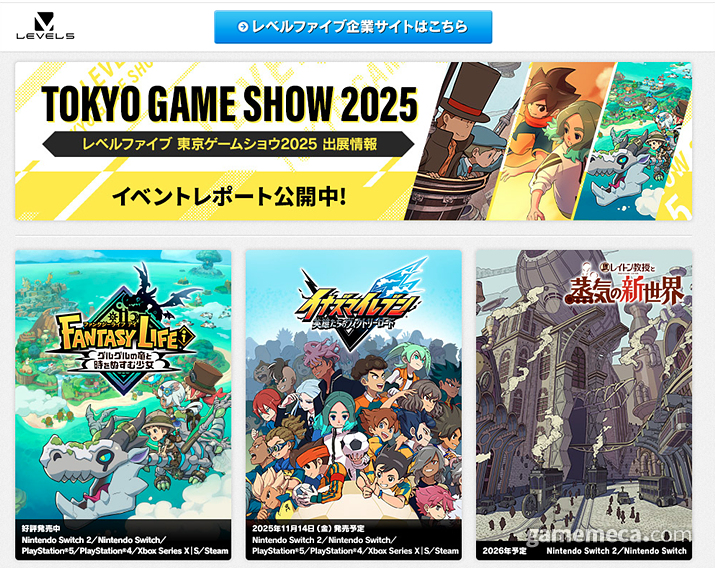
▲ Level-5, long suspected of harbouring a disdain for Korea due to their unique lack of language support (Image Source: Official Company Website)
TOP 4. AliceSoft
This Japanese adult game brand is a constant lightning rod for controversy among Korean gamers due to its ultra-right-wing, militaristic tendencies. The way they shove anti-Korean sentiment into their games feels less like creative choice and more like a full-blown ideological crusade. Take 'Mucho Shoujo Blade★Briders', where the protagonist is essentially a former Imperial Japanese soldier, and the game doesn't hesitate to distort history to claim they were just 'fighting against invasion'. When aliens claiming the Earth was their territory 'thousands of years ago' demand apologies and reparations, it’s a transparent jab at the right-wing rhetoric surrounding the Dokdo dispute and colonial-era compensation.
Then there’s 'Evenicle 2', which randomly plasters a Rising Sun flag on a village shop wall, and 'Doona Doona', which includes items clearly referencing the Galaxy Note 7 fire incidents to mock Korean corporations. Most egregiously, the character 'Kimchi Drive' in 'Rance VI', who is set up to act as a comfort woman, is a blatant reflection of right-wing Japanese delusions that 'comfort women were voluntary'. They even went as far as to IP-block non-Japanese users to avoid the heat—honestly, they should just stay buried in that well.
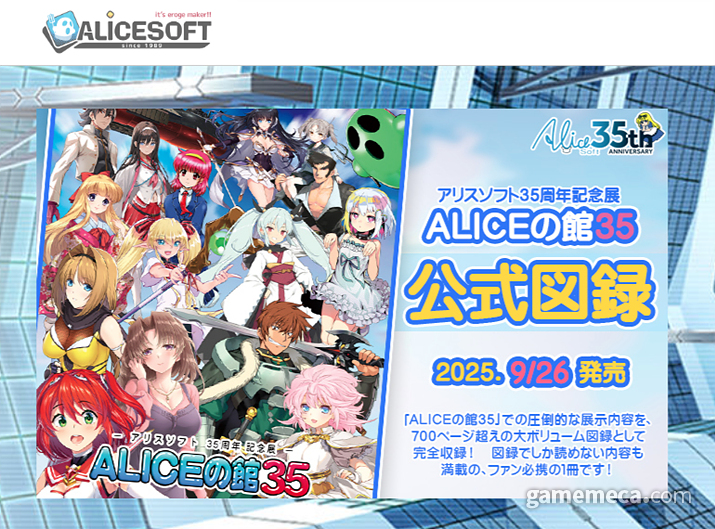
▲ AliceSoft, working overtime to push their right-wing agenda (Image Source: Official Company Website)
TOP 3. Papergames
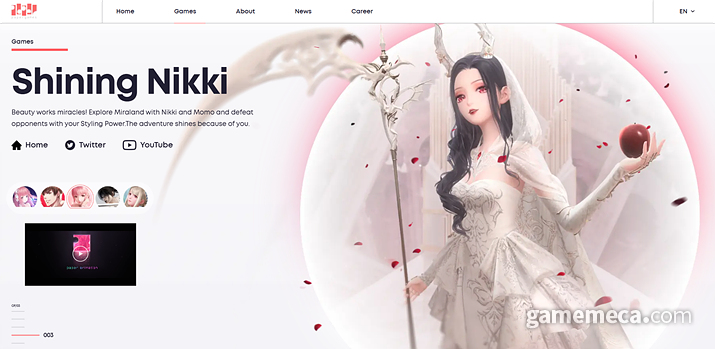
The 2020 'Shining Nikki' Hanbok debacle was a masterclass in how a Chinese company, riding the wave of its country's 'Belt and Road' initiative, treats the Korean market. When Korean users protested after Chinese users claimed the traditional Korean Hanbok was actually 'Hanfu' (Chinese clothing), Papergames’ response was jaw-dropping. In a statement posted exclusively on Weibo, they threatened to mute or ban Korean users if they 'insulted their motherland, China'.
They didn't even bother with a proper apology; they just sent a notice and shut down the service. To add insult to injury, their closure notice blamed the Korean users for 'sending aggressive messages insulting China'. It got so heated that even the National Assembly debated their 'distorted history' and 'abysmal operations'. Not a single apology was issued. And the kicker? They’ve slinked back into the Korean market under the name Infold Games.
▲ Papergames, who left after insulting Korea only to quietly sneak back in (Image Source: Official Company Website)
TOP 2. NCSoft
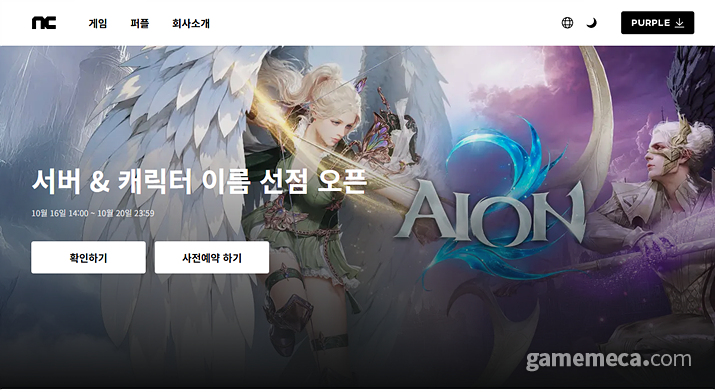
NCSoft is one of the pillars of the Korean gaming industry, yet they face brutal criticism for exploiting their home market more than anyone else. Their flagship 'Lineage' series is notorious for its hardcore P2W monetization, often leading to accusations that they view the Korean market merely as a 'testbed for profit maximization'. The 'Lineage M' insignia rollback incident, where they prioritized the investment of a few 'whales' over the common user, was a tipping point. Throw in rumours of 'super accounts', undisclosed paid promotions, and alleged probability manipulation, and the public sentiment has turned remarkably sour.
As a side note, back in 2017, NCSoft caught flak for using a map on their Japanese corporate site that labelled the East Sea as the 'Sea of Japan' and Dokdo as 'Takeshima'. They claimed they 'just used the Google Map API'. Fair enough, sometimes these things happen when you borrow external assets, and other companies were guilty of the same. But looking at the current discourse on how they treat the domestic market, it’s getting harder to dismiss it as a simple accident.
▲ NCSoft, now facing the music for neglecting their domestic players (Image Source: Official Company Website)
TOP 1. Bethesda
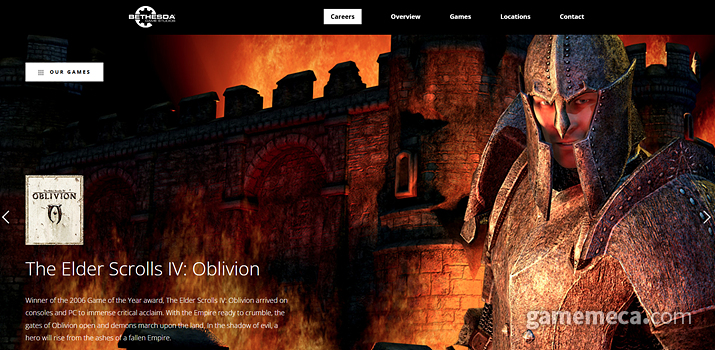
Bethesda Softworks was, for the longest time, the poster child for 'No Korean Language Support'. They didn't localize a single title from their narrative-heavy staples like 'The Elder Scrolls' or 'Fallout' until well after 2018. While many argued it was just a business decision based on ROI, the fact that they remained stuck in that mindset while the Korean market grew to be the world's fifth-largest was, frankly, pathetic.
The frustration boiled over when 'Starfield' launched in 2023 without Korean, and it hit a fever pitch in 2025 when 'The Elder Scrolls IV: Oblivion Remastered' was released with an intentional regional lock that blocked players in Russia and Korea specifically. They blamed the Game Rating and Administration Committee, but given how many other publishers navigate that system just fine, it felt like a deliberate snub. It’s moved past business strategy into the realm of, 'Do they actually hate us?'. Escaping that reputation is going to take a lot more than just a language patch.
▲ Bethesda, a company whose actions have moved past suspicion into pure certainty (Image Source: Official Company Website)
※ [순정남]은 매주 이색적인 테마를 선정하고, 이에 맞는 게임이나 캐릭터를 소개하는 코너입니다.
십수 년 전만 해도 해외 게임 중 한국어를 공식 지원하는 경우는 가뭄에 콩 나듯 희귀했다. 그러나 이제는 웬만한 AAA급 타이틀은 기본으로 한국어를 지원한다. 한국 게임 시장이 세계 5위급의 무시할 수 없는 규모로 성장한 것에 더해, 콘솔과 스팀 유저층이 두터워지고, 콘텐츠에 제대로 돈을 지불하는 건강한 구매력이 입증된 덕분이다. 단순 한국어 지원을 넘어 한국어 풀 더빙에까지 힘쓰는 이들도 종종 찾아볼 수 있을 정도다. 여기에 K-컬처의 보급으로 기대하지도 않았던 곳에서 한국 관련 콘텐츠를 다룬다거나, AI와 번역기의 발전으로 소규모 인디게임에서도 일정 수준의 한국어 번역을 손쉽게 할 수 있게 되며, 바야흐로 한국 게이머들은 격세지감을 느끼고 있다.
그런 와중, '나는 남들과 다르다'고 외치려는 듯, 한국 시장을 노골적으로 홀대하는 듯한 행보를 보이는 게임사들이 존재한다. 물론 이들이 대놓고 한국을 싫어한다는 확정적인 증거를 제시할 수는 없다. 하지만 현지화 정책, 운영 방식, 사회적 이슈 대처, 국가 정체성과 관련된 민감한 사안에 대한 태도까지 종합적으로 살펴볼 때, 이들이 한국을 홀대한다는 심증을 지우기가 어렵다. 한국을 싫어하는 듯한 모습을 여러모로 비춰온 게임사들을 모아봤다.
TOP 5. 레벨5
레벨5는 '레이튼 시리즈', '요괴워치', '이나즈마 일레븐' 등으로 유명한 제작사다. 국내에서 나름 유명세가 있음에도 불구하고, 게임에서는 현저히 낮은 한국어 지원율을 보여왔다. 물론 과거 NDS나 3DS 시절에는 한국닌텐도 같은 플랫폼 홀더가 한글화를 도맡아야 했기에 레벨5만의 책임은 아니었다. 하지만 문제는 현재까지도 그 시절의 수동적인 방침을 고수하고 있다는 점이다. "한국 업체가 나서서 현지화 작업을 한다면 허가해 주겠다" 정도의 태도를 보이며, 본사 차원의 현지화에 매우 소극적인 모습이다.
그나마 2017년 이후 '레이튼 미스터리 저니'나 '판타지 라이프 i' 등 일부 작품을 직접 현지화하고는 있지만, 팬들이 진정으로 원하는 간판급 작품인 '이나즈마 일레븐'이나 '레이튼 교수와 증기의 신세계' 같은 타이틀은 오랫동안 감감무소식이었다. 한국 시장을 의식해 '이나즈마 일레븐 영웅들의 빅토리 로드'의 전 세계 동시 출시 리스트에 서울을 포함시키긴 했지만, 이마저도 "어차피 동시 발매니까"라는 비아냥을 들었다.
▲ 남다른 한국어 미지원으로 혐한 의혹을 받아온 레벨5 (사진출처: 회사 공식 홈페이지)
TOP 4. 앨리스소프트
일본의 성인게임 브랜드인 앨리스소프트는 극우적이고 군국적인 성향 때문에 한국 게이머들 사이에서 끊임없이 논란을 일으키는 회사다. 이들이 노골적으로 혐한 정서를 게임 내 콘텐츠에 삽입하는 방식은 이념 투쟁의 레벨로까지 보인다. 가령, '무상소녀대 블레이드★브라이더즈'에서는 주인공을 구 일본군 장병으로 설정하고, 침략에 맞서 싸웠다는 역사 왜곡을 서슴지 않는다. 지구 침략을 주장하는 외계인이 "수만 년 전 지구가 자신들의 영토"라며 사죄와 배상을 요구하는데, 독도 문제와 일제 피해 보상에 대한 일본 극우 세력의 궤변을 그대로 투영한 것이다.
또한 '이브니클2'에서는 마을 가게 벽면에 뜬금없이 욱일기를 붙여놓거나, '도나도나 같이 나쁜 짓을 하자'에서는 갤럭시 노트 7 발화 사고를 연상시키는 아이템을 등장시켜 한국 기업에 대한 부정적인 시각을 은근히 드러낸다. 특히 '란스Ⅵ'에 등장하는 '김치 드라이브'라는 이름의 여성이 위안부 역할을 자처한다는 설정은, "위안부는 자발적이었다"는 일본 우익들의 헛소리를 게임에 노골적으로 반영했다. 이 제작사는 논란을 의식한 듯 일본 외 IP를 차단하는 조치까지 취했는데, 그냥 그대로 우물에서 침잠해버렸으면 하는 바람이다.
▲ 우익 사상을 알리기 위해 안간힘을 쓰는 앨리스소프트 (사진출처: 회사 공식 홈페이지)
TOP 3. 페이퍼게임즈
지난 2020년 벌어진 샤이닝니키 한복 사태는 자국의 일대일로에 편승한 중국 게임사가 한국 시장과 한국 문화에 대해 얼마나 계산적인 태도를 가졌는지 극명하게 보여준 사건이다. 한국 서버 런칭 기념으로 출시한 한복 아이템에 대해 중국 유저들이 "한복은 중국의 옷(한푸)이다"라는 억지 주장을 쏟아내고 이에 대해 한국 유저들이 항의하는 가운데, 페이퍼게임즈의 대응은 가히 충격적이었다. 중국 웨이보에만 올린 입장문에서 그들은 "한국 서버 유저가 조국인 중국을 욕하면 채팅 금지/계정 정지를 시키겠다"며 중국 유저의 입장을 옹호하고 나선 것이다.
이후 한국 유저들에게 제대로 된 사과도 없이 통보성 공지만 올리더니, 돌연 서비스 종료를 선언했다. 서비스 종료 공지에서조차 "한국에서 중국을 모욕하는 공격적인 메시지를 수 차례 받았다"며 한국 유저들에게 책임을 떠넘기는 추태를 보인 점은 덤이다. 국회에서도 이 사건을 '한복 동북공정론' 옹호와 '막장 운영'으로 규탄할 정도로 일을 키웠는데, 끝까지 사과는 없었다. 현재 인폴드게임즈라는 이름으로 슬그머니 돌아와 국내에서 영업을 재개하고 있다는 점은 덤.
▲ 한국을 모욕하고 떠났다 슬그머니 돌아온 페이퍼게임즈 (사진출처: 회사 공식 홈페이지)
TOP 2. 엔씨소프트
엔씨소프트는 한국을 대표하는 게임사 중 하나다. 그럼에도 불구하고 국내 게이머들에게는 자국 시장을 가장 심각하게 홀대하고 착취한다는 비판을 받고 있다. 핵심 IP인 '리니지' 시리즈의 국내 BM은 극도로 하드코어한 P2W 구조를 고수하고 있으며, 국내 시장을 '수익 극대화를 위한 테스트베드로 이용한다는 비판을 받는다. 특히 리니지M '문양 시스템 롤백 사태'는 소수 핵과금 유저의 투자 가치를 보호하기 위해 다수 유저의 편익을 무시한다는 비판을 받았다. 슈퍼 계정 의혹, 유료 프로모션 '뒷광고' 논란, 확률 조작 의혹 등이 더해지며 이러한 비판 여론은 더욱 거세게 일고 있다.
참고로 엔씨소프트는 지난 2017년, 일본 법인 홈페이지에 동해를 일본해로, 독도를 다케시마라 표기한 지도를 사용하다 뭇매를 맞은 적도 있다. 당시 엔씨소프트는 '구글 지도를 그대로 갖다 쓴 것'이라고 해명했다. 물론 이해는 간다. 외부 지도를 가져다 쓰다 보면 세세한 확인이 어려울 때도 있으며, 당시 이러한 지도를 쓴 기업도 몇 곳 더 있었기 때문이다. 다만, 현재 엔씨소프트의 한국 홀대 논란과 비추어 돌이켜보면, 마냥 실수라고 넘어가기는 어려울 수도 있겠다.
▲ 국내 유저 홀대에 직면한 엔씨소프트 (사진출처: 회사 공식 홈페이지)
TOP 1. 베데스다
베데스다 소프트웍스는 오랫동안 한국어 미지원의 아이콘이나 다름없었다. 스토리 비중이 막대한 '엘더스크롤 시리즈'나 '폴아웃 시리즈' 같은 간판 게임들을 2018년 이전까지 단 한 번도 현지화하지 않았다. 과거엔 투자 대비 수익이 낮았기 때문이라는 중론이 있었지만, 한국 게임 시장이 세계 5위로 성장하고 경쟁사들이 적극적으로 현지화를 진행하는 와중에도 그 수준에 머물렀다는 점은 아쉬운 부분이었다.
이 같은 여론은 2023년 '스타필드'가 한국어 미지원 상태로 출시되며 또 한 번 불이 붙었고, 2025년 '엘더스크롤 4: 오블리비언 리마스터드'를 출시하면서 러시아와 한국 두 국가에만 의도적으로 지역락을 걸어 플레이조차 막아버린 사건으로 정점에 달했다. 게임위 심의 때문이라고 밝혔지만, 수많은 곳에서 출시해도 문제가 없음을 여러번 증명해 줬음에도 귀를 막는 모습을 보여 실망감을 더했다. 단순한 비즈니스적 판단을 넘어, '베데스다 게임 스튜디오가 한국을 증오에 가까운 무언가로 바라본다'는 의심을 확신으로 바꿔놓을 정도였기에, 당분간 이러한 프레임을 벗기는 힘들 것 같다.



 A new game that causes high blood pressure while manipulating the settings menu appears on Steam
 Animal-Themed Life Simulation 'Wonder Paws' Begins Pre-Registration
 [Game Recs] 5 Soulslike Action Games Focused Exclusively on Boss Battles
 A New Legend Arrives: Total War: Warhammer 3 DLC 'Lords of the End Times' Released





 GAMEMECA GLOBAL SITE