
[Indie Dev Says] 'A.D.D.', a 2D puzzle game combining the Backrooms and an AI dystopia
[인디言] 백룸과 AI 디스토피아 결합한 2D 퍼즐 'A.D.D.'
2026.08.01 10:00 UTC+9

AI Summary
A.D.D. is a 2D puzzle sim set in the Backrooms using an AI anomaly detection premise. Players manage corporate tasks and node-based workflows while uncovering a dark, distorted reality. Developed by the four-person team One More Spoon, it offers a fresh, observer-focused take on the genre.
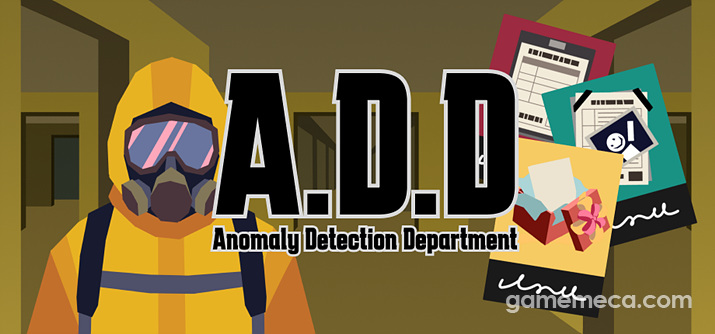
The Backrooms have been creeping into the horror genre with alarming frequency of late. While this niche was once the sole province of Western creators, we are now seeing 'liminal space' projects set in familiar domestic locations—like the Sindorim Station—making their mark. It is a testament to just how mainstream the Backrooms have become.
Once a genre hits the mainstream, it inevitably bleeds into other formats, building its own twisted realities. Enter A.D.D., a game that tasks you with stepping into the shoes of a staffer at 'Halcyon Industries'. Under the guise of developing AI solutions for industrial safety, you are responsible for dispatching personnel into the Backrooms and synthesising data to identify anomalies. The gameplay, which feels reminiscent of Cultist Simulator, is a fascinating look at the corporate side of the supernatural. To see what A.D.D. brings to the table, we spoke with developer Choi Jae-in from the team 'One More Spoon'.
What if you crossed Cultist Simulator with the Backrooms and Lethal Company? Meet A.D.D.
In A.D.D., you act as a manager in a corporate department dedicated to anomaly detection. Your job is simple: dispatch employees, collect records from their expeditions, and refine the data for AI training to meet your quotas. Think of it as a corporate management sim in the vein of Lethal Company, though you won't be watching yellow-clad workers die in real-time or navigating 3D maps. It is all about the cold, hard data.
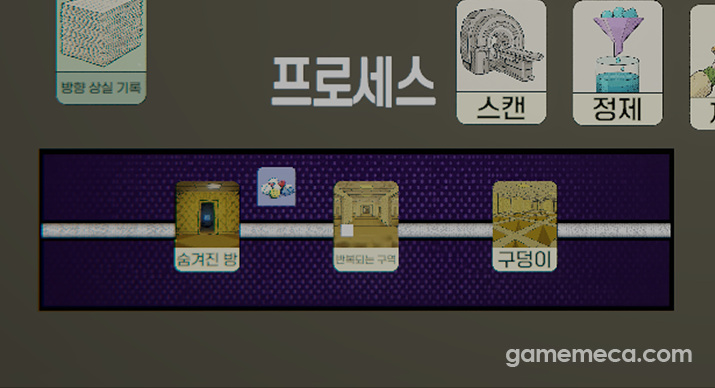
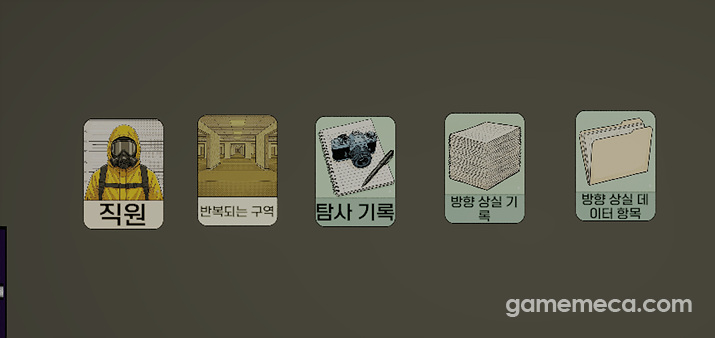
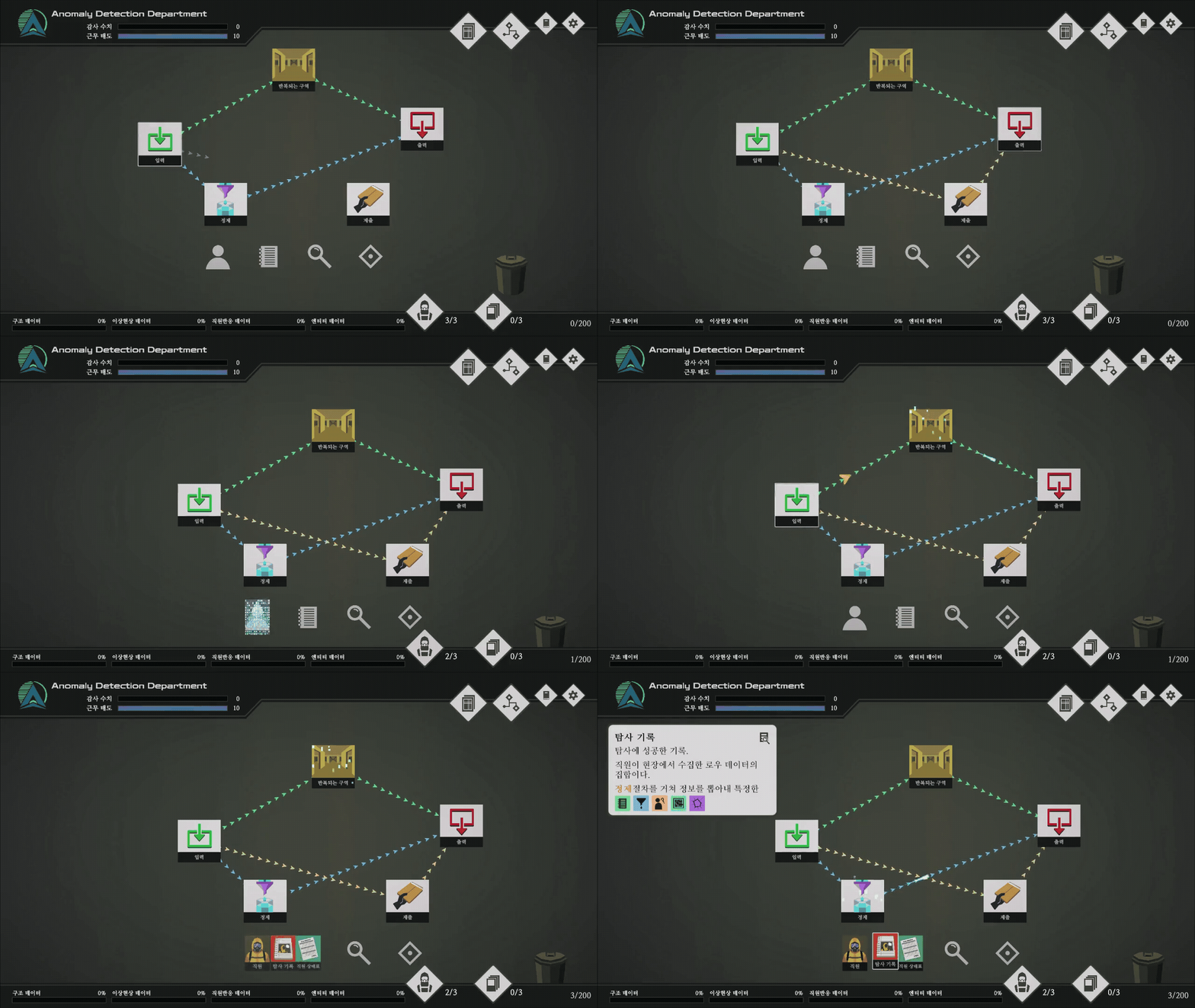
Choi explains the core loop: "Like Cultist Simulator, you are managing cards on a board; like Lethal Company, you are chasing quotas; and like Lobotomy Corporation, you are uncovering the story through repetitive tasks." You start by designing work processes, connecting nodes for exploration, refinement, and submission, all while applying 'Work Protocols' that significantly alter the outcome of each task. These protocols range from specialized exploration gear to specific operational guidelines, ensuring that no two runs feel quite the same.
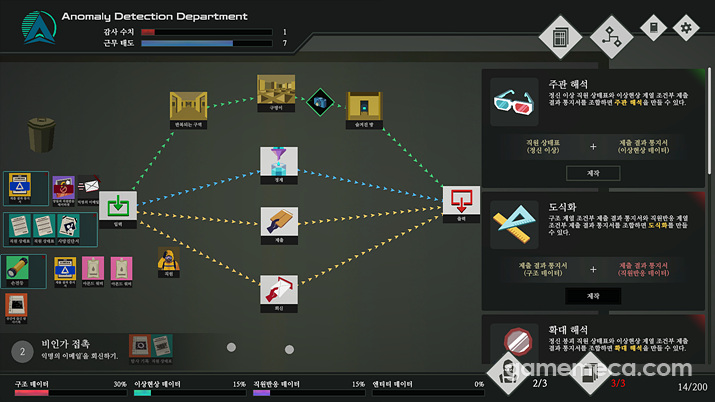
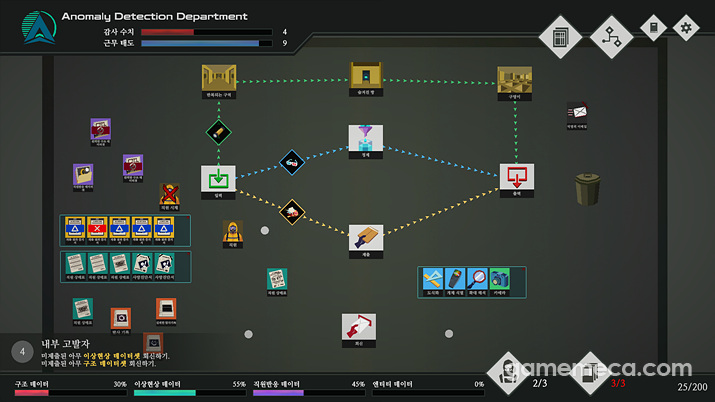
For instance, if you apply a camera to an expedition exploring a hidden room, you might snag data that would otherwise stay buried. Conversely, using a flashlight in a pit zone might trigger a disastrous accident for your employee. The way you connect these tasks to create a procedural workflow is what the team calls 'Node Process Design', the very heart of A.D.D.
This design philosophy practically begs for repeat playthroughs. Take the 'Performance Packaging' protocol—a high-risk, high-reward strategy that inflates your data value to hit quotas faster. Use it too greedily, however, and you will trigger an internal audit, leading to an immediate game over. Audits also occur if you submit corrupted data or suffer too many staff casualties. Choi notes, "We balanced the game so you have to weigh the dangers of the protocols against the submission results and the survival of your staff."
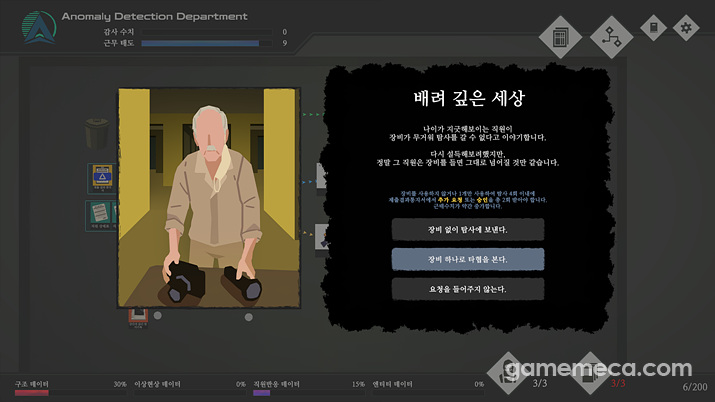
Essentially, you can be a model employee or start meddling with the various requests and events that pop up during your shifts. Depending on which requests you accept, who you report to, and how closely you follow corporate orders, the narrative—and the ending—will shift. Side quests add layers to this, ensuring that every time you return to the board, the experience feels fresh.
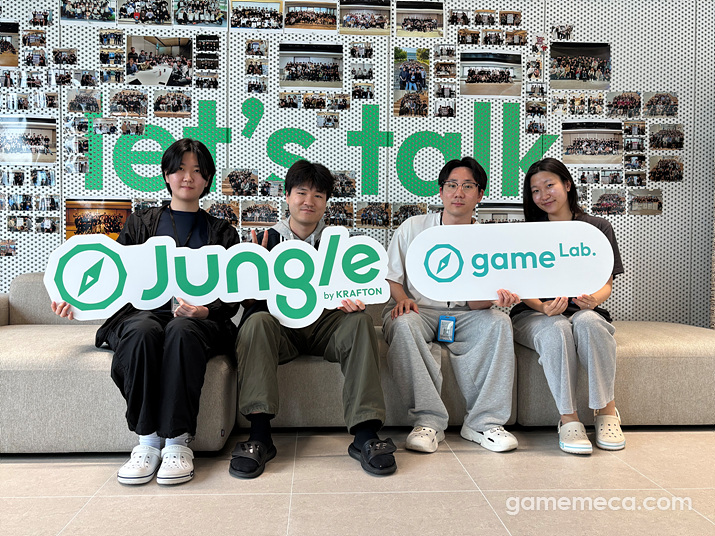
Just one more bite, just one more run! The team at 'One More Spoon'
The team 'One More Spoon' is a four-person outfit consisting of Kim Jin-seong, Lee Ha-nyeong, Jo Ye-hyeon, and Choi Jae-in. The name is a nod to that feeling when you eat something delicious and just have to have 'one more bite'; they want their game to leave players craving just one more run. Their logo, a melting lightbulb, symbolises their desire to pack more ideas into their game than their metaphorical spoon can hold.

While everyone has their specialities, there are no rigid boundaries here. All four members participated in the overall planning, development, and game design for A.D.D., tossing ideas back and forth for new systems and content. Key art and sound were outsourced, but the core systems of A.D.D. are entirely the work of these four developers.
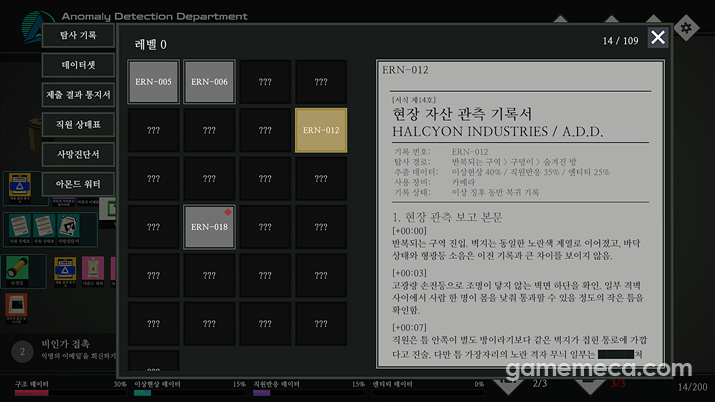
For One More Spoon, the goal was reinterpretation. While most Backrooms games focus on the visceral 3D horror of walking through empty corridors, they opted for a 2D puzzle simulation. By reviewing expedition logs and corporate documents, you play the part of an observer, piecing together the chaos from afar and layering in a unique AI-driven world-building element.
Choi explains, "Liminal spaces are unsettling because they feel familiar yet slightly 'off'. We thought that felt a lot like an AI struggling to perfectly mimic reality. The world of A.D.D. starts with the question: 'What if the bizarre spaces of the Backrooms are just the result of an AI mislearning and hallucinating reality?' The Backrooms here look real, but the rules and structures are just slightly broken. It is all tied to advanced AI and imperfect training data."
The title A.D.D. is a nod to 'Anomaly Detection Department', borrowing from the machine learning term 'Anomaly Detection'—the art of finding patterns that deviate from the norm. They have cleverly woven this technical concept into the very fabric of their Backrooms exploration.
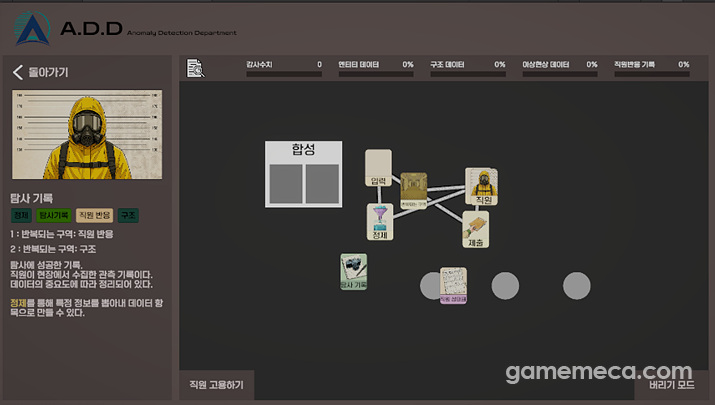
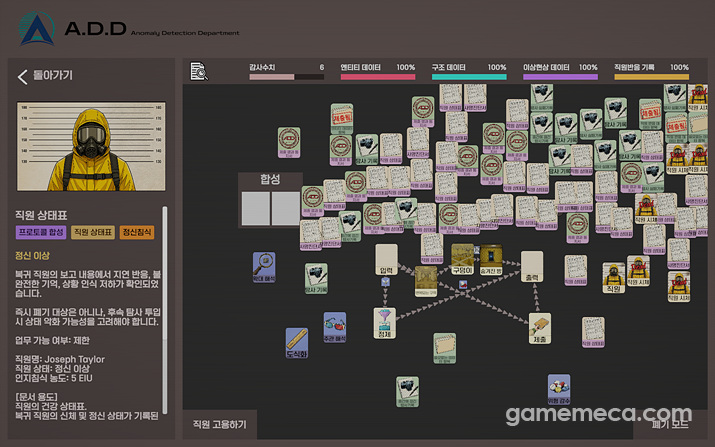
Development wasn't without its hurdles. Choi recalls how, after the first prototype, the team made the mistake of overcomplicating the rules. The prototype showed promise, but in their enthusiasm, they added too many stats and secondary mechanics.
Initially, they relied on card names and text to distinguish features. Playtesting revealed that as the pile of cards grew, it became a nightmare to track information at a glance. They pivoted to distinct card art and visual indicators for data quality. When the board got cluttered, they introduced 'baskets' to help players organise their own space, turning a UI issue into a player-driven mechanic.
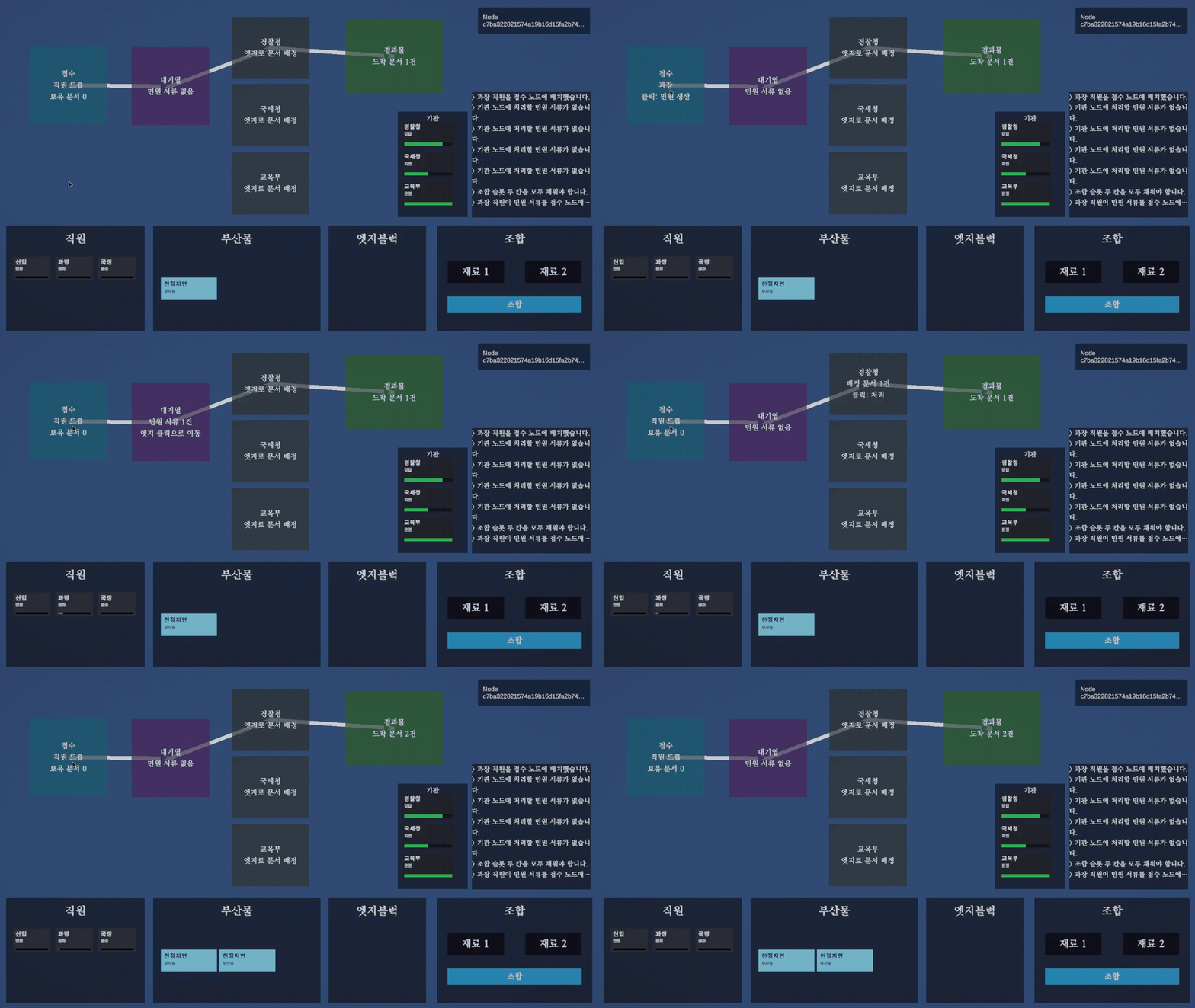
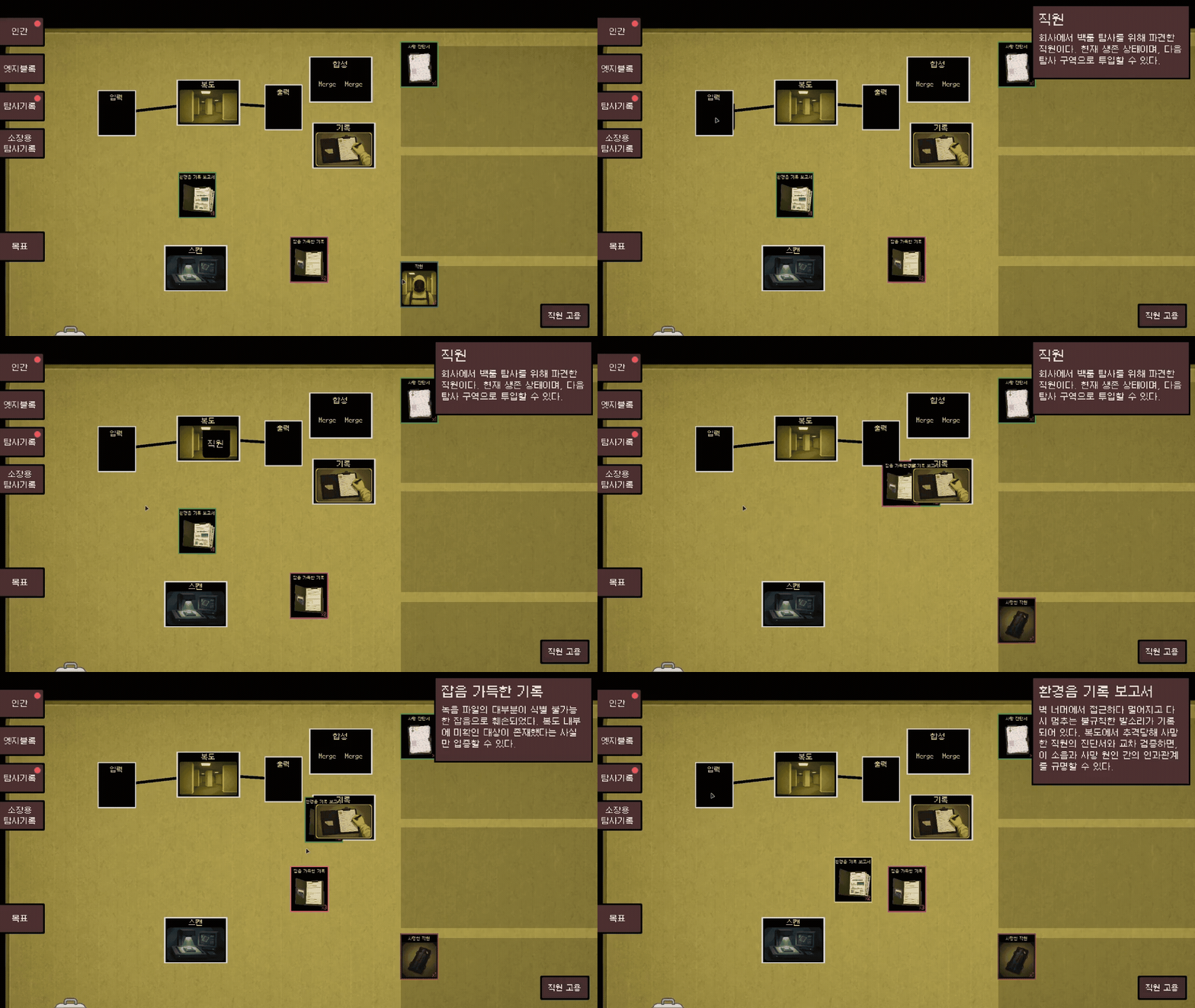
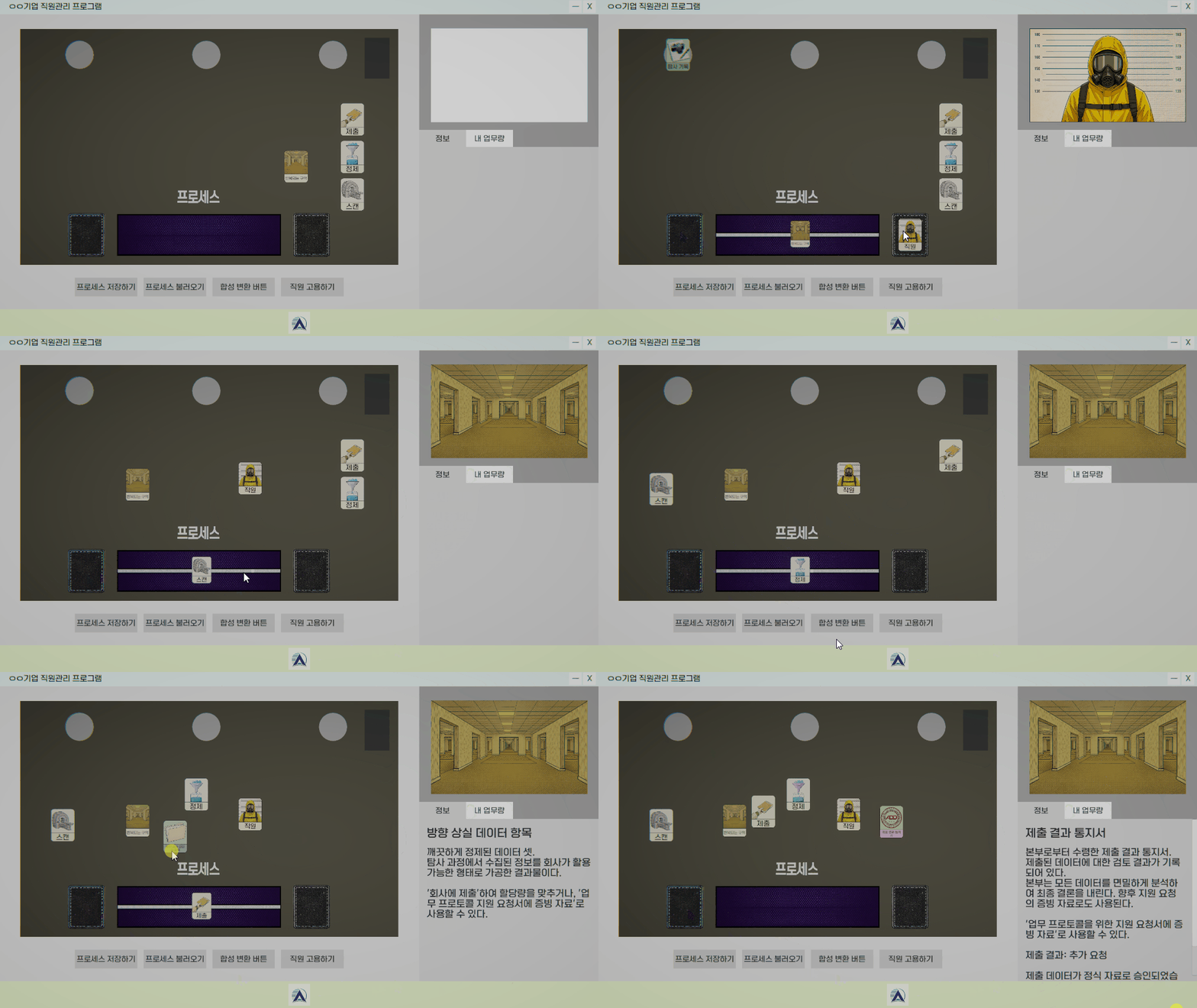
They also streamlined the eight types of candidate data down to four categories, each with its own distinct characteristics. Instead of dumping lore, they compressed the narrative into concise expedition logs. They added a codex and detailed info screens, allowing players to peel back the layers of the world at their own pace.
Same world, different perspectives
Choi says, "Playtime is roughly 1 to 2 hours for a first ending, though that depends entirely on the player. If you want to explore every route and fill out the codex, it will take much longer. We are waiting to see how players react before committing to specific post-launch content."
Choi continues, "If we do expand, we want to add new levels or deepen the combinations of existing logs. We are less interested in just dumping more cards into the game and more interested in creating new zones and protocols that force players to rethink their processes."
One More Spoon is keen to explore the same world from different angles in future titles, and there is already talk of revisiting some of the discarded prototypes that didn't make the cut for A.D.D.
In closing, Choi says, "We’ve tried to reinterpret the familiar Backrooms using our own unique node-based mechanics and AI lore. If you have a soft spot for the Backrooms or a good puzzle game, we hope you’ll give it a try."
몇 년 새 공포 장르에서 백룸이 차지하는 비중이 크게 늘어났다. 이전에는 서양권에서 이와 같은 주제로 창작물을 만드는 제작자가 많았지만, 최근에는 신도림역처럼 국내에 익숙한 장소를 배경으로 한 리미널 스페이스 창작물도 나오는 추세다. 백룸이라는 장르가 얼마나 큰 대중성을 갖추게 되었는지 알 수 있는 대목이다.
대중성을 갖게 된 장르는 점차 다양한 분야 혹은 현실과 결합되며 또다른 세계를 구축해나간다. 이번에 소개하는 'A.D.D'도 그런 게임이다. 산업재해 예방을 위해 AI 솔루션을 개발한다는 것을 앞세운 기업 ‘할시온 인더스트리(Halcyon Industries)’ 직원이 되어, 백룸으로 사람들을 파견하고 데이터를 취합해 이상현상을 식별하는 AI 모델을 개발하는 과정을 컬티스트 시뮬레이터를 연상케하는 시스템으로 그려냈다. A.D.D가 보여주는 백룸은 어떤 모습일까? 개발팀 ‘원 모어 스푼(One More Spoon)’ 최재인 개발자에게 직접 들어봤다.
컬티스트 시뮬레이터에 백룸과 리썰을 더한다면? ‘A.D.D.’
A.D.D.는 회사 내 이상현상 탐지부서의 관리자가 되어 직원을 백룸으로 파견하고, 이들의 탐사를 통해 회수한 기록을 AI 학습용 데이터셋으로 정제해 제출하며 할당량을 달성해야 하는 리썰 컴퍼니류 게임이다. 현실에 있을 법한 완성도 높은 맵이나 기괴한 엔티티, 처참하게 죽는 노란 옷의 직원을 목격할 일은 없으며, 오직 데이터와 과정만 확인하는 구조다.
최 개발자는 A.D.D.를 “컬티스트 시뮬레이터처럼 보드 위에서 카드를 관리하고, 리썰 컴퍼니처럼 할당량을 달성하고, 로보토미 코퍼레이션처럼 업무 반복을 통한 정보 수집으로 스토리를 진행한다”고 설명했다. 보드 위에 업무 프로세스를 설계하는 것부터 시작해, 탐사, 정제, 제출에 필요한 각 노드를 연결하고, 그 사이에 ‘업무 프로토콜’을 적용해 업무 단위 결과에 차이를 만들 수 있다. 이 업무 프로토콜은 탐사 장비나 추가적인 업무 지침 등 여러 특성을 지니고 있으며, 이에 따라 다음 업무에서 만들어지는 결과가 달라진다.
일례로 숨겨진 방을 탐사하는 과정에 카메라를 적용하면 평소에는 확보할 수 없던 데이터를 얻을 수 있다. 또, 구덩이 구역에서 손전등을 사용하면 직원이 갑작스러운 사고를 당할 수도 있다. 같은 구역을 탐사하더라도 어떤 경로와 업무 프로토콜을 선택했는지에 따라 결과가 달라진다. 이렇게 각 업무를 서로 연결해 하나로 절차화하는 방식이 A.D.D. 핵심인 ‘노드 프로세스 설계’다.
노드 프로세스 설계를 통한 다양한 접근은 반복 플레이를 유도한다. 일례로 ‘하이 리스크 하이 리턴’을 추구하는 프로토콜인 ‘성과 포장’을 사용할 경우 제출 데이터의 가치를 부풀려 보다 빠르게 할당량을 채울 수 있다. 그러나 과하게 사용할 경우 내부감사가 실시되며 게임오버를 맞이하기도 한다. 게임 내에서 감사는 잘못된 데이터를 제출하거나, 많은 직원을 사망에 이르게 했을 때도 발생하기에 신중한 접근이 요구된다. 최 개발자는 “단순히 결과값만 조절하기보다 업무 프로토콜의 위험성, 제출 결과, 직원의 생존 여부를 함께 고려해 밸런스를 맞췄다”며 다양한 방식으로의 플레이를 권장했다.
즉, 플레이어는 회사가 요구하는 업무를 충실하게 수행할 수도 있고, 업무 과정에서 접하게 되는 별도의 요청과 사건에 개입하는 것도 가능하다. 어떤 요청을 받아들이고, 누구에게 데이터를 제출하며, 회사 지시에 어디까지 따르는지에 따라 이야기 방향과 최종 엔딩이 달라진다. 이 과정에서 반복 플레이에 변화를 주는 서브 퀘스트를 제공해 매번 다른 경험을 선보인다.
한 입만 더, 한 번만 더! 팀 ‘원 모어 스푼’
개발팀 원 모어 스푼은 김진성, 이하녕, 조예현, 최재인 개발자로 구성된 4인 개발팀이다. 맛있는 음식을 먹고 “한 입만 더”라고 말하는 것처럼, 자신들의 게임도 한 번 더 플레이하고 싶게 만들자는 의미를 담아 팀 이름을 지었다. 팀 상징(로고)도 전구가 녹아내리는 모습으로 숟가락 밖으로 흘러넘칠 만큼 다양한 아이디어를 게임에 담겠다는 뜻을 담았다.
팀원마다 집중한 분야는 있지만, 역할을 명확히 나누지는 않았다. 4명 모두 'A.D.D.'의 기획, 개발, 게임 디자인 전반에 참여했고, 새로운 시스템이나 콘텐츠 구상에도 각자 아이디어를 제시했다. 프로토타입 제작과 플레이 테스트를 거쳐 함께 방향을 결정했다. 키아트와 핵심 음향은 외주 창작자들과 협업했으나, 'A.D.D.' 핵심 시스템은 팀원 4명이 함께 제작했다.
원 모어 스푼이 'A.D.D.' 개발 과정에서 집중한 것은 재해석이다. 수많은 백룸 게임이 3D 공간을 직접 돌아다니며 특유의 불쾌한 공포를 체험하는 방식에 집중했다면, 이들은 2D 퍼즐 시뮬레이션으로 재해석해 직원들이 회수한 탐사 기록과 회사 문서를 검토하고, 그곳에서 벌어진 일을 간접적으로 추론하는 관찰자적 구성을 취했다. 여기에 AI라는 소재를 더해 독자적인 세계관을 완성했다.
최 개발자는 “리미널 스페이스는 익숙한 장소처럼 보이지만 어딘가 비어 있거나 구조가 미묘하게 어긋나 있어 설명하기 어려운 불안감을 준다. 저희는 이 모습이 AI가 현실을 불완전하게 모방했을 때 나타나는 오류와 닮았다고 생각했다”며, “A.D.D.의 세계관은 ‘백룸의 기괴한 공간이 AI가 현실을 잘못 학습하고 재구성한 결과라면 어떨까?’라는 발상에서 시작됐다. 게임 속 백룸은 현실과 비슷해 보이지만, 구조와 규칙이 조금씩 잘못된 공간이다. 그 배경에는 고도로 발전한 AI와 불완전한 학습 데이터가 관련되어 있으며, 플레이어는 탐사를 진행하고 기록을 수집하며 그 관계를 점차 파악하게 된다”고 설명했다.
이러한 배경은 게임 제목에도 담아냈다. A.D.D.는 Anomaly Detection Department’의 준말로, 머신러닝 분야에서 사용하는 ‘어노말리 디텍션(Anomaly Detection)’이라는 용어에서 차용했다. 어노말리 디텍션은 머신러닝에서 일반적인 패턴이나 정상 범위에서 벗어난 데이터와 징후를 찾아내는 기술로, 이 기술을 백룸 탐사에 녹여내 독자적인 구조를 형성했다.
개발 과정에서 여러 어려움도 있었다. 최 개발자는 가장 기억에 남는 일로 첫 프로토타입 이후 게임 규칙을 지나치게 복잡하게 확장했던 경험을 꼽았다. 프로토타입 테스트에서 게임의 가능성을 확인할 수 있었고, 개발팀은 그 가능성을 발전시키기 위해 절차에 다양한 수치와 세부 규칙을 추가했다.
개발 초기에는 카드 이름과 문구를 중심으로 각각의 차이를 구분했다. 하지만 플레이 테스트를 진행하면서 카드가 많아질수록 필요한 정보를 한눈에 파악하기 어렵다는 문제가 드러났다. 이를 해결하기 위해 카드마다 서로 다른 이미지를 적용하고, 데이터셋은 품질에 따라 디자인이 달라지게 했다. 카드가 늘어나면서 서로 겹치거나 보드 위에 흩어지는 문제는 카드를 정리할 수 있는 바구니 등을 도입해 플레이어가 능동적으로 정리하고 판단할 수 있게 보완했다.
탐사 한 번에 8종의 후보 데이터가 제시될 정도로 규칙이 복잡했던 점도 스테이지별로 핵심 특징을 살린 4가지 범주로 정리했다. 세계관을 전달하는 방식도 긴 설정을 나열하기보다 탐사 기록에서 간결하게 보여주는 방식으로 압축했다. 대신 도감과 상세 정보 시스템을 추가해 구역, 데이터셋, 업무 프로토콜에 관한 설정을 단계적으로 확인할 수 있도록 보완하며 완성도를 높여나갔다.
같은 세계, 다른 시점 게임도 만들고 싶어
최 개발자는 “개인마다 편차는 있겠지만, 현재 예상하는 A.D.D.의 플레이타임은 약 1시간에서 2시간 정도다. 첫 엔딩에 도달하는 데에는 긴 시간이 필요하지 않다. 다만 여러 탐사 루트를 시험하고, 다양한 탐사 기록과 도감 정보를 확인한다면 플레이타임은 더 길어질 수 있다. 추가 콘텐츠에 대해서는 출시 이후 플레이어분들의 반응과 플레이 추이를 먼저 확인하려 한다”고 말했다.
이어 “향후 콘텐츠를 확장하게 된다면 새로운 레벨을 추가하거나, 현재 레벨의 탐사 기록과 조합을 보강하는 방향을 고려하고 있다. 단순히 카드나 기록의 수만 늘리기보다, 새로운 구역과 업무 프로토콜을 통해 기존 프로세스를 다른 방식으로 활용할 수 있는 콘텐츠를 만들고 싶다”며 목표를 밝혔다.
원 모어 스푼은 가능하다면 같은 세계, 다른 시점을 다루는 게임을 개발하는 것을 희망하고 있다. A.D.D를 준비하며 제작했던 여러 초기 프로토타입 중 가능성이 있다고 판단된 부분은 확장시키고자 하는 의욕도 있다.
마지막으로 최재인 개발자는 “저희는 백룸이라는 익숙한 소재를 독자적인 노드 프로세스 메카닉과 AI 세계관으로 재해석하기 위해 노력했다”며, “백룸과 퍼즐 게임에 관심이 있으신 분들께서 즐겨주시면 감사하겠다”며 A.D.D.에 대한 많은 관심과 기대를 부탁했다.
This news was translated by AI.

I am dedicated to games and writing. viina@gamemeca.com
READ MORE
-
 Level up the stronger class quickly, MU Online 'Speed Server' opens
-
 Monster Guild, The Seven Deadly Sins, and StoneAge secure 3 crowns for Netmarble as 'Game of the Year'
-
 Stone Age Idle PD appears as a dungeon boss
-
 [Today's steam] PC version of The War of Genesis Raising achieves 30,000 Concurrent Players
RECOMMENDED NEWS
MOST POPULAR NEWS
- Which Team is the Strongest This Year? LCK 2026 Finals to Be Held on the 12th and 13th
- Already the third time, Overwatch x LE SSERAFIM detailed look revealed
- XLGAMES Decides to Sell ArcheAge IP for 39.2 Billion Won
- Unity Launches Official Plugin for 'Claude Code'
- Lim Yo-hwan vs Kang Min Match, SOOP Official Live Broadcast for BlizzCon 2026
- Popup events to be held in Dongdaemun and Yongsan to celebrate the release of Liftbound
- [Today's steam] FPS Wardogs released... 340,000 Concurrent Players, 340,000 in queue
- Doomfist's Companion, Overwatch Vampire New Hero 'Doctrine'
- Marvel Rivals Welcomes 'Gorr the God Butcher' on the 11th
- Legendary Rapper 'Lil Wayne' Arrives in Fortnite Along with Three Representative Songs
MEDIA PARTNERSHIPS



GAMEMECA SNS