[New Year Special] Coexistence with Generative AI ① Mintrocket CEO Hwang Jae-ho
[신년특집] 생성형 AI와의 공존 ① 민트로켓 황재호 대표
2026.01.02 17:00 UTC+9
AI Summary
CEO Hwang Jae-ho views AI as a vital tool to reduce manual labor. He insists human oversight remains critical to ensure high-quality, original games. The future of dev hinges on architectural design and critical verification.
Last year, the integration of 'Generative AI' into game development became an unavoidable tide. Yet, the industry remains deeply divided. Some vocal advocates argue that 'AI is the future,' while others raise alarms over the inevitable decline in quality and rampant abuse of the technology. Players are just as split; some simply don't care as long as the final product delivers, while others are threatening to boycott any title tainted by AI-generated assets.
With such a polarized atmosphere, what do the industry's leading developers and studio heads really think? As we head into 2026, a year where AI-driven shifts are expected to accelerate, Gamemeca has invited top-tier Korean game developers to discuss the current state and future prospects of generative AI.
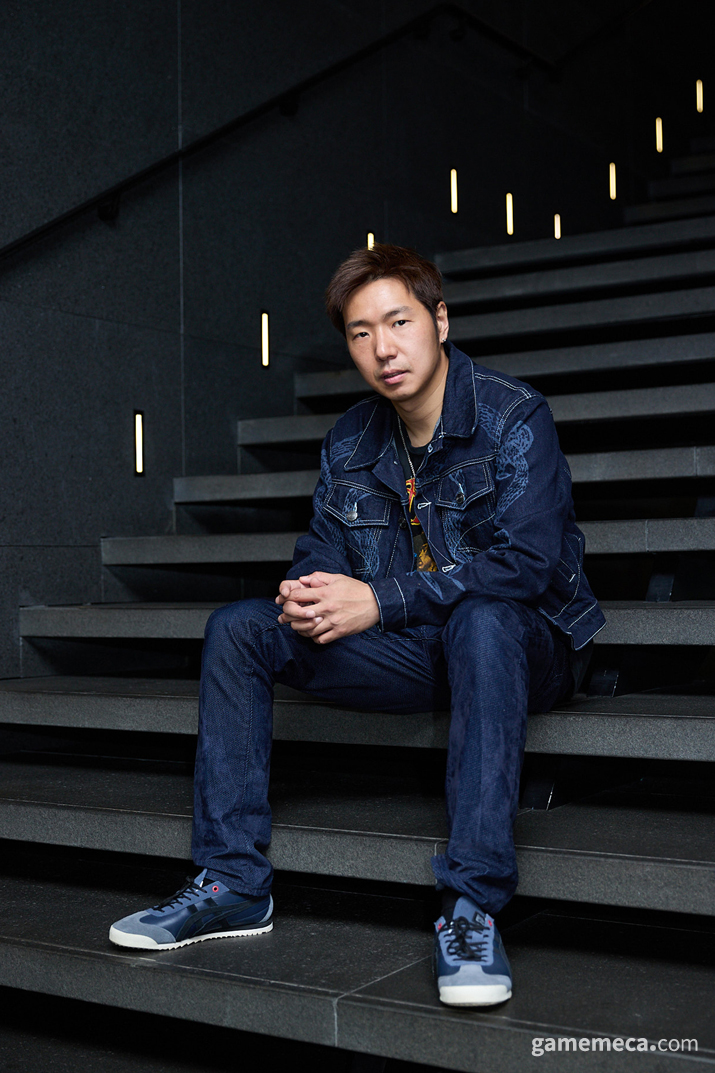
▲ Mintrocket CEO Hwang Jae-ho (Image courtesy: Mintrocket)
Mintrocket, having secured a global foothold with Dave the Diver, spun off from NEXON in November 2024 and moved into a new office last March. Currently, the studio is juggling multiple new projects, including the new 'Dredge' DLC, 'In the Jungle'.
CEO Hwang Jae-ho believes generative AI is an indispensable tool, but warns that the ability for humans to critically verify results is becoming even more vital. "Even as we evolve from carriages to cars and eventually to autonomous vehicles, the decision of where to go remains a human one," he says, noting that the human role in steering the ship will never vanish.
Hwang views AI not as a replacement for raw creativity, but as a utility for reducing repetitive tasks and communication errors. Mintrocket utilizes AI across planning, art, programming, and project management to streamline workflows. However, the final product reaching players will always be crafted by human hands, not AI.
Q: How would you rate Mintrocket's current AI adoption level within the industry?
Mintrocket CEO Hwang Jae-ho: I'd call it moderate. We use it for drafting meeting minutes, building internal databases, and generating reference images.
Q: Which departments are utilizing it most?
Mintrocket CEO Hwang Jae-ho: In planning, we use it for quick prototyping and translating overseas documents or videos. Our art team uses it to generate references to align creative visions, and our PM teams use automation to boost efficiency.
Our programming team leverages it for technical research, code reviews, and iterative Q&A to check for potential logic errors or design inconsistencies before implementation.
We also use it for repetitive tasks and variations—like adjusting settings, colours, or shapes. We adopt the latest versions of major models like Claude, Pro, or Gemini as soon as they drop.
Q: There is a growing backlash against AI in gaming, with players citing 'intellectual property theft' and 'soulless content.' Do you think this hostility impacts a game's reception or revenue?
Mintrocket CEO Hwang Jae-ho: The backlash is understandable. It's natural to feel resentment when AI generates in seconds what once took a creator countless hours of immersion and trial-and-error. If a studio uses it secretly, like in The Alters, even without malicious intent, it inevitably triggers a strong user reaction that can damage both sales and ratings.
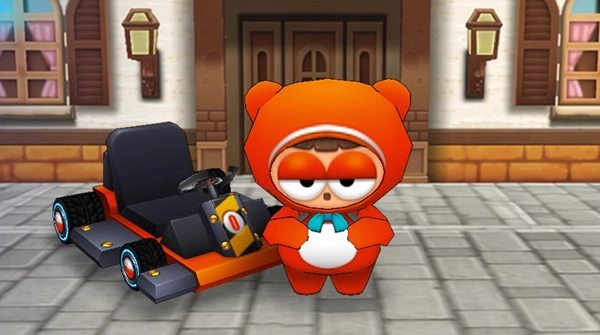
▲ The Alters representative image (Image Source: 11 bit studios official website)
Q: Are you considering any internal guidelines or transparency measures to alleviate these concerns?
Mintrocket CEO Hwang Jae-ho:Regardless of user sentiment, our policy is not to use AI in the final product itself.
We believe Mintrocket must deliver something truly new, not just copies or 'likes.' We empower our talented planners and artists to use AI to find better references, faster.
In short, while AI is an essential tool in our development process, we ensure that the actual product that reaches the user has passed through the hands of our creators.
Q: Do you think AI-generated art, video, or audio will ever replace human creators, or will it remain a mere assistant?
Mintrocket CEO Hwang Jae-ho: AI is a tool that excels at finding and assembling existing data with high proficiency. While it mimics creativity, it isn't an algorithm that births something from nothing, which sets a clear limit.
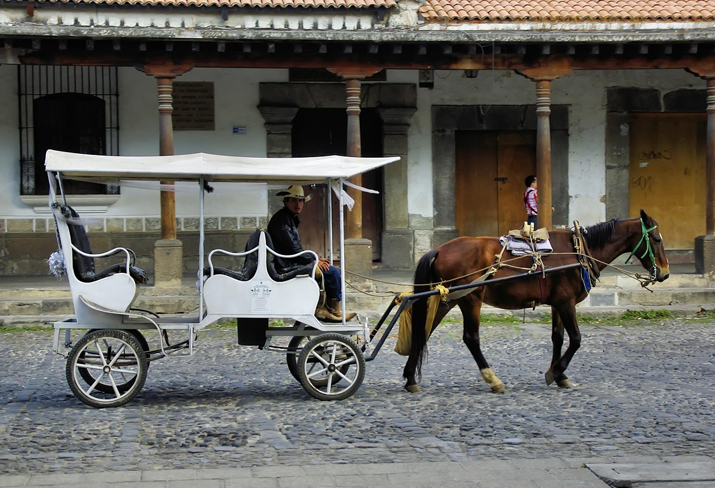
Even if the tech advances further, the choice of what to select from the options remains human. Just like the shift from carriages to self-driving cars, the human must decide the destination.
▲ CEO Hwang emphasizes that while AI is like the evolution of transport, the human driver's intent remains paramount (Image Source: Pixabay)
Q: What is AI's greatest strength in game development, and where is efficiency being maximized?
Mintrocket CEO Hwang Jae-ho: Planners and artists can now communicate using more precise references rather than just vague text. Programmers can offload mundane tasks to focus on the heavy lifting. PMs and operations save significant time through automated meeting minutes and task management.
It isn't about creating something from nothing; it's about pruning repetition and communication gaps. AI-driven code reviews, in particular, allow us to catch logic flaws early, cutting the cost of building test environments.
Q: On the flip side, what are the clear limitations of current AI technology?
Mintrocket CEO Hwang Jae-ho: As a studio developing new titles, learning and applying specific styles remains a hurdle. While AI is getting smarter, it struggles to adapt to unique art styles. Plus, using enterprise solutions always brings security concerns that we must monitor.
Q: Where do you see AI in game development in the next 3 to 5 years?
Mintrocket CEO Hwang Jae-ho: It will expand into vast areas. It will bring monumental changes to fields requiring contextual understanding, like voice acting and translation. While large corporations face scrutiny, indie developers are often given more leeway, so we’ll likely see an explosion of AI use in the indie scene.
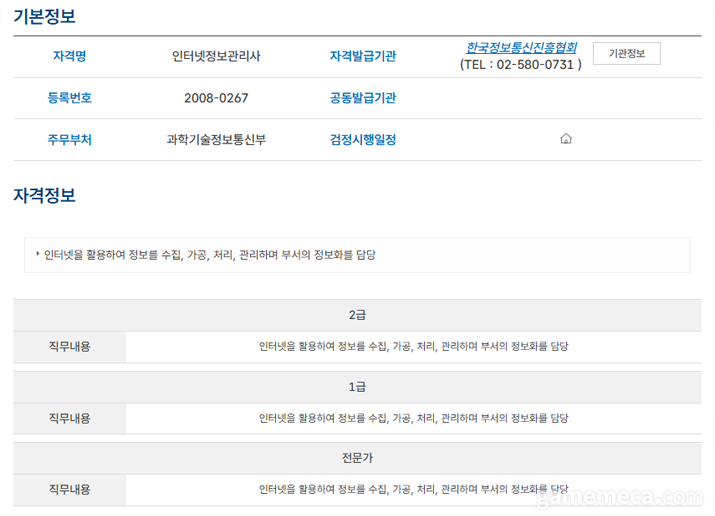
Just as search engines made 'internet information managers' obsolete, prompt engineering will become more refined, lowering the barriers to entry. Unity and Unreal are already baking AI into their engines. We're in the early stages, but soon, we'll be manipulating engine functions through natural language prompts.
▲ The internet information manager role effectively faded away as search engines matured (Data Source: Qualification Information Service official website)
Q: Many fear that AI will shrink the job market for art, QA, and planning. What is your take?
Mintrocket CEO Hwang Jae-ho: It's a harsh truth. As automation increases efficiency, the demand for manual labour inevitably drops. The realistic approach is to strive to be a more versatile talent—someone who can command AI and thrive in human-to-human collaboration.
Q: Do you agree that AI will shift roles and create new jobs rather than simply replacing them?
Mintrocket CEO Hwang Jae-ho: In the short term, 'AI experts' might be a title, but as AI becomes ubiquitous, it will be a standard skill. The current job roles will largely remain, but the core competencies required of each individual will shift drastically.
Q: What new skills or training should a studio demand from its staff in the AI era?
Mintrocket CEO Hwang Jae-ho: The demand for teamwork will intensify—specifically, the ability to quickly produce mock-ups and iterate through collaboration.
The old way was for individuals to toil away on their own skills for ages before reporting. Now, we're moving toward high-speed production where small, nimble teams use AI to craft complete, high-quality works.
AI proficiency is now a requirement. Future survival will depend on small teams covering adjacent fields with AI. As AI handles implementation, the core edge will shift to 'architectural design'—problem definition and system structure. One must cultivate 'Critical Verification' skills to identify logic errors in AI outputs.
Q: What is your ultimate goal for game development or your studio through AI technology?
Mintrocket CEO Hwang Jae-ho: We aim to maximize individual creativity and eliminate the 'leaks' in our long development processes. By giving our talented people better tools, we want to deliver more fun experiences at a much faster pace.
작년에 게임 개발 환경에서 ‘생성형 AI’ 활용은 거부하기 어려운 흐름으로 자리잡았다. 그럼에도 이에 대한 찬성과 반대는 엇갈리고 있다. 게임업계에서도 ‘AI 활용이 미래’라며 적극적인 도입을 주장하는 측이 있는 반면, AI 남용으로 인한 질적하락 등에 대한 우려를 드러내며 반대하는 의견이 팽팽히 맞서고 있다 게이머 사이에서도 결과물만 좋다면 AI 사용 여부는 크게 상관이 없다는 반응부터, AI를 사용해 개발한 게임에 불매운동을 벌인다는 부정적인 의견까지 편차가 크다.
이처럼 생성형 AI에 대한 찬성과 반대가 엇갈리는 와중, 국내 유명 게임 개발자나 개발사 대표들은 이에 대해 어떻게 생각하고 있을까? 게임메카는 AI로 인한 변화가 한층 더 커질 것으로 예상되는 2026년을 맞이해, 국내 대표 게임 개발자를 초빙하여 생성형 AI 활용에 대한 현황과 앞으로의 전망을 들어보는 시간을 마련했다.
데이브 더 다이버로 글로벌적인 입지를 확보한 민트로켓은 2024년 11월에 넥슨에서 분사해 자회사가 됐고, 작년 3월에 새로운 사무실로 이전했다. 현재 민트로켓은 데이브 더 다이버 신규 DLC ‘인 더 정글’을 포함해 신규 프로젝트 다수를 진행하고 있다.
민트로켓을 이끌고 있는 황재호 대표는 생성형 AI는 필수불가결한 도구지만, 그 결과를 판별할 인간의 비판적인 검증 능력 역시 중요해질 것이라 밝혔다. 황재호 대표는 “마차에서 자동차, 그리고 자율주행차까지 발전하더라도 어디로 가고 싶은지 결정하는 것은 결국 인간의 몫이기 때문이다”라며 방향을 정하는 인간의 역할은 사라지지 않으리라 내다봤다.
황 대표는 생성형 AI 활용에 대해 기존에 없던 것을 만드는 것보다는, 반복작업과 소통 오류를 줄이는 점에서 크게 도움이 된다고 보고 있다. 따라서 민트로켓 역시 기획, 아트, 프로그래밍, PM 등에서 반복업무를 줄이거나, 협업 시 소통 효율을 높여주는 방향으로 사용 중이다. 다만 게이머들이 즐길 최종 결과물은 AI가 아니라 실제 창작자들의 손을 거쳐서 선보일 방침이다.
Q: 현재 민트로켓의 AI 활용률은 업계에서 어느 정도라고 평가하나?
민트로켓 황재호 대표: 중간 정도라고 생각한다. 회의록 작성, 업무상 데이터베이스 생성, 레퍼런스 이미지 생성 등에 쓴다.
Q: 어떤 분야에 주로 사용하고 있는가?
민트로켓 황재호 대표: 기획에서는 간단한 프로토타입을 만들고, 해외 문서나 영상을 번역해서 참고한다. 아트는 레퍼런스 이미지 검색, 생성을 통해 아이디어를 기획과 통일하기 위해 사용한다. PM 조직에서는 다양한 자동화를 통해 개발 효율을 높이고 있다.
프로그램 조직에서는 기술 리서치와 코드 리뷰, 구현 작업 전에 설계한 내용에 잠재적 오류가 없는지, 의도대로 설계 되었는지에 대해 질의응답을 반복하며 코드 품질 향상에 활용하고 있다.
AI 학습을 통해 중복 작업이 필요한 일이나, 베리에이션(기본안을 바탕으로 설정, 색상, 형태 등을 조금씩 변형해 여러 버전을 만드는 작업)이 요구되는 작업 시 쓰고 있다. 나노바나나 프로나 제미나이 등 주요 AI 모델의 최신 버전이 공개될 때마다 빠르게 적용해 활용 중이다.
Q: 최근 일러스트 등 AI 사용 결과물에 대해 게이머들이 '창작자의 고유 영역 침해', '영혼 없는 콘텐츠' 등을 이유로 삼아 반감을 보이는 현상이 있다. 이에 대해 어떻게 생각하는지, 게이머들의 반감이 게임 콘텐츠의 수용도나 매출에 미치는 영향이 있다고 보는지 궁금하다.
민트로켓 황재호 대표: 충분히 그럴 수 있다고 생각한다. 과거에 누군가의 엄청난 몰입과 시행착오로 만든 것을, AI를사용해 순식간에 비슷한 결과물까지 생성해낼 수 있다는 점에 거부감이 생기는 것이 당연하다. 특히 디 얼터스(게임에 AI로 생성한 텍스트 등을 넣었고, 이를 스팀 공식 페이지에 밝히지 않았음)처럼, 미공개로 사용하는 경우 제작진의 악의가 없었다고 해도 유저들의 강렬한 반발이 일어나며 매출과 평가에도 일부 영향을 미칠 수 있다고 생각한다.
▲ 디 얼터스 대표 이미지 (사진출처: 11비트 스튜디오 공식 홈페이지)
Q: 게이머들의 거부감을 줄이기 위해 회사 차원에서 투명성 확보를 위한 노력이나 가이드라인 마련을 고려하고 있는가?
민트로켓 황재호 대표: 꼭 유저의 반감 때문이 아니더라도, 최종 결과물에 AI는 쓰지 않도록 할 생각이다.
앞으로 민트로켓에서 만드는 것은 단순 모작이나 라이크가 아닌 무언가 새로운 것들을 보여줘야 한다고 생각하기 때문에, 창의력 높은 기획자나 아티스트가 AI를 통해 더 적합한 레퍼런스를 더 빠르게 찾도록 도울 것이다.
즉, 제작 과정에 AI를 도구로 사용하는 것은 필수불가결한 일이지만, 이를 판별하고 최종적으로 유저에게 도달하는 제품은 창작자들의 손을 거치도록 할 생각이고 지금도 그렇게 하고 있다.
Q: 일러스트, 영상, 음성 등 AI가 생성한 콘텐츠의 품질과 독창성이 가까운 미래에 인간이 만든 창작물을 완전히 대체할 수 있을 것이라 예상하나? 아니면 AI는 인간을 돕는 보조 도구에 머무를 것이라 보는가?
민트로켓 황재호 대표: 결국 AI는 기존에 있는 것을 잘 찾아서 상당히 높은 완성도로 만들어주는 도구라고 생각한다. 물론 창작처럼 보이는 수준까지 오긴 했지만, 기존에 완전히 없던 것을 만들어내는 알고리즘이 아니기 때문에 어느 정도 한계는 있을 것이라 예상한다.
설령 그 이상 기술이 발전하더라도, 결국 여러 옵션 중 무엇을 고를지 선택하는 것은 인간의 몫이기 때문에 AI는 도구로서의 역할에 머무를 것 같다. 마차에서 자동차, 그리고 자율주행차까지 발전하더라도 어디로 가고 싶은지 결정하는 것은 결국 인간의 몫이기 때문이다.
▲ 황재호 대표는 생성 AI를 마차에서 자율주행차로 나아가는 과정에 비유하며, 기술 발전 하에서 방향을 정할 인간이 중요하다고 강조했다 (사진출처: 픽사베이)
Q: 게임 개발 분야에서의 AI의 가장 큰 강점은 무엇이며, 어떤 부분에서 개발 효율성을 극대화하고 있다고 보는가?
민트로켓 황재호 대표: 기획자와 아티스트는 그동안 텍스트와 레퍼런스로만 커뮤니케이션해왔으나, 이제 훨씬 정교한 레퍼런스를 바탕으로 소통하며 일할 수 있게 되었다. 프로그래머들은 단순한 반복 작업을 AI에 맡기면서 훨씬 중요한 일에 집중할 수 있다. PM과 운영은 회의록뿐 아니라, 태스크 관리에서 AI로 인한 자동화를 통해 개발의 시간 비용을 크게 절약할 수 있게 됐다.
없는 것을 만드는 형태가 아니라, 기존에 있던 반복과 소통 오류를 줄이는 점에서 크게 도움이 된다. 특히 AI 기반 코드 리뷰는 기존 테스트 환경 구축(샘플 프로젝트, 치트 등)에 소요되던 비용을 절감하고, 실행 전 단계에서 예외 및 잠재적 오류를 검증하고 있다. 이를 통해 논리적 결함을 조기에 차단함으로써, 개발 생산성을 향상시켰다.
Q: 반면, 현재 AI 기술이 가진 명확한 한계점은 무엇이라고 보는가?
민트로켓 황재호 대표: 신작 게임을 개발하는 입장에서 스타일 학습과 활용에 대한 어려움이 있다. AI가 점점 똑똑해지고 있긴 하나, 독특한 아트 스타일로 개발하는 경우 이를 학습시켜 자연스러운 레퍼런스를 만들어내는 데에는 한계가 있다. 기업용 제품을 쓰면 되긴 하나, 보안에 대한 이슈도 항상 신경써야 한다.
Q: 향후 3~5년 이내에 게임 개발 과정에서 AI 사용 범위가 어디까지 확대될 것이라 예상하는가?
민트로켓 황재호 대표: 엄청난 분야로 확대되리라 생각한다. 특히 맥락에 대한 이해가 필요하면서 규정된 요소를 기반으로 내용을 구성하는, 예를 들면 음성이나 번역에 대해서는 엄청난 변화를 불러올 것이다. 또, 대기업의 AI 사용에 대해서는 부정적인 시각이 많지만, 소규모 인디에는 다소 유하게 보는 경향이 있으므로, 인디를 중심으로 AI 사용은 압도적으로 늘어날 것이다.
검색 엔진이 발달하며 '인터넷정보관리사'가 자연스럽게 소멸했듯이, AI 기술도 프롬프트 분석의 고도화를 통해 사용 장벽이 점차 사라질 것이다. 이미 유니티와 언리얼 엔진에서 AI를 내장하는 시도를 진행 중이다. 프롬프트를 통해 엔진 기능을 구현하는 단계가 아직은 미숙하지만 가능한 수준에 도달했고, 가까운 미래에는 AI로 엔진 기능을 자유롭게 사용할 수 있을 것으로 예상한다.
▲ 검색 엔진이 발전하며 유명무실해진 인터넷정보관리사 (자료출처: 민간자격정보서비스 공식 홈페이지)
Q: AI 활용 확대로 인해 아트/QA/기획 등 특정 분야 일자리가 줄어들 것이라는 우려와 걱정이 많다. 이에 대한 견해는 어떠한가?
민트로켓 황재호 대표: 사실이라고 생각한다. 자동화와 효율화가 진행될수록 이전보다 필요 노동력이 줄어드는 것은 필연적이다. 이러한 상황에서 더 활용도 높은 인재, 즉 AI를 다룰 수 있고 인간 간의 협업에 능숙한 인재가 되는 것을 목표로 삼는 것이 현실적이라 본다.
Q: AI가 일자리를 대체하는 것이 아니라, 기존 인력의 역할을 변화시키거나 새로운 직무를 창출할 것이라는 의견에 대해 동의하는가?
민트로켓 황재호 대표: 단순하게 보면 ‘AI 전문가’라는 직종이 있을 것이지만, 현재 AI는 사용성이 비약적으로 좋아지고 있기 때문에 몇 년 뒤에는 보편화되며 전문 AI 직군보다는 개별 직군에서 활용 능력에 따라 실력과 평가가 크게 갈릴 것으로 생각한다. 현재 게임 직군은 대부분 유지 되겠지만, 개인에게 요구되는 역량은 달라질 것이다.
Q: 게임 개발사로서, AI 시대를 대비해 직원에게 요구되는 새로운 역량이나 교육이 있다면 무엇이라고 생각하나?
민트로켓 황재호 대표: 빠르게 레퍼런스를 찾아 시안을 만들고 이를 통해 더 나은 협업을 도모하는, 즉 팀워크에 대한 요구가 더 강해지리라 생각한다.
기존에는 개인이 가진 스킬을 사용해 장시간 작업하고 보고하는 방식이 주였다. 반면 지금은 빠른 작업물 생산과 협업 도구를 통해 더 높은 수준의 창작물을 공동으로 만들거나, 극단적으로 소규모의 인력이 많은 부분을 AI를 대체해 완성품을 만들어내는 쪽으로 변해갈 것이다.
각 직군에서의 AI 활용 능력은 필수가 될 것이고, 이후 소규모 조직은 인접 영역까지 AI로 커버할 수 있어야 이후 생존에 유리하리라 예상한다. AI가 구현과 정보 탐색을 효율적으로 보조하게 됨에 따라, 단순 코딩 기술보다는 명확한 문제 정의와 시스템 구조를 그리는 '설계 및 아키텍처 역량'이 핵심 경쟁력이 될 것이다. 이에 따라 AI가 산출한 결과물의 논리적 오류를 식별하고, 적합성을 판단할 수 있는 ‘비판적 검증 능력(Critical Verification)’ 함양에 집중해야 한다.
Q: AI 기술을 통해 궁극적으로 달성하고 싶은 게임 개발, 혹은 기업의 목표는 무엇인가?
민트로켓 황재호 대표: 개인의 창의력을 극단적으로 향상시키고, 이를 통해 기존의 긴 프로세스에서 발생하던 누수를 없애는 쪽으로 움직이려 한다. 유능한 인력에게 더 편리한 도구를 쥐어주어 더 재미있는 물건을 더 빠른 속도로 완성해내는 것을 궁극적인 목표로 삼고 있다.