
[New Year Special] Coexistence with Generative AI ④ IMC Games CEO Kim Hak-kyu
[신년특집] 생성형 AI와의 공존 ④ IMC게임즈 김학규 대표
2026.01.14 16:51 UTC+9

AI Summary
CEO Kim Hak-kyu views AI as an essential tool that can revive the creative spirit of small-team development. He believes that by automating repetitive tasks, developers can focus on pioneering new genres and depth. Success in the AI era depends on human discernment in curating outputs and setting precise goals.
Last year, the integration of 'Generative AI' into game development ceased to be a mere trend and firmly established itself as an unavoidable reality. Yet, the industry remains deeply divided. Some champions of the technology argue that 'AI is the future' of development, while others push back with concerns regarding the potential decline in quality and the dilution of craftsmanship. Players are equally torn; reactions range from complete indifference towards the production process, as long as the game is fun, to outright hostility, with some even boycotting titles developed with AI assistance.
Amidst this heated debate, how do the titans of the Korean gaming industry view the horizon? As we enter 2026—a year poised to see the influence of AI expand exponentially—Gamemeca sat down with some of the country’s most prominent developers to discuss the current state of AI adoption and what the future holds.
[Related Articles]
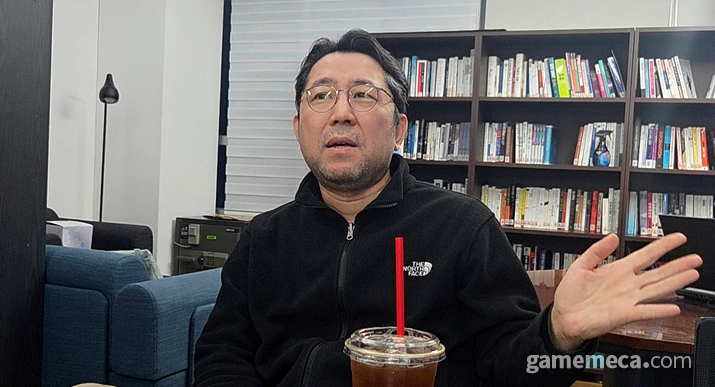
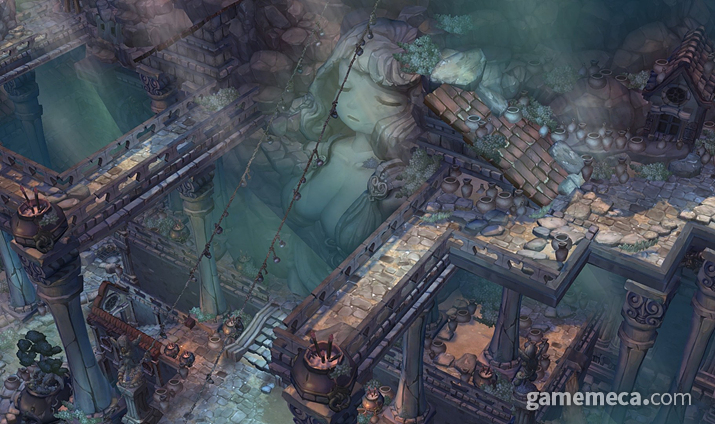
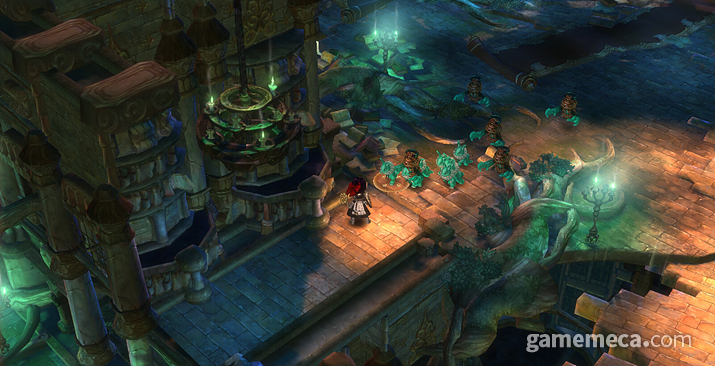
CEO Kim Hak-kyu has been a fixture in the industry since 1994, leaving his mark on iconic titles such as 'Arcturus', 'Ragnarok', 'Granado Espada', and 'Tree of Savior'. Renowned for his meticulous artwork and evocative original soundtracks, he continues to lead from the front, balancing his duties as an executive with active research into new genres and technologies.
As AI reshapes the industry, Kim points to its 'tireless execution' as its greatest strength. He suggests that AI could facilitate a return to the creative, lean development culture of the past. He believes that the individual creativity often diluted in today's massive teams can be rediscovered through AI as a catalyst.
Furthermore, Kim emphasizes the necessity of 'curation'—the human ability to sift through the vast output of AI to find the gold. Relying blindly on AI to churn out soulless content is a trap, he warns; ultimately, the quality of a game is determined by the human hand that wields the tool.
Q. What is the current level of AI adoption at IMC Games?
CEO Kim Hak-kyu: Because the applications are so broad, we are using it in various fields from asset generation to refining planning documents. However, our focus isn't on using the AI output as-is, but rather on streamlining repetitive tasks to boost efficiency.Actually, we use it quite often for non-development tasks. For instance, after years of servicing games, the amount of source code and data becomes massive. Handing this over to new staff is a headache, and we are using AI to automate the documentation of these processes.On a personal note, I’ve spent two years studying AI and even built my own language model. When I started making games, my dream was to create a 'living, breathing world of my own,' and I feel that day is finally within reach.
Q. How do you respond to the growing player backlash regarding AI, specifically claims that it 'infringes on creator rights' or produces 'soulless content'?
CEO Kim Hak-kyu: We are very cautious about this, as players are understandably sensitive. I believe the resistance isn't necessarily against the technology itself, but against perceived laziness from development teams. It is not unlike the controversies surrounding tracing or plagiarism in webtoons or dramas.If you use AI to simply spew out content rapidly, a dip in quality is inevitable. You must change your approach. If AI can draw a picture in 20 seconds that used to take a week, the answer isn't to increase the volume by a thousandfold, but to curate the best results and refine them further. It’s about using AI to generate more samples, then having humans select and polish the best pieces to ensure high quality.
Q. Do you believe AI-generated creative elements will eventually replace human creators entirely?
CEO Kim Hak-kyu: It is far too early for that. AI is a tool—nothing more. If your prompts are unclear, your results will be useless. Someone must bear the responsibility for errors, whether in game design, medicine, or accounting. Ultimately, humans must remain the ones who decide if a game meets the players' needs and take responsibility for that vision.
Q. What do you see as the current limitations of AI?
CEO Kim Hak-kyu:To be precise, it’s not a limitation of the AI, but of the user. If you don't provide precise instructions, the AI will only give you a mediocre output. To get high-quality work, you need to fine-tune models and build a pipeline for refining drafts. AI is just a tool; how effectively it is used depends entirely on the user's proficiency.

Q. What is your view on the concerns that AI will lead to workforce reductions?
CEO Kim Hak-kyu:It’s not so much about job loss as it is about a shift in roles. It’s like giving an excavator to someone who used to dig with a shovel. Just because one excavator does the work of ten men doesn't mean those nine are fired; it means they can now attempt much larger construction projects they never would have dreamed of before. We will see a shift toward finding hidden value and tackling bolder, more ambitious projects.
Q. What kind of new attempts does this enable?
CEO Kim Hak-kyu:For example, creating an RPG where the story changes infinitely based on player choices was impossible with traditional manpower. AI productivity makes this achievable within manageable limits. We are also researching automated reinforcement learning for balance testing and bug detection in our new projects. AI will act as a safety net that allows us to inject creative ideas without breaking the game.
Q. What is the biggest strength of AI in game development right now?
CEO Kim Hak-kyu:Its tireless execution. Being in my early 50s, coding manually is physically taxing. But with AI, I can command via text, receive results, and debug more efficiently. In the 90s, small teams of 4-5 people functioned like 'rock bands,' focusing purely on originality. As the industry scaled, it became like an 'idol' business, requiring hundreds of people and massive resources, which diluted individual creativity.AI can bridge that gap, allowing smaller teams to craft games with the depth and character of AAA titles. If used positively, it can help revive that early, creative development culture.
Q. How will AI adoption change the industry in the next 3 to 5 years?
CEO Kim Hak-kyu:AI will become a necessity, not an option. It is like an artist moving from brush and canvas to Photoshop and tablets. Studios that refuse to adapt will lose their competitive edge. It won't necessarily change the core of user experience, but it will enable more intricate games and vast, open-ended worlds that were previously impossible to build.
Q. What skills should developers cultivate in the era of AI?
CEO Kim Hak-kyu:You need proficiency in using AI tools. Within a few years, we will reach a level where verbal commands suffice. The critical skill is the ability to audit the AI's output and judge whether it aligns with your vision. You must use AI to clear away the grunt work so you can invest your time into higher-level creative thinking. It is an era that demands the ability to design precise inputs and possess the discernment to choose the right outputs.
Q. Finally, what is your ultimate goal for using AI internally?
CEO Kim Hak-kyu:It boils down to two things. First, 'pioneering new genres'—creating living, breathing worlds with infinite freedom that were previously impossible to implement. Second, 'innovating the development process'—replacing repetitive tasks with AI support systems so that our developers can focus on what truly matters: creating genuine fun.
작년에 게임 개발 환경에서 ‘생성형 AI’ 활용은 거부하기 어려운 흐름으로 자리잡았다. 그럼에도 이에 대한 찬성과 반대는 엇갈리고 있다. 게임업계에서도 ‘AI 활용이 미래’라며 적극적인 도입을 주장하는 측이 있는 반면, AI 남용으로 인한 질적하락 등에 대한 우려를 드러내며 반대하는 의견이 팽팽히 맞서고 있다 게이머 사이에서도 결과물만 좋다면 AI 사용 여부는 크게 상관이 없다는 반응부터, AI를 사용해 개발한 게임에 불매운동을 벌인다는 부정적인 의견까지 편차가 크다.
이처럼 생성형 AI에 대한 찬성과 반대가 엇갈리는 와중, 국내 유명 게임 개발자나 개발사 대표들은 이에 대해 어떻게 생각하고 있을까? 게임메카는 AI로 인한 변화가 한층 더 커질 것으로 예상되는 2026년을 맞이해, 국내 대표 게임 개발자를 초빙하여 생성형 AI 활용에 대한 현황과 앞으로의 전망을 들어보는 시간을 마련했다.
IMC게임즈 김학규 대표는 1994년 게임 개발을 시작해, ‘악튜러스’, '라그나로크', '그라나도 에스파다', '트리 오브 세이비어', 등 한국 게임 시장을 관통하는 굵직한 작품들을 선보여 왔다. 이에 더해 섬세한 아트워크와 독창적인 OST를 통해 국내 대표 개발자로 입지를 굳혔으며, 현재는 경영자이자 현역 개발자로서 기술 연구와 신장르 개척 등 활발한 활동을 이어가고 있다.
게임 업계에 AI 기술이 도입되며 산업 전반에 변화가 예고되는 가운데, 김 대표는 AI의 가장 큰 강점으로 '지치지 않는 실행 능력'을 꼽았다. 그는 과거 소규모 개발팀이 가졌던 창의적이고 주도적인 개발 분위기를 AI가 다시금 부활시킬 수 있을 것으로 전망했다. 인력이 늘어나며 희석되었던 개개인의 창의성이 AI라는 도구를 통해 다시 발현될 수 있다는 것이다.
나아가 김 대표는 AI가 만든 수많은 결과물 중 최상의 것을 선별해내는 '큐레이션'의 필요성을 강조했다. AI를 맹목적으로 사용하여 성의 없는 결과물을 내놓는 것은 경계해야 하며, 결국 도구를 다루는 인간의 역량이 결과물의 품질을 좌우한다고 전했다.
Q. 현재 IMC게임즈의 AI 활용률은 어느 정도인가?
김학규 대표: AI 활용도가 워낙 광범위하다 보니, 그림 생성이나 기획서 보강 등 다양한 분야에서 사용되고 있지만 저마다 활용도가 모두 다르다. 다만 AI가 만든 결과물을 그대로 사용한다기보다는, 반복적인 작업을 위한 노동 효율화에 초점이 맞춰져 있다.사실 내부에서는 개발 외적인 분야에서 더 자주 사용되고 있다. 예를 들어 게임을 오래 서비스하다 보면 소스 코드나 데이터가 필연적으로 어마어마하게 쌓이는데, 담당자가 바뀌면 이를 인수인계할 때 많은 애를 먹는다. 이 과정을 자동화하는 데 AI를 많이 쓰고 있다.이와 별개로 AI가 업계 화제로 떠오르기 시작했을 때, 개인적으로 관련 분야를 2년간 공부해 직접 AI 언어 모델을 만들기도 했을 정도로 중요성을 두고 있다. 게임을 처음 만들 때 ‘살아 움직이는 나만의 세상을 만들고 싶다’라는 생각으로 시작했는데, 생각보다 가까운 미래에 가능할 것 같다는 생각을 최근에 많이 한다.
Q. 최근 AI 사용 결과물(특히 일러스트, 영상, 음성 등 크리에이티브 영역)에 대해 게이머들이 '창작자의 고유 영역 침해', '영혼 없는 콘텐츠' 등의 이유로 반감을 가지고 있는 현상에 대해 어떻게 생각하는지?
김학규 대표: 최근 AI 사용 여부가 유저들에게 예민한 문제다 보니, 내부에서도 많은 신경을 쓰고 있다. AI에 대한 유저들의 거부감은 AI 자체의 문제라기보다는 개발팀의 무성의함을 지적하는 것이라고 생각한다. 웹툰이나 드라마 등 다른 미디어에서 트레이싱 및 표절이 논란이 되는 것과 같은 이치다.AI를 활용해 단순히 빨리, 많이 만들어서 쏟아내면 질적 하락은 불가피하다. 때문에 접근 방식을 달리할 필요가 있다. 과거에 일주일에 한 장 그리던 그림을 AI가 20초 만에 그린다면, 단순히 양을 늘리는 것이 아니라 수천 장을 생성한 뒤 그 안에서 인간이 훌륭한 결과물을 모아서 재가공할 필요가 있다. AI가 만든 것을 그대로 쓰는 것이 아니라, 표본이 많아지는 만큼 좋은 소스를 모으고 정제하여 품질을 높이는 과정이 필요하다.
Q. AI가 생성한 크리에이티브 요소의 품질과 독창성이 가까운 미래에 인간이 만든 창작물을 완전히 대체할 수 있을 것이라고 보는가?
김학규 대표: 아직은 시기상조라고 생각한다. AI는 도구 그 이상도 이하도 아니다. 질문이나 명령이 명확하지 않으면 원하는 답을 얻을 수 없고, 잘못된 결과에 대한 책임도 결국 사람이 져야 한다. 회계사나 의사 같은 직업도 마찬가지다. 단순히 계산이나 진단을 AI가 한다고 해도, 그 결과에 대해 법적, 도의적 책임을 지는 것은 인간이다. 게임 개발 역시 결과물이 유저가 원하는 방향인지 판단하고 책임지는 주체는 인간이어야 한다.
Q. 현시점에서 AI가 가진 명확한 한계점은 무엇이라고 생각하는지?
김학규 대표: 엄밀히 말하면 AI의 한계라기보다 AI를 사용하는 사람의 한계다. 사용자가 명령을 세밀하게 설정하지 않으면 AI는 딱 그 수준의 답만 내놓는다. 원하는 고품질 결과물을 얻기 위해서는 모델을 개량(파인 튜닝)하거나, 초안을 리파이닝(정제)하는 파이프라인을 구축해야 한다. 결국 AI는 도구일 뿐이며, 이를 얼마나 정교하게 활용하느냐는 전적으로 사용자의 역량에 달려 있다.
Q. AI 도입이 개발 인력 감축이나 일자리 대체로 이어질 것이라는 시각에 대해 견해를 듣고 싶다.
김학규 대표: 기존 일자리가 줄어든다기 보다는, 직무의 역할이 바뀔 것이다. 삽으로 땅을 파던 사람들에게 포크레인을 쥐어준 것과 같다. 포크레인 한 대가 삽질하는 10명분의 일을 한다고 해서 나머지 9명은 해고되는 것이 아니라, 그 장비를 활용해 이전에는 엄두도 못 냈던 더 거대한 공사를 시도할 수 있다. 이처럼 숨어 있는 가치를 찾고, 더 과감한 프로젝트를 시도하는 방향으로 업무 환경이 변화할 것이다.
Q. 구체적으로 어떤 새로운 시도가 가능해지는지?
김학규 대표: 예를 들어 RPG에서 유저 선택지에 따라 스토리가 무한히 달라지는 구조는 기존 인력으로는 감당이 불가능해 구현할 수 없었다. 하지만 AI의 생산력을 활용하면 수습 가능한 범위 내에서 무한에 가까운 자유도를 제공할 수 있다. 또한 밸런스 테스트나 버그 검수 같은 영역에서도 강화 학습을 통해 자동화가 가능해진다. 실제로 내부 신작 프로젝트에서 밸런싱을 자동으로 잡는 강화 학습 환경을 연구 중이다. 창의적인 아이디어를 과감하게 넣으면서도 버그와 밸런스 붕괴를 막을 수 있는 안전망 역할을 AI가 수행하게 될 것이다.
Q. 현재 게임 개발에 있어서 AI가 가진 가장 큰 강점은 무엇인가?
김학규 대표: 지치지 않는 실행 능력이다. 나처럼 50대 초반이 넘어가면 직접 코딩을 하는 것이 체력적으로 쉽지 않다. 그러나 AI 도구를 활용하면 텍스트로 명령을 내리고 결과를 받아보며 디버깅하는 방식으로 간단하게 작업이 가능하다. 과거 90년대 게임 개발 초창기에는 4~5명의 소규모 팀이 마치 '락밴드'처럼 독창성에 집중해 게임을 만들었다. 하지만 산업이 고도화되면서 수백 명의 인력과 어마어마한 자원이 투입되는 '아이돌' 같은 비즈니스 형태가 되었고, 자연스럽게 개개인의 창의성은 희미해졌다.기술이 발전하고 유저 눈높이가 높아지면서 이를 맞추기 위해 대규모 인력이 필요했던 것인데, AI가 그 공백을 메울 수 있다면 다시 소규모 인원으로도 AAA급 이상의 깊이와 개성을 가진 게임을 만들 수 있다. 다시 말해 AI를 긍정적으로 활용한다면 과거의 창의적인 개발 문화를 되살리는 데 기여할 수 있다는 점이 가장 큰 강점이다.
Q. 향후 3~5년 내 게임 업계에서 AI의 활용 범위가 어떻게 변화할 것으로 보는가?
김학규 대표: AI 사용은 선택이 아닌 필수가 될 것이다. 마치 지금의 아티스트들이 붓 대신 포토샵과 태블릿을 쓰는 것과 같다. 한정된 예산과 시간 안에서 효율을 내야 하는 스튜디오 입장에서 AI를 쓰지 않는다는 것은 경쟁력을 잃는 것과 같다. 다만 이것이 유저 경험을 본질적으로 바꾼다기보다는, 더 정교한 게임을 만들거나 AI 없이는 불가능했던 방대한 자유도의 게임을 만드는 방향으로 발전할 것으로 보고 있다.
Q. AI 시대를 맞아 개발자들이 갖춰야 할 역량이 있다면?
김학규 대표: 기본적으로 AI 도구를 다루는 숙련도가 필요하다. 지금은 과도기지만 내년, 내후년만 되어도 말만으로 명령이 가능한 수준까지 발전할 것이다. 중요한 것은 AI가 내놓은 결과물을 검증하고, 자신이 의도한 바와 맞는지 판단하는 능력이다. 또한 AI를 활용해 단순 반복 작업을 줄이고, 확보된 시간과 자원을 더 창의적이고 고차원적인 고민에 투자할 수 있어야 한다. 입력값(Input)을 정교하게 설계하는 능력과 출력값(Output)을 선별하는 안목이 동시에 필요한 시대가 왔다고 생각한다.
Q. 마지막으로 AI 기술을 통해 내부적으로 달성하고자 하는 궁극적인 목표는 무엇인가?
김학규 대표: 두 가지로 요약할 수 있다. 첫째는 '신장르 개척'이다. 과거에는 구현 불가능했던, 살아 숨 쉬는 듯한 세계와 무한한 자유도를 가진 게임을 만드는 것이다. 둘째는 개발 과정의 혁신이다. 창의적이지 않고 단순 반복 업무를 AI 지원 체계로 대체하여, 개발자들이 본질적인 재미를 만드는 데 집중할 수 있는 환경을 구축하는 것이다.
This news was translated by AI.

I will greet you with a good article. niro201@gamemeca.com

MOST POPULAR NEWS
- Will Miami Airport and Downtown Become 'Vice City' to Match the Release of GTA 6?
- On September 18, a Game and eSports Event to be Held at Dongdaemun DDP
- From Wolverine to Onimusha and Donwalker, Highly Anticipated September Releases Approaching Like a Tsunami
- [gamescom 26] CDPR and SEGA Win Three Awards at Gamescom Awards
- [gamescom 26] A Quick Look at the 25-Year History of Xbox
- Which Teams Will Advance to the Finals? 2026 LCK CL Playoffs Begin on the 31st
- [Today's steam] Sword by day, vampire by night 'Dawn Walker' at the top of sales
- [G-Star 26] HoYoverse to Meet Users via HoYoLAND and G-Star
- Up to 75% Off, Epic Games Store Late Summer Sale Begins
- [gamescom 26] Hands-On with the Hot Soulslike 'Waves of Oblivion'
MEDIA PARTNERSHIPS



GAMEMECA SNS