
[Board Game] Crown the Princess and ascend the throne, Heart of Crown
[보드게임] 공주를 옹립해 왕위에 올려라, 하트 오브 크라운
2026.03.10 10:24 UTC+9

AI Summary
Heart of Crown evolves deck-building with a smart 'Link' system and political 'Succession' mechanics. Despite its divisive anime art, the strategic tension makes it a worthy successor to Dominion. Steam's digital version is a great place to test the waters before buying the physical game.
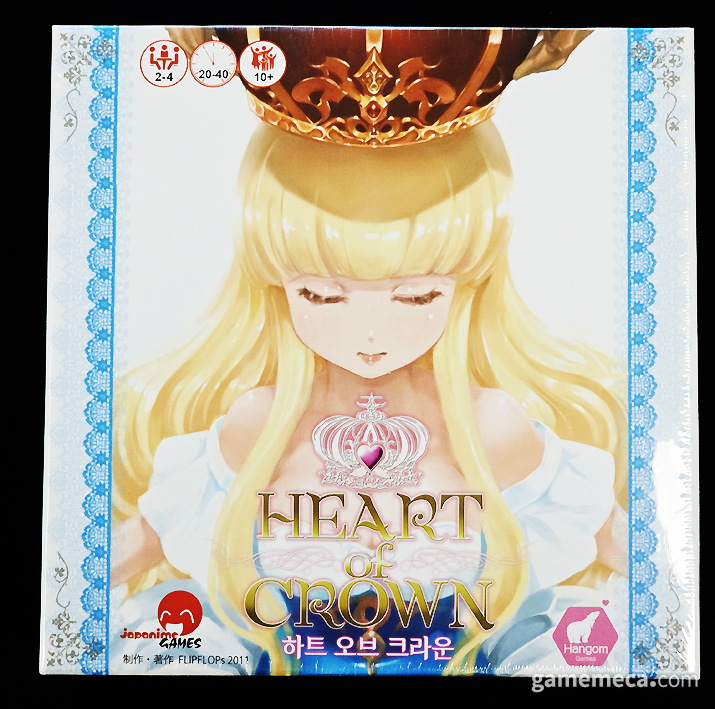
I first dipped my toes into the world of deck-building back in my university days, picking up a physical copy of a game called Dominion. The thrill of crafting that deck is something that’s stayed with me ever since.
At first, the whole concept of buying cards to build a deck felt a bit alien. But once you get a few rounds under your belt, it’s hard to stop. There’s a genuine rush—something beyond mere luck—when you see your carefully curated engine finally click into place. That was the moment I was hooked, and naturally, I started hunting for similar experiences. That search led me to the game I’m discussing today: Heart of Crown.
Art that screams Japanese medieval fantasy anime
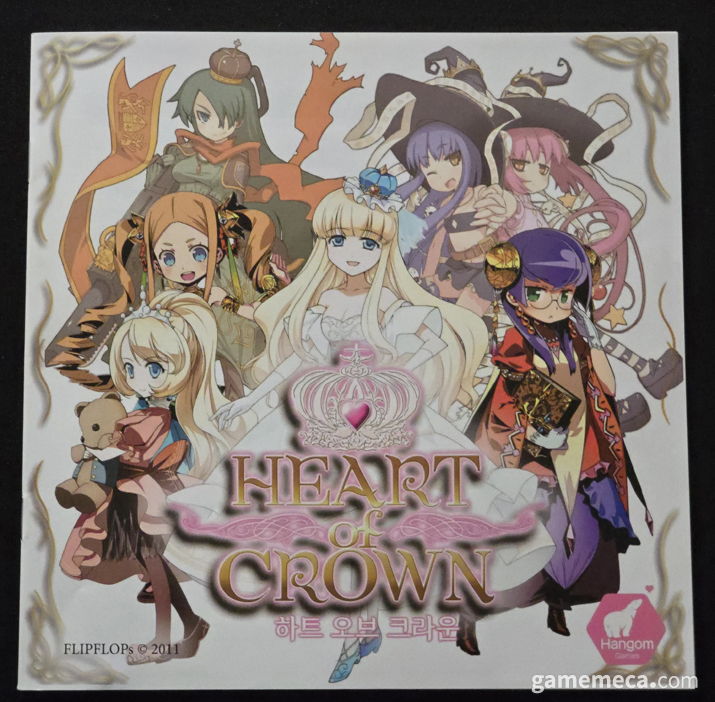
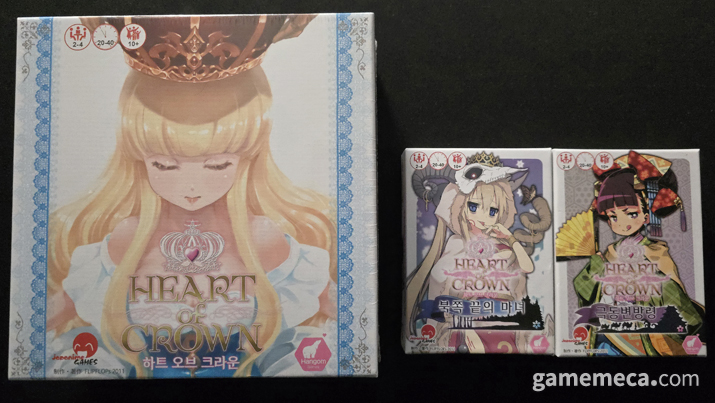
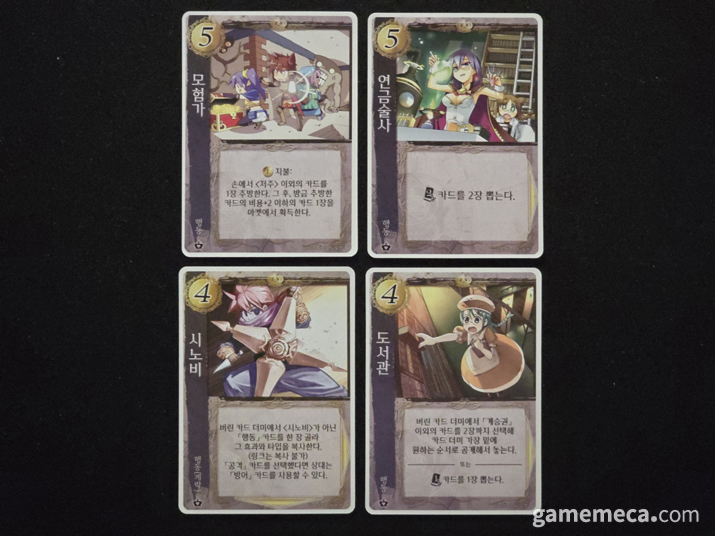
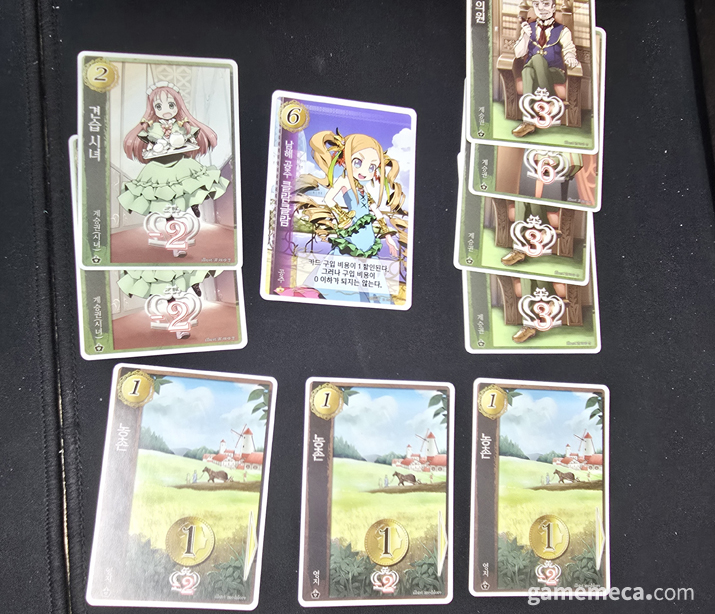
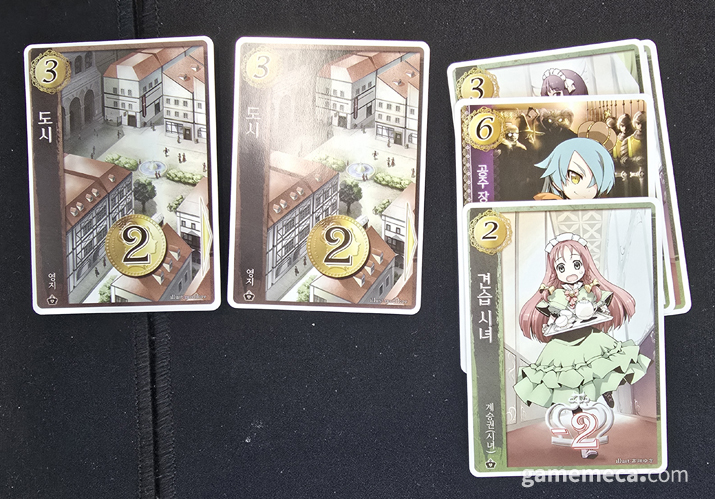
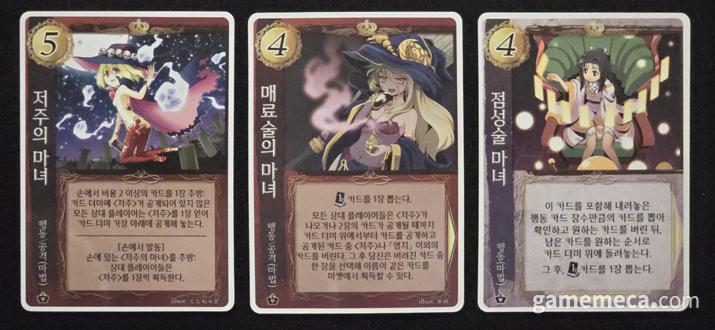
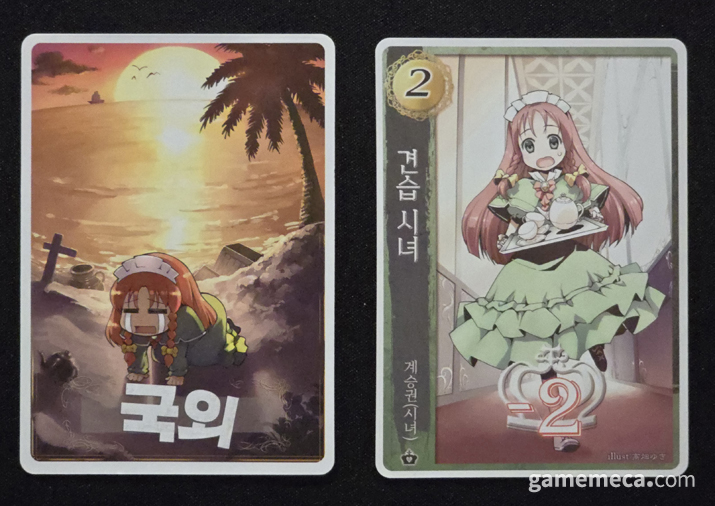
The first thing that hits you about Heart of Crown is the artwork. It feels like a piece of Japanese medieval fantasy anime, standing out with a visual identity that is, to put it mildly, quite assertive compared to most tabletop titles.
Honestly? I had my reservations initially. The design concept is worlds apart from the Euro games I’d been playing. I’d heard glowing reviews about its refined take on deck-building, but when I actually held the cards, that aesthetic clash was hard to ignore.
Perhaps that’s why I was hesitant to bring it to my local game group. Yet, I bought it because I was genuinely curious about the mechanics. I had this lingering itch for more deck-building since Dominion, and I was looking for something to satisfy that craving.
How does it compare to the deck-building titan, Dominion?
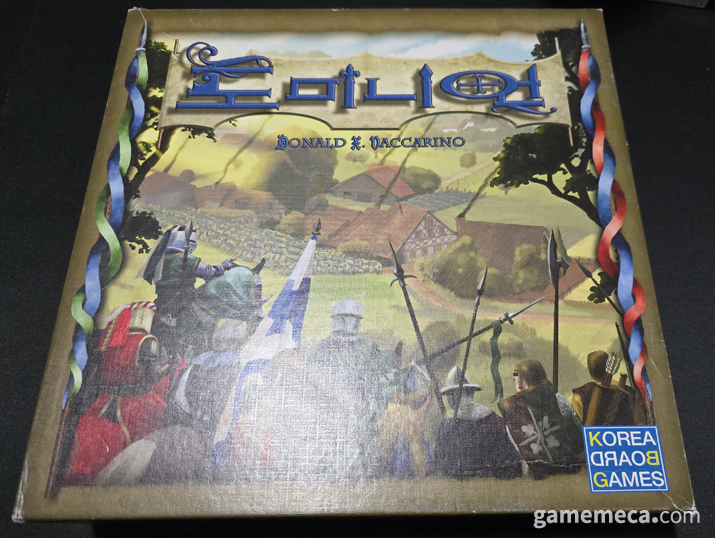
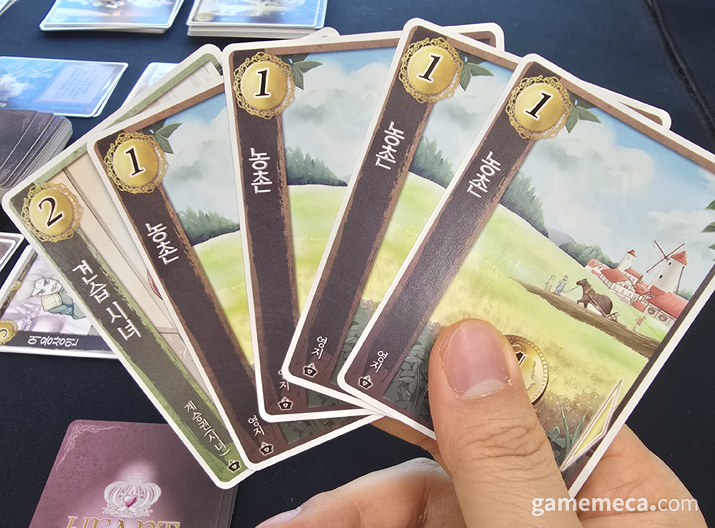
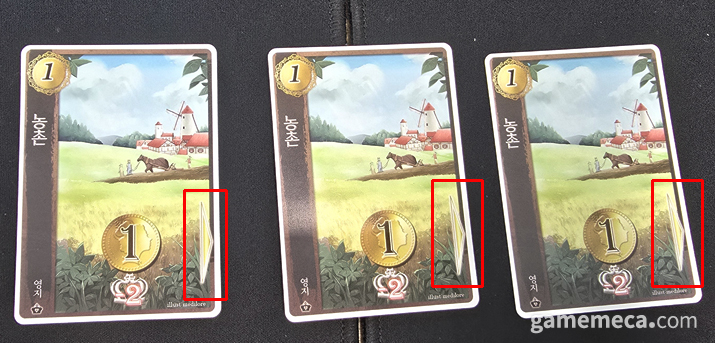
At its core, the flow of Heart of Crown isn't lightyears away from Dominion. You draw five cards each turn, play actions, and buy new cards from the market to bolster your deck.
But if you look closer, there are some clever refinements. In Dominion, you’re constantly mental-mathing your action counts, but Heart of Crown uses a 'Link' system that makes the whole process intuitive. You can finally stop narrating your action count out loud every turn.
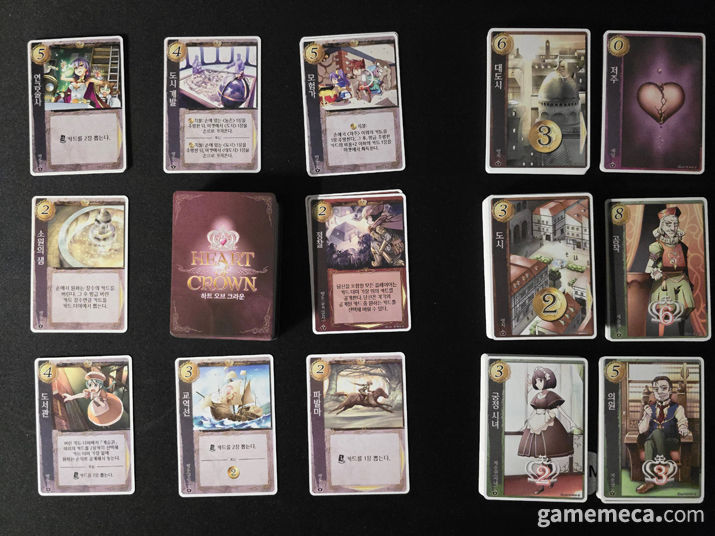
The market structure is also different. In Dominion, all market cards are laid out from the start, but Heart of Crown keeps things veiled. This adds just enough variance to keep the gap between veterans and newcomers manageable. It means even a first-timer has a fighting chance.
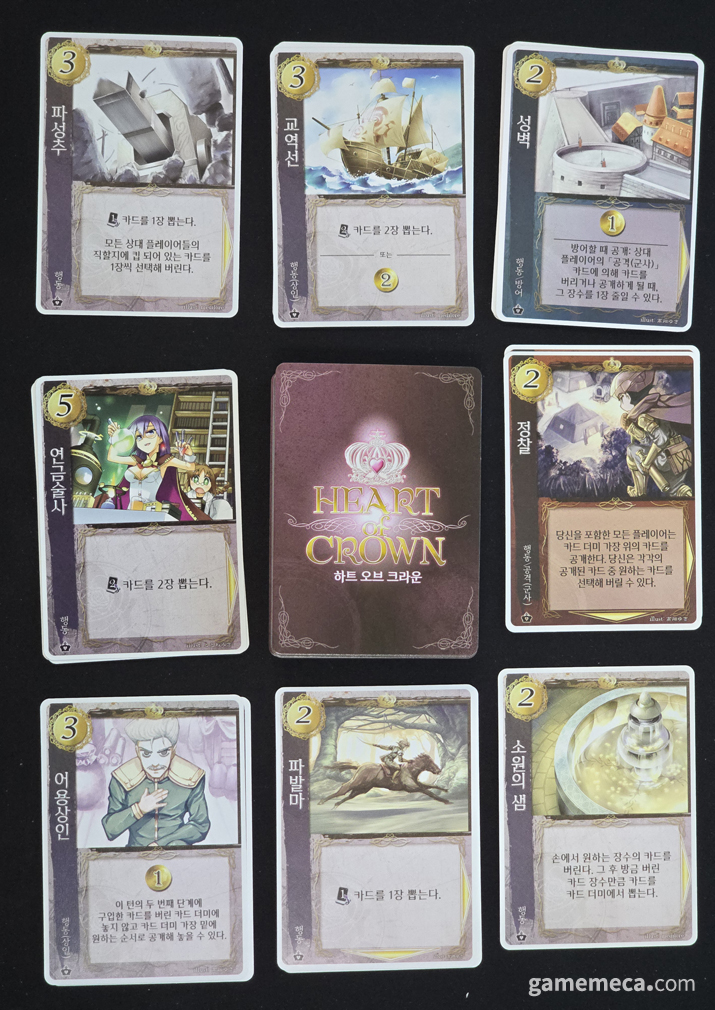
But the real differentiator in Heart of Crown is something else entirely: the 'Succession' mechanic.
Entrone your chosen Princess
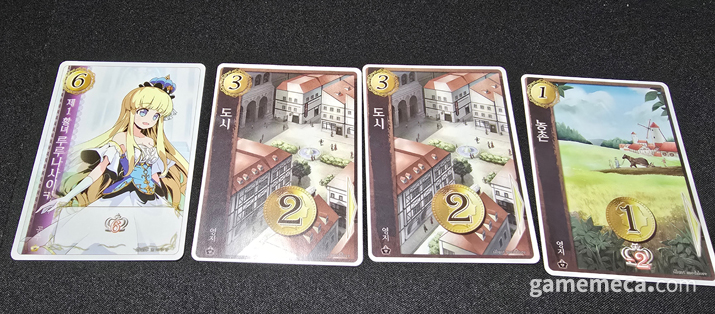
Winning in Heart of Crown isn't just about hoarding victory points. You must nominate a Princess and reach 20 Succession Points under her banner to secure the win.
To enthrone a Princess (or 'nominate,' as the game calls it), you need a total of 6 coins. From that point on, your deck shifts focus entirely to the cause of the crown. You’re constantly weighing whether to buy cards to boost your points or to sabotage your opponent's progress.
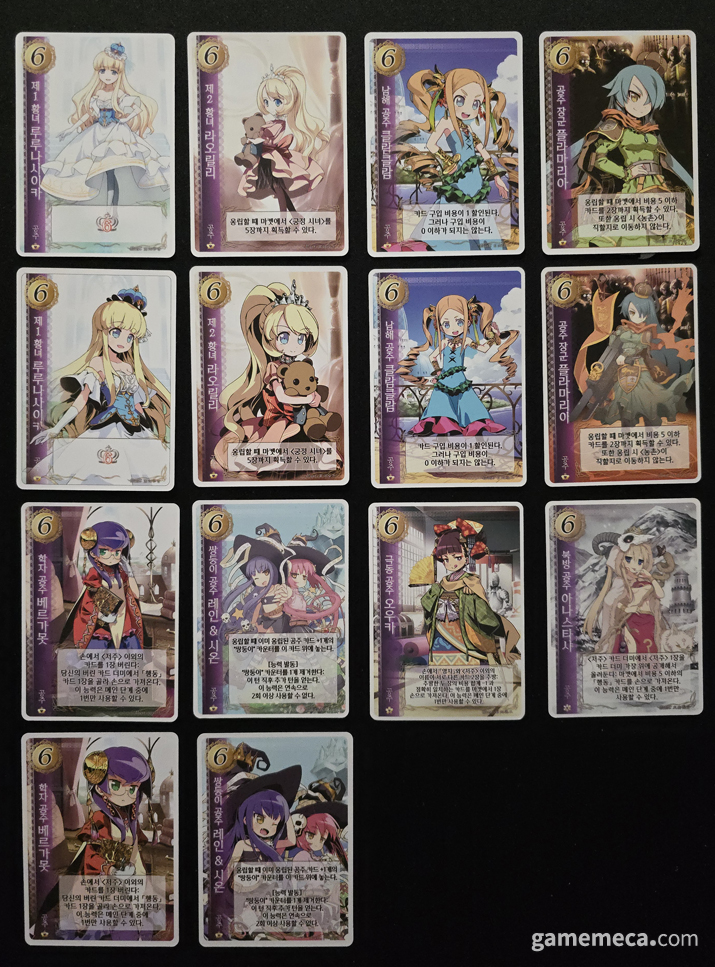
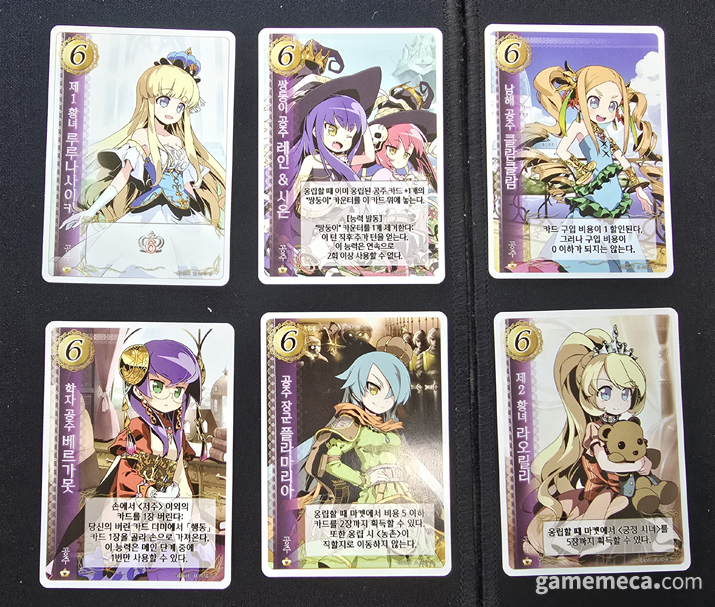
Each Princess has a unique ability, which adds a layer of strategic depth. The timing of your nomination and the choice of Princess itself become vital tactical decisions. While Dominion feels like managing your own estate, Heart of Crown feels like a political power struggle in the royal court, where you’re fighting to ensure your chosen Princess takes the throne.
A game I ignored for its art, bridged by Steam
As I mentioned, the physical copy sat on my shelf for a while. I just couldn't get used to the design. Thankfully, the Steam version offered an olive branch. I picked it up at launch and played it solo, which helped me naturally fall for the game’s charm.
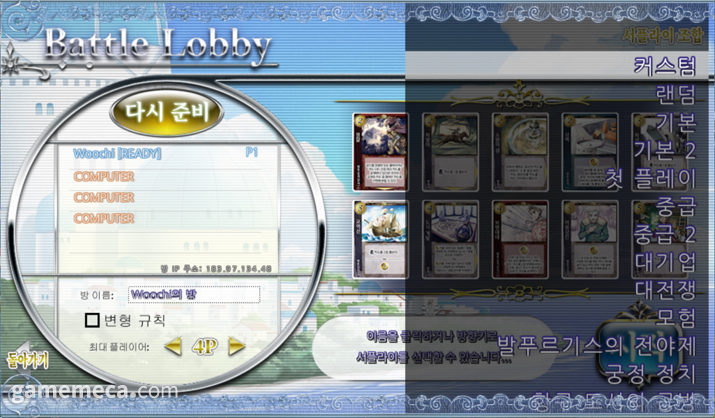
The greatest strength of the digital version is not having to worry about finding players. You can play against the AI, from 2 to 4 players. I particularly enjoyed how the variety of market card combinations kept every session feeling fresh.
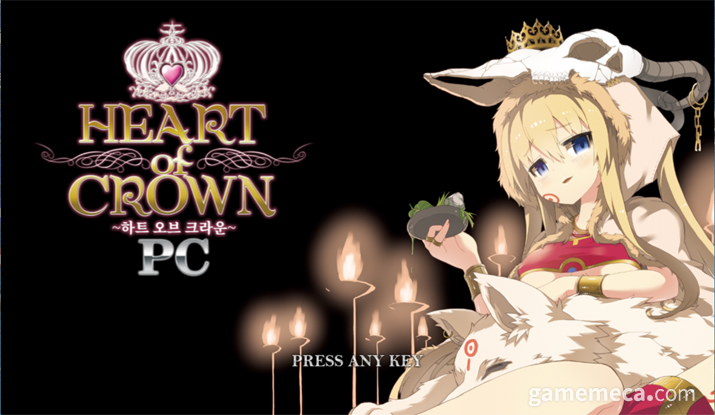
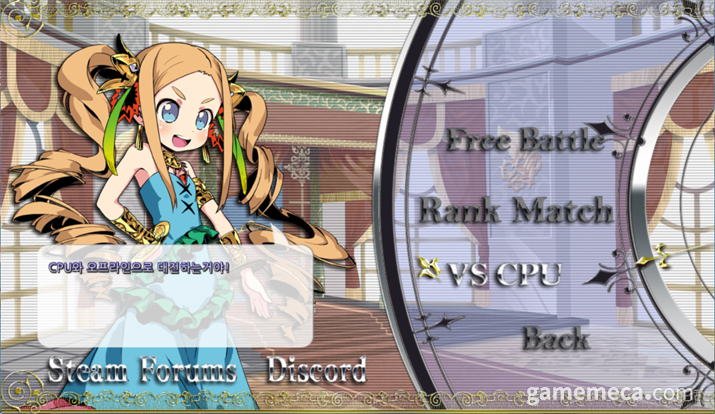
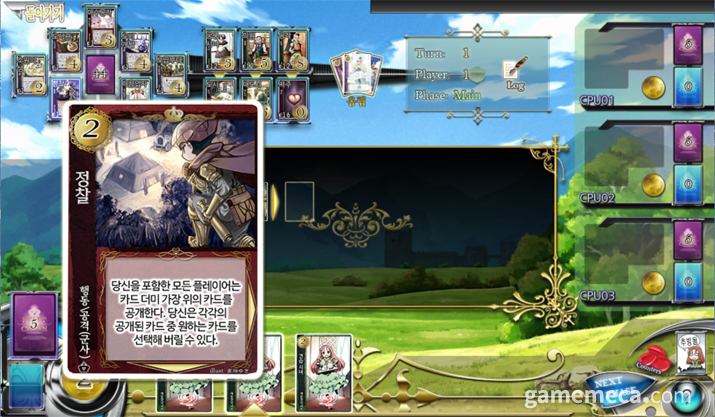
It’s not without its flaws. You have to rely solely on the text on the cards to understand their effects. Since it’s a digital port, don't expect flashy animations to explain things—you have to learn by doing. The lack of screen resolution options is also a bit of a nuisance. Still, having the time to mull over your strategy without an opponent breathing down your neck is a distinct luxury.
The fun I found only after building immunity
Once I was sufficiently comfortable with the Steam version, my aversion to the art style faded. That’s when I finally felt ready to crack open the physical box again.
Playing it in person was a much smoother experience than I anticipated. The Link system really keeps the pace faster than Dominion. Even with the recommended starting setup, the interaction—especially through Scout cards—was surprisingly cutthroat.
The game also shifts significantly depending on player count. In a 3-player game, everyone is so busy building their own engine that active sabotage is tricky. But in a 2-player game? The tension is palpable. The race to boost Succession Points after nominating a Princess becomes an intense staring contest, where a single card can decide the winner.
Through this, I realized that victory depends on how well you understand your Princess’s traits and tailor your strategy accordingly. Once you’ve nominated, delaying your opponent’s tempo is just as important as advancing your own. The constant tension of choosing between buying cards or pushing for points is where the true fun lies.
The evolution of deck-building beyond the anime aesthetic
Heart of Crown faithfully inherits the grammar of Dominion while crafting its own identity through the 'Succession' goal and the clever Link system. It’s more intuitive than Dominion, making it easier to pick up, and the clear objective of enthroning a Princess provides a steady sense of direction. If you love deck-builders, or are just looking to get started, it’s well worth your time.
If you’re a fan of Japanese subculture, this is a no-brainer. The art style and card mechanics are perfectly in sync with the theme of raising a Princess to the throne.
On the other hand, if you prefer grim, serious themes, you might find it hard to warm up to. I’ve been there—letting the art style keep a game off the table—so I can't deny that it’s a potential barrier to entry.
But with the Steam version as an alternative, that barrier drops pretty quickly once you actually start playing. The game is just too fun to let a little art style get in the way. I’d suggest giving the digital version a whirl before committing to the physical purchase.
UchiAn average board game developer.CEO of the board game company 'Potpourri'.Writing board game playlogs on Instagramwhere I run my channel.
대학생 때 처음으로 실물 카드로 구성된 보드게임을 구매하며 덱빌딩과 연을 맺었습니다. 도미니언(Dominion)이라는 덱빌딩(Deck Building) 게임을 사서 플레이했을 때의 재미가 지금도 기억이 납니다.
처음에는 카드를 사고 덱을 꾸린다는 개념이 낯설었지만, 한두 판 하다 보니 헤어나올 수 없게 됐죠. 특히 직접 모은 카드가 맞물릴 때 터지는 쾌감은 단순한 운의 영역을 넘어서는 뭔가를 느낄 수 있었습니다. 그때부터 덱빌딩에 완전히 매료됐고, 자연스럽게 비슷한 게임을 찾기 시작했습니다. 그렇게 만난 게임이 이번에 소개할 '하트 오브 크라운'입니다.
일본 중세 판타지 애니메이션 느낌 강한 아트워크
'하트 오브 크라운'에서 가장 먼저 눈에 띄는 부분은 역시 아트워크입니다. 일본에서 제작한 중세 판타지 애니메이션을 보는 듯한 아트워크로, 많은 게임 사이에서도 비주얼만으로 강렬한 존재감을 드러냅니다.
솔직히 말하자면, 처음에는 이 아트워크가 마음에 걸렸습니다. 도미니언을 비롯해 그동안 즐겨온 유로 게임(독일식 보드게임)과는 디자인 콘셉트가 많이 달랐습니다. 한층 진보된 덱빌딩을 경험할 수 있다는 이야기를 많이 들어서 기대감은 높았지만, 막상 카드를 손에 쥐었을 때 아트에서 느껴지는 어색함을 부정하기 어려웠습니다.
그래서인지 구매한 후에도 모임에 게임을 소개하고 플레이하기 망설여졌죠. 그럼에도 구매를 결정한 이유는 게임성이 궁금했기 때문입니다. 도미니언 이후 덱빌딩 게임에 대한 갈증이 컸고, 그 갈증을 해소할 새로운 무언가를 찾고 있었으니까요.
덱빌딩 명작 '도미니언'과의 차이점은?
하트 오브 크라운의 기본 흐름은 도미니언과 크게 다르지 않습니다. 매 턴 카드 5장을 손에 쥐고, 그 카드로 행동하거나 시장에서 새 카드를 구매해 덱을 강화하는 구조입니다.
하지만 자세히 들여다보면 여러 부분에서 영리한 개선점이 눈에 띕니다. 도미니언에서는 행동 횟수를 머릿속으로 셈하며 플레이해야 했는데, 하트 오브 크라운은 '링크'라는 개념을 통해 이 과정을 훨씬 직관적으로 보여줍니다. 카드를 낼 때마다 행동 횟수를 입으로 되뇌어야 했던 번거로움이 크게 줄었죠.
시장 구성 방식도 다릅니다. 도미니언은 시작 시 시장 카드가 모두 공개되지만, 하트 오브 크라운은 한꺼번에 열리지 않습니다. 덕분에 운의 요소가 적절히 개입되며 숙련자와 초보자 간 격차가 좁혀지는 효과를 냅니다. 처음 게임을 접하는 플레이어도 충분히 이겨볼 수 있다는 뜻입니다.
하트 오브 크라운의 가장 큰 차별점은 따로 있습니다. 뒤이어 살펴볼 '황제 계승'입니다.
선택한 공주를 황제로 옹립하라
하트 오브 크라운에서 승리하려면 단순히 승리 점수 카드를 많이 모으는 것으로는 부족합니다. 공주를 옹립하고, 그 공주를 중심으로 계승점을 20점 쌓아야 비로소 이길 수 있습니다.
공주를 세우려면(게임에서는 옹립한다고 표현합니다) 금화 합계를 6으로 만들어야 합니다. 그 이후부터 덱은 공주를 황제로 올리기 위한 수단으로 전환됩니다. 카드를 구매해 계승점을 올릴지, 아니면 상대의 계승점 상승을 막을지 매 순간 고민해야 하죠.
공주마다 고유한 특수 기능이 있다는 점도 전략폭을 넓혀줍니다. 어떤 공주를 선택하느냐에 따라 이후 덱 구성 방향이 달라지기 때문에, 공주를 세우는 타이밍과 선택 자체가 하나의 중요한 전략 요소가 됩니다. 도미니언이 내 영지를 키운다는 느낌이라면, 하트 오브 크라운은 왕실에서 일어나는 여러 정치, 전략을 통해서 공주를 반드시 황제로 만들겠다는 암투 느낌이 납니다.
일러스트 때문에 멀리했던 게임, 스팀이 다리를 놓다
다만 앞서 말했듯 실물 게임은 한동안 플레이 우선 순위에서 밀려났습니다. 지금까지 즐겨온 보드게임과는 다른 디자인 콘셉트가 좀처럼 익숙해지지 않았거든요. 그러다 손을 내밀어 준 것이 스팀 버전이었습니다. 출시 당시 구매해뒀던 스팀 버전 덕분에 혼자서도 간간이 게임을 즐겼고, 그 과정에서 자연스럽게 게임의 매력에 빠져들었습니다.
디지털 버전의 가장 큰 장점은 인원 걱정이 없다는 점입니다. 2인부터 4인까지 컴퓨터를 상대로 다양한 플레이 상황을 경험할 수 있습니다. 특히 시장 카드 구성을 어떻게 짜느냐에 따라 게임의 재미가 크게 달라지는데, 기본 세트 외에도 다양한 시장 카드 조합을 제공해 매번 새로운 경험을 할 수 있다는 점도 좋았습니다.
아쉬운 점도 있습니다. 카드 각각의 효과를 카드에 적힌 텍스트만으로 파악해야 합니다. 디저털 버젼이기에 어떤 기능이 있다는 이펙트는 찾아볼 수 없어 직접 플레이하며 경험해야 합니다. 게임 화면 크기 조정이 되지 않는 점도 불편했죠. 그래도 상대 눈치 보지 않고 전략을 천천히 고민할 수 있다는 건 디지털 버전만의 분명한 매력입니다.
면역이 생기고 나서야 발견한 재미
스팀 버전을 통해 게임에 충분히 익숙해지고 나니, 아트워크에 대한 거부감도 자연스럽게 옅어졌습니다. 그제야 비로소 실물 게임을 다시 펼쳐볼 마음이 생겼죠.
다시 해보니 실물 플레이는 예상보다 훨씬 쾌적했습니다. 링크 시스템 덕분에 게임 진행 속도가 도미니언보다 빨라졌습니다. 아울러 기본 추천 구성으로 진행했음에도, 정찰 카드 하나만으로 서로 간의 견제가 꽤 치열해졌죠.
참여 인원수에 따라 게임의 양상이 달라지는 점도 흥미로웠습니다. 3인 플레이에서는 각자 자기 콤보를 만드느라 바빠서 상대를 적극적으로 견제하기 쉽지 않았습니다. 공격 카드 구성을 달리한다면 이야기가 달라질 수도 있겠지만요. 반면 2인 플레이에서는 공주 옹립 후 계승점을 빠르게 끌어올리려는 눈치 싸움이 상당히 격렬해집니다. 카드 한 장 차이로 승패가 갈린다는 느낌이 들 만큼 팽팽한 긴장감을 맛볼 수 있죠.
이번 플레이를 통해 승패를 가르는 건 공주의 특성을 얼마나 잘 이해하고 그에 맞는 전략을 꾸리는 가에 있다고 느꼈습니다. 아울러 공주를 옹립한 후에는 내 계승점을 올리는 것만큼이나 상대 템포를 늦추는 것도 중요합니다. 지금 카드를 구매할지, 계승점 카드를 올릴지 매 순간 고민하게 만드는 긴장감이 하트 오브 크라운의 핵심 재미라고 생각합니다.
애니풍 아트워크 너머에 있는 덱빌딩의 진화
하트 오브 크라운은 도미니언의 문법을 충실히 계승하면서도, 황제 계승이라는 고유한 목표와 링크 시스템이라는 영리한 개선으로 자신만의 색깔을 완성한 게임입니다. 도미니언보다 직관적인 시스템 덕분에 익히는 데 큰 어려움이 없고, 공주 옹립이라는 명확한 목표가 제시되어 방향을 잡기도 수월합니다. 덱빌딩을 좋아한다면, 이제 막 입문하려 한다면 도전해볼 만한 가치가 있습니다.
일본 서브컬처 팬이라면 두말할 것 없이 추천합니다. 공주를 옹립해 황위에 올린다는 테마에 딱 어울리는 아트 스타일과 카드 기능이 잘 맞아떨어집니다.
반면 무겁고 진중한 테마를 선호하는 플레이어라면 익숙해지기 어려울 수 있습니다. 필자 역시 아트워크 때문에 한동안 모임에 가져가지 못했던 경험이 있는 만큼, 이 부분에 대한 호불호가 진입장벽이 될 수 있다는 것은 부정하기 어렵습니다.
하지만 스팀 버전이라는 대안이 있고, 몇 판만 해보면 그 장벽은 생각보다 빠르게 낮아집니다. 게임 자체의 재미가 특유의 아트워크에 익숙해지도록 돕기 때문입니다. 스팀에서 디지털 버전을 먼저 해보고 실물 구매를 결정해도 늦지 않습니다.
우치평범한 보드게임 개발자.보드게임 회사 '포푸리' 대표를 맡고 있습니다.보드게임 플레이로그로 인스타그램을 운영 중입니다.
This news was translated by AI.
READ MORE
-
 [+9 Enhanced] RedMagic Astra 2, 'Tier 0' in both performance and heat control
-
 [precedent.zip] Does deriding the appearance of a character modeled after a real person constitute the crime of insult?
-
 [Board Game] There is no story, but the sense of command remains, Nikke
-
 [precedent.zip] If KartRider Classic opens, will past data be revived?
RECOMMENDED NEWS
MOST POPULAR NEWS
- Recommended for the holidays, what is the trend in gaming tablets?
- HEARTSTEEL is Back, League of Legends New Song 'Live My Life' Revealed
- [TGS 26] Hyung-tae Kim "AI video was an experiment, I apologize"
- [TGS 26] Tokyo Game Show decided to close one day early due to typhoon
- Enjoy Cute Adventures One-Handed, Animo Mobile Version Released
- South Korean National Team Set to Compete, PUBG MOBILE Asian Games Finals Imminent
- Into the Deeper Depths of Snezhnaya, Exploring Genshin Impact Version 7.1
- [Today's steam] First 90% Discount, Far Cry 6 Ranks at the Top for Consecutive Days
- Nivalis Nights, Running a Restaurant in a Cyberpunk City
- Poppy Playtime 4-Player Co-op Escape New Title, Released on October 22
MEDIA PARTNERSHIPS



GAMEMECA SNS


 GAMEMECA GLOBAL SITE