
[TGS 26] Smilegate's strategy to conquer Japan: Chaos Zero Nightmare, Dead Account, and Mirages of Reminiscence
[TGS 26] 스마게 日 공략은 카제나-데드 어카운트-미래시
2026.09.18 17:51 UTC+9

AI Summary
Smilegate accelerates its Japanese market push. Executive Baek outlines subculture strategies. New titles aim for release soon.
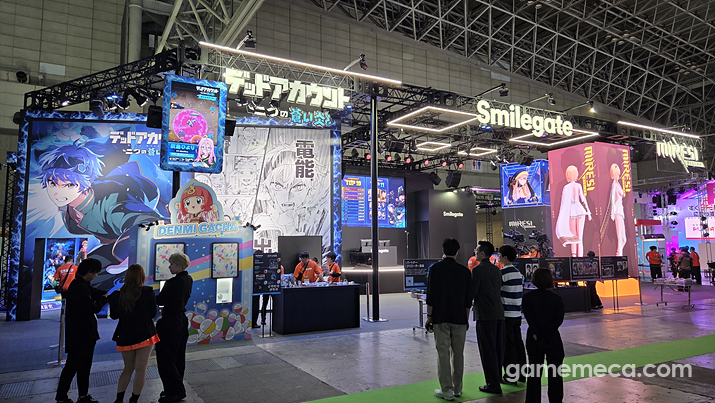
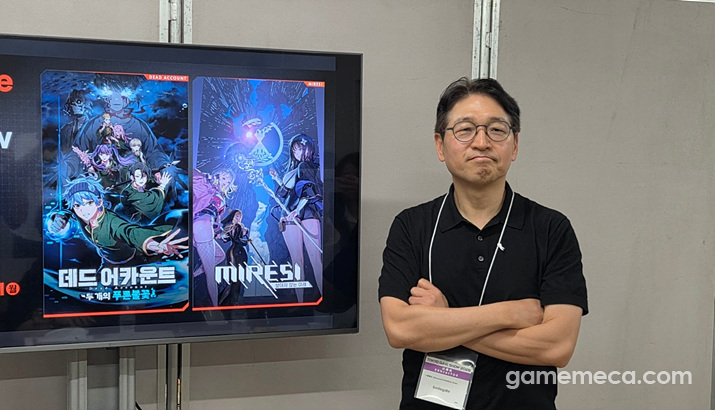
Q. This marks your fourth year since joining Smilegate. What would you call your biggest achievement and your biggest regret so far, and how has your role changed?
When I first came on board as the head of Megaport, my focus was squarely on mobile game publishing. Critics used to argue that Smilegate's mobile success was entirely propped up by Epic Seven, but lately, we have been flexing our business muscles and delivering solid results with Lord Nine, CZN, and Eclipse. Becoming CBO does not mean I suddenly oversee every single operation overnight. I plan to keep the Megaport and Stove platform duties running smoothly while gradually refining my responsibilities over time.
Q. Looking at your upcoming lineup, the subculture genre seems to take up a hefty chunk. What is the actual weight of subculture in Smilegate's portfolio, and where is it heading?
Rather than clinging strictly to the label 'subculture', I prefer viewing it through the broader lens of the animation boom. We are certainly not putting all our eggs in one specific basket, but animation-driven games, including subculture titles, will likely make up over half of our core portfolio in the next two to three years. The market itself has grown massively, so we intend to keep hunting down great opportunities in this space and pushing our internal development teams forward.
Q. You officially declared your push into the Japanese market at last year's Tokyo Game Show. A year later, what do the actual metrics and results look like over there?
Historically, Epic Seven made waves in the West, but our revenue share in Japan was practically non-existent. However, CZN put up impressive numbers, climbing into the top tier for both revenue and player counts in Japan. The absolute figures might look modest compared to mega-blockbusters, but we reckon we have successfully carved out a foothold. Armed with this momentum, rolling out Dead Account and Miraeshi should yield some genuinely meaningful outcomes. Japan is a market that demands persistent cultivation, and as we learn more about local player preferences year by year, the overall situation is steadily improving.
Q. What is the ultimate KPI you are tracking while steering the ship in Japan?
Revenue matters from a business perspective, obviously, but that is merely a lagging indicator. The single most crucial leading metric for us is player retention. If we can keep those numbers high, it opens the door for much more aggressive marketing. When these layers of fandom stack up nicely, you create genuine opportunities to expand existing IPs into full-fledged franchises. Japanese players tend to exhibit fierce loyalty once they lock in with a brand, making player loyalty the absolute holy grail over there.
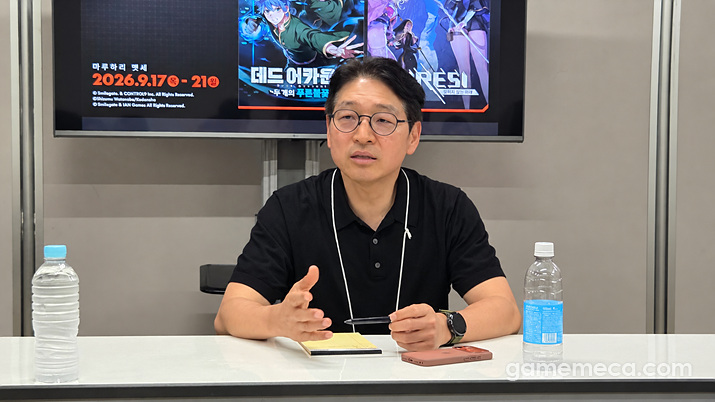
Q. With subculture games on the rise, you have found yourself at the helm of the Japanese market offensive. How do you view your role in all of this?
Japan is notoriously difficult to break into, but once you build trust with the community, it is one of the top global gaming markets that you can sustain for decades. When I first started working in Japan twenty years ago, South Korean companies were hardly received with open arms, but the vibe has shifted dramatically since then.Drawing on my long tenure working in Japan, my job is to accurately decode local player needs and reflect them directly in our products. I want to carefully manage our fandom and ensure players can enjoy our games continuously without ever feeling alienated.
Q. Dead Account: Two Blue Flames follows a structure where a South Korean developer builds a game using a Japanese IP and then services it back in Japan. Do you plan to scale up this kind of IP-sharing arrangement?
Japanese IPs are by no means a golden ticket to guaranteed success. In an environment where mobile marketing costs keep spiralling upward, leveraging a famous IP certainly helps with marketing and planning. On the flip side, dealing with meticulous oversight from original creators brings plenty of headaches. Rather than blindly expanding our Japanese IP projects, we evaluate various factors carefully—growth potential, fee structures, and game fit—before moving forward.
Q. You are tackling things through localizations, local IP collaborations, and original new IPs. What are the pros and cons of each publishing approach?
Teaming up with local publishers often hits a wall because corporate culture clashes turn out to be much harsher than expected, making smooth communication and good results hard to come by. Rather than third-party publishing, having South Korean developers handle services directly—while leveraging original or local IPs—makes a lot more sense. Of course, each route has its trade-offs. Using a local IP softens initial player resistance, but original creators can choke your live-service operational freedom. On the other hand, original new titles like Miraeshi demand heavy investments of time and cash to build initial awareness and a fanbase. But once they stabilize, you gain the freedom to roll out rapid online and offline events tailored to player demands.
Q. You brought Miraeshi and Dead Account: Two Blue Flames to this year's Tokyo Game Show. What was your main yardstick for judging their potential?
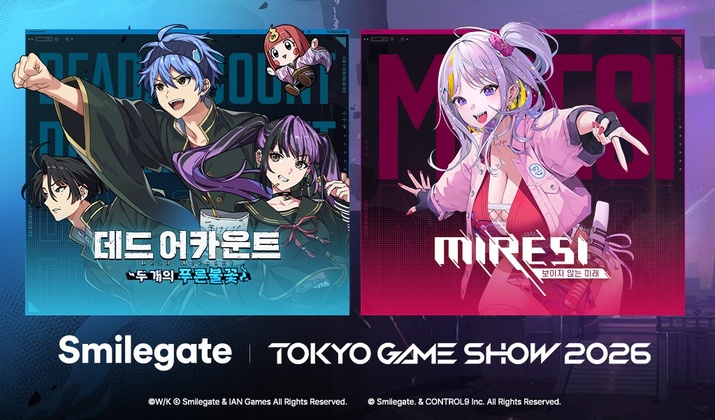
The ultimate litmus test was whether the worldview and character designs would click with players. We figured Dead Account's quirky premise—dealing with abandoned personal data left inside strangers' smartphones—would resonate well with Japanese sensibilities, while also carrying the lighter tone modern Japanese gamers adore. With Miraeshi, AD 'Hyeon-ra' brings a distinct character and art style to the table, and we were confident that executing this in high fidelity would keep players satisfied.
Q. Did you spot any notable shifts in global gaming trends while walking the floor at Tokyo Game Show?
This year's Tokyo Game Show saw a sharp drop in Chinese publisher participation, while South Korean companies clearly demonstrated their serious ambitions for global expansion. Major Japanese corporations focused heavily on locking down key flagship titles, whereas South Korean firms leaned heavily into subculture offerings. Beyond that, genuine mega-blockbusters were thin on the ground, and pure mobile-only games have all but vanished. Even indie developers are making an unmistakable pivot away from mobile and handhelds straight toward PC platforms.
Q. South Korean, Chinese,andJapanese studios are locked in fierce competition in Japan. What is Smilegate's secret sauce for standing out?
It all comes down to focusing relentlessly on our customers and fans. In the past, we occasionally made choices based on what we wanted to build or what was convenient for development. Nowadays, when we prep a new title, we explicitly avoid lazy demographic targets like 'males in their 20s and 30s' and instead push our teams to deeply analyze subtle player tendencies and the exact games they are currently playing.Constantly figuring out what our existing fans want and delivering on it is vital. For Japanese players, who tend to lean somewhat conservative, continuously offering something that feels both familiar and refreshingly new is our core differentiator and masterstroke. The recent success of Eclipse: The Awakening is proof that this philosophy works.
Q. What is the current state of your Japanese subsidiary, and what are the launch timelines for Dead Account and Miraeshi?
Since CZN didn't quite hit our aggressive initial forecasts, we kept our headcount lean, steadying the ship with a mid-teen team size. As for release dates, Dead Account: Two Blue Flames will likely drop a bit sooner, though we haven't locked down a firm date as it still has to clear internal playtests. We are aiming for a summer release next year for Miraeshi, and we plan to weaponize player feedback gathered through upcoming tests to polish both titles.
Q. Are you cooking up any cross-media roadmaps to help conquer the Japanese market?
While we don't have concrete blueprints just yet, I strongly believe we need to execute our offline merchandise business much more systematically. CZN alone might feel a bit lightweight on that front, but if Miraeshi hits the jackpot, we are kicking around ideas for a joint offline event. If performance exceeds expectations down the road, we will definitely explore adaptations like anime or aggressive fan-driven derivative creations, though it is still a bit early to map that out.
Q. In such a cutthroat market, what makes Smilegate an attractive partner for external development studios?
On the publishing front, we pitch ourselves as the company that understands market dynamics and player trends on a profound level. Developers need more than just financial backing; they need a publisher capable of reading the room and providing solid guidance on marketing and business strategy, and we have built undeniable competence there. Forming win-win business models through collaborations with indie creators has also been working out wonderfully.We are extending these exact models to independent indie developers, offering them an environment where they can pour all their energy into actual game development. Through second-party investments, we will keep cultivating long-term partnerships, and our internal studio teams are actively chipping in by pooling shared administrative tasks across different corporate entities.
Q. Do you have a specific playbook for attacking the indie game market as you expand the Stove platform globally?
We have recently kicked our indie game publishing efforts into high gear via Stove. Simply nagging developers to list their games on the platform isn't enough to forge a genuine win-win. By taking on publisher risks and actively backing promotional efforts, we help developers harvest players across both Steam and Stove simultaneously.We are also putting serious brainpower into technical solutions that make it dead simple for Japanese indie developers—who often find expanding onto Steam daunting—to hook into Stove. We want word-of-mouth praise to spread, showing that setting up shop on Stove genuinely moves the needle, and we are pulling out all the stops to pack the platform with stellar games. Adieu!
Q. 스마일게이트 합류 4년 차를 맞았다. 지금까지 거둔 가장 큰 성과와 아쉬운 점은 무엇인지, 담당 사업의 역할 변화가 있는지 궁금하다.
처음에는 메가포트 대표로 합류해 주로 모바일게임 퍼블리싱을 맡았다. 과거 스마일게이트의 모바일 성과가 에픽세븐에 집중되어 있다는 평가가 있었지만, 최근 로드나인, 카제나, 이클립스 등을 통해 성과를 내며 사업 역량을 키워가고 있다. CBO가 되었다고 해서 당장 모든 사업을 총괄하는 등 급격한 변화가 일어나는 것은 아니다. 기존에 담당하던 메가포트와 스토브 관련 플랫폼 업무를 안정적으로 유지하며 점진적으로 역할을 다듬어갈 예정이다.
Q. 신작 라인업을 보면 서브컬처 장르의 비중이 높아 보인다. 서브컬처가 스마일게이트 포트폴리오에서 차지하는 비중과 향후 방향성은 어떻게 되는가?
서브컬처라는 단어보다는 애니메이션 붐이라는 넓은 개념으로 접근하고 싶다. 특정 장르에만 모든 것을 걸겠다는 뜻은 아니지만, 서브컬처를 포함한 애니메이션 계열 게임이 향후 2~3년 내 주요 포트폴리오의 과반을 차지할 것으로 본다. 시장 자체가 크게 성장한 만큼 관련 장르에서 지속적으로 좋은 기회를 찾고 내부 발굴도 이어갈 생각이다.
Q. 지난해 도쿄게임쇼에서 일본 사업 본격화를 선언했다. 1년이 지난 지금, 일본 시장에서의 구체적인 성과나 지표는 어떠한가?
기존에는 에픽세븐의 서구권 성과가 컸을 뿐 일본 매출 비중은 거의 없었다. 하지만 카제나가 일본 내 매출과 유저 수 모두 2위권에 오르는 등 눈에 띄는 성과를 냈다. 절대적인 수치는 다른 대작에 비해 부족할 수 있으나, 일본 시장에 성공적으로 안착했다고 생각한다. 이를 바탕으로 데드 어카운트와 미래시를 서비스한다면 의미 있는 성과를 낼 것으로 보고 있다. 또한 일본은 꾸준히 공을 들여야 하는 시장이기에, 매년 유저 성향을 학습하며 상황이 점진적으로 좋아지고 있다.
Q. 현재 일본 사업을 이끄는 입장에서 가장 중요하게 생각하는 핵심 KPI는 무엇인지?
물론 사업적으로 매출이 중요하지만, 그것은 결과물일 뿐이다. 가장 중요한 선행 지표는 유저 잔존율이다. 해당 수치가 높게 유지된다면 좀 더 공격적인 마케팅이 가능해진다. 이러한 팬덤이 겹겹이 쌓이면 기존 IP를 활용해 프랜차이즈를 확장할 수 있는 가능성도 열린다. 특히 일본은 한 번 각인되면 로열티가 강하게 유지되는 성향이 커서, 유저 충성도를 확보하는 것이 더욱 중요하다.
Q. 서브컬처 게임이 늘어나며 일본 시장 공략의 지휘봉을 쥐게 되었다. 본인의 역할이 무엇이라고 생각하며, 어떻게 이끌어갈 예정인가?
일본은 진입 장벽이 높지만 한 번 유저와 신뢰가 쌓이면 길게 끌고 갈 수 있는 세계 상위권 게임 시장이다. 20년 전 처음 일본에서 일할 때만 해도 한국 기업이 좋은 평가를 받지 못했지만, 현재는 분위기가 많이 달라졌다.일본에서 오래 일하며 얻은 경험을 바탕으로, 일본 고객의 니즈를 정확히 파악해 제품에 투영하는 것이 내 역할이다. 유저들이 불쾌함 없이 지속적으로 게임을 즐길 수 있도록 팬덤과 니즈를 꼼꼼히 관리하려 한다.
Q. 신작 데드 어카운트: 두 개의 푸른 불꽃은 일본 IP를 활용해 한국 게임사가 개발하고, 이를 다시 일본에 서비스하는 구조다. 향후 이러한 IP 활용 구조를 확대할 계획이 있는지?
일본 IP가 무조건적인 성공을 보장하지는 않는다. 모바일게임 시장 마케팅 비용이 계속 상승하는 상황에서, 유명 IP 활용은 마케팅과 기획적 측면에서 큰 도움이 된다. 반면 원작자의 꼼꼼한 감수 등 현실적으로 까다로운 부분도 분명 존재한다. 무조건 일본 IP 사업을 확대하기보다는 성장 가능성, 수수료 구조, 게임과의 적합성 등 여러 요소를 신중히 파악해 진행할 것이다.
Q. 현지화, 현지 IP 활용, 오리지널 신작 등 다양한 방식으로 접근 중이다. 각각의 퍼블리싱 방식이 가지는 장단점은 무엇인가.
현지 퍼블리셔와의 협업은 사실 일하는 문화의 차이가 생각보다 심해서, 소통이 어렵고 좋은 성과를 내기 쉽지 않다. 제3자 퍼블리싱보다는 한국 개발사가 직접 서비스하되, 오리지널 IP나 현지 IP를 활용하는 방식이 적합하다. 물론 각각의 장단점이 있다. 현지 IP를 활용하면 유저들의 초기 거부감을 줄일 수 있으나 원작 문제로 라이브 서비스의 운영 자유도가 떨어진다. 미래시와 같은 오리지널 신작은 초기 인지도를 쌓고 팬덤을 형성하는 데 비용과 시간이 오래 걸린다. 하지만 어느 정도 안정화된 이후에는 유저 요구에 맞춘 온오프라인 이벤트를 빠르게 전개할 수 있고 서비스 자유도가 높다는 장점이 있다.
Q. 미래시와 데드 어카운트: 두 개의 푸른 불꽃을 이번 도쿄게임쇼에 출품했다. 두 작품의 가능성을 판단한 기준은 무엇인지 궁금하다.
가장 중요한 기준은 세계관과 캐릭터성이 유저들에게 어필할 수 있느냐다. 데드 어카운트는 타인의 스마트폰 내 방치된 개인 정보를 처리한다는 독특한 세계관이 일본 시장에 잘 먹힐 것이라 판단했고, 최근 일본 유저들이 선호하는 비교적 라이트한 감성도 갖췄다. 미래시는 '현라' AD 특유의 캐릭터와 아트 스타일이 존재하며, 이를 고품질로 풀어내면 유저들을 만족시킬 수 있을 것이라 확신했다.
Q. 도쿄게임쇼 현장에서 느낀 올해 글로벌 게임 시장의 트렌드 변화가 있다면?
올해 도쿄게임쇼는 중국 게임사의 참여가 크게 줄어든 반면, 한국 회사들이 글로벌 시장 진출에 진심이라는 점이 돋보였다. 일본 대기업들은 주요 타이틀 선점에 나섰고, 한국은 서브컬처 중심으로 출품했다. 그 외 특징이라고 한다면 눈에 띄는 초대형 대작은 많지 않았고, 모바일 단일 플랫폼 게임이 거의 사라졌다. 인디게임조차 모바일이나 패드를 넘어 PC 플랫폼으로 전환하는 추세가 뚜렷해진 것 같다.
Q. 한·중·일 게임사들이 치열하게 경쟁하는 일본 시장에서 스마일게이트만의 차별화 전략은 무엇인가?
최대한 고객과 팬에게 집중하는 것이다. 과거에는 우리가 만들고 싶은 게임을 만들거나 개발 편의성에 집중하는 판단을 하기도 했다. 이제는 신작을 준비할 때, 타깃을 '2030 남성'처럼 단순히 정하는 것을 지양하고 유저들의 세밀한 성향과 현재 즐기는 게임을 심층 분석하도록 내부적으로 강조하고 있다.이처럼 기존 팬들이 무엇을 원할지 끊임없이 고민하고 이를 이끌어내는 것이 중요하다. 다소 보수적인 성향을 지닌 일본 유저들에게는 익숙하면서도 새로운 제안을 지속적으로 건네는 것이 차별화 포인트이자 핵심 전략이다. 최근 이클립스: 더 어웨이크닝이 성과를 낸 것도 이러한 철학을 반영한 결과다.
Q. 일본 법인 규모의 변화와 데드 어카운트, 미래시의 구체적인 출시 일정이 궁금하다.
사실 카제나가 초기 목표치만큼 도달하진 못해, 인력을 대폭 늘리진 못하고 10명대 중반 규모로 꾸준히 성장했다. 출시일은 데드 어카운트: 두 개의 푸른 불꽃이 조금 더 빠를 예정이지만 아직 내부 마지막 테스트를 거쳐야 해서 확정되진 않았다. 미래시는 내년 여름쯤 출시하는 것을 목표로 삼고 있으며, 두 작품 모두 테스트를 통해 유저들이 선호하는 피드백을 최대한 반영할 계획이다.
Q. 성공적인 일본 시장 공략을 위해 미디어 믹스 연계 등에 대한 로드맵도 구상 중인가?
아직 구체적인 계획이 나온 것은 아니지만 오프라인 굿즈 사업을 좀 더 체계적으로 전개해야 한다고 생각한다. 카제나 단독으로는 다소 약할 수 있지만, 미래시가 성공한다면 이를 통합해 오프라인 행사를 진행하는 방안도 구상 중이다. 향후 성과가 좋다면 미래시를 활용한 애니메이션화나 유저들의 2차 창작을 적극적으로 활성화할 방법도 고민 중이나, 구체적인 계획을 짜기엔 이른 단계다.
Q. 경쟁이 치열해진 시장에서, 파트너 개발사에 어필할 수 있는 스마일게이트만의 강점은 무엇인지?
퍼블리싱 측면에서는 우리가 시장과 유저 트렌드를 가장 깊이 이해하고 노력하는 회사라고 어필한다. 개발사들은 자금 외에도 고객을 파악하고 마케팅 등 사업적 가이드를 제공할 수 있는 퍼블리셔의 역량을 필요로 하는데, 이 부분에서 확고한 경쟁력을 갖췄다고 본다. 중소 크리에이터들과의 협업을 통한 윈(Win)-윈 모델 구축도 긍정적으로 작용하고 있다.독립 인디 개발사들에게도 이러한 모델과 게임 개발에만 집중할 수 있는 환경을 제안 중이다. 세컨드 파티 투자를 통해서도 지속적인 파트너십을 이어갈 것이며, 내부 스튜디오 개발사 역시 법인별로 나뉘어 있던 공통 업무를 통합해 적극적으로 서포트하고 있다.
Q. 스토브 플랫폼의 글로벌 확장 과정에서 인디 게임 시장 공략을 위한 전략이 따로 있는가?
최근 스토브를 통한 인디게임 퍼블리싱을 본격적으로 시작했다. 단순히 플랫폼에 입점하라고 권유하는 형태로는 실질적인 윈-윈이 어렵다. 퍼블리싱을 통해 스팀과 스토브 양쪽에서 유저를 모객할 수 있도록 스마일게이트가 직접 리스크를 분담하고 홍보를 적극 지원하고 있다.스팀 진출조차 벅차하는 일본 인디게임사들을 위해 기술적으로 쉽게 스토브에 연동할 방안도 깊이 고민 중이다. 스토브 입점이 실질적인 도움이 된다는 입소문이 날 수 있도록 플랫폼에 좋은 게임이 모이게 다방면으로 노력할 것이다.
This news was translated by AI.

I will greet you with a good article. niro201@gamemeca.com
READ MORE
RECOMMENDED NEWS
MOST POPULAR NEWS
- Already the third time, Overwatch x LE SSERAFIM detailed look revealed
- Animo Prepares to Open Special No Brand Burger Store Ahead of Launch
- Popup events to be held in Dongdaemun and Yongsan to celebrate the release of Liftbound
- GTA 6 Online to support up to 32 players, confirmed through lawsuit documents
- Doomfist's Companion, Overwatch Vampire New Hero 'Doctrine'
- Restart of the Storm of the Void, Xal'atath comes to Heroes of the Storm
- Deepening Crisis in Snezhnaya, Genshin Impact Version 7.1 Starts on the 23rd
- A Magnificent Two-Consecutive-Championship Feat, The Protagonist of 2026 LCK is Gen.G
- Northland and the Giant Shadow, World of Warcraft: The Last Titan Teaser Video
- Become a Pandaren, Hearthstone New Class 'Monk' Teased
MEDIA PARTNERSHIPS



GAMEMECA SNS